Desserts

How to Make a Bombardino, Italy’s Cozy Après-Ski Cocktail

This warm winter drink tastes like dessert in a mug. Try it for yourself with this recipe by Tuscan Women Cooks.

There’s a certain kind of cold that calls for something richer than mulled wine — something creamy, comforting, and unapologetically indulgent. Enter Bombardino, Italy’s beloved Alpine winter drink, traditionally enjoyed après-ski in the Dolomites and northern mountain towns.

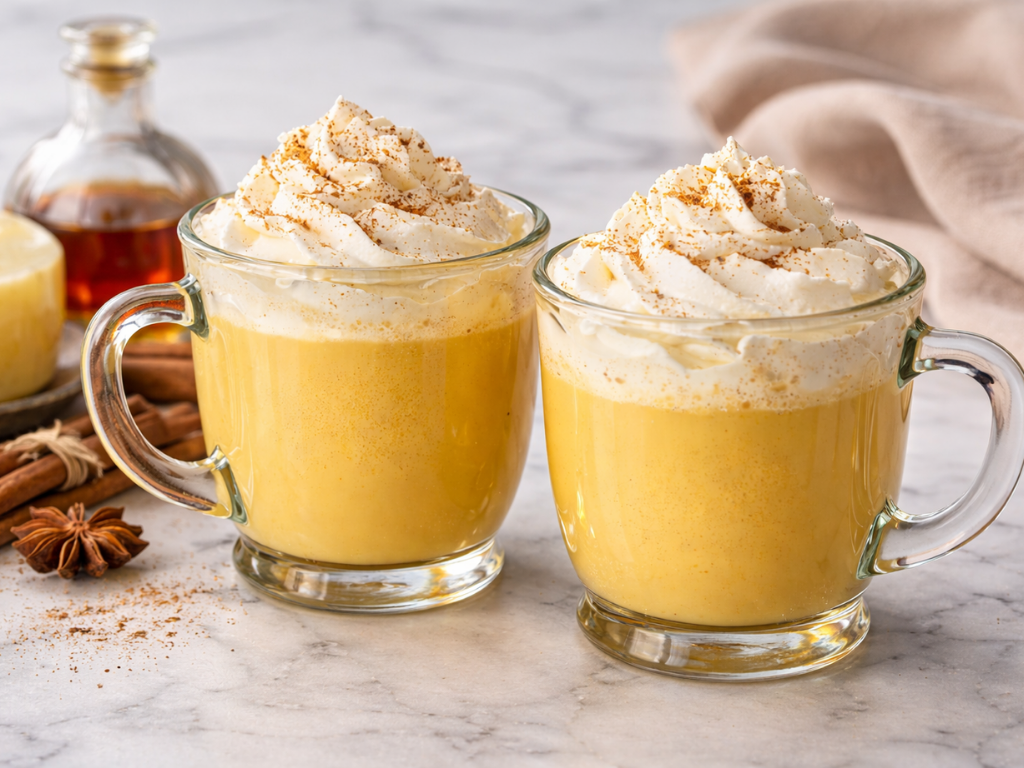
Part cocktail, part dessert, Bombardino was invented in the early 1970s to revive skiers after long days on the slopes. Its name, loosely translating to “little bomb”, hints at its warming power. While many bars rely on bottled liqueurs, this version from Tuscan Women Cook keeps things beautifully simple and homemade, using rich eggnog, brandy, and a cloud of whipped cream.

It’s the kind of drink you make slowly, savouring the ritual as much as the result — ideal for snowy evenings, holiday gatherings, or anytime you want to channel a little Italian mountain magic.


Recipe: Bombardino

Serves: 2

Ingredients

  • ½ cup eggnog

  • 3 ounces brandy (such as Vecchia Romagna, Etichetta Nera, or Gran Gala orange liqueur)

  • Whipped cream

  • Ground cinnamon

Instructions

  1. Gently heat the eggnog over medium heat until just barely simmering — do not boil.

  2. Divide the hot eggnog between two glass mugs.

  3. Add 1½ ounces of brandy to each mug.

  4. Top generously with whipped cream and finish with a light sprinkle of ground cinnamon.

  5. Serve immediately, preferably somewhere cozy.

Recipe reprinted with permission from Tuscan Women Cooks.

Turkish baklava recipe

Try this Classic Baklava Recipe for a Taste of Türkiye

Layered, flaky and syrup-soaked: explore the heritage of Türkiye’s beloved pastry with this recipe.

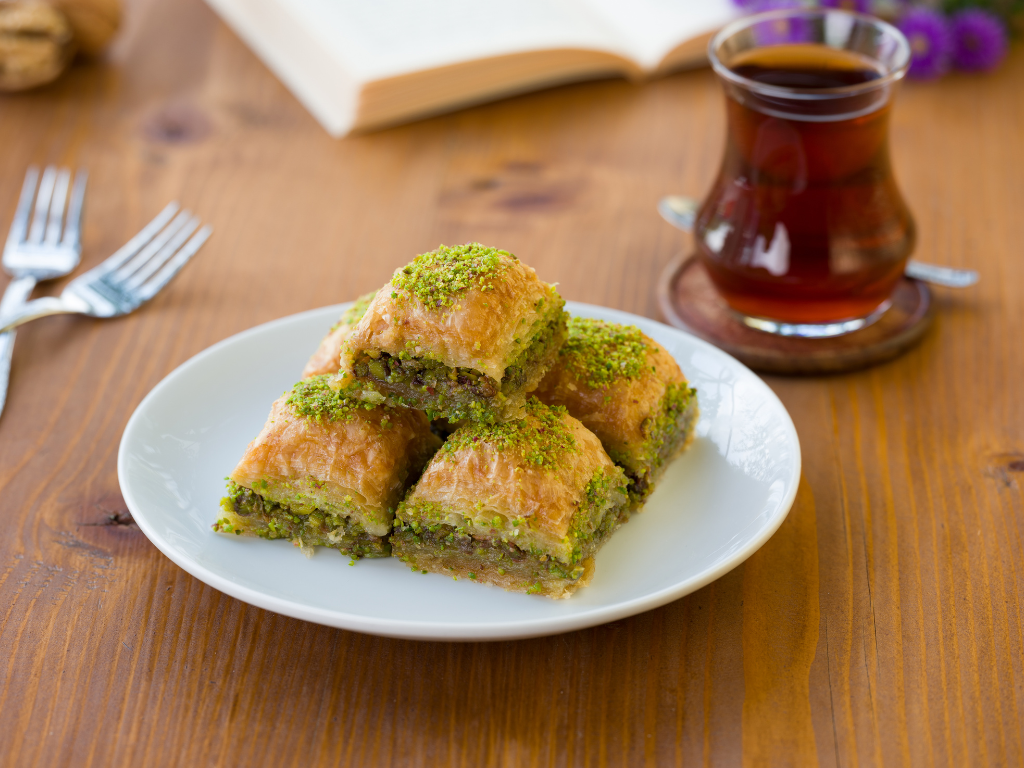
Few desserts capture a sense of place the way baklava does. In Türkiye, this golden, flaky pastry is more than something sweet to finish a meal — it’s a symbol of craftsmanship, celebration and centuries of culinary heritage. Across the country, baklava is offered to guests as a gesture of hospitality, shared during family gatherings, enjoyed with strong tea or Turkish coffee and lovingly passed from one generation to the next.

While baklava’s exact origins are layered in history, one enduring version traces back to the kitchens of the Ottoman Empire, where master bakers perfected the technique of rolling dough so thin it becomes almost translucent. Today, this cherished dessert is protected as part of Türkiye’s Intangible Cultural Heritage by UNESCO, underscoring its cultural significance and meticulous preparation.

There are countless regional variations: havuc dilimi (carrot-slice baklava), midye baklava (mussel-shaped baklava), bülbül yuvası (nightingale’s nest), and many more. Some are made with walnuts, others with pistachios, and some enriched with cream or shaped into coils and swirls. But one thing remains constant: great baklava is the product of patience, precision and a generous pour of warm syrup to bring the layers to life.

The recipe below comes courtesy of the Turkish Tourism Board, adapted from the southeastern province of Gaziantep, a culinary capital known for producing some of Türkiye’s most exquisite baklava. 

Authentic Turkish Baklava (Gaziantep Style)

Serves: 10

Ingredients

Syrup

  • 600 g sugar

  • 500 ml water

  • 10 ml lemon juice

Dough

  • 500 g all-purpose flour

  • 2 eggs

  • 80 ml water

  • 15 ml olive oil

  • 10 ml lemon juice

  • 1–4 tsp salt

  • 80 g starch (for rolling)

  • 220 g Antep pistachios or walnuts, coarsely crushed

  • 500 g butter or clarified butter (ghee)

Method

  1. Prepare the syrup:
    Mix sugar and water in a small saucepan and heat gently until dissolved. Increase heat and boil for 5 minutes. Add lemon juice and boil for another minute. Remove from heat and set aside. 

  2. Make the dough:
    Sift the flour into a large mixing bowl. Make a well in the centre and add the eggs, water, olive oil, lemon juice and salt. Knead until you have a firm dough. Divide into 20 equal pieces, shape into balls and dust with starch. Cover with a cloth so they don’t dry out.

  3. Roll the dough:
    Roll each ball into a thin sheet, sprinkling starch often to keep it from sticking. Continue rolling until the sheets become paper-thin. 

  4. Start building the layers:
    Stack the first 10 sheets of dough one by one in a greased baking tray (38–40 cm round). Brush each layer generously with melted butter. Trim any dough hanging over the edges. 

  5. Add the filling:
    Evenly distribute the crushed pistachios or walnuts over the 10 buttered layers. Cut off any excess dough around the pan. 

  6. Finish layering:
    Add the remaining 10 sheets of dough, brushing butter between each layer. With a sharp knife, cut the baklava into diamond or square pieces. 

  7. Bake:
    Melt the butter and pour it evenly over the baklava. Place in a preheated 400°F oven and bake for 40–45 minutes, or until golden.

  8. Syrup and serve:
    Remove from the oven and immediately pour the cooled syrup over the hot baklava. Allow it to soak slowly. Let cool before serving.