Author: Renee Morrison

virgin atlantic new in flight and clubhouse menu

Virgin Atlantic Has a Refreshed Menu Across Cabins and Clubhouses

There's an updated Mile High Tea, Bacchus wines from Sussex and a Maryland crab cake waiting at IAD.

The new lineup spans Upper Class, Premium and Economy, brings in a properly updated kids’ menu, leans into English producers on the drinks list, and introduces a region-specific menu for the airline’s new Seoul route.

Upper Class

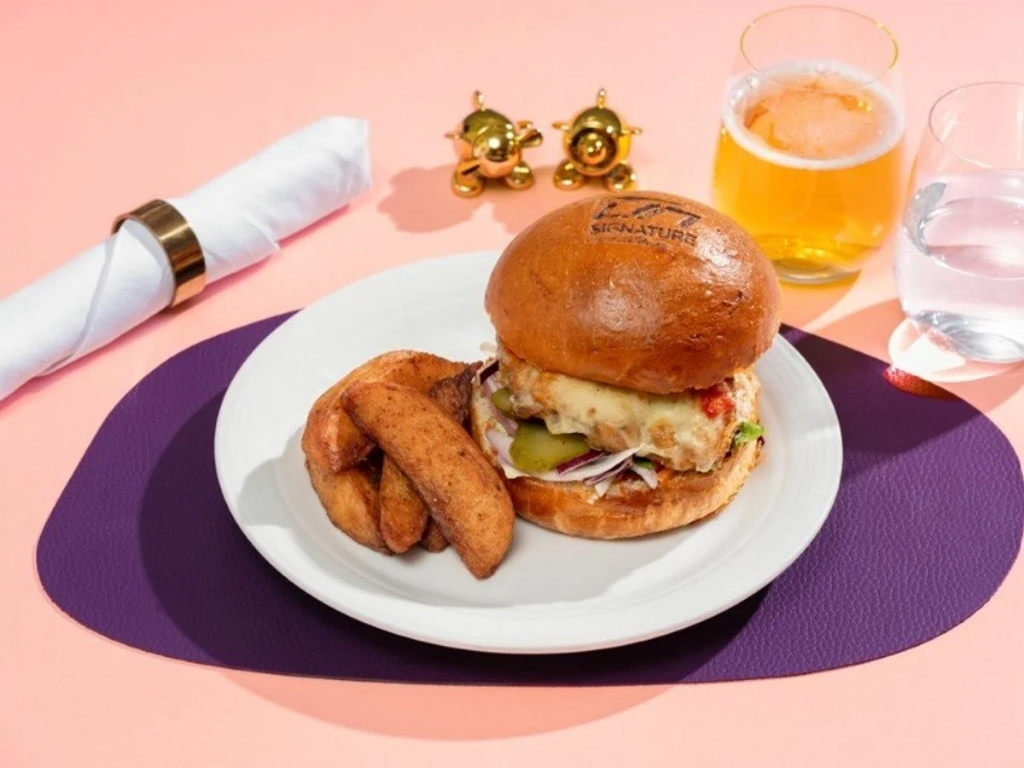
The new Upper Class plates lean into bolder seasoning and premium ingredients. Highlights include truffle and garlic-stuffed chicken with a crisp panko coating and summer greens; chilli and lime roasted salmon with potato gratin; pea tortellini with pistachio and mint pesto cream; and a buttermilk chicken burger on brioche with pickles, sriracha ketchup and Cajun-spiced wedges.

Vegan travellers are equally well looked after — crispy tofu with XO sauce, jasmine rice and pineapple salsa. For dessert, a white chocolate and passion fruit bavarois sits next to the long-requested return of the Sticky Toffee Pudding, served with cream.

Premium

Premium goes comfort-forward without losing the polish: truffle macaroni cheese with wild mushrooms and garlic crumb; dill-roasted salmon with smashed minted peas and crushed parsley potatoes; and a herb chicken mini pie with mash, broccoli and rosemary jus.

Economy

In Economy, the new mains are a chicken with lemon and herb crème fraîche served with potatoes, peas and beans, and a mafaldine pasta in rich tomato sauce with a golden cheese crumb. The mid-flight pizza — a reliable crowd-pleaser — stays on the menu, alongside a refreshed Mile High Tea featuring a new cake arriving later this season.

The kids’ menu has been rebuilt across all cabins for travellers aged 2–12. The new main is breadcrumb-coated chicken with mashed potato, roasted carrots, broccoli and a creamy cheese sauce, served with fresh fruit. Dessert depends on cabin — a mixed berry trifle in Economy, and a new Fab-inspired ice lolly in Premium and Upper Class.

The wine list is where the home-grown focus shows up most clearly. Two English wines from West Sussex headline Upper Class: the NV High Weald Bacchus and Pinot Gris Blend (May to July) brings white peach, elderflower and spring blossom; the 2025 Bolney Estate Bacchus (August to October) follows with elderflower, gooseberry and a lychee finish. Rounding out the list: a California Chardonnay, a zesty Argentine Sauvignon Blanc blend, an organic Provençal rosé and a Bordeaux Merlot blend.

From June, Gravity Theory Cider joins the lineup — a medium-dry sparkling cider made from 100% single-estate British apples. Burnt Faith British Brandy, distilled in Walthamstow, returns. Bacardi Spiced is now available across all cabins. The alcohol-free Mindful Sips range expands with Trip Cherry Lemon and the Pentire Coastal Spritz. And the Twinings range adds the viral ‘Glow’ tea in Upper Class and Premium.
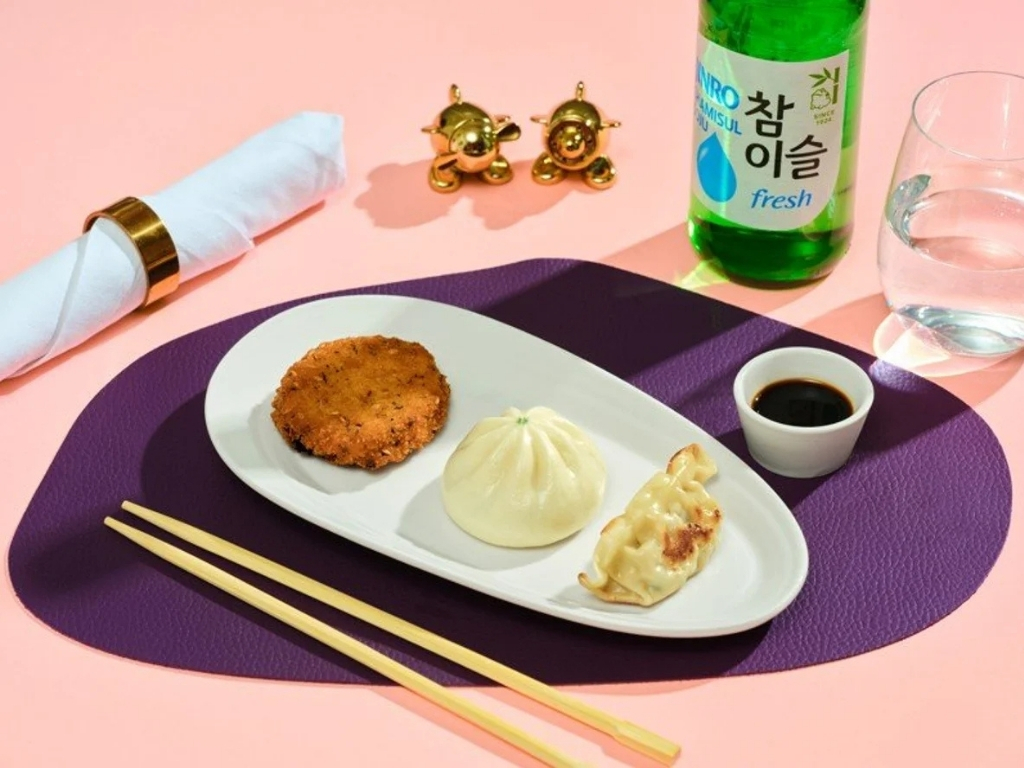
Virgin Atlantic’s new Seoul route gets its own regional menu. Outbound highlights include jjim-spiced seabass in Upper Class and Premium, a Korean barbecue chicken rice bowl with stir-fried Asian greens in Economy, and a mid-flight dumpling and tofu roll snack.

Return flights feature regional entrées including a vegetable bibimbap. The drinks are route-specific too: a Seoul Highball (Aberfeldy whisky, ginger ale, lime) and a Soju Mojito made with Fever-Tree Mojito Mixer, with soju available exclusively in Upper Class. Jasmine green tea is served across all cabins.

The Heathrow Clubhouse: a seasonal spread worth arriving early for

The recently refurbished London Heathrow Clubhouse moves to à la carte service this season, with dishes brought straight to the table. Mains include fragrant chicken makhani; roast bream with spring greens and a champagne lemon sauce; a Thai green chickpea curry; and a sourdough flatbread with mozzarella, prosciutto and sunblushed tomatoes.

For something lighter, there’s a British Cobb salad with roast chicken, avocado and green goddess dressing, plus small plates for grazing — Korean chicken wings, hoisin duck lettuce wraps, prawn tacos, and pea and mint soup. Dessert is split between a strawberry and elderflower pavlova and a rich chocolate mousse.
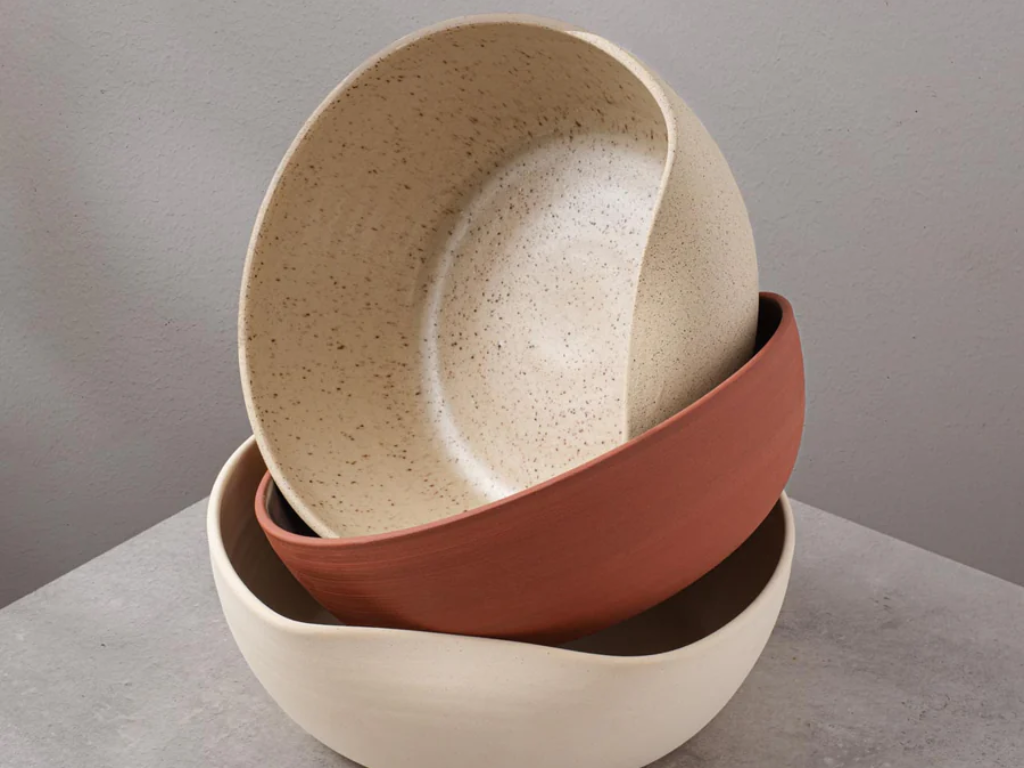
Mother's day gifts DomPierre Ceramic bowls

The Best Canadian-Made Mother’s Day Gifts

Celebrate mom in style with pieces that spark conversation and elevate her table.

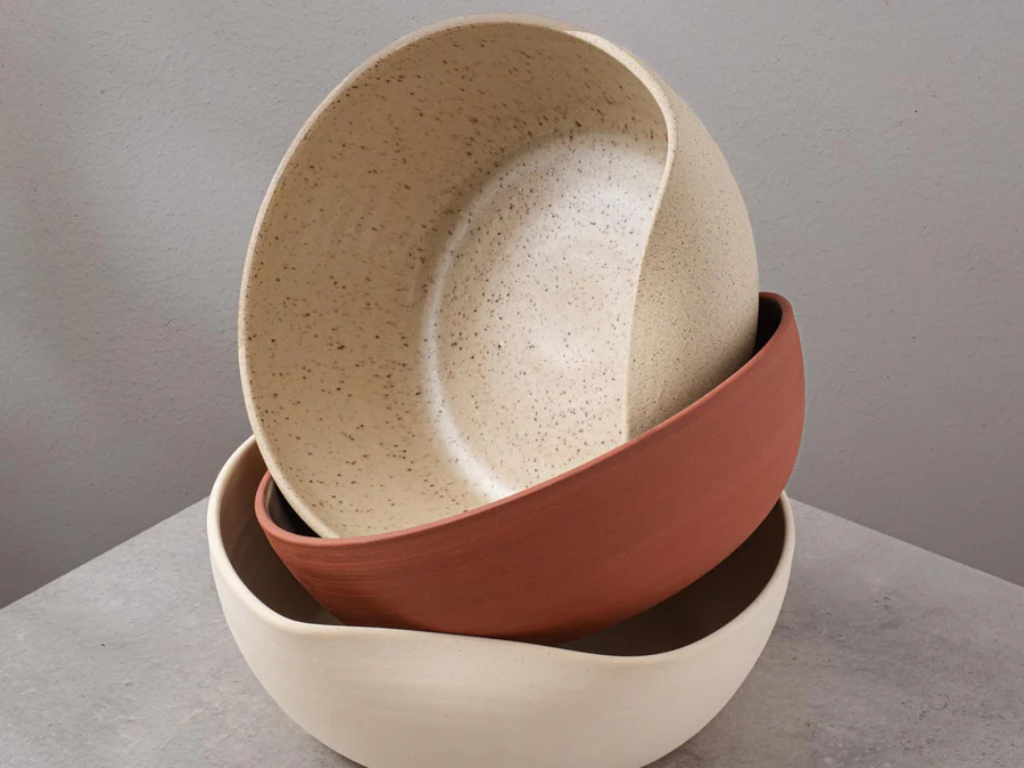
Dompierre Serving Bowl
Monokiini Hand Shaped Mugs

Dompierre Mineral Stoneware Salad Bowl — Montreal, Quebec
With its clean lines and earthy textures, this hand-thrown bowl by ceramicist Marie-Ève Dompierre adds both warmth and elegance to her table spread.
$120 

Monokiini Hand-Shaped Cappuccino Tumblers (Set of 2) — Montreal, Quebec
These playful tumblers, shaped like hands, are made for cradling warm drinks. They bring a cozy, design-forward touch to after-dinner coffee or hot chocolate.
$70

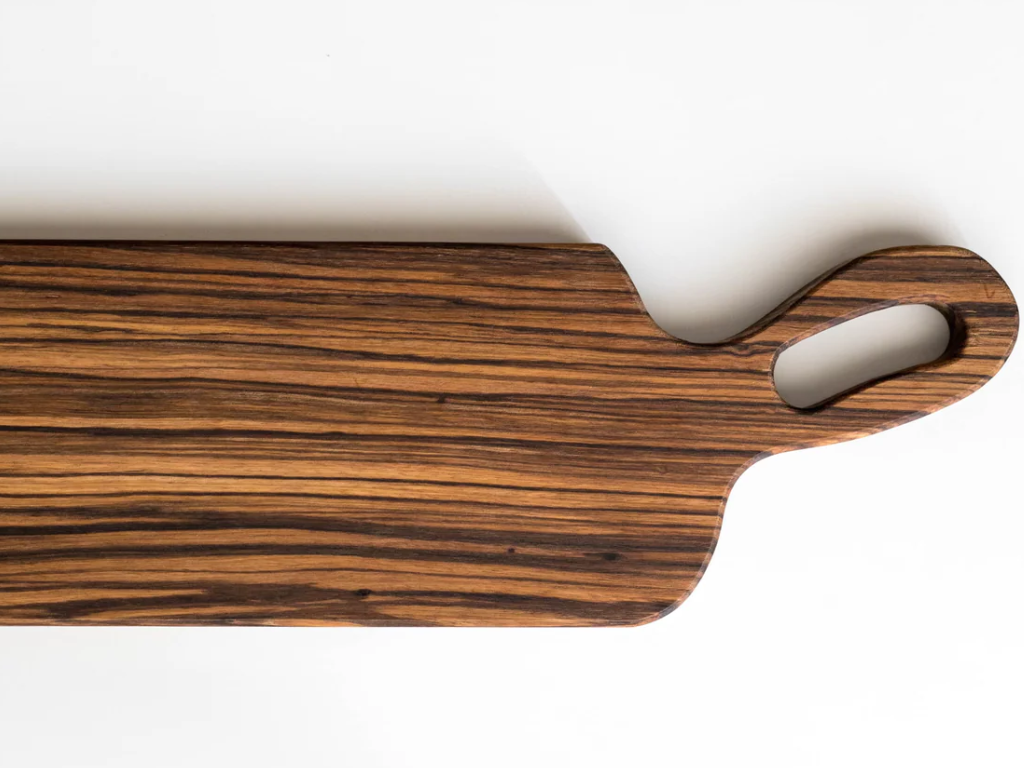
Kuypers Zebrawood Charcuterie Board
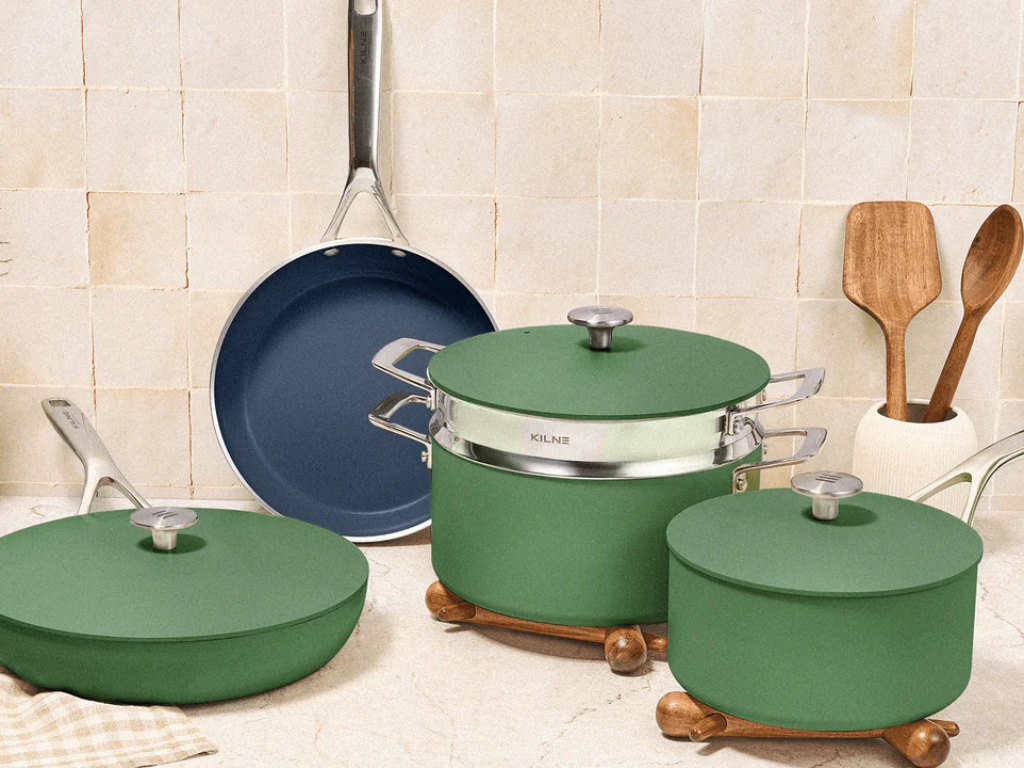
Kilne Cookware Set
Kilne Cookware Set

Kuypers Zebrawood Charcuterie Board — Victoria, British Columbia
Handmade from sustainably sourced wood on Vancouver Island, this board is a striking stage for appetizers. It also makes a timeless gift that will be used all year long.
$109

Kilne Cookware Set — Toronto, Ontario
Beautiful enough to serve at the table, this 10-piece set is designed in Toronto and made in Italy with a non-toxic, non-stick ceramic coating. Oven-safe and induction-ready, it’s built for everything from weeknight meals to holiday feasts.
$555

Mima Ceramics Green Pitcher
Mima Ceramics Pitcher
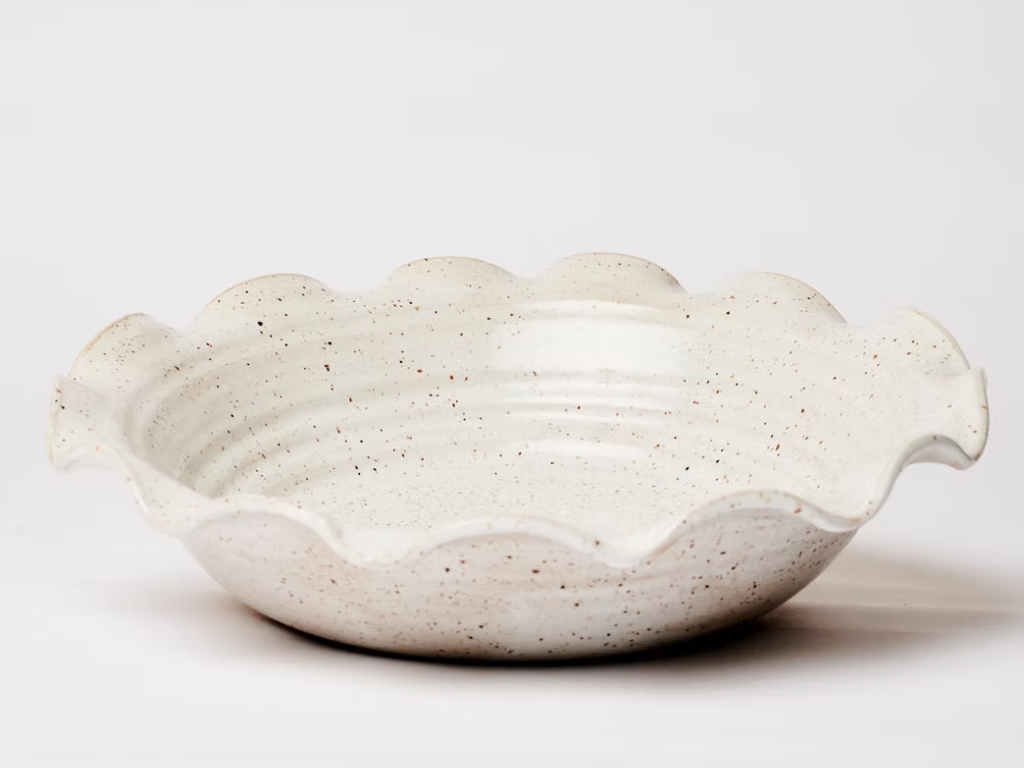
Ye11ow Studios Speckled Pie Plate

Mima Ceramics Bright Green Pitcher — Toronto, Ontario
Bold and joyful, this handmade ceramic pitcher brings personality and colour to any gathering. Functional and decorative in equal measure, it shines whether pouring water, cider, or festive punch.
$220 

Ye11ow Studios Speckled Pie Plate — Picton, Ontario
Handmade in Prince Edward County, this pie plate features a speckled glaze and scalloped edge that make any dessert feel extra special. Playful in form but polished in finish, it’s sure to stand out when dessert is served.
$145

Mother's Day Cocktail Milos Toronto

Recipe: The Goddess-Inspired Spritz Cocktail that Milos Toronto Is Serving This Mother’s Day

Demeter’s Blush is a Greek sparkling rosé spritz inspired by ancient mythology – here’s how to make it at home.

Estiatorio Milos Toronto is celebrating Mother’s Day with an à la carte lunch on Sunday, May 10th, along with an exclusive cocktail feature created just for the occasion.

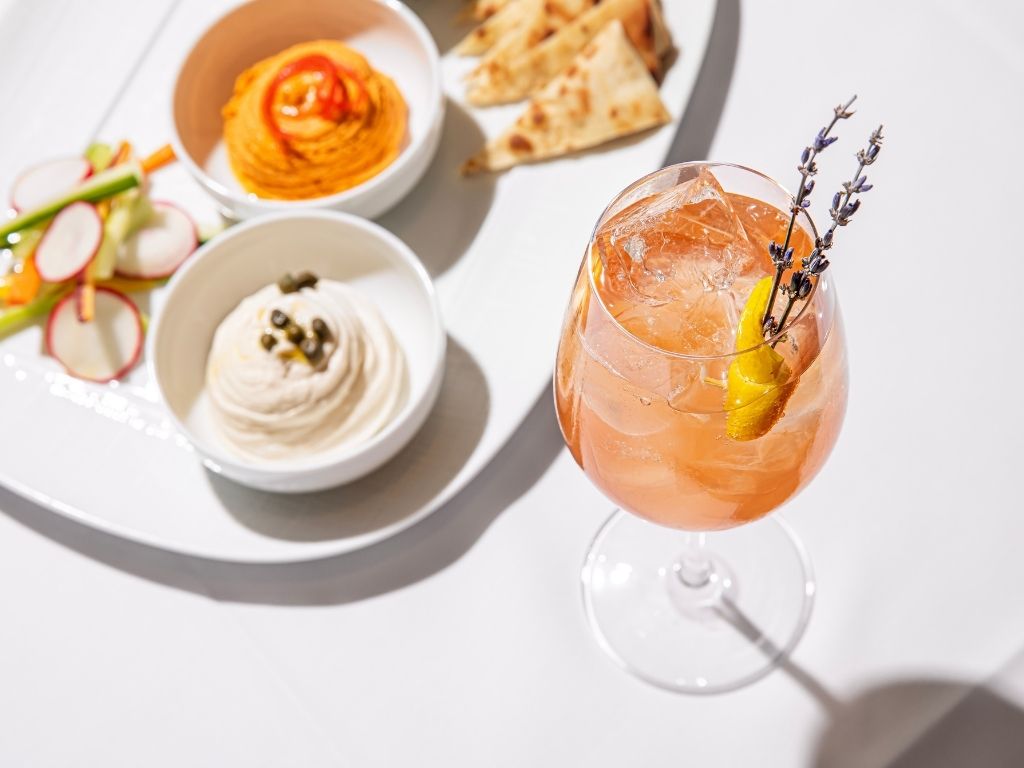
The cocktail is called Demeter’s Blush, and it’s a Spritz made with Otto’s Athens Vermouth, Amalia Brut Rosé and Pink Grapefruit Mastiqua, garnished with a fresh thyme sprig and a lemon twist. The name is a nod to Demeter, the Greek goddess of the harvest – and, in mythology, the devoted mother of Persephone.

Beverage Director Dimitri Zafeiropoulos explains the concept: “The inspiration for our Mother’s Day feature is rooted in the story of Demeter. While she is known as the Greek goddess of the harvest, she is, above all, the devoted mother of Persephone. We crafted this spritz, featuring bright pink botanicals and Greek sparkling rosé, to celebrate the springtime blooms that Demeter brought to the world out of love for her child. It’s a vibrant, refreshing toast to mothers everywhere.”

The restaurant itself is known for its fresh seafood, including whole fish flown in daily and a marketplace-style display modelled on Athens’ Varvakios market, where staff guide guests through the day’s catch. 

If you’d like to make Demeter’s Blush at home, here’s the recipe.

Demeter’s Blush – Mother’s Day Spritz estiatorio Milos Toronto

  • Otto’s Athens Vermouth – 1 oz
  • Amalia Brut Rosé – 2 oz
  • Pink Grapefruit Mastiqua – 2.5 oz
  • Garnish: fresh thyme sprig, lemon twist

Stir gently three times over ice in a burgundy wine glass to integrate, while preserving carbonation.

Reservations for Mother’s Day lunch at estiatorio Milos Toronto are available now. Book here.

Photo: Demeter’s Blush, Mother’s Day Spritz at estiatorio Milos Toronto. Photo courtesy Lizzie Munro.

Oceania Cruises® La Table par Maîtres Cuisiniers de France

The Most Exclusive Dinner at Sea Has 18 Seats and a French Pedigree

Oceania Cruises has partnered with the Maîtres Cuisiniers de France to debut a reservation-only dining experience unlike anything else at sea.

If you’ve ever sat down to a truly exceptional French dinner, the kind where every course feels like a considered decision and the wine is not an afterthought, you’ll understand what Oceania Cruises is going for with La Table par Maîtres Cuisiniers de France.

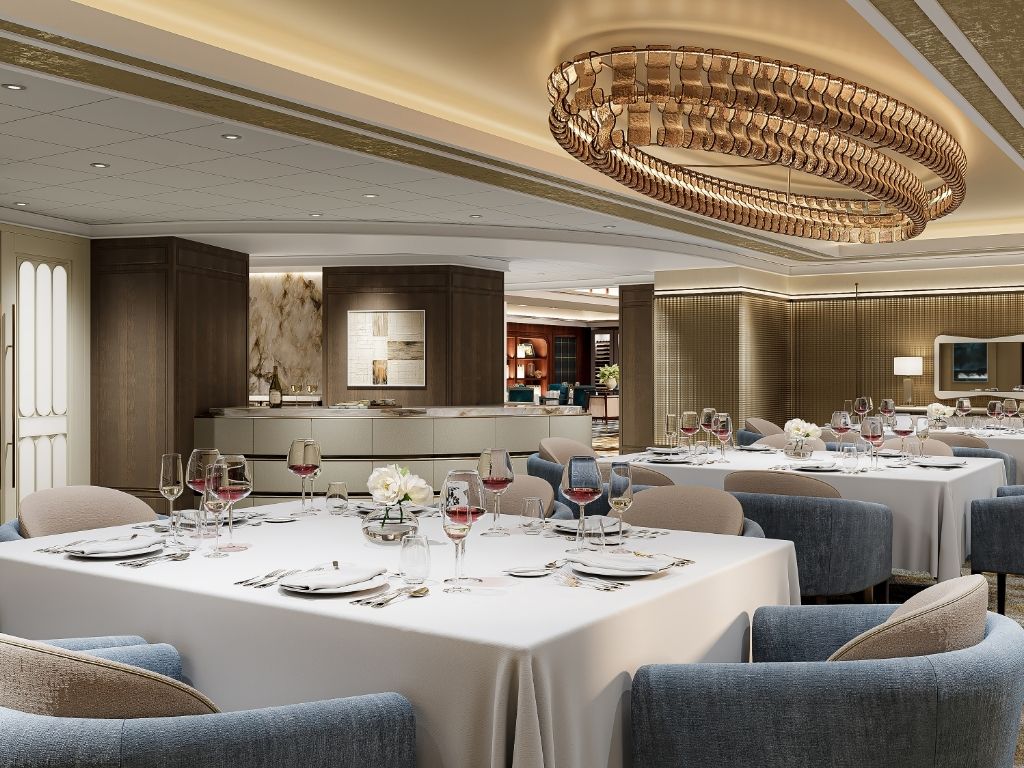
The luxury cruise line has unveiled what it’s calling the most exclusive fine dining venue at sea: an intimate, reservation-only restaurant debuting aboard its next-generation ship, Oceania Sonata, when it launches in 2027. The room seats just 18 guests. Every detail, from the rotating menu to the understated elegance of the space itself, has been crafted in partnership with the Maîtres Cuisiniers de France, an internationally revered institution dedicated to preserving the heritage of French gastronomy. La Table is the first restaurant at sea ever to earn the organisation’s endorsement, a distinction that speaks to just how seriously Oceania takes the food on its ships.

-Oceania Cruises® Introduces the Most Exclusive Fine Dining Restaurant at Sea: La Table par Maîtres Cuisiniers de France
Images courtesy of Oceania Cruises
-Oceania Cruises® Introduces the Most Exclusive Fine Dining Restaurant at Sea: La Table par Maîtres Cuisiniers de France

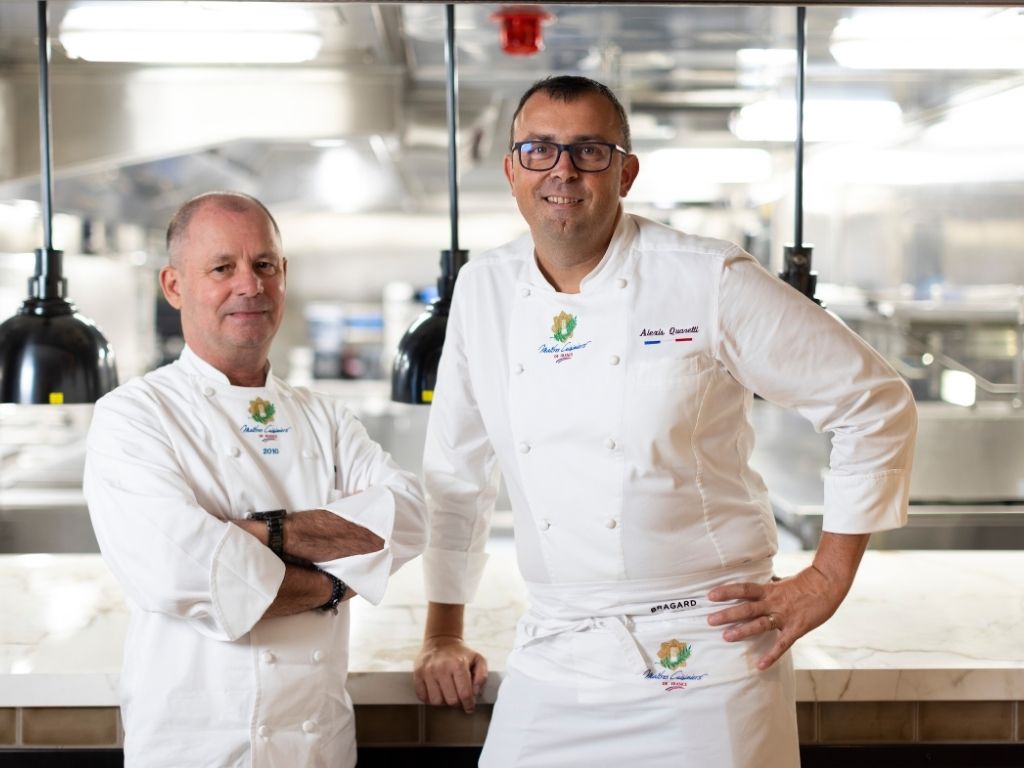
That seriousness has a human side, too. Oceania Cruises is the only cruise line whose culinary programme is led by two Master Chefs of France: Executive Culinary Directors Chef Alexis Quaretti and Chef Eric Barale. The menus they’ve built for La Table read like a greatest-hits of French technique, from delicate Granny Smith apple and langoustine tartlets to escargot-stuffed Dover sole finished with rosace vegetables and a white wine sauce. A spider crab potato roll crowned with Sturia Oscietra caviar rounds out what Quaretti describes as a deeply personal project. “It reflects the values that Chef Barale and I share,” he said, “regard for technique, appreciation of flavour, and an unwavering commitment to excellence.” The menu will rotate continuously, with a changing roster of invited Master Chefs of France contributing new dishes over time.

La Table will also serve as the setting for Oceania’s acclaimed Dom Pérignon Experience, a six-course tasting menu paired with three exceptional Champagne vintages. It’s the kind of evening that warrants its own packing list.

La Table is one of ten culinary venues planned for Oceania Sonata, which will also feature the line’s iconic Grand Dining Room, its refined French restaurant Jacques, pan-Asian Red Ginger, classic steakhouse Polo Grill, Italian favourite Toscana, and the newly introduced Nikkei Kitchen. For a ship that hasn’t launched yet, Sonata’s dining programme is already one of the more exciting things happening in luxury travel.

Oceania Sonata is the first of five Sonata Class ships on order, with deliveries scheduled through 2037. 

Brazilian Feijoada

What Is Brazilian Feijoada?

Brazil’s signature black bean stew is defined by tradition, flavour and the way it brings people together.

Some dishes always feel like they’ve been lovingly made, even when you’re eating out. In Brazil, feijoada is one of them. The slow-simmered black bean stew reflects the country’s history, culture and way of gathering, and it always tastes like a home-cooked meal made just for you.

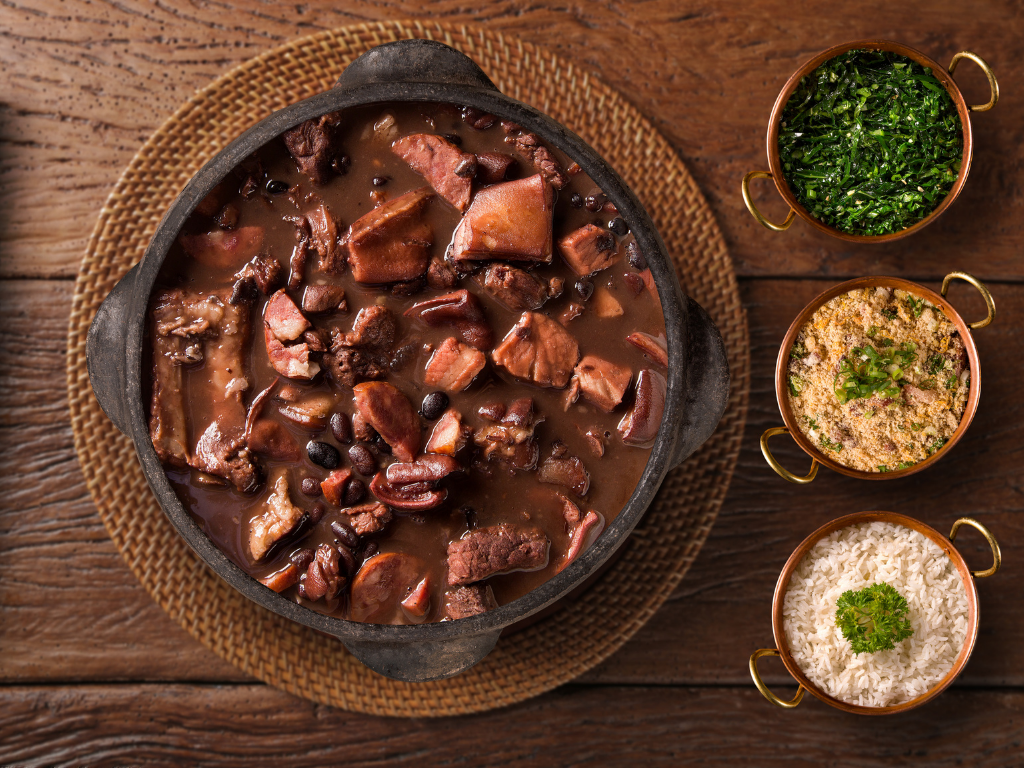
At its simplest, feijoada combines black beans with pork cuts, including sausages and salted or smoked meats. Cooked low and slow with garlic, onion and bay leaf, it develops a deep, savoury richness that defines the dish.

Feijoada reflects Brazil’s layered culinary history.

Often linked to Brazil’s colonial era, feijoada is widely associated with resourceful cooking traditions that made use of available ingredients. Over time, it evolved under the influence of Portuguese stews and African techniques, becoming a staple across the country. Today, it’s less about necessity and more about identity.

A traditional feijoada is defined as much by its accompaniments as by the stew itself.

https://images.squarespace-cdn.com/content/v1/65106e4e43a61934a4ebb67f/1714727026579-P8ZBFBFRL8QNSRVUEPQU/2.jpg
 
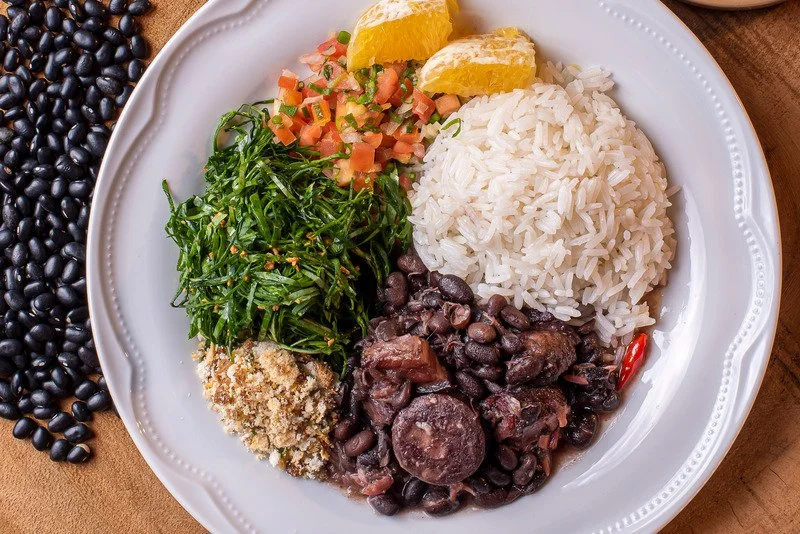
Feijoada is always served with accoutrements, with each element balancing the richness of the stew
  • White rice
  • Couve (garlic-sautéed collard greens or kale)
  • Farofa (toasted cassava flour)
  • Orange slices for brightness and to help with digestion

Traditionally served on Wednesdays and Saturdays, feijoada is meant to be shared. Meals stretch over hours, often accompanied by music and conversation, particularly in cities like Rio de Janeiro and São Paulo. It’s as much about the setting as the food itself.

The best place to try feijoada depends on the experience you’re after.

Across Brazil, feijoada adapts to its surroundings:

  • In Rio de Janeiro, you can find it on almost every menu. The Copacabana Palace has a very reasonably priced lunchtime feijoada experience, and it doubles as an experience to visit the historic property without a booking. In Santa Teresa, try Bar do Mineiro or the pretty courtyard at Armazém São Joaquim.
  • In São Paulo, it ranges from traditional to refined
  • In Minas Gerais, it leans rustic and deeply regional

What began as a humble, slow-cooked stew is now one of Brazil’s most recognizable culinary expressions.

For travellers, it offers something simple but meaningful: a direct connection to place, through the table. And a filling meal to refuel after a day of exploration.

The Best All-Inclusive Resorts for Food Lovers

All-inclusive beach resorts have levelled up — and their culinary programs are stealing the spotlight.

Beach vacations and good food haven’t always gone hand in hand (we’re looking at you, 24/7 buffet). But that’s changing: a new wave of luxury all-inclusive resorts is investing in culinary talent, regionally rooted menus and elevated dining experiences that rival the best urban restaurants.


UNICO 20°87° Hotel Riviera Maya, Mexico

UNICO 20°87° has redefined what “all-inclusive” can mean by putting culinary creativity front and centre. The resort’s Chef-in-Residence program invites Mexico’s top chefs to take complete control of Cueva Siete, its flagship restaurant. The latest resident, Gerardo Vázquez Lugo — celebrated for his mastery of traditional Mexican cuisine — brings a deeply regional Yucatecan menu that highlights local ingredients like jicama, plantain, purslane and achiote. This is destination dining inside an all-inclusive resort, and it’s one of the most ambitious food programs in the Caribbean.

Cocina de Autor Los Cabos

Grand Velas Los Cabos, Baja California Sur, Mexico

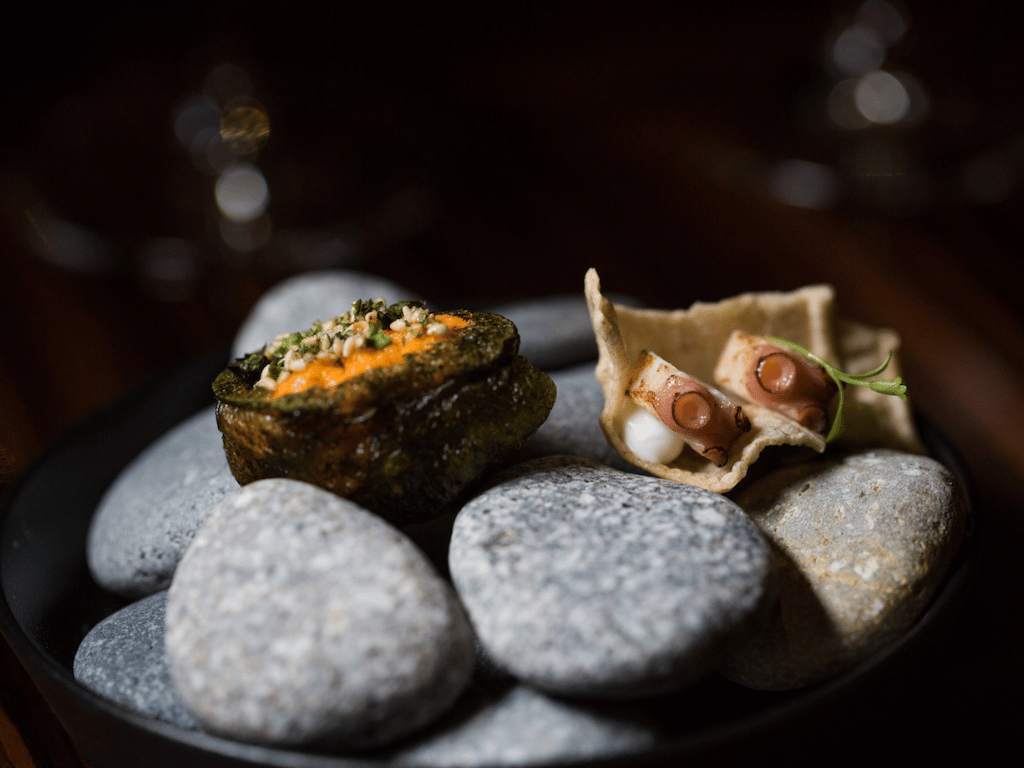
Grand Velas has long been the gold standard for luxury all-inclusive dining, and Los Cabos is its crown jewel. Here, guests can experience Cocina de Autor, one of the world’s only Michelin-starred restaurants located within an all-inclusive resort. The tasting menu is a sophisticated, technique-driven journey through Baja flavours, complemented by a global wine list that spotlights Mexican vintners. Across the property’s seven restaurants — from French fine dining to addictive beachfront ceviches — the culinary bar is set impressively high.

Spice Island Beach Resort, Grenada

This family-owned Relais & Châteaux property on Grand Anse Beach champions “elevated Caribbean cuisine” long before it became a trend. At Oliver’s, guests enjoy dishes highlighting local catch, island spices and fresh herbs grown onsite. The fine-dining atmosphere doesn’t feel the least bit stuffy — just warm, polished and deeply rooted in Grenadian hospitality. The fact that it’s all-inclusive only sweetens the experience.

Minitas at Casa de Campo

Casa de Campo Resort & Villas, Dominican Republic

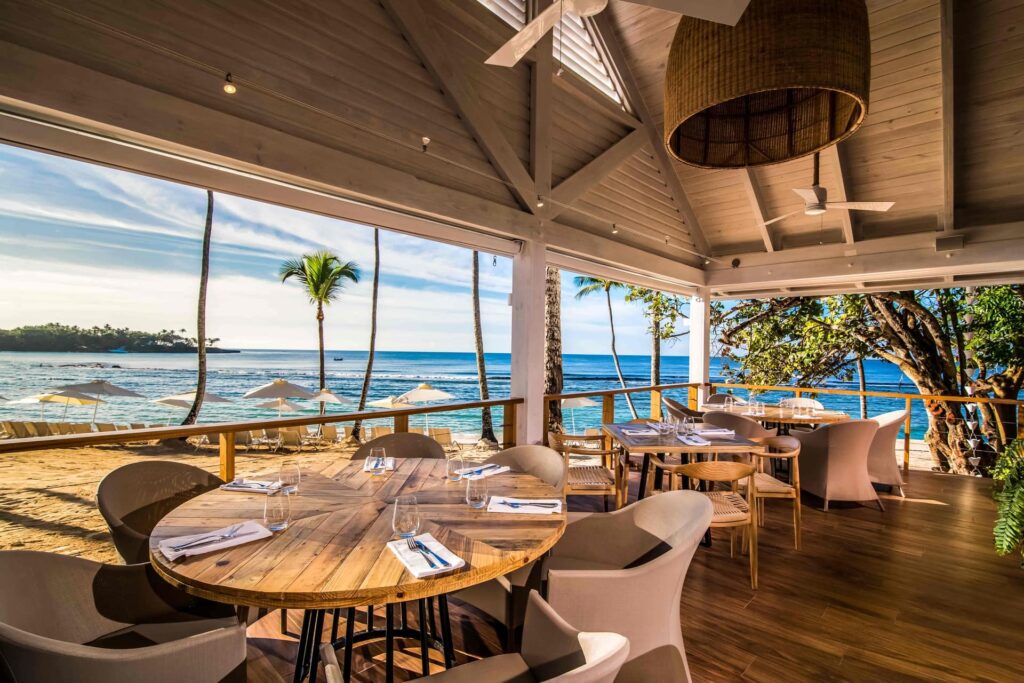
Casa de Campo feels like a culinary destination unto itself. With a collection of eight restaurants plus bars and food trucks, the resort offers impressive variety without compromising quality. La Caña serves refined Mediterranean-Dominican dishes, while Chilango Taqueria, La Piazzetta and the stylish Minitas Beach Club deliver everything from handmade pasta to wood-fired seafood. For travellers craving breadth and flavour in equal measure, this is one of the Caribbean’s richest gastronomic playgrounds.

TRS Ibiza Hotel, Spain

On the sunset coast of Ibiza, TRS brings a chic, adults-only twist to all-inclusive dining. Highlights include El Gaucho for premium cuts of grilled meat, Helios for Mediterranean plates overlooking the water and Gravity, a rooftop bar known for sushi, cocktails and nightly DJ sets. The food scene borrows from Ibiza’s upscale beach-club culture — stylish, flavourful and meant to be lingered over.

The Cliff at Cap

Cap Maison, St. Lucia

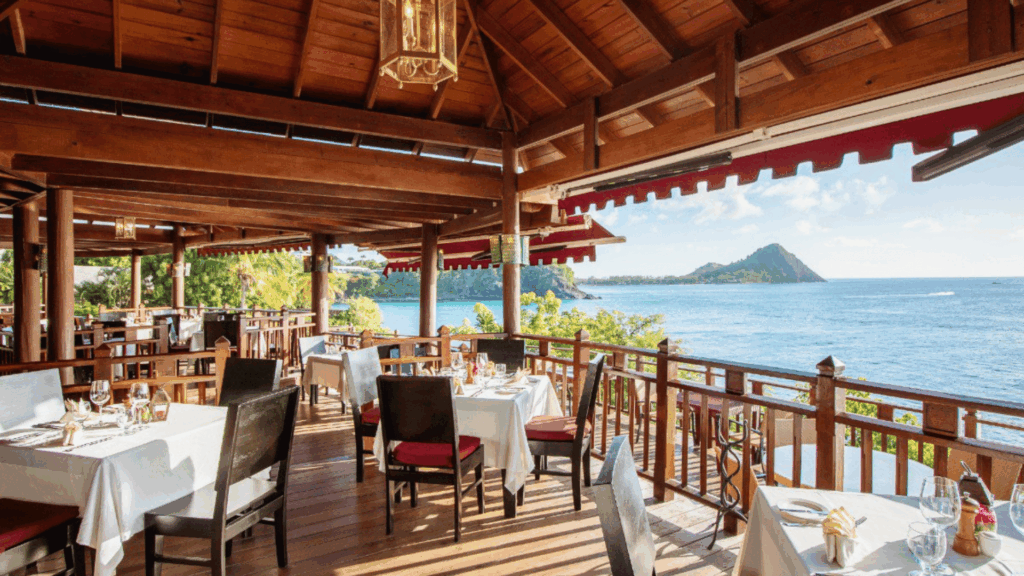
Cap Maison’s cliffside setting is stunning, but its culinary reputation is what sets it apart. The Cliff at Cap is widely regarded as one of St. Lucia’s top restaurants, known for French-Caribbean dishes crafted with local produce and fresh-caught seafood. The resort’s Cap It All all-inclusive option covers à la carte dining and a generous selection of wines and beverages, making it ideal for travellers who want boutique-hotel cuisine alongside resort convenience.

Secrets Papagayo, Costa Rica

Set on the Papagayo Peninsula, this adults-only Hyatt Inclusive Collection resort embraces fresh, tropical flavours. À la carte dining spans wood-fired Italian at Portofino, Pan-Asian favourites at Himitsu and grilled specialties at Seaside Grill. Aqua, the resort’s light and health-minded restaurant, offers fresh dishes that still feel indulgent. With national parks and Costa Rica’s wildlife-rich coastline nearby, it pairs thoughtful dining with effortless beach relaxation.

The Lobster House

Excellence Oyster Bay, Jamaica

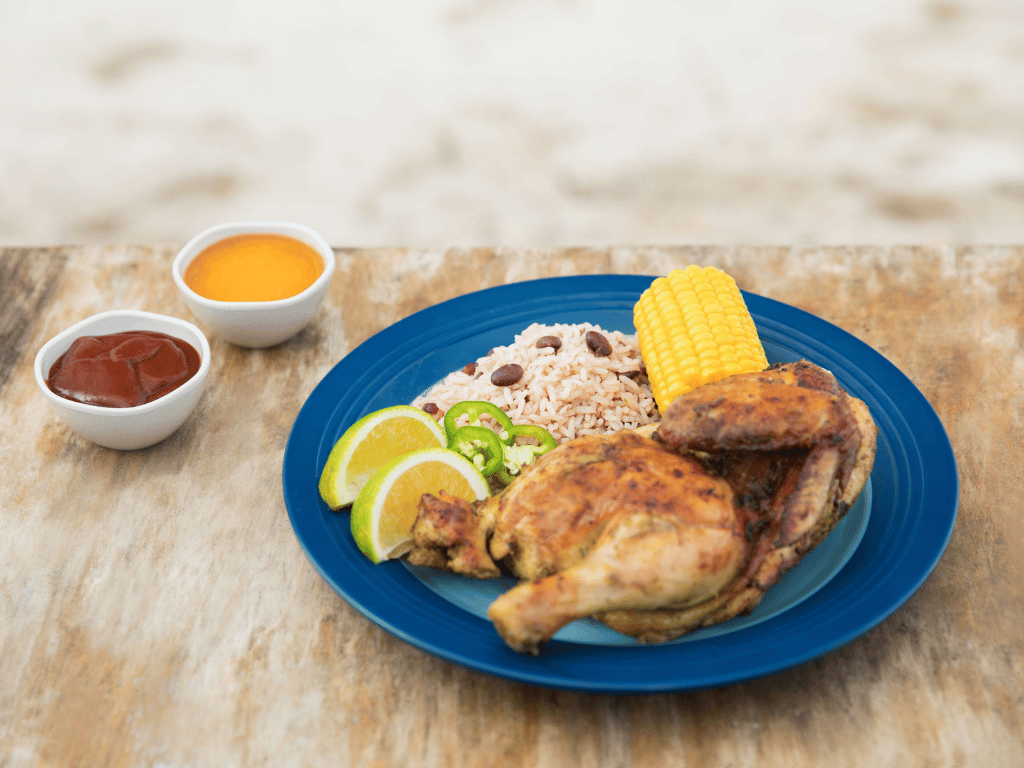
Perched on its own private peninsula near Falmouth, Excellence Oyster Bay layers Jamaican influences into its wide-ranging dining program. The resort’s romantic French restaurant, Chez Isabelle, is a guest favourite, while The Lobster House serves beach-casual seafood with ocean views. Expect jerk-spiced dishes, tropical cocktails and a mix of gourmet and toes-in-the-sand experiences. Food lovers who want both abundance and quality will be more than satisfied here.

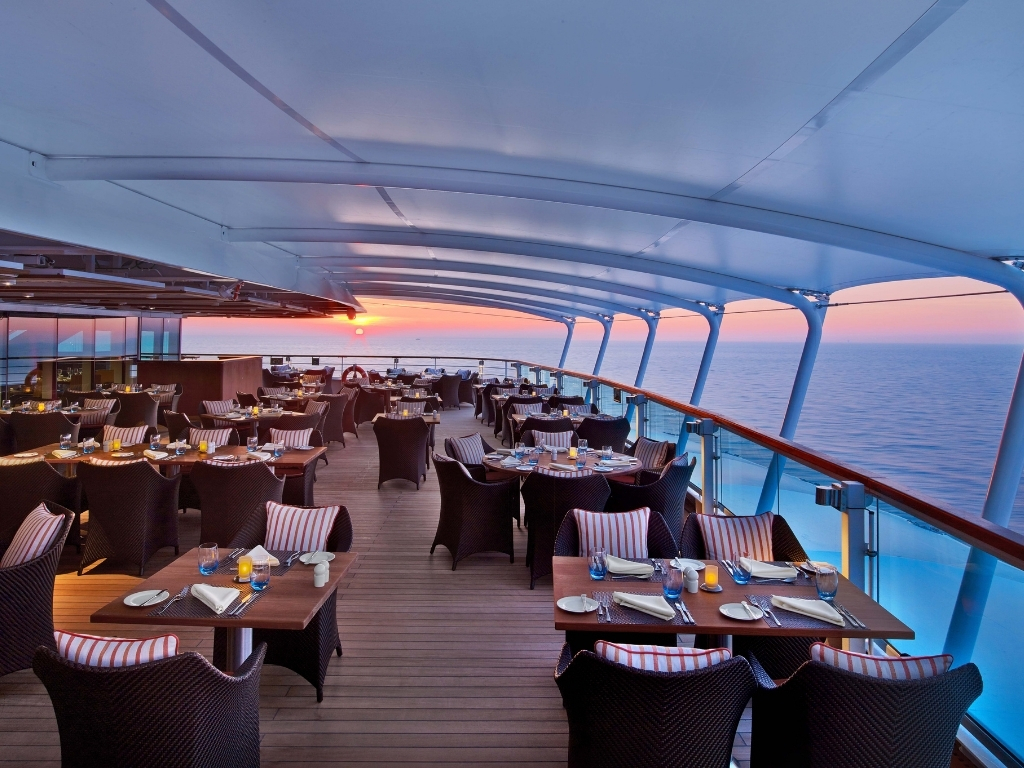
Seabourn Luxury Cruises Dining Room

Seabourn Refreshes Its Culinary Experience Across the Fleet

The luxury cruise line is rolling out refreshed menus, live cooking stations and a more relaxed café culture across its fleet.

On a Seabourn cruise, the day often begins with coffee in hand, ocean unfurling beyond the windows, plans forming for the next port. It’s a ritual regular guests know well. Now, the ultra-luxury cruise line is refining that experience with a fleetwide refresh of its culinary program.

The updates centre on two of the ship’s most frequented daytime venues: Seabourn Square and The Colonnade. The changes are being introduced in phases across the fleet and are expected to be complete by mid-2026, marking the next step in Seabourn’s ongoing investment in destination-driven dining at sea.

A European café at sea

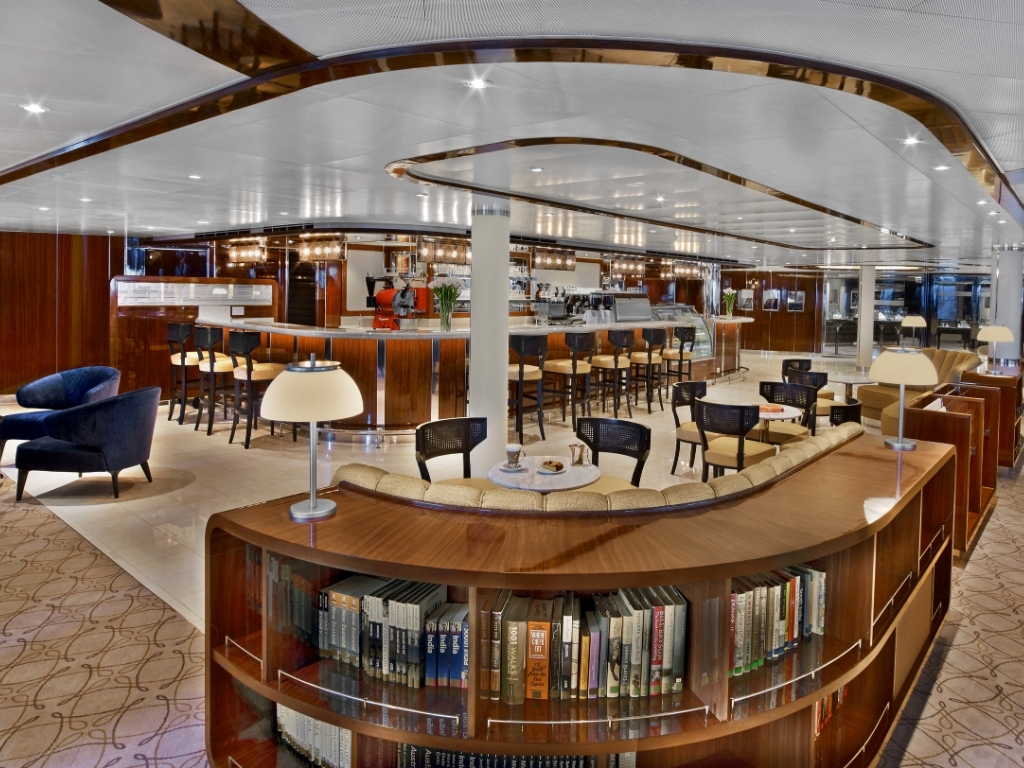
Often described as the social heart of the ship, Seabourn Square has long functioned as an all-day gathering space – part café, part lounge, part concierge hub. Now, it feels even more like a sophisticated European café transplanted onto the open ocean.

Seabourn Cruises European Cafe

The refreshed menu expands beyond the beloved pastries and light bites guests already know. In the morning, breakfast sandwiches and savoury quiche join the lineup. Later in the day, Roman-style pizza and toasted classics such as Monte Cristo and Croque Monsieur add a more substantial option for those returning from shore excursions or skipping the formal dining room.

Coffee remains central to the experience. Beans are freshly roasted on board, and guests can pre-order their favourite drinks through the Seabourn Source app for seamless pickup. Presentation has been elevated as well, reinforcing the café atmosphere rather than a simple grab-and-go counter.

And then there’s the gelato: handmade, artisanal and crafted by chefs trained at Italy’s renowned Gelato University. It’s a small but telling detail – indulgent without being ostentatious, and perfectly in step with Seabourn’s quietly polished aesthetic.

Operationally, Seabourn Square now runs with two distinct service periods: a full breakfast menu in the early morning, followed by an all-day offering that carries guests through the afternoon. The flexibility feels deliberate. On a ship where itineraries stretch across continents, not every day follows a neat dining schedule.

The Colonnade, reimagined

If Seabourn Square captures a relaxed café culture, The Colonnade has traditionally been the ship’s airy, buffet-style dining venue. With the refresh, it leans more decisively into a chef-driven, interactive format.

Breakfast and lunch menus have been fully reimagined around freshness, seasonality and regional influence. Multiple live cooking stations now take centre stage, offering made-to-order omelets, carving options, a daily fresh-fish station, fresh-pressed juices and rotating regional specialties inspired by the destinations on the itinerary.

On select ships, including Seabourn Encore and Seabourn Ovation, additional bistro-style seating adds intimacy to the space, softening the feel of a traditional cruise buffet. The revitalized Colonnade experience is already complete across the fleet.

Seabourn cruises chef seasonal ingredients
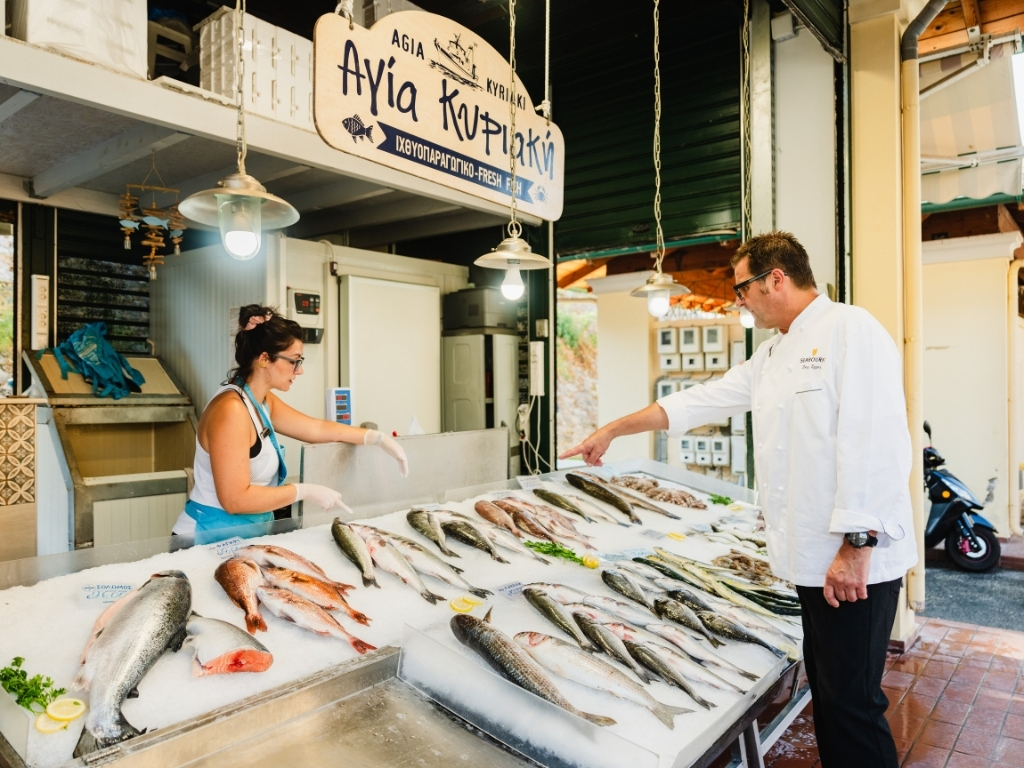
Chefs shop for local, seasonal produce

These updates build on Seabourn’s longstanding culinary philosophy: fresh ingredients, global inspiration and an approach that connects dining to destination. Chefs draw from the traditions and flavours of the regions the ships visit, incorporating locally sourced ingredients whenever possible.

Across venues – from The Restaurant and Sushi to Solis, The Patio, The Colonnade and now the enhanced Seabourn Square – the all-inclusive model remains intact. Guests can dine where, when and with whom they wish, without additional charges for specialty venues.

In an industry where cruise lines increasingly compete on splashy dining partnerships and celebrity-chef theatrics, Seabourn’s evolution feels more restrained. The emphasis is on craftsmanship, comfort and refinement – elevating everyday rituals rather than reinventing them entirely.

Minor Hotels Italy UNESCO food heritage restaurants

Italy’s UNESCO Food Heritage Comes to the Table at These Standout Hotel Restaurants

From Venice’s lagoon to the cliffs of the Amalfi Coast, Minor Hotels is spotlighting Italian cuisine as living cultural heritage.

Italian cuisine has officially been recognized by UNESCO as an Intangible Cultural Heritage of Humanity – a designation that affirms what travelers have always known. In Italy, food isn’t just sustenance. It’s history, ritual, geography, and family memory, shaped by regional ingredients and centuries of tradition.

Across Italy, Minor Hotels is marking the moment by spotlighting six restaurants that interpret this heritage through a contemporary lens. The result is a north-to-south tasting trail through Venice, Florence, Rome, and the Amalfi Coast – each stop offering a distinct expression of what makes Italian cuisine so enduring.

Here’s where to book your table.

Venice: Fine Dining in a 17th-Century Palace

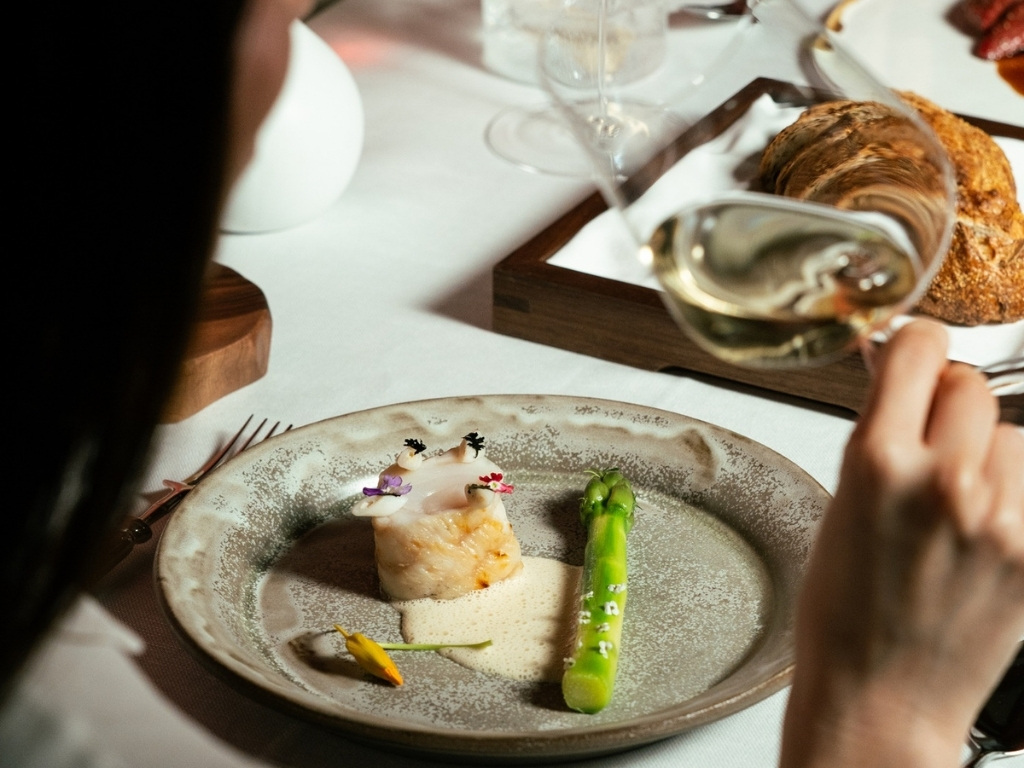
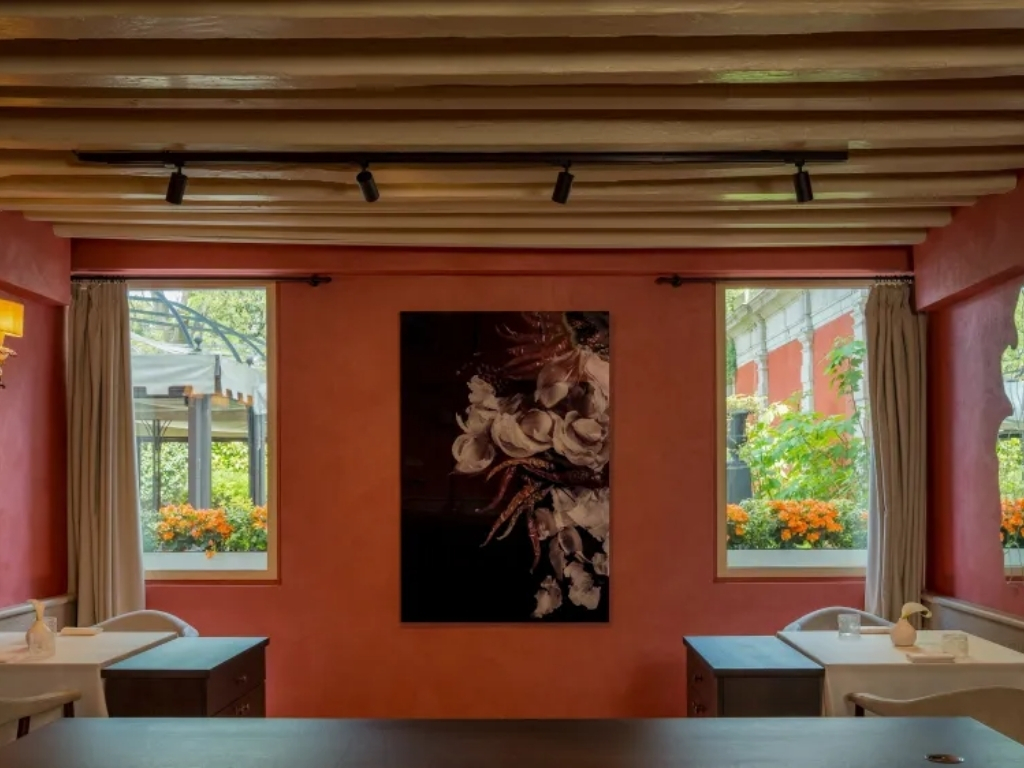
In Venice, where culinary tradition moves to the quiet rhythm of the lagoon, Da Lorenzo – Al Giardino Segreto offers an intimate counterpoint to the city’s tourist bustle. Tucked inside the NH Collection Venezia Grand Hotel Palazzo dei Dogi, the restaurant overlooks one of Venice’s oldest private gardens, a serene backdrop that feels almost cinematic.

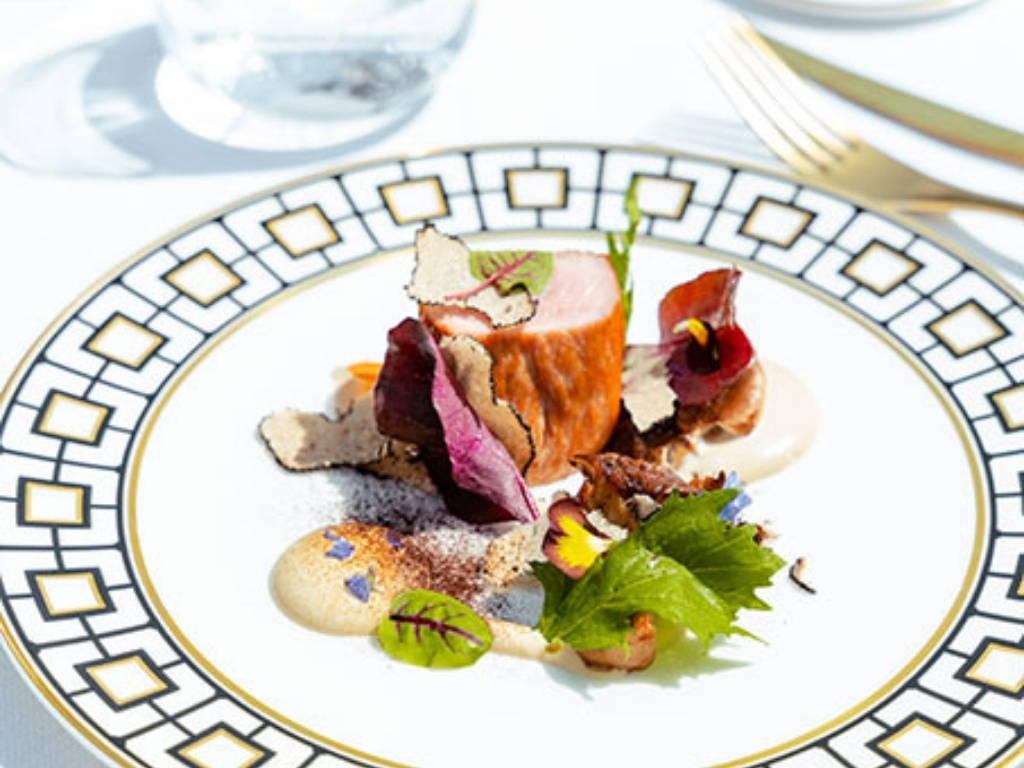
Da Lorenzo Restaurant Venice
Da Lorenzo
Da Lorenzo Restaurant Venice
Da Lorenzo

Michelin-starred chef Paulo Airaudo brings a modern sensibility to Venetian classics, presenting tasting menus that reinterpret local traditions with precision and creativity. Seasonality anchors the experience, while subtle international influences keep the cuisine forward-looking. It’s refined, restrained, and deeply rooted in place.

Florence: Pasta as Philosophy

Florence’s Terrae Restaurant, housed within Tivoli Palazzo Gaddi Firenze Hotel, channels Tuscany’s culinary identity through craftsmanship and seasonality. Led by Michelin-starred Chef Patron Iside De Cesare alongside Resident Chef Salvatore Canargiu, the kitchen treats fresh pasta as both art form and cultural thread.

Signature dishes such as cartellata with rabbit and preserved peppers, handmade ravioli scented with garlic, extra virgin olive oil and chili, and traditional fish soup showcase an approach grounded in local ingredients. The menu evolves monthly, reflecting the rhythms of the region and reinforcing Tuscany’s enduring connection between land and table.

Rome: Contemporary Cuisine with Global Nuance

In Rome’s Piazza della Repubblica, INEO Restaurant at Anantara Palazzo Naiadi offers a more contemporary interpretation of Italian haute cuisine. Awarded one Michelin star, the 22-seat dining room feels intimate and intentional.

Executive Chef Heros De Agostinis describes his philosophy as a “creative métissage” – a dialogue between Italian tradition and global influences shaped by his international career. The result is thoughtful, technique-driven cuisine delivered through tasting menus and à la carte options. Even the bread program is elevated here, turning a staple of Italian dining into a focal point of craft.

Oro Bistrot in Rome, Italy
Oro Bistrot
Oro Bistrot in Rome, Italy
Oro Bistrot

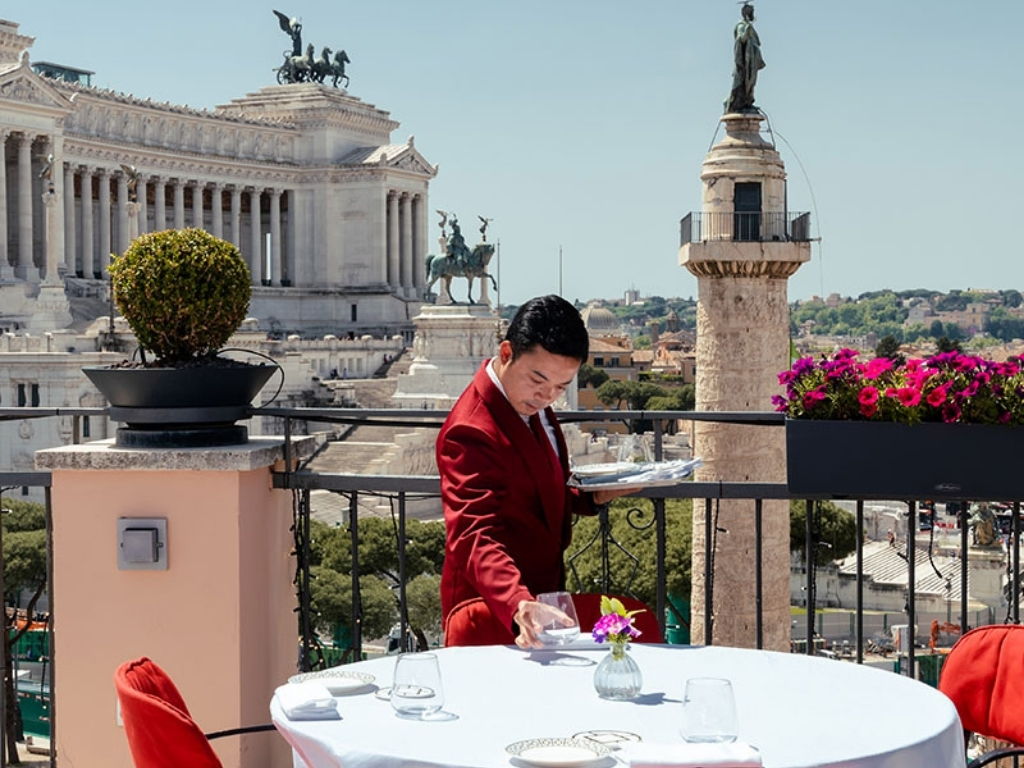
For a different Roman perspective, Oro Bistrot at NH Collection Roma Fori Imperiali pairs elevated Italian cooking with sweeping rooftop views of the Monumento a Vittorio Emanuele II and the Roman Forum. Sicilian chef Natale Giunta reinterprets classic flavors with a contemporary edge, spotlighting premium seasonal ingredients in a setting that feels both glamorous and distinctly Roman.

Meanwhile, in the Prati district, Antéla Restaurant at NH Collection Roma Centro offers a more urban garden escape. Also led by Giunta, the menu ranges from refined raw seafood to inventive dishes such as spaghetti with coconut milk and olive crumble. A carefully curated wine list balances iconic labels with independent producers, while a cocktail program inspired by Latin maxims adds a narrative twist to the evening.

Amalfi Coast: Cliffside Elegance

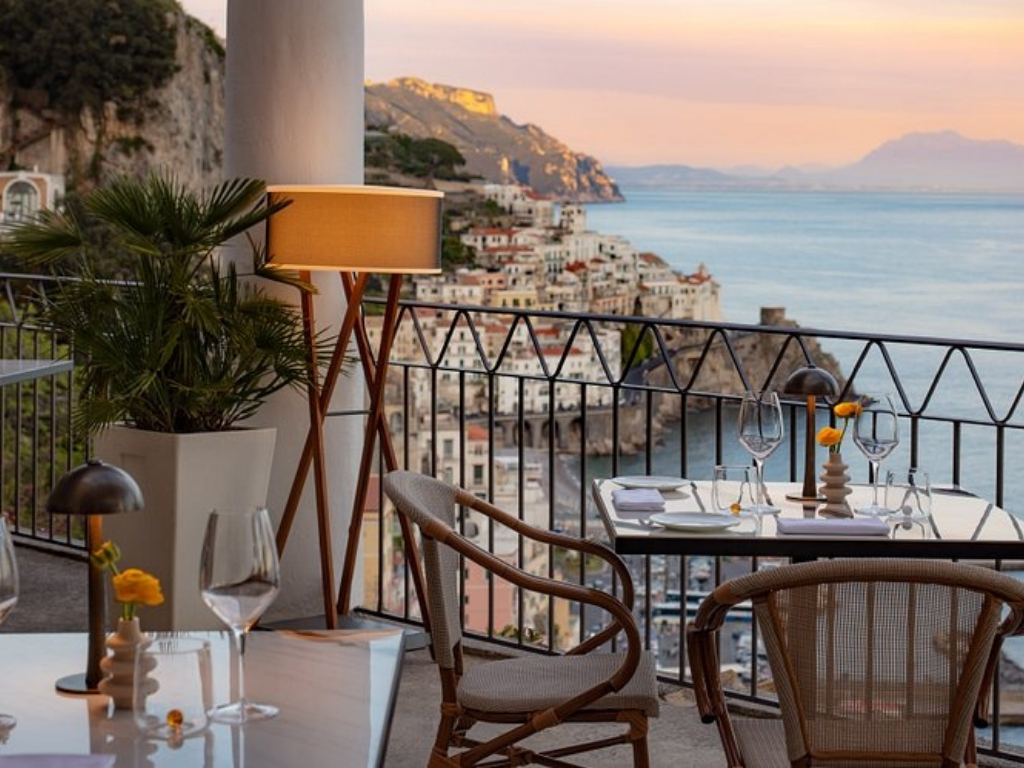
The journey culminates along the Amalfi Coast at Dei Cappuccini, located within Anantara Convento di Amalfi Grand Hotel. Set inside a restored 13th-century Capuchin convent suspended between sky and sea, the restaurant blends monastic heritage with contemporary elegance.

Here, traditional Amalfitan recipes are reimagined with modern finesse, showcasing the finest local ingredients against sweeping views of the Tyrrhenian Sea. Sunset aperitivi give way to intimate dinners framed by cliffside panoramas – a setting that amplifies the emotional pull of southern Italian cuisine.

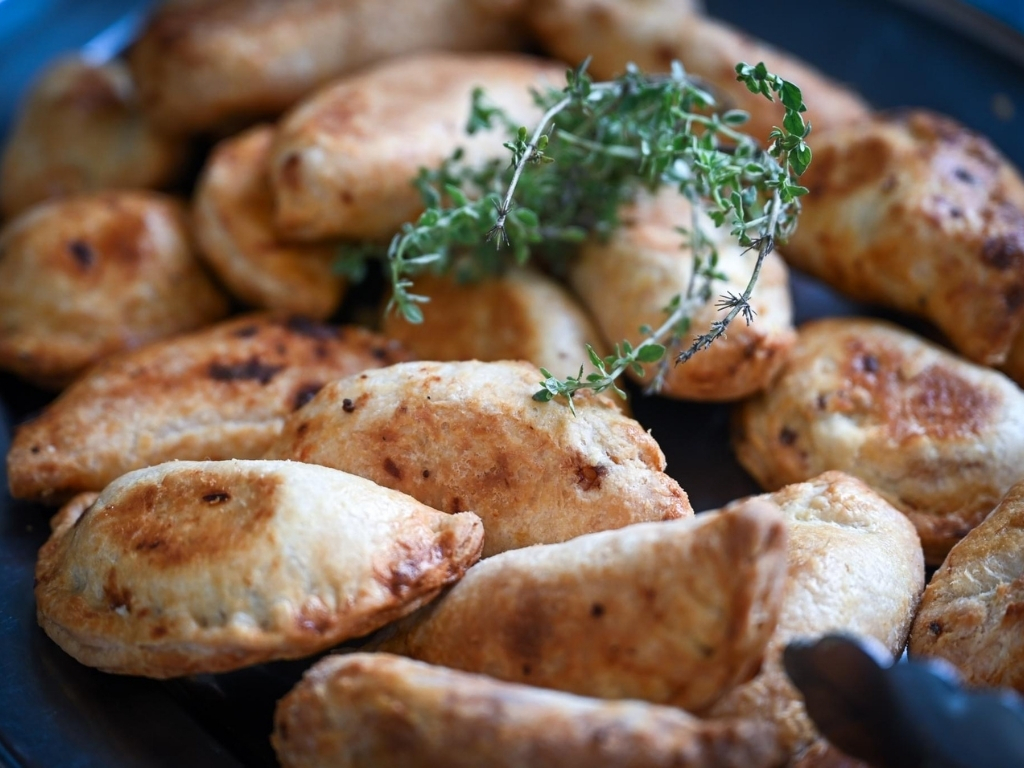
White fish empanadas recipe

Recipe: Whitefish Empanadas With Charred Tomato Salsa

These whitefish empanadas, courtesy of award-winning Indigenous chef Stephanie Baryluk, transform humble ingredients into something deeply satisfying. Baked until golden and served with a smoky charred tomato salsa, they’re ideal as a shared appetizer or relaxed dinner.

Empanada dough

2 ½ cups all-purpose flour

½ tsp. salt

1 stick of butter chilled and cut into small pieces

2 eggs divided, one egg to seal the empanadas

¼ cup ice cold water

Empanada filling

  • 1.5 cups russet potato, peeled and diced
  • 2 tbsp. garlic, minced
  • ½ cup yellow onion, diced 
  • ½ cup green onion, sliced
  • 2 cups cooked whitefish 
  • 1 tbsp. Old Bay seasoning
  • 1 tbsp. lemon juice
  • 2 tbsp. mayonnaise
  • Salt and pepper to taste


Method

Preheat oven to 350°F. Season whitefish with salt and pepper and bake for 15-20 minutes, or until thoroughly cooked. Set aside and let cool. In a medium pan, sauté onions, garlic and potatoes over medium heat until soft. Season with salt, pepper, lemon juice and Old Bay. In a large mixing bowl combine cooked fish, potato mixture, green onions, and mayonnaise and set aside to chill.

In a food processor, mix flour and salt. Add butter, egg and cold water to the flour mixture. Pulse until mixture resembles coarse crumbs. Shape the dough into a ball and wrap dough with plastic. Chill for 30 minutes to one hour. Remove dough from the fridge and on a lightly floured surface, roll dough into a thin sheet and cut discs using a large biscuit cutter. Place approximately one tbsp. of filling into each empanada. Fold the empanada discs and seal the edges with a fork or your fingers. In a separate bowl, beat one egg and brush the top of the empanadas with beaten egg to help seal. Preheat oven to 400°F and bake for 12-15 minutes or until golden. Serve with charred tomato salsa.

Charred tomato salsa

  • 1 tsp. olive oil
  • 6 medium tomatoes
  • 1 jalapeno pepper
  • 4 garlic cloves
  • 1 red onion
  • 1 cup green onions, chopped
  • ¼ cup lime juice 
  • salt and pepper to taste
  • 1 cup green onions
  • Salt and pepper to taste


Method

Pre-heat oven to 425°F. Place all vegetables on a baking sheet and drizzle with olive oil. Roast for approximately 20-25 minutes, or until charred. Set aside vegetables in a bowl and allow to cool. Peel off and discard charred skins, as well as all seeds from the jalapenos. Cut tomatoes into quarters. Add all ingredients into a food processor and blend to desired chunkiness.

Joni park hyatt toronto global chef series

Park Hyatt Toronto’s Global Chef Series Brings the World to Yorkville

A new Global Chef Series at Joni pairs international culinary stars with the hotel’s executive chef for a year of limited-run, cross-continental dining experiences.

Toronto’s dining scene is no stranger to big names, but this year Park Hyatt Toronto is thinking globally. The hotel has unveiled a 2026 Global Chef Series at Joni, its signature restaurant, bringing internationally acclaimed chefs to Yorkville for a string of tightly curated, two-night residencies.

The idea is refreshingly straightforward: invite boundary-pushing chefs from around the world to cook alongside executive chef Jonathan Williams, creating immersive multi-course tasting menus that reflect each guest’s culinary roots. It’s culinary travel distilled into a single evening.

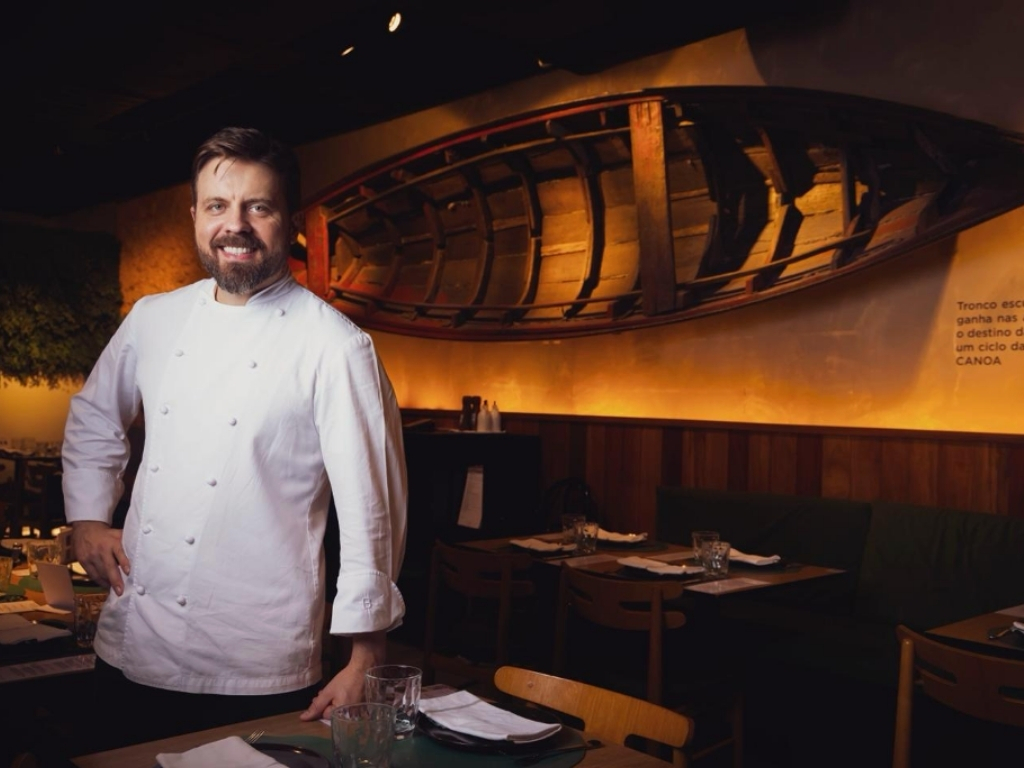
The series launches March 6 and 7 with Felipe Schaedler, the São Paulo–based chef behind Banzeiro. Schaedler is known for cooking that celebrates Brazil’s biodiversity, drawing on rare Amazonian ingredients and ancestral techniques. His Toronto appearance marks a much-anticipated Canadian debut, with a tasting menu inspired by the flavours and textures of the Amazon.

Dinner is priced at $165 CAD per person, with an optional $95 CAD wine pairing. Reservations are available via OpenTable, and capacity is limited.

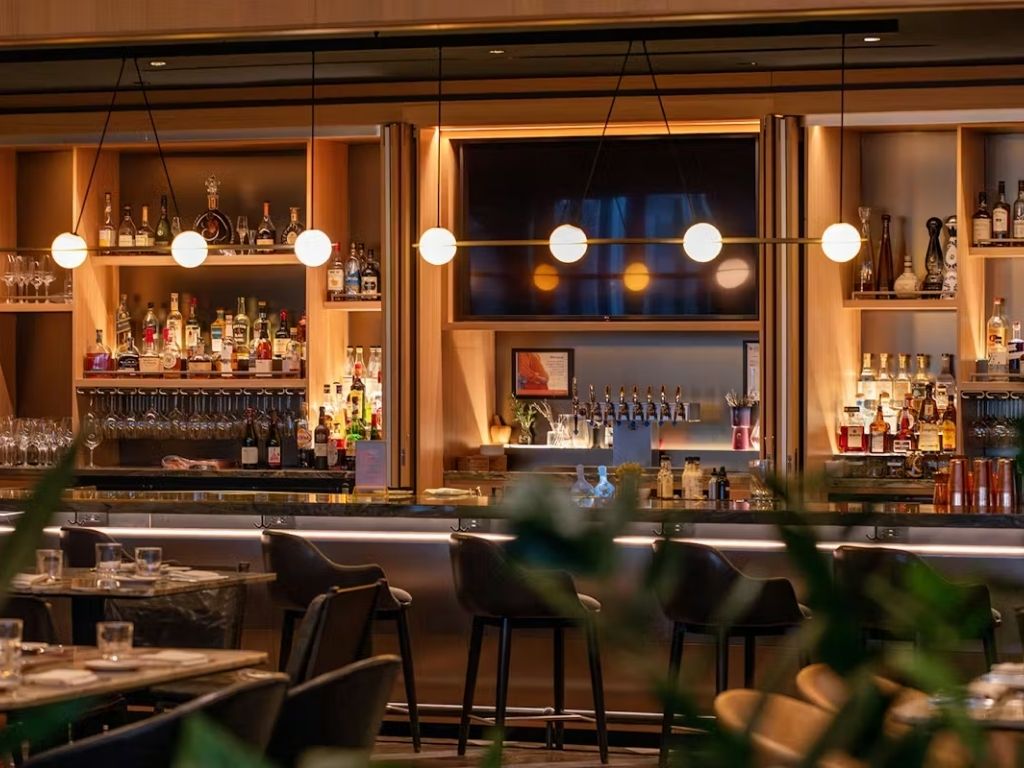
Joni restaurant Park Hyatt Toronto

Schaedler’s residency sets the tone for a year that spans continents. April 24 and 25 will feature Jean-François Rouquette of Park Hyatt Paris-Vendôme, a One MICHELIN Star chef. In June, Alberto Landgraf of Oteque in Rio de Janeiro — holder of Two MICHELIN Stars and recognized among Latin America’s 50 Best — takes the stage.

Later in 2026, diners can expect Ninh Le Trung Hau of Square One at Park Hyatt Saigon, selected by the MICHELIN Guide, and André “Matsumoto” Saburo of Taberna Japonesa Quina do Futuro in Recife, with a sixth chef to be announced for December.

Each residency is brief by design. Guest chefs collaborate closely with Williams to craft menus that reflect their culinary identities while responding to Toronto’s context, with curated wine and spirit pairings rounding out the experience.

About Park Hyatt Toronto

Located in Yorkville, Park Hyatt Toronto is one of the few city hotels awarded a MICHELIN Key, recognizing excellence in design, service, and overall experience. The property houses 219 guestrooms, including 40 suites, and Writers Room Bar, named among Canada’s 50 Best Bars.