
Japan, Beyond the Sushi
A taste of the country's regional dishes and time-honoured recipes.
By Steve Gillick
The Japanese phrase “gochisou sama deshita” (meaning “thank you for a wonderful meal”) quickly becomes part of the daily vocabulary for visitors. Across the country, it’s repeated often and with genuine appreciation. While sushi may be the global headliner, aficionados of washoku – traditional Japanese cuisine – know there’s an entire world of flavours waiting beyond it.
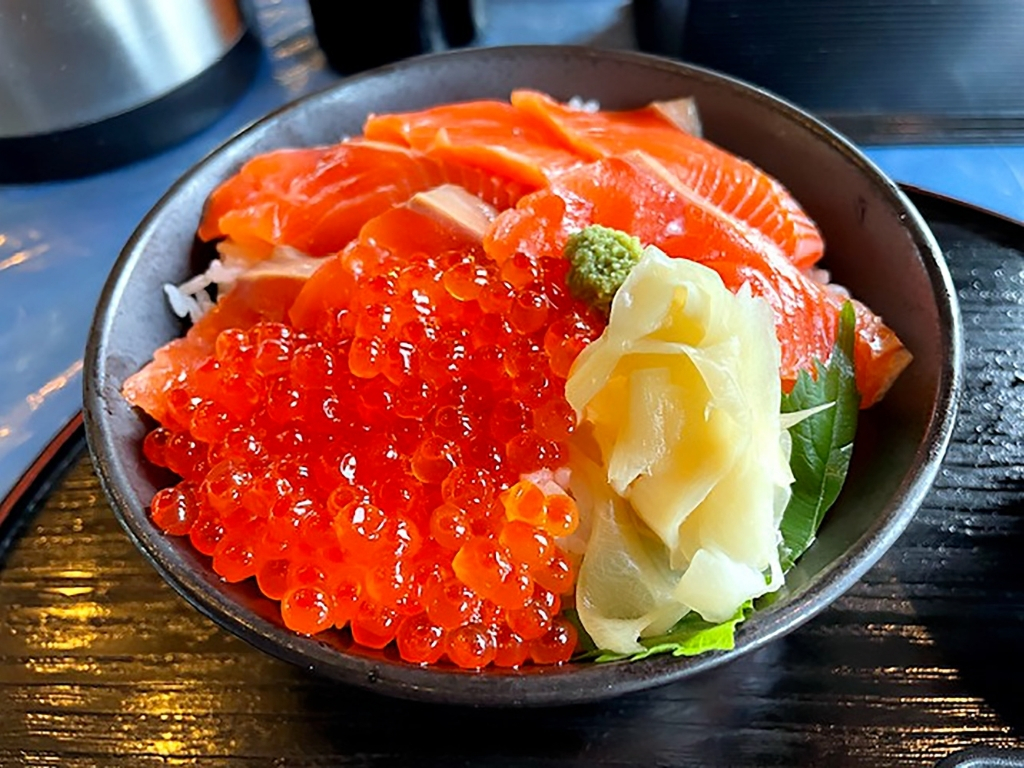
At Hana Tsubaki on Iki Island in Kyushu, references to the classic “chicken and egg” scenario aren’t philosophical – they’re culinary. Chef Tatsuji Yamashita’s Oyakodon, literally “parent-and-child donburi,” pairs tender simmered chicken and softly set egg over a bowl of freshly steamed rice, finished with scallions. Elsewhere, chefs have fun with the dish’s clever name. At Senchan Shokudo in Kushiro, Hokkaido, Oyakodon is reimagined as a pristine bowl of rice topped with delicate salmon sashimi and a generous scattering of ikura (salmon roe) for another fitting take on “parent and child.”
Japan’s celebrated gastronomy stretches across every prefecture. At Uomatsu in Izumi City, the focus is Kurobuta – Japanese Black Pork descended from British Berkshire pigs – served as richly marbled cuts in a comforting vegetable stew. In the mountainous wilderness of Okutama, Chiwaki offers Inobuta Nabe, a hearty dish of wild boar simmered in a deeply savoury miso broth. Regional specialties continue with Shika no Yakiniku (grilled deer with onion) and Shichirinyaki, featuring earthy, flame-grilled mountain mushrooms.
For many visitors, Japanese Wagyu beef is a culinary pilgrimage in itself, with regions across the country proudly claiming superiority in flavour, texture, and tenderness. At Suksma on Ishigaki Island in Okinawa, Ishigaki Beef Tataki delivers melt-in-the-mouth perfection with lightly seared, paper-thin slices. And in Hyogo Prefecture, sampling Kobe beef is practically a rite of passage. At Wakkoqu, owner Masato Shinno explains shimofuri as the intricate marbling that produces buttery-soft meat rich in oleic acid. It’s not uncommon to see diners pause between bites, chopsticks lowered, savouring the lingering umami.
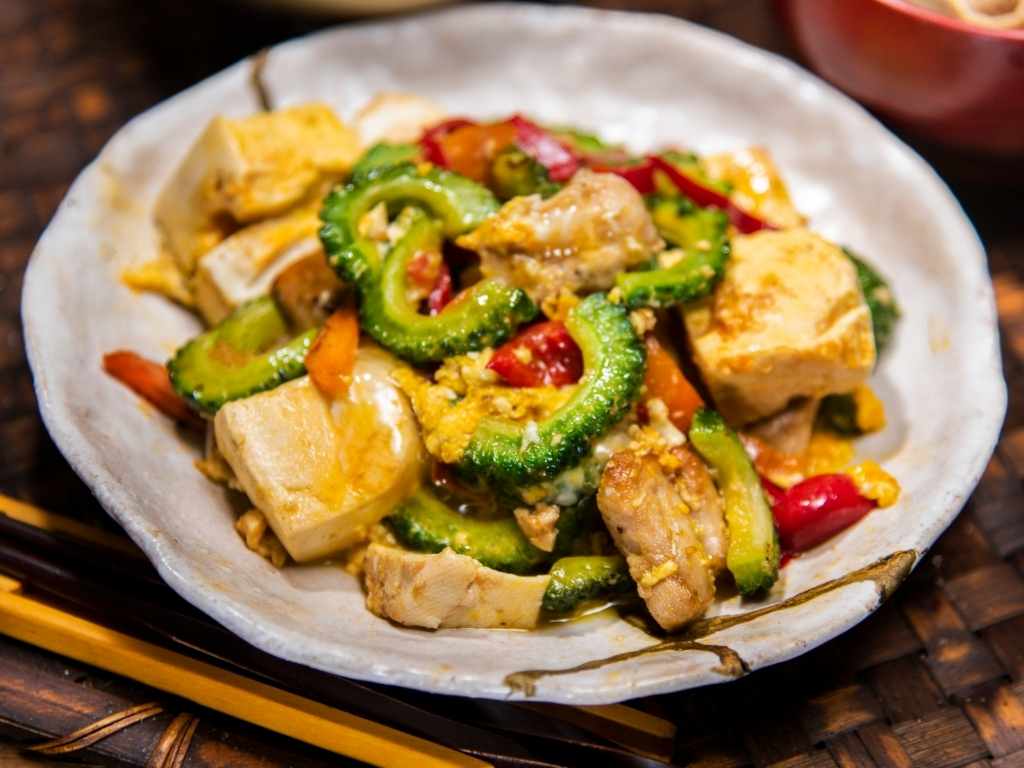
Okinawa’s culinary scene adds its own distinctive flair. Taco kimchi (octopus and cucumber tossed in a spicy kimchi sauce) is both unexpected and addictive. Other local favourites include Ikasumi Yakimeshi (squid ink fried rice), umibudo (briny “sea grapes” dipped in ponzu), and the signature dish, goya champuru – a stir-fry of bitter melon, tofu, egg, and Spam that perfectly reflects the island’s unique cultural blend.
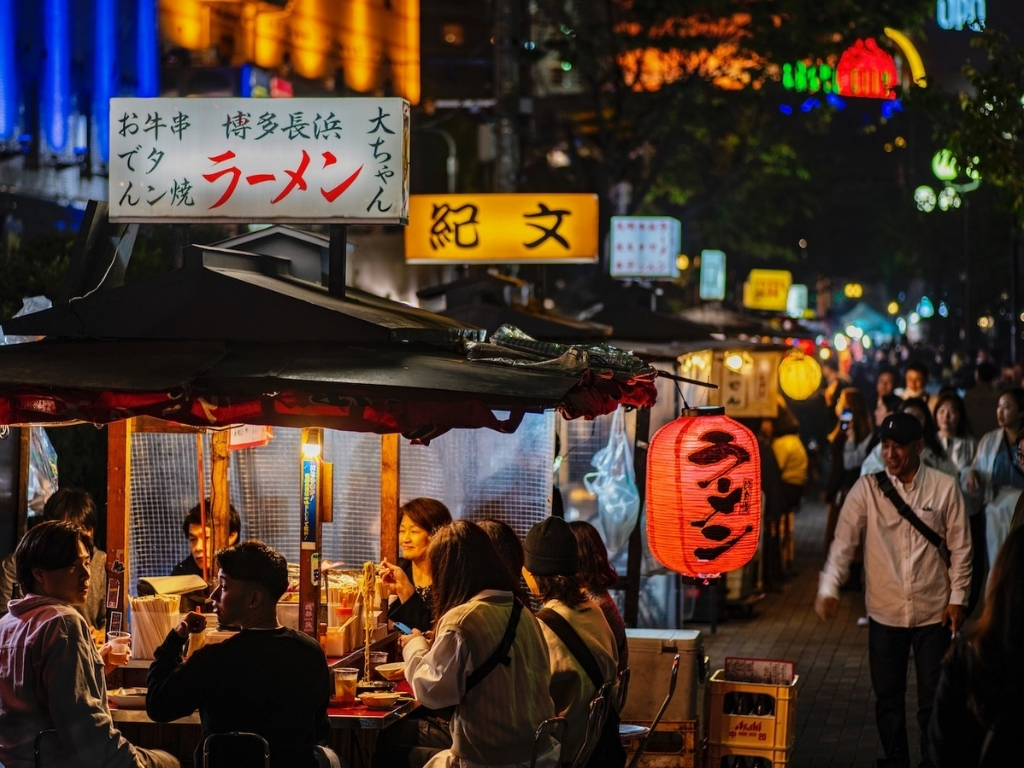
The expression “hoppeta ga ochiru” – meaning “my cheeks are falling off” – is reserved for meals that are truly unforgettable, and it’s especially apt when dining at a yatai. These mobile food stalls offer an intimate, convivial experience where close quarters, lively conversation, and freshly prepared dishes come together. At Yatai Marufuku in Shimabara, Kyushu, Takami Matsumoto serves expertly grilled yakitori – skewers of chicken, pork, and beef – alongside comforting bowls of oden, a slow-simmered mix of eggs, daikon, konjac and fish cakes in soy-dashi broth. Meanwhile, in Fukuoka’s Nakasu district, the charismatic 80-year-old chef Masanaka Amamoto at Yatai Kibun delights guests with rich, buttery grilled mentaiko (spicy cod roe). Cheeks falling off, indeed.
Elsewhere, Japan’s culinary repertoire continues to surprise and intrigue: Kusaya (famously pungent dried fish) on Hachijojima in the Izu Islands; Ankimo (monkfish liver), often called the “foie gras of the sea”; the delicately prepared – and carefully regulated – fugu (pufferfish); Kamayaki, featuring grilled fish jaw; and an array of tofu dishes, from agedashi to sesame-infused creations. Then there’s Okonomiyaki, the beloved savoury pancake layered with cabbage and seafood. Even something as simple as a tuna sandwich, like the standout version at Sakanaya Tetsu in Tokyo’s Shimbashi district, can redefine expectations, with freshly grilled tuna tucked into toasted bread and finished with creamy mayo.
Exploring Japan through its cuisine is an adventure in itself – one that continually surprises, delights and satisfies. And with every memorable meal, there’s only one appropriate response: gochisou sama deshita.