Tag: Italy

Minor Hotels Italy UNESCO food heritage restaurants

Italy’s UNESCO Food Heritage Comes to the Table at These Standout Hotel Restaurants

From Venice’s lagoon to the cliffs of the Amalfi Coast, Minor Hotels is spotlighting Italian cuisine as living cultural heritage.

Italian cuisine has officially been recognized by UNESCO as an Intangible Cultural Heritage of Humanity – a designation that affirms what travelers have always known. In Italy, food isn’t just sustenance. It’s history, ritual, geography, and family memory, shaped by regional ingredients and centuries of tradition.

Across Italy, Minor Hotels is marking the moment by spotlighting six restaurants that interpret this heritage through a contemporary lens. The result is a north-to-south tasting trail through Venice, Florence, Rome, and the Amalfi Coast – each stop offering a distinct expression of what makes Italian cuisine so enduring.

Here’s where to book your table.

Venice: Fine Dining in a 17th-Century Palace

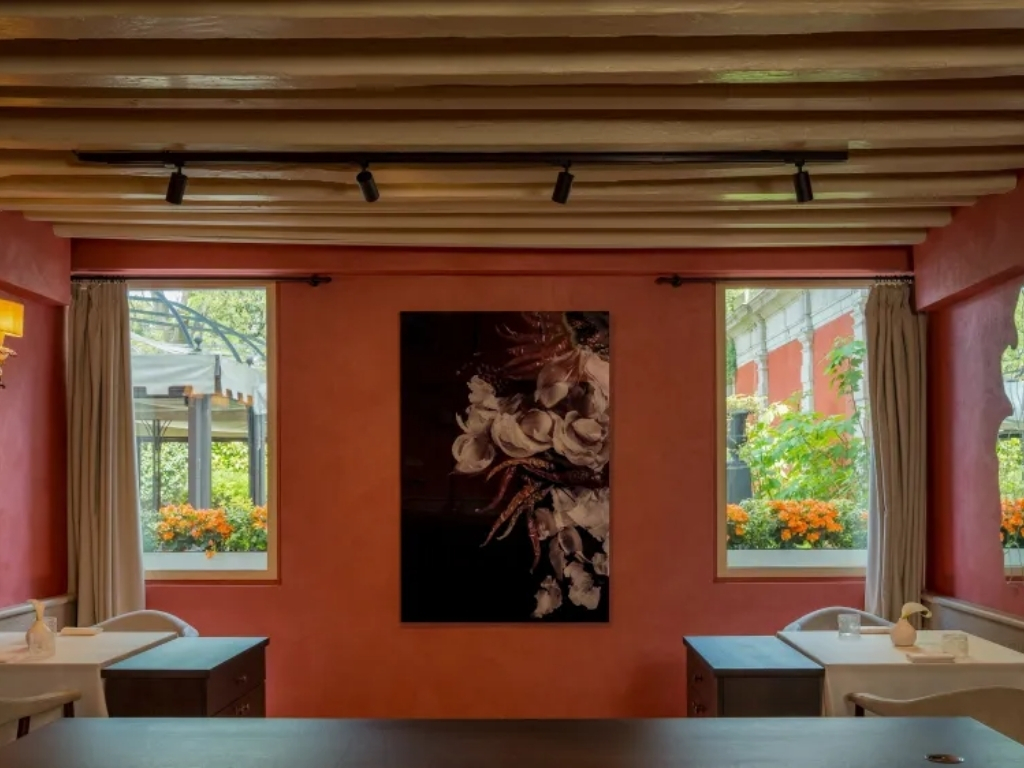
In Venice, where culinary tradition moves to the quiet rhythm of the lagoon, Da Lorenzo – Al Giardino Segreto offers an intimate counterpoint to the city’s tourist bustle. Tucked inside the NH Collection Venezia Grand Hotel Palazzo dei Dogi, the restaurant overlooks one of Venice’s oldest private gardens, a serene backdrop that feels almost cinematic.

Da Lorenzo Restaurant Venice
Da Lorenzo
Da Lorenzo Restaurant Venice
Da Lorenzo

Michelin-starred chef Paulo Airaudo brings a modern sensibility to Venetian classics, presenting tasting menus that reinterpret local traditions with precision and creativity. Seasonality anchors the experience, while subtle international influences keep the cuisine forward-looking. It’s refined, restrained, and deeply rooted in place.

Florence: Pasta as Philosophy

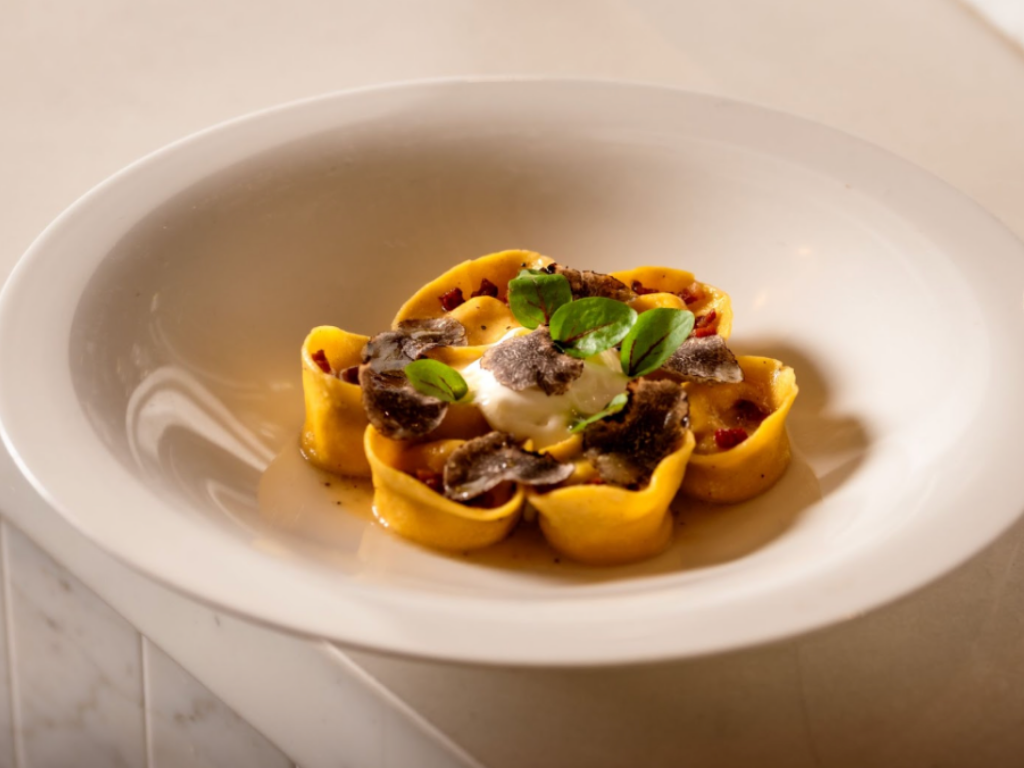
Florence’s Terrae Restaurant, housed within Tivoli Palazzo Gaddi Firenze Hotel, channels Tuscany’s culinary identity through craftsmanship and seasonality. Led by Michelin-starred Chef Patron Iside De Cesare alongside Resident Chef Salvatore Canargiu, the kitchen treats fresh pasta as both art form and cultural thread.

Signature dishes such as cartellata with rabbit and preserved peppers, handmade ravioli scented with garlic, extra virgin olive oil and chili, and traditional fish soup showcase an approach grounded in local ingredients. The menu evolves monthly, reflecting the rhythms of the region and reinforcing Tuscany’s enduring connection between land and table.

Rome: Contemporary Cuisine with Global Nuance

In Rome’s Piazza della Repubblica, INEO Restaurant at Anantara Palazzo Naiadi offers a more contemporary interpretation of Italian haute cuisine. Awarded one Michelin star, the 22-seat dining room feels intimate and intentional.

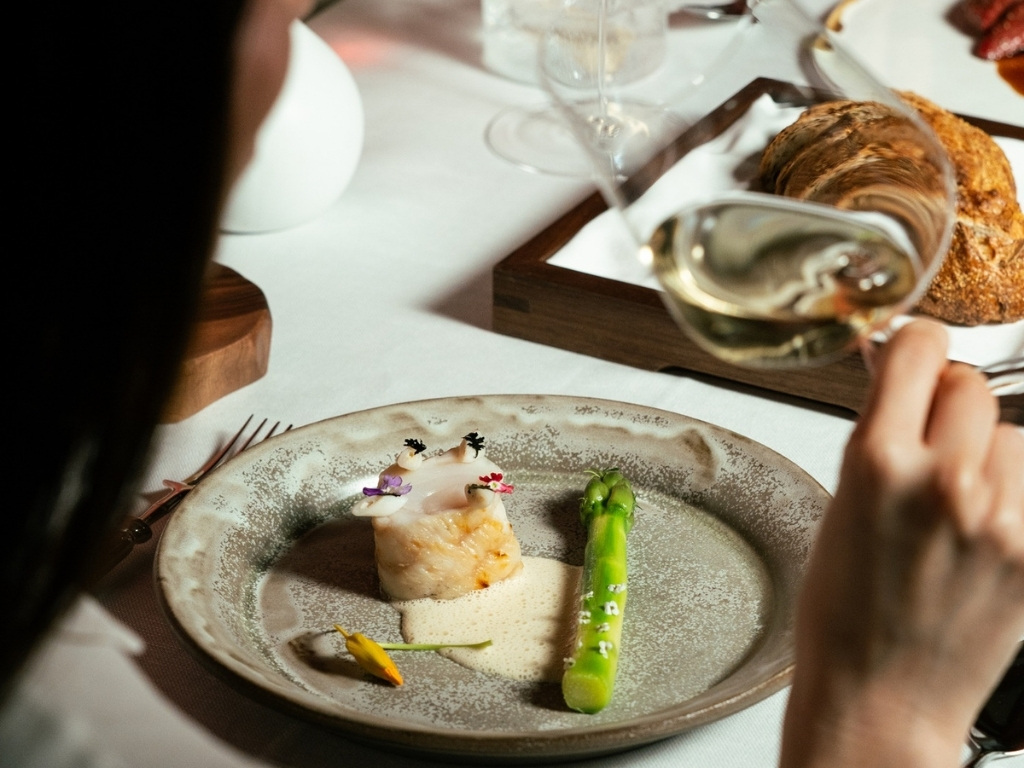
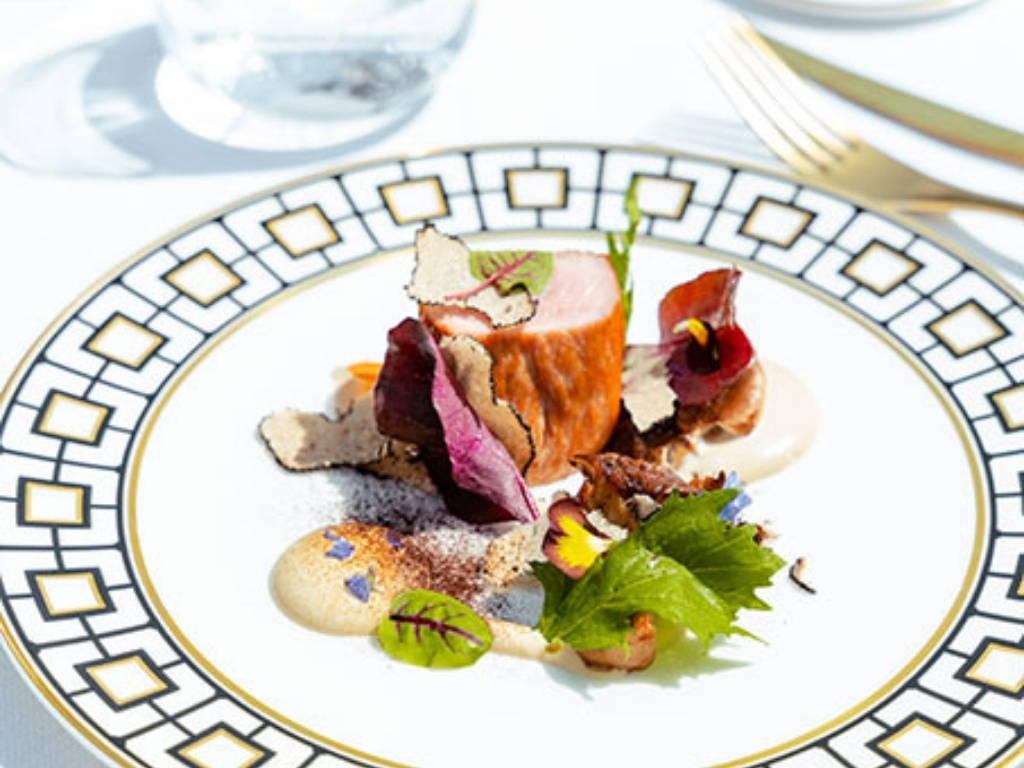
Executive Chef Heros De Agostinis describes his philosophy as a “creative métissage” – a dialogue between Italian tradition and global influences shaped by his international career. The result is thoughtful, technique-driven cuisine delivered through tasting menus and à la carte options. Even the bread program is elevated here, turning a staple of Italian dining into a focal point of craft.

Oro Bistrot in Rome, Italy
Oro Bistrot
Oro Bistrot in Rome, Italy
Oro Bistrot

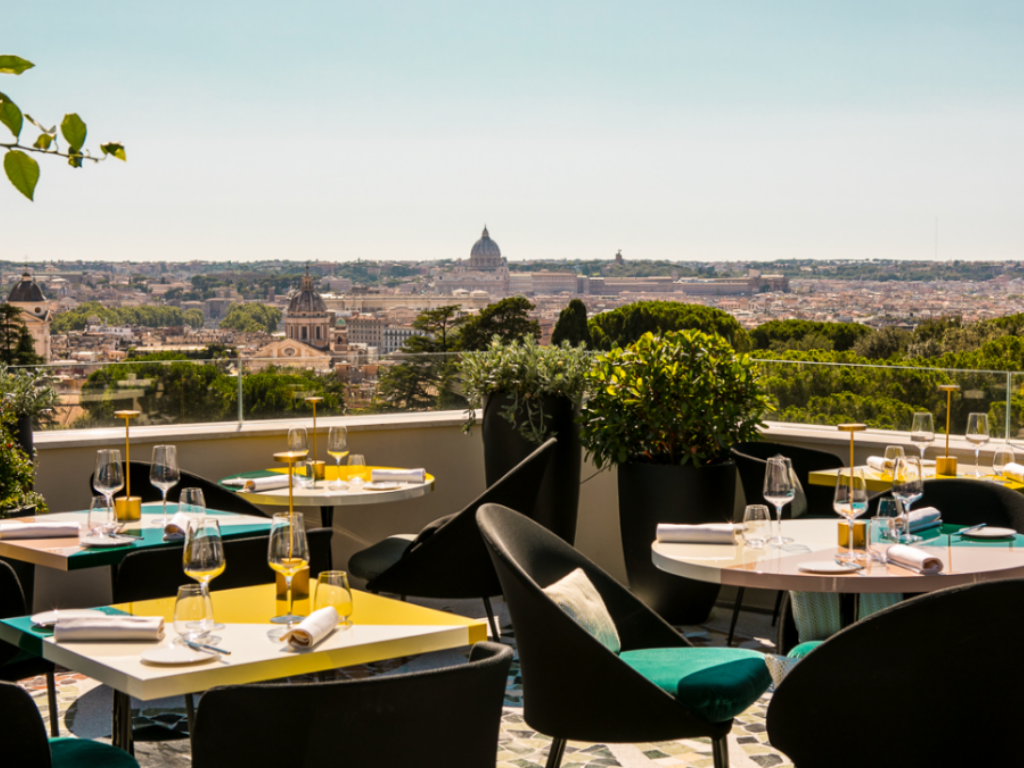
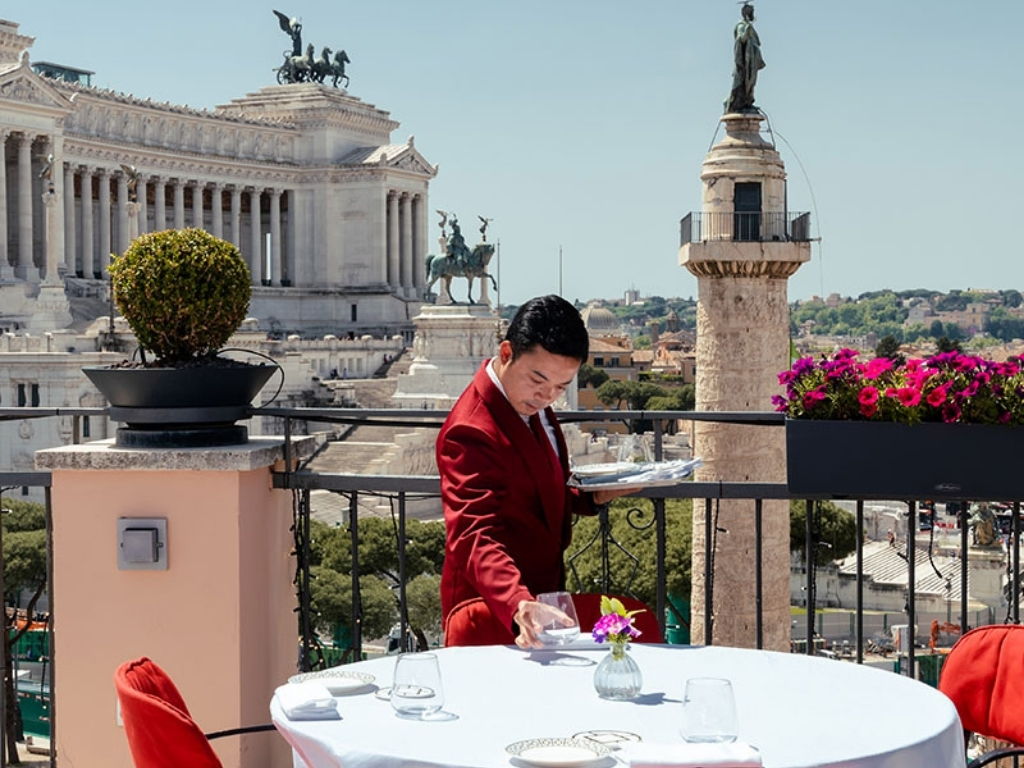
For a different Roman perspective, Oro Bistrot at NH Collection Roma Fori Imperiali pairs elevated Italian cooking with sweeping rooftop views of the Monumento a Vittorio Emanuele II and the Roman Forum. Sicilian chef Natale Giunta reinterprets classic flavors with a contemporary edge, spotlighting premium seasonal ingredients in a setting that feels both glamorous and distinctly Roman.

Meanwhile, in the Prati district, Antéla Restaurant at NH Collection Roma Centro offers a more urban garden escape. Also led by Giunta, the menu ranges from refined raw seafood to inventive dishes such as spaghetti with coconut milk and olive crumble. A carefully curated wine list balances iconic labels with independent producers, while a cocktail program inspired by Latin maxims adds a narrative twist to the evening.

Amalfi Coast: Cliffside Elegance

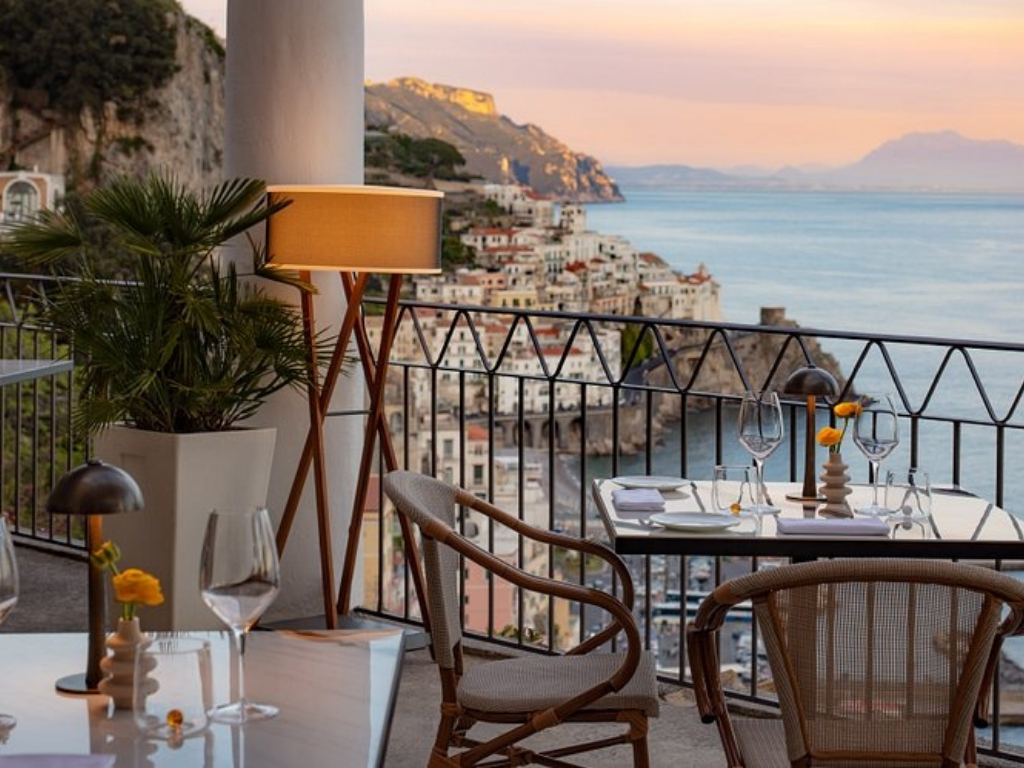
The journey culminates along the Amalfi Coast at Dei Cappuccini, located within Anantara Convento di Amalfi Grand Hotel. Set inside a restored 13th-century Capuchin convent suspended between sky and sea, the restaurant blends monastic heritage with contemporary elegance.

Here, traditional Amalfitan recipes are reimagined with modern finesse, showcasing the finest local ingredients against sweeping views of the Tyrrhenian Sea. Sunset aperitivi give way to intimate dinners framed by cliffside panoramas – a setting that amplifies the emotional pull of southern Italian cuisine.

Eataly new Cortina menu

Eataly Brings the Flavours of Cortina d’Ampezzo to North America

Through March 29, Eataly’s North American locations are spotlighting Alpine cuisine inspired by Italy’s storied mountain resort.

There’s a certain kind of comfort food that belongs to the mountains: molten cheese, crisp-edged polenta, forest mushrooms and something warming in your glass. This winter, Eataly is tapping into that Alpine menu with a limited-time “Cortina” program across its North American stores, inspired by Cortina d’Ampezzo in the Dolomites.

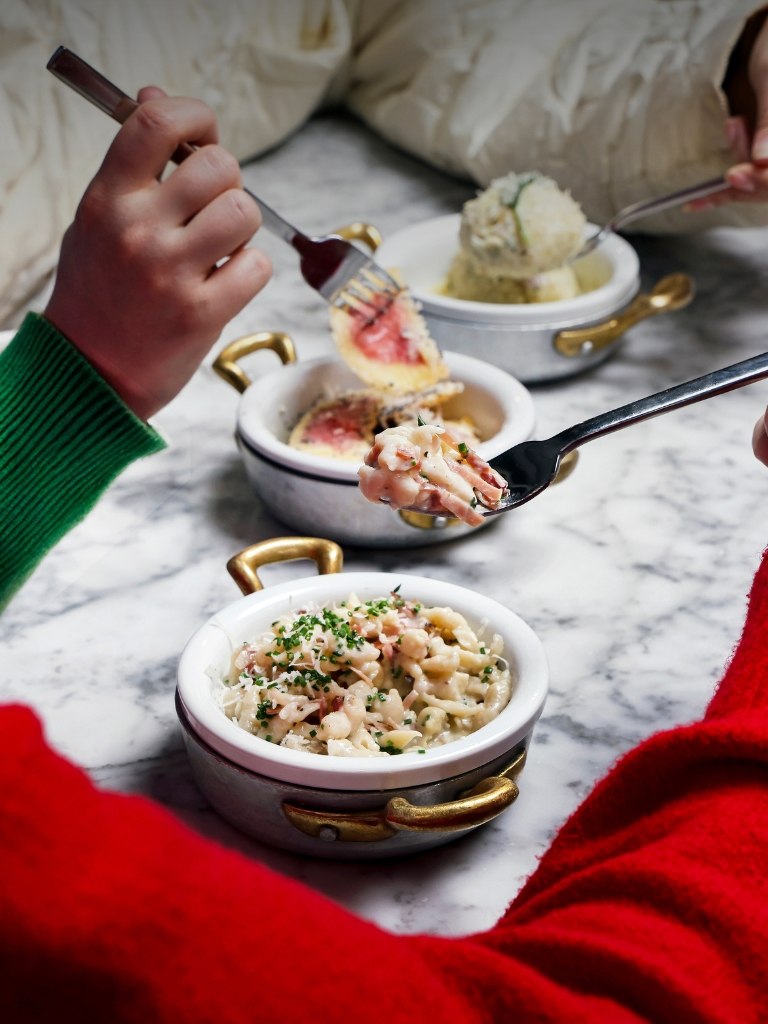
Running through March 29, the regional activation brings Northern Italy’s high-altitude flavours to Eataly’s restaurant concepts, including La Pizza & La Pasta and Eataly Ristorante. Menus lean into hearty, cold-weather fare: Fontina DOP fondue enriched with black truffle butter, crispy polenta topped with lardo and rosemary, spinach tagliatelle with mushroom ragù and Grana Padano DOP, and pillowy potato gnocchi paired with roasted squash and fonduta. Pizza gets an Alpine spin, too, with the Misto Bosco layering mozzarella, sautéed mushrooms, caramelized onion cream and speck. 

Eataly Cortina
Eataly Cortina menu

The beverage list channels après-ski energy, featuring Dolomiti beer alongside winter-ready cocktails such as “Pass the Torch” and “By the Fire.” It’s the kind of lineup that makes an urban dining room feel, briefly, like a chalet.

True to Eataly’s “eat, shop, learn” model, the Cortina experience extends beyond the table. A dedicated retail capsule showcases products from Italy’s Alpine regions, including cheeses, cured meats and sweets. At La Scuola, Eataly’s in-house cooking school, guests can sign up for Northern Italian–inspired classes, from hands-on pasta-making to wine and cheese tastings.

A Panini Fest Cortina, launching February 16, adds a more casual option at quick-service counters, including a speck-and-taleggio Cortina Panino served on a fresh baguette.

Founded as a global Italian marketplace and retail concept with more than 50 locations worldwide, Eataly has built its reputation on spotlighting Italy’s regional diversity. This season, the focus is firmly on the Alps — no ski pass required.

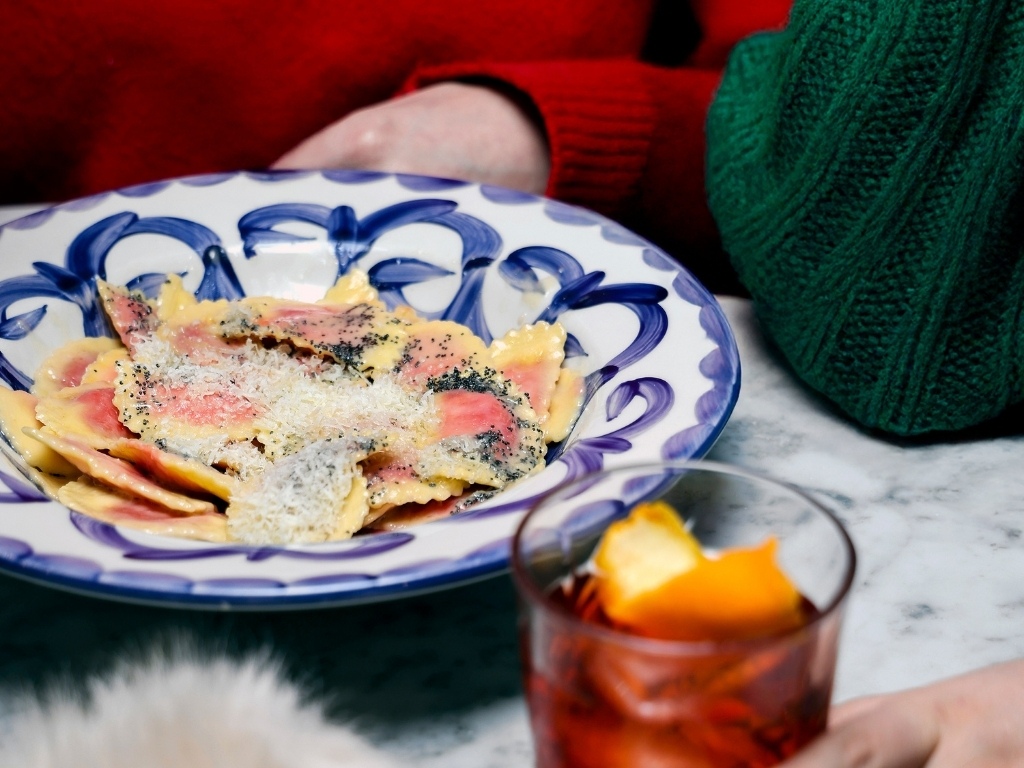
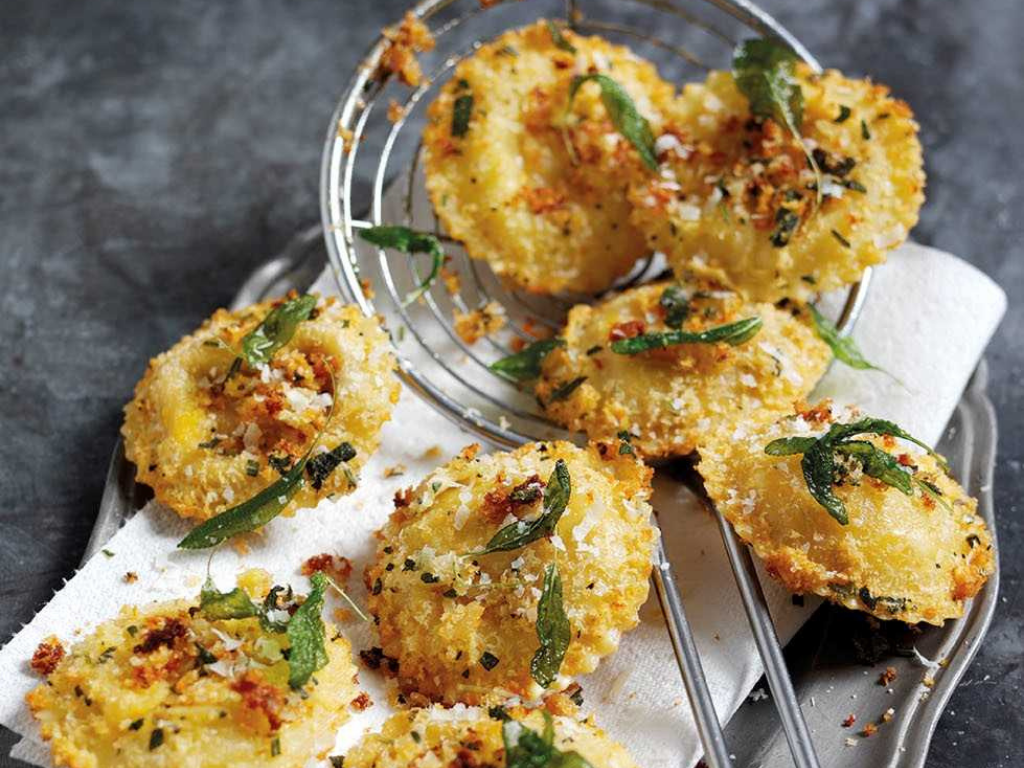
Crispy Parmigiano Reggiano and Sage Ravioli

Crispy Parmigiano Reggiano and Sage Ravioli

Crunchy on the outside, soft within – this is ravioli made for cheese lovers.

These ravioli hit all the right notes – crunchy on the outside, pillowy on the inside, and deeply savoury thanks to plenty of aged cheese and fragrant herbs. Think of them as ravioli crossed with your favourite bar snack: indulgent, nostalgic, and dangerously easy to keep popping until the plate is empty. 


Prep time: 75 min.

Cook time: 10 min.

Serves: 4-6


Ingredients:

  • 250 g fresh ravioli (preferably butternut squash or ricotta cheese)
  • 100 g fresh breadcrumbs
  • 2 tbsp. chopped sage
  • 1 tbsp. chopped rosemary
  • 100 g grated Parmigiano Reggiano (plus extra to serve)
  • Pepper
  • 2 eggs
  • 100 ml milk
  • Vegetable oil, for frying
  • Handful sage leaves
  •  

Spread the ravioli on a baking sheet and freeze for 25-30 minutes until hard. In a separate bowl, mix the breadcrumbs, sage, rosemary, 50 g Parmigiano Reggiano and a pinch of black pepper.

Use another bowl to whisk the eggs and milk in a shallow dish. Remove the ravioli from the freezer and dip in the egg mixture before coating in the Parmigiano Reggiano breadcrumbs. Arrange on a baking sheet and return to the freezer for a further 25-30 minutes to harden. Heat oil in a heavy-based saucepan until hot and fry the ravioli in batches for 3-5 minutes until golden. Remove from the oil and drain on kitchen paper. Fry the sage leaves for 1-2 minutes until crispy and drain on kitchen paper. Serve the ravioli hot with more grated Parmigiano Reggiano and deep-fried sage leaves.