
Tag: Japanese food

Japan Roadside restaurants

Japan, Beyond the Sushi

A taste of the country's regional dishes and time-honoured recipes.

By Steve Gillick

The Japanese phrase “gochisou sama deshita” (meaning “thank you for a wonderful meal”) quickly becomes part of the daily vocabulary for visitors. Across the country, it’s repeated often and with genuine appreciation. While sushi may be the global headliner, aficionados of washoku – traditional Japanese cuisine – know there’s an entire world of flavours waiting beyond it.

At Hana Tsubaki on Iki Island in Kyushu, references to the classic “chicken and egg” scenario aren’t philosophical – they’re culinary. Chef Tatsuji Yamashita’s Oyakodon, literally “parent-and-child donburi,” pairs tender simmered chicken and softly set egg over a bowl of freshly steamed rice, finished with scallions. Elsewhere, chefs have fun with the dish’s clever name. At Senchan Shokudo in Kushiro, Hokkaido, Oyakodon is reimagined as a pristine bowl of rice topped with delicate salmon sashimi and a generous scattering of ikura (salmon roe) for another fitting take on “parent and child.”

Japan’s celebrated gastronomy stretches across every prefecture. At Uomatsu in Izumi City, the focus is Kurobuta – Japanese Black Pork descended from British Berkshire pigs – served as richly marbled cuts in a comforting vegetable stew. In the mountainous wilderness of Okutama, Chiwaki offers Inobuta Nabe, a hearty dish of wild boar simmered in a deeply savoury miso broth. Regional specialties continue with Shika no Yakiniku (grilled deer with onion) and Shichirinyaki, featuring earthy, flame-grilled mountain mushrooms.
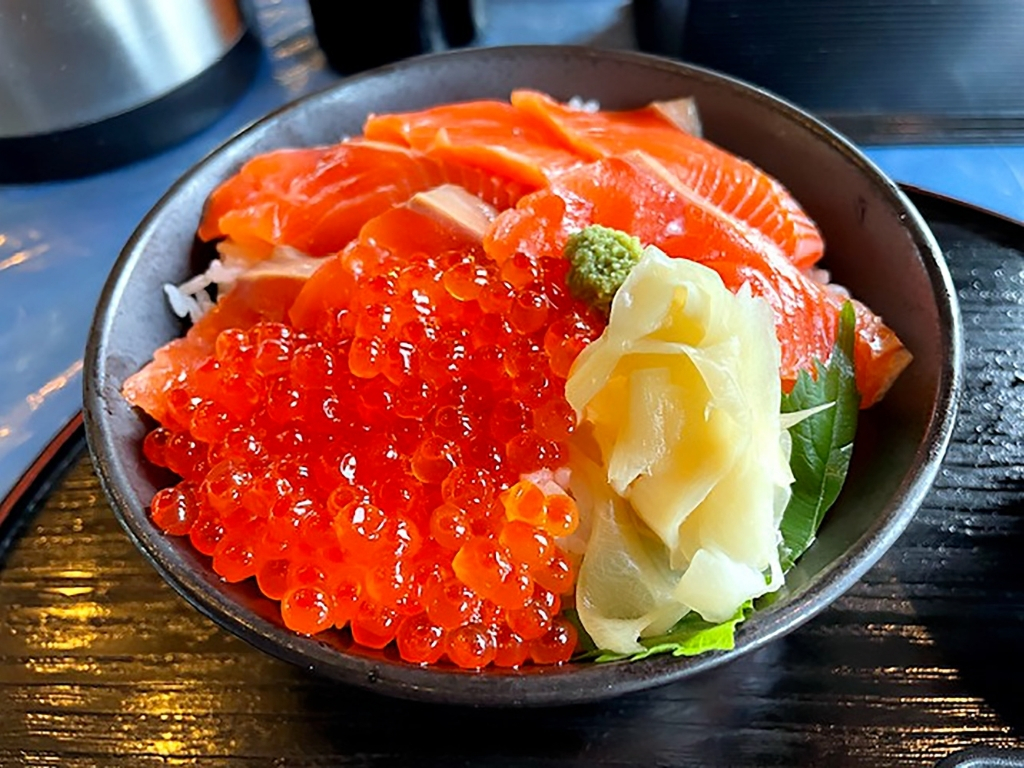
Oyakodon
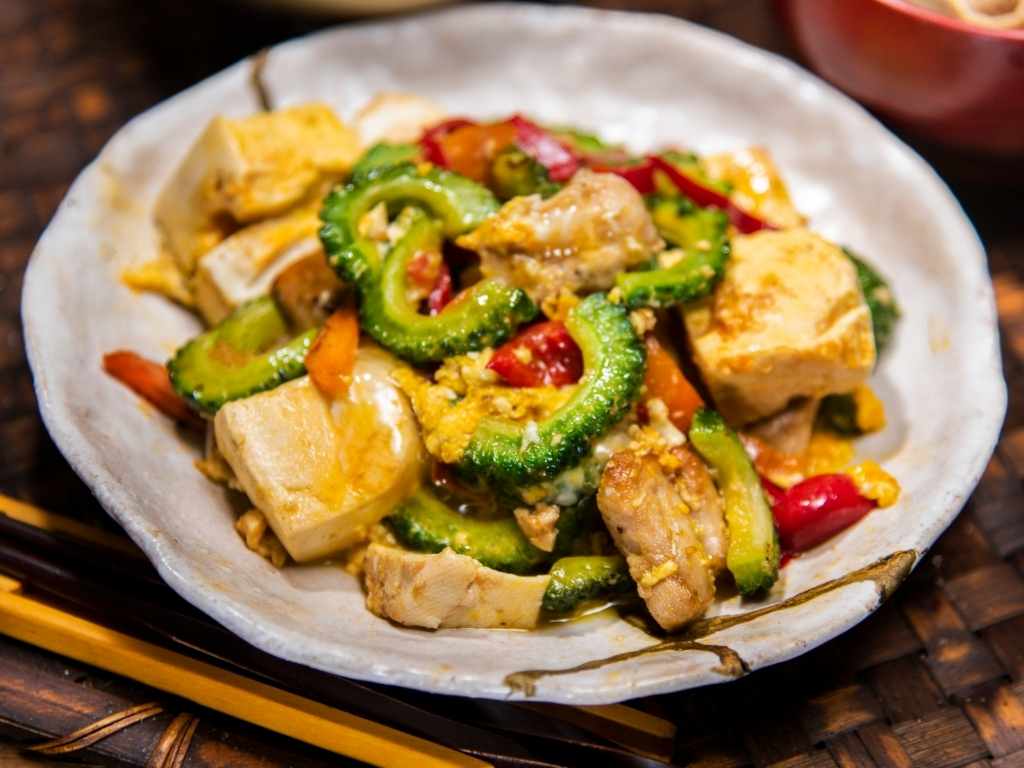
Goya Champuru

For many visitors, Japanese Wagyu beef is a culinary pilgrimage in itself, with regions across the country proudly claiming superiority in flavour, texture, and tenderness. At Suksma on Ishigaki Island in Okinawa, Ishigaki Beef Tataki delivers melt-in-the-mouth perfection with lightly seared, paper-thin slices. And in Hyogo Prefecture, sampling Kobe beef is practically a rite of passage. At Wakkoqu, owner Masato Shinno explains shimofuri as the intricate marbling that produces buttery-soft meat rich in oleic acid. It’s not uncommon to see diners pause between bites, chopsticks lowered, savouring the lingering umami.

Okinawa’s culinary scene adds its own distinctive flair. Taco kimchi (octopus and cucumber tossed in a spicy kimchi sauce) is both unexpected and addictive. Other local favourites include Ikasumi Yakimeshi (squid ink fried rice), umibudo (briny “sea grapes” dipped in ponzu), and the signature dish, goya champuru – a stir-fry of bitter melon, tofu, egg, and Spam that perfectly reflects the island’s unique cultural blend.

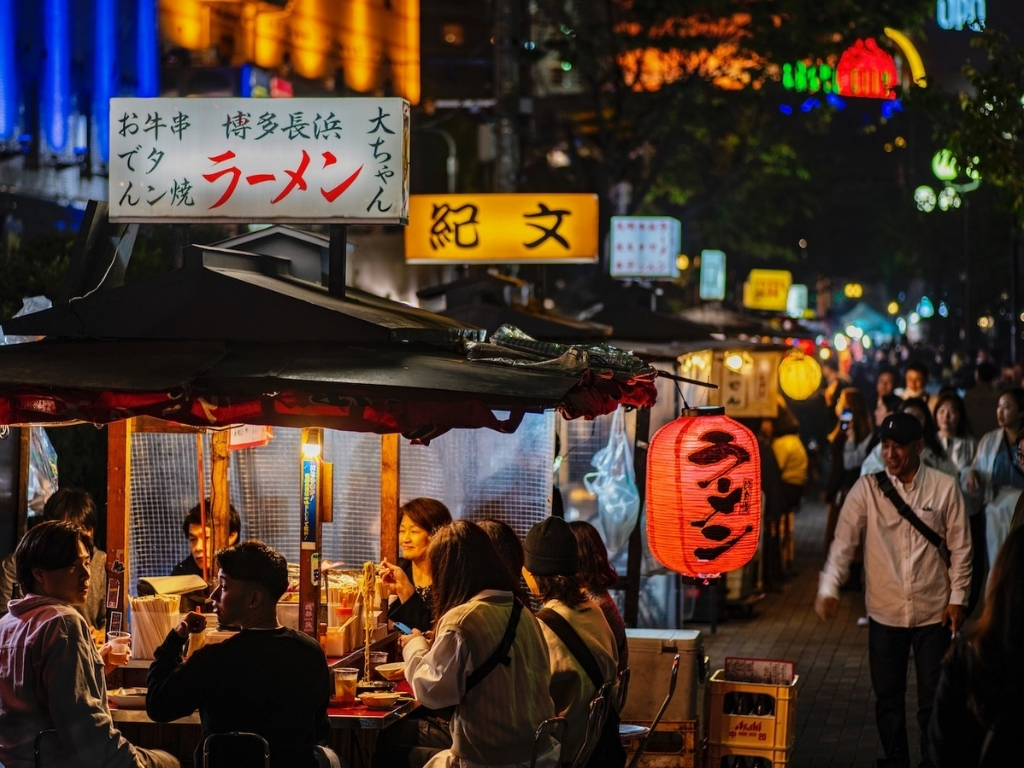
The expression “hoppeta ga ochiru” – meaning “my cheeks are falling off” – is reserved for meals that are truly unforgettable, and it’s especially apt when dining at a yatai. These mobile food stalls offer an intimate, convivial experience where close quarters, lively conversation, and freshly prepared dishes come together. At Yatai Marufuku in Shimabara, Kyushu, Takami Matsumoto serves expertly grilled yakitori – skewers of chicken, pork, and beef – alongside comforting bowls of oden, a slow-simmered mix of eggs, daikon, konjac and fish cakes in soy-dashi broth. Meanwhile, in Fukuoka’s Nakasu district, the charismatic 80-year-old chef Masanaka Amamoto at Yatai Kibun delights guests with rich, buttery grilled mentaiko (spicy cod roe). Cheeks falling off, indeed.

Elsewhere, Japan’s culinary repertoire continues to surprise and intrigue: Kusaya (famously pungent dried fish) on Hachijojima in the Izu Islands; Ankimo (monkfish liver), often called the “foie gras of the sea”; the delicately prepared – and carefully regulated – fugu (pufferfish); Kamayaki, featuring grilled fish jaw; and an array of tofu dishes, from agedashi to sesame-infused creations. Then there’s Okonomiyaki, the beloved savoury pancake layered with cabbage and seafood. Even something as simple as a tuna sandwich, like the standout version at Sakanaya Tetsu in Tokyo’s Shimbashi district, can redefine expectations, with freshly grilled tuna tucked into toasted bread and finished with creamy mayo.

Exploring Japan through its cuisine is an adventure in itself – one that continually surprises, delights and satisfies. And with every memorable meal, there’s only one appropriate response: gochisou sama deshita.
Oceania Cruises adds 12 Nikkei dishes to Red Ginger menu

Oceania Cruises has added 12 new, flavourful, and creative Nikkei dishes to its signature Pan-Asian restaurant, Red Ginger

This menu expansion brings a vibrant fusion of Peruvian flavors and refined Japanese culinary techniques and tastes to sea.

Nikkei cuisine traces its origins to the late 19th century, when Japanese immigrants settled in Peru and began adapting traditional Japanese recipes with native Peruvian ingredients, resulting in a distinctive taste marked by fresh seafood, bright citrus, soy-based sauces, and spicy peppers. 

Unlike many long-established culinary traditions, Nikkei cuisine is refreshingly flexible as it honors customs and simultaneously embraces experimentation, an ethos that aligns perfectly with Oceania Cruises. The cruise line is deepening its guests’ understanding of Nikkei food through this new menu rollout, an initiative supported by Chef Gustavo Sugay, who brings more than 20 years of experience preparing this dynamic cuisine.

The innovative menu items recently debuted aboard Oceania Vista® and will be available on the line’s newest ship, Oceania Allura™, launching next month. The new Nikkei dishes will be added to the rest of the fleet by early 2026. 

“The carefully crafted new Nikkei menu items further augment the ongoing evolution of our driving philosophy of serving The Finest Cuisine at Sea. Our industry-leading culinary team is constantly seeking to introduce our well-traveled guests to new experiences and flavors, while honoring our commitment to culinary excellence,” said Jason Montague, Chief Luxury Officer of Oceania Cruises. 

“This new Nikkei offering is a tangible example of the magic that emerges when cultures intertwine,” added Chef Alexis Quaretti, Oceania Cruises’ Executive Culinary Director. “Our passion for culinary innovation is fueled by constantly listening to our guests, noting their ever-expanding palates and deep curiosity to try new dishes and taste profiles. The introduction of these new Nikkei dishes is a result of our guests’ appetite for bold new flavors, and this is just the beginning of even more exciting developments on the horizon.”

Red Ginger Nikkei menu highlights:

  • Ceviche Nikkei – Marinated tuna delicately dressed in leche de tigre, accented with cilantro, sesame oil, and a hint of red chili for a refined take on the Peruvian classic.

  • Peruvian-Style Beef Short Rib – A rich, tender short rib served with savory lomo saltado sauce and a silky miso sweet potato mousseline, blending bold and umami-rich notes.

  • Cazuela de Arroz Nikkei – Miso-glazed scallops atop perfectly cooked bomba rice, finished with vibrant chalaquita for a balanced bite of citrus and heat.

  • Soft Shell Crab Tempura Bao Buns – Lightly fried soft-shell crab tucked in pillowy bao buns, topped with a punchy Nikkei-style zarza.

  • Chicken Anticuchos – A sophisticated spin on Peruvian street food, with juicy chicken skewers paired with creamy, spicy huancaína sauce.

  • Tres Leches Cube – A modern presentation of the beloved Latin American dessert, with sponge cake soaked in three milks for melt-in-your-mouth indulgence.

  • Yuzu Cheesecake – Tart yuzu paired with mango and passion fruit coulis, garnished with fresh basil for a refreshing and aromatic finish.

The Finest Cuisine at Sea highlights include:  

  • Oceania Cruises is the only cruise line built by foodies, run by foodies, for foodies. 

  • Oceania Cruises is the only cruise line to boast two Master Chefs of France. Its two Executive Culinary Directors, Chefs Alexis Quaretti and Eric Barale, have both been inducted into the prestigious echelons of Les Maîtres Cuisiniers de France, a global association established in 1951 to support and promote French culinary arts around the world.

  • Oceania Cruises selects only the best ingredients and the most talented chefs from around the globe. From Castilla-La Mancha saffron to French flour custom-milled to its chefs’ specifications, the artisanal ingredients echo the dedication poured into every dish. 

  • Superb gourmet restaurants on board serve delectable dishes created à la minute and offer a remarkable array of choices, from Continental cuisine to authentic Italian, to classic steakhouse fare. Every restaurant on board is complimentary and features open seating.

  • Oceania Cruises boasts one chef for every 10 guests.

  • Oceania Cruises designs its ships around the expansive, well-equipped galleys on board, which rival any leading land-based restaurant. They form the beating heart of the ship, as a kitchen does in a home.

For additional information on Oceania Cruises’ small-ship luxury, exquisitely crafted cuisine, and expertly curated travel experiences, visit OceaniaCruises.com, call 855-OCEANIA, or speak with a professional travel advisor.