Tag: Resorts

Hacienda del Mar Los Cabos Authentic Mexican Cuisine

A Fresh Take on Mexican Cuisine at Hacienda del Mar Los Cabos

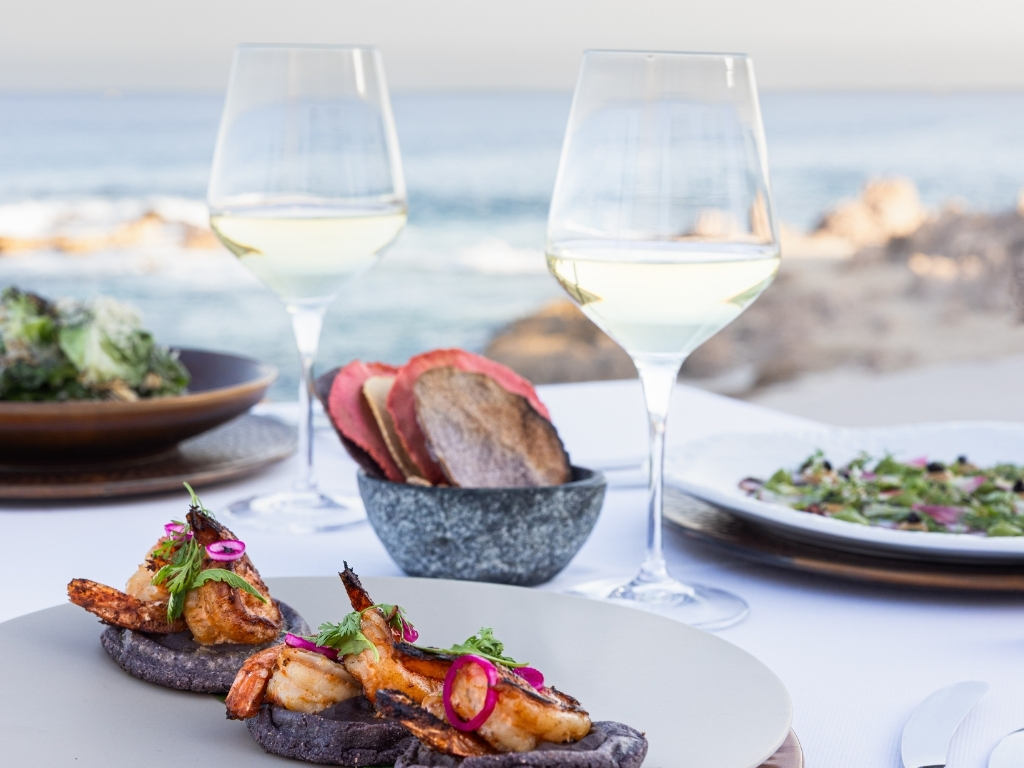
At Hacienda del Mar Los Cabos, dining is a core part of the guest experience. Set along the Cabo del Sol coastline, the resort’s restaurants offer a mix of elevated Mexican cuisine, fresh seafood and relaxed beachfront dining, giving guests plenty of reasons to stay on property for meals.

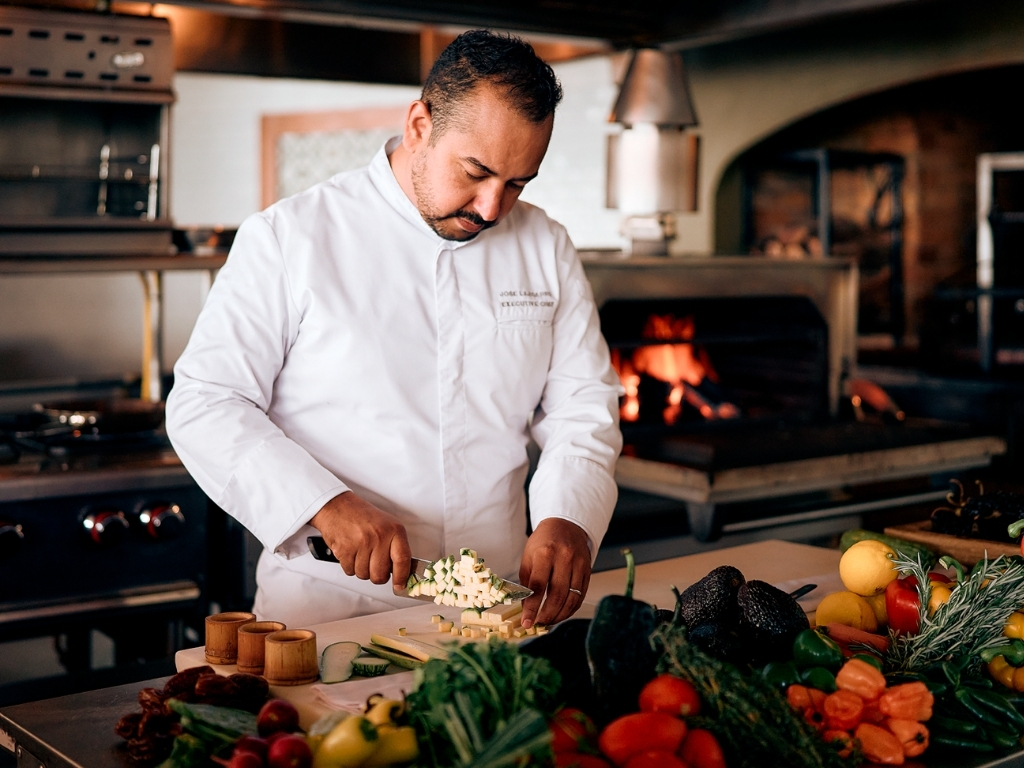
Behind the Hacienda del Mar dining program is a chef whose career has taken him from France, where he worked with Alain Ducasse, to Spain, the U.S. and Asia, including time abroad as chef for the Mexican Embassy. That global experience shows up in the details, but the focus here is firmly on Mexico.

Hacienda del Mar Los Cabos executive chef José Lazcarro Quiroz
Executive Chef José Lazcarro Quiroz
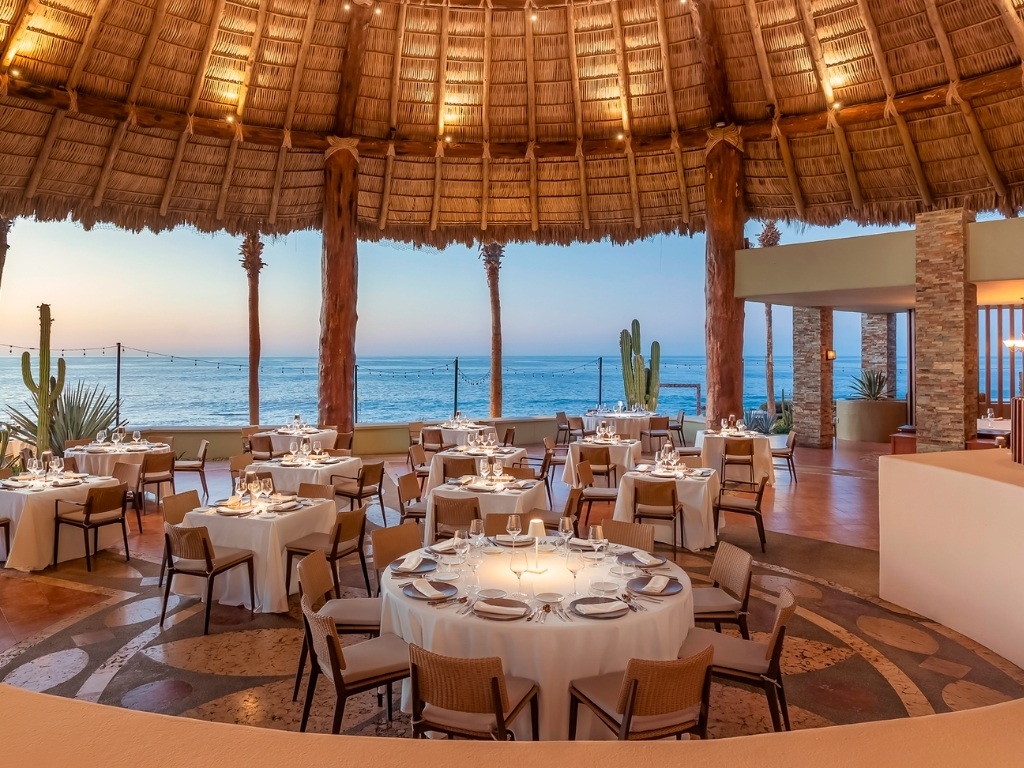
Hacienda del Mar Pitahayas Restaurant
Pitahayas restaurant

“My passion has always been cooking,” says Executive Master Chef José Lazcarro Quiroz. “I’ve always loved creating dishes and seeing how people respond to them.” That enthusiasm translates into a dining program that feels creative, consistent and well considered.

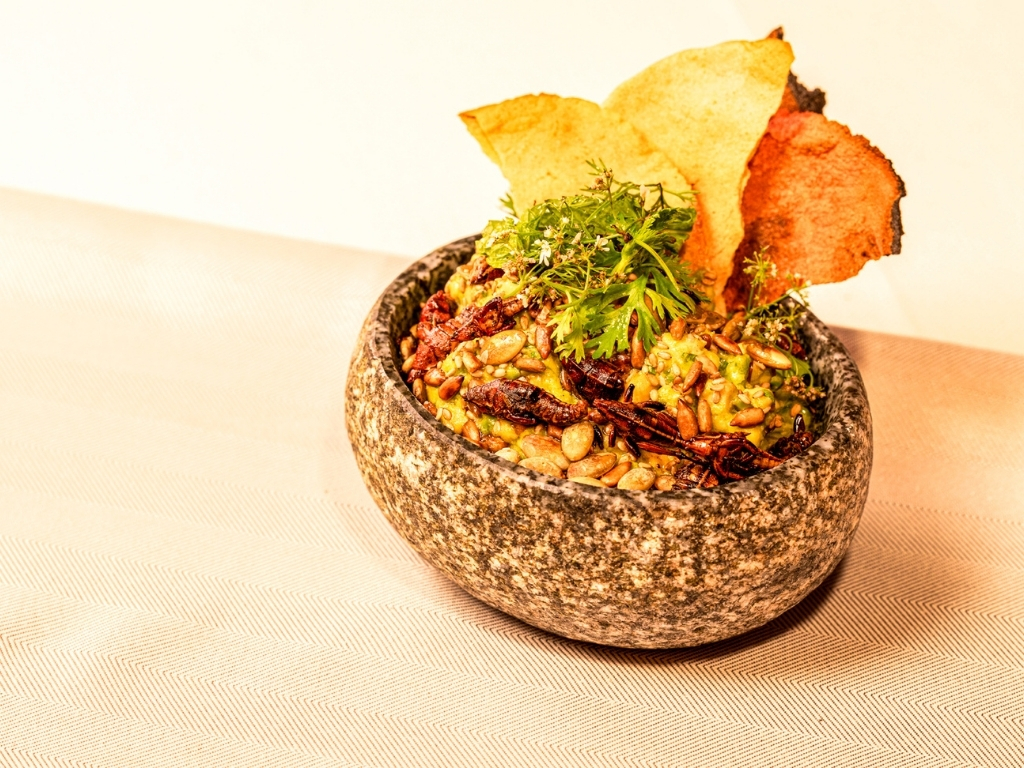
The approach at Hacienda del Mar is straightforward: take traditional Mexican cuisine and present it in a more refined, contemporary way without overcomplicating it. The goal is not to reinvent the cuisine, but to highlight what already makes it great. This comes through in bold flavours, regional ingredients and time-honoured recipes. Across the menus, guests will come across locally sourced elements they may not have tried before, like chapulines and regional cheeses, alongside more familiar favourites. It is a way of introducing the depth of Mexican cuisine without making it feel inaccessible.

From Sea to Plate

Seafood plays a major role across the resort’s restaurants, and for good reason. With the Sea of Cortez just steps away, the kitchens work closely with local fishermen to source the daily catch, from cabrilla to clams and oysters.

Freshness directly shapes the menus. What is available each day often determines what ends up on the plate, especially at Tortugas, where seafood is the focus in a more casual, oceanfront setting.

At Pitahayas, the tone shifts slightly more upscale. Dishes like mole poblano and Oaxacan black mole anchor the menu, while others such as octopus carpaccio with chicatana ants add a contemporary edge.

Traditional mexican cuisine at Hacienda del mar Los Cabos
Octopius carpaccio

One Resort, Multiple Experiences

Rather than repeating the same concept across venues, each restaurant offers a different take. Some lean more traditional, others more modern. That variety is especially important for guests staying multiple nights, keeping the experience fresh while still cohesive.

For those looking for something more hands-on, the resort also offers cooking classes. These can be tailored to specific interests and paired with traditional Mexican beverages, offering a more interactive way to connect with the cuisine.

Book your Los Cabos culinary getaway at www.haciendadelmar.com.mx.

Atlantis Paradise Island Bespoke Sunset Dinners at the Cove

Atlantis Paradise Island is Elevating its Culinary Offerings

A slate of chef-driven openings, beachfront dinners and seasonal pop-ups positions the Bahamian icon as a serious culinary destination.

Atlantis Paradise Island has never been short on spectacle, and his winter, the sprawling Bahamian resort is making a statement through food. A wave of new restaurant openings, chef-led pop-ups and immersive dining experiences suggests a deliberate shift toward culinary credibility, positioning Atlantis not just as a place to eat well between activities, but as a destination where dining itself is part of the draw. 

Among the most approachable additions is Gong cha, the globally beloved Taiwanese tea brand, which has officially opened on property. Known for its freshly prepared premium teas, bubble teas and coffees, the casual outpost offers an easy, high-quality option for guests looking to grab something refreshing without committing to a full sit-down meal.

Ko Sa Wan at Atlantis Paradise Island

At the other end of the spectrum is the return of chef Ian Kittichai, whose Thai dinner pop-up, KŌ SÀ-WĂN, brings Bangkok-inspired flavours to The Cove’s Perch restaurant. Kittichai, a globally recognized culinary figure with appearances on Iron Chef USA and MasterChef Thailand, presents a menu rooted in his heritage, with dishes such as banana-leaf-steamed grouper and aromatic coconut-galangal chicken soup. 

After a successful summer run, Cocodrilo has transitioned from pop-up to permanent fixture, settling into the former Lagoon Bar & Grill space. By day, the cantina-style restaurant leans relaxed and sun-soaked, serving zesty ceviches, fire-kissed tacos and bright, citrus-forward flavours that feel tailor-made for the tropics. As evening falls, the energy shifts: cocktails get bolder, music turns up, and the space transforms into a lively beachfront hotspot.

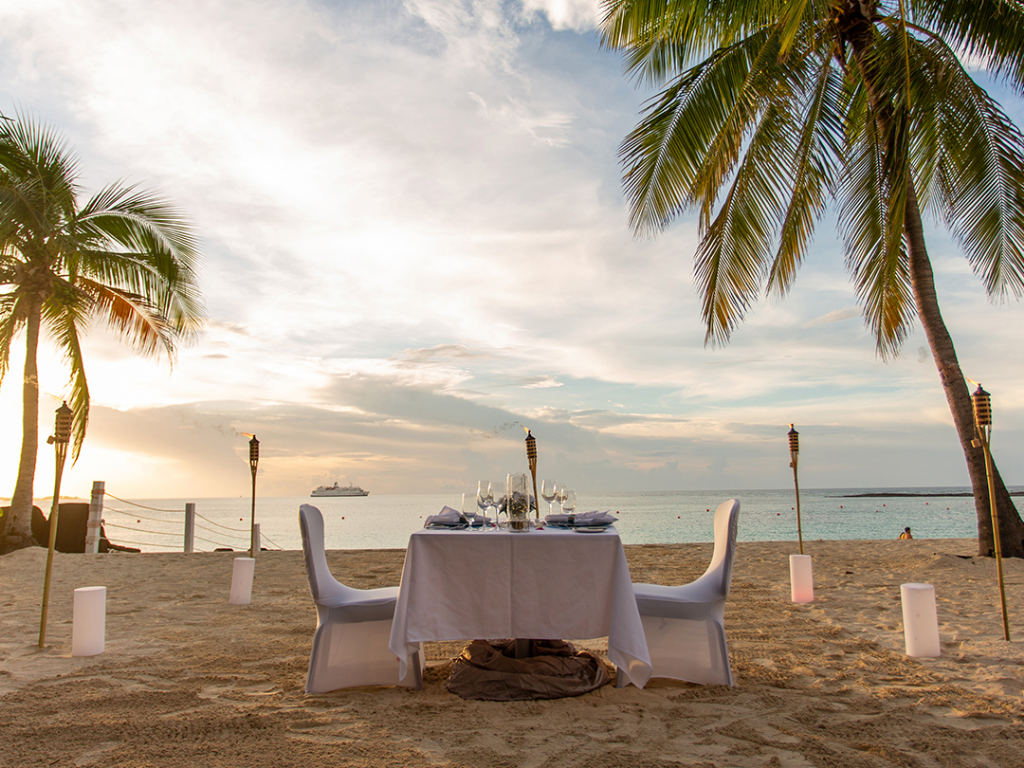
Experiential dining continues to play a central role, most notably through the return of Sunset Beach Dinners at The Cove. Set directly on the sand, the series offers an elevated barbecue-style menu paired with sommelier-selected wines, curated cocktails and live DJ entertainment. Timed to coincide with the Bahamian sunset, the evenings unfold communally, encouraging conversation and lingering rather than rushed courses.

Priced at $290-plus per person, the dinners are clearly positioned as a special-occasion experience — one that trades formality for atmosphere and lets the setting do much of the storytelling.

Seasonal wine dinners and festive culinary programming round out the calendar, reinforcing Atlantis’ growing focus onat food-led moments that feel intentional.

“Comfort Is the New Luxury”: Marriott Forecasts Asia-Pacific’s Next Food Trends

Forget white tablecloths — Asia-Pacific’s hotel kitchens are trading formality for feel-good flavours.

Marriott International has just released its Future of Food 2026 report for the Asia-Pacific region, and the takeaway is clear: travellers want dining that feels good as much as it tastes good. Drawing insights from chefs, mixologists, and food-and-beverage directors across more than 270 hotels in 20 markets, the report charts a shift toward warmth, familiarity, and storytelling.

Gone are the days when fine dining meant hushed tones and starched linens. Today, “comfort is the new luxury,” says the report, as hotels across Asia-Pacific reimagine indulgence through approachable yet elevated experiences. Think truffle-infused noodles instead of foie gras, or caviar-topped fried chicken in place of a ten-course tasting menu. Diners crave dishes that surprise without intimidating — a sign that culinary confidence now comes from authenticity, not extravagance.

Another headline trend: immersion. Nearly half of Marriott’s F&B teams say guests are seeking interactive dining moments — the kind where you meet the chef, watch something sizzle tableside, or take part in the plating yourself. The report also highlights a strong pull toward local and indigenous ingredients, with 85% of hotel restaurants incorporating them as a defining element of their menus rather than a token garnish.

Technology is also quietly joining the kitchen brigade. AI-driven menu design and real-time guest feedback are helping chefs fine-tune dishes while keeping the personal touch front and centre. And geographically, expect to see Indonesia, Vietnam, and the Philippines emerge as the next culinary powerhouses, where a new generation of chefs is blending deep tradition with bold creativity.

The message? Asia-Pacific’s hotel dining scene is having a renaissance — one rooted in comfort, connection, and a sense of place. Because in 2026, the most memorable meals won’t just be the fanciest. They’ll be the ones that make you feel at home, wherever you are.