A Taste of the Mediterranean with Masterchef Canada Judge Michael Bonacini
Chef Michael Bonacini on the evolution of cruise dining and hosting a luxury yacht journey with his son.
by Ann Ruppenstein
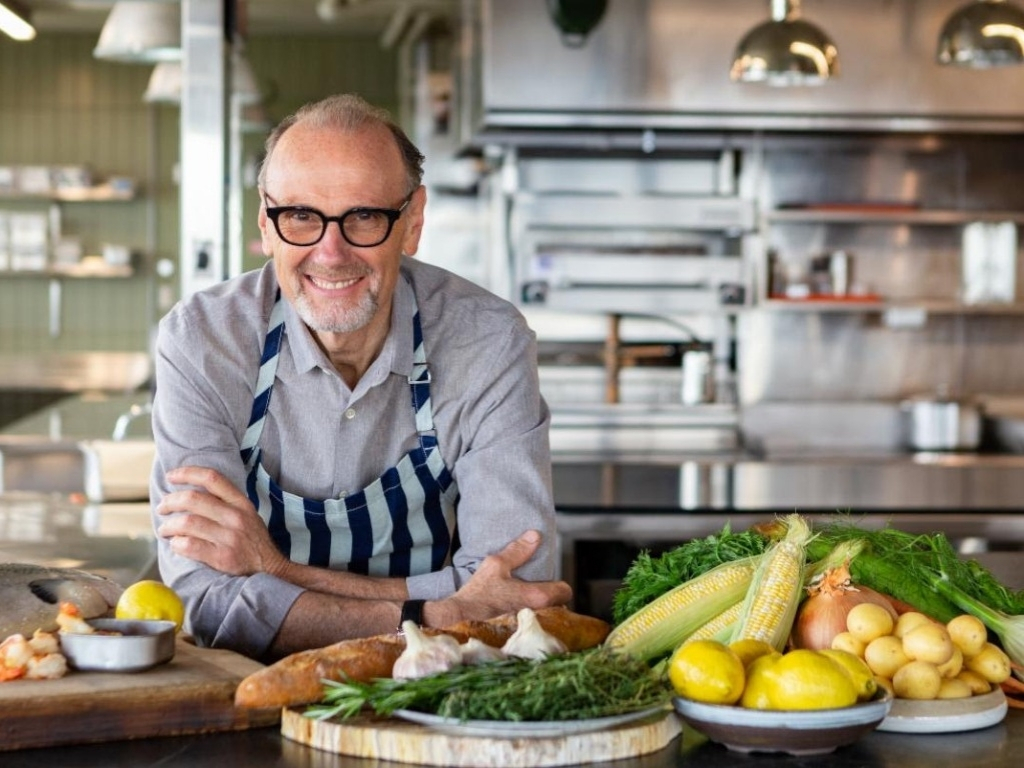
This summer, renowned chef Michael Bonacini, co-founder of Oliver & Bonacini Restaurants and a prominent MasterChef Canada judge, is taking his culinary skills from land to the Mediterranean Sea on an eight-day culinary journey with Emerald Cruises. He’ll host the luxury yacht voyage through Sardinia, Corsica and the Côte d’Azur alongside his son Oscar, also a chef. Ahead of departure, we caught up with Bonacini to talk about cruise dining, cooking at sea and food-driven travel.
We hear you are off to the Mediterranean this summer to host a culinary journey with your son Oscar. What are you most excited about? Which destination are you most interested in seeing and why?
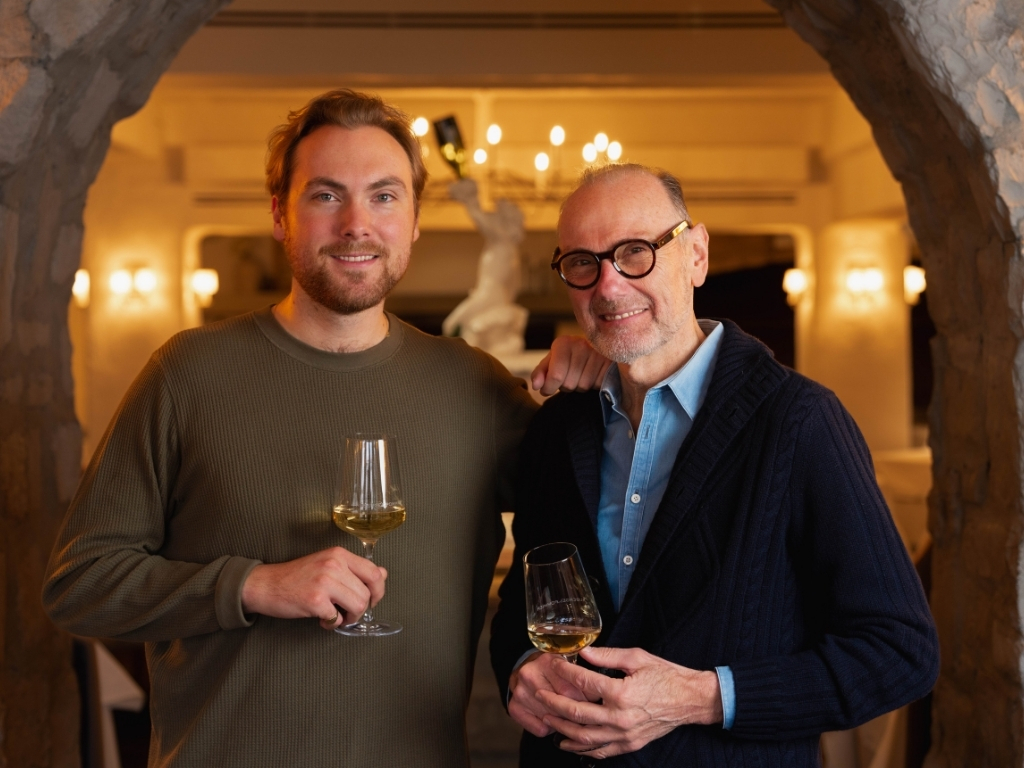
I’m incredibly excited for this journey, especially as I’ll be experiencing it alongside my son, it makes it all the more special. Emerald Yacht Cruises’ Riviera Rendezvous itinerary is a fantastic mix of destinations, from Nice to Bonifacio and Marseille, but I’m especially looking forward to visiting Corsica. It’s a place I’ve long wanted to explore, and I’m eager to experience its unique blend of French and Italian influences, rich history, and local cuisine while spending time on such a beautiful Mediterranean island.
What’s it like working with your son? Do you collaborate well, or do you tend to get competitive in the kitchen?
It’s incredibly special to work side by side with my son. Any parent would be excited for that opportunity, and I’m no different. We’ve collaborated before and get along really well. There’s always a bit of healthy competition in the kitchen, but it’s all positive – pushing each other to do things better, faster, and with precision.
At the same time, we collaborate closely. We’ll talk through ideas, locations, and the overall vision for the menu, sharing notes and refining things as we go. It’s about creating dishes that reflect the entire journey and drawing inspiration from the diverse culinary traditions across the regions we’re visiting and celebrating the richness and depth of Europe’s food culture in a meaningful way.
In your opinion, how is cruise food evolving? Tell us what guests can expect from the experience?
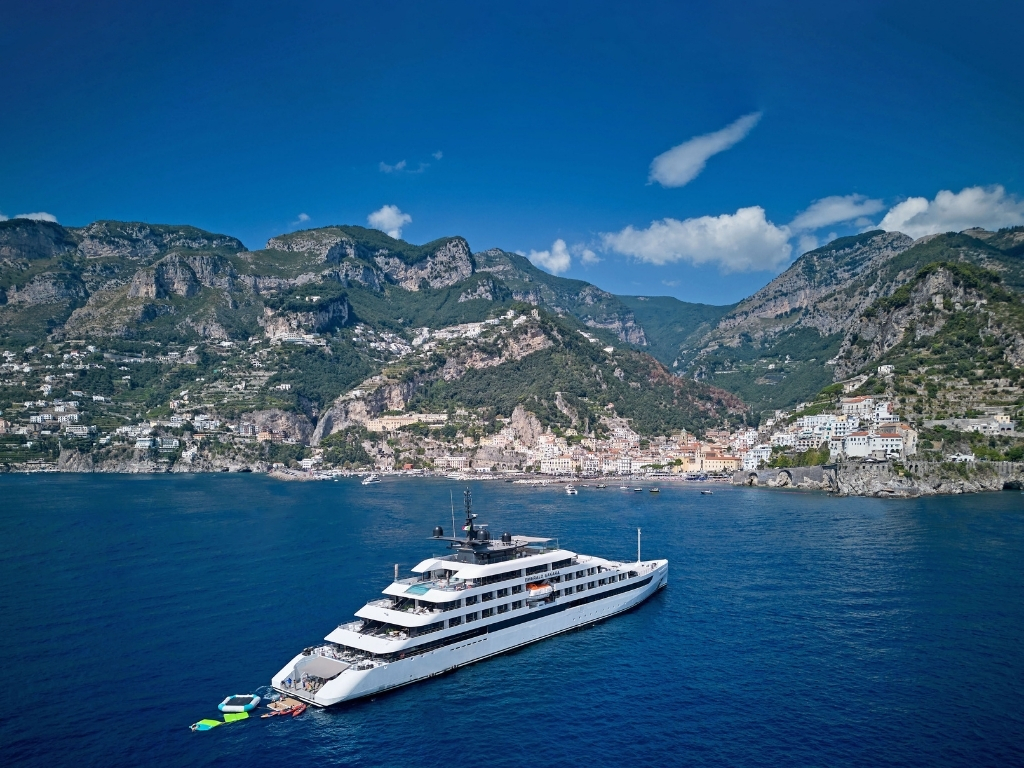
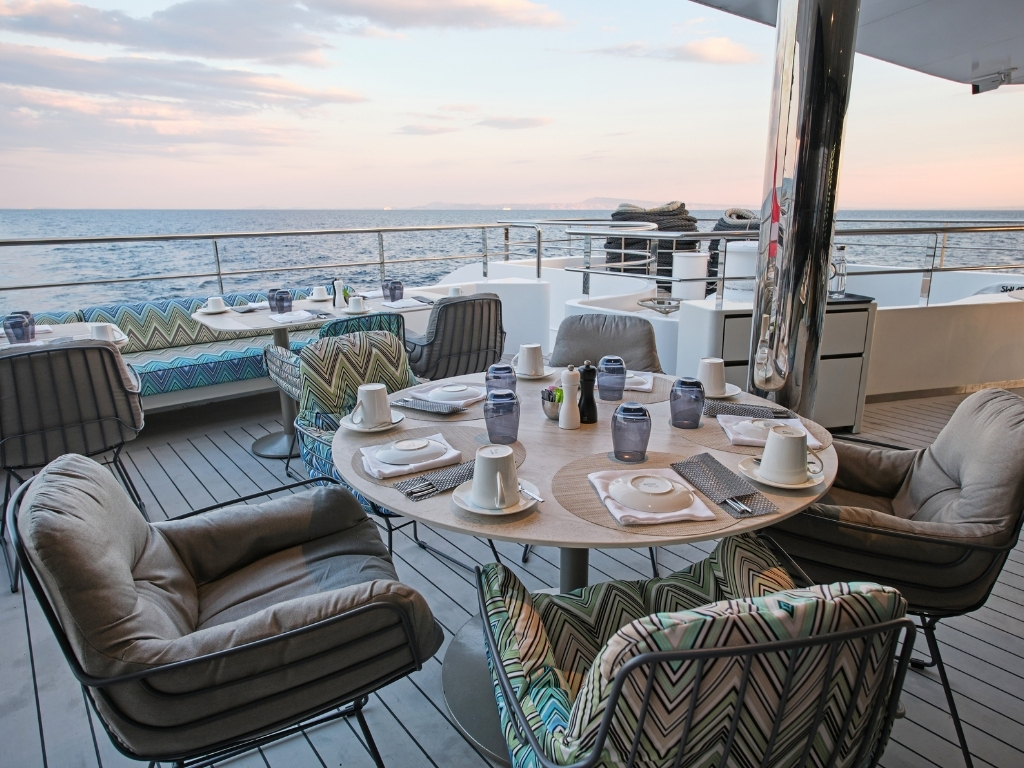
Cruise dining has evolved into a refined, all-day culinary experience, with guests enjoying exceptional quality and variety from morning through to late evening. Onboard Emerald Yacht Cruises, the focus is on fresh, locally inspired cuisine that reflects the destinations visited, paired with an elegant mix of open-air dining and a more intimate, relaxed atmosphere. Behind the scenes, the kitchens operate like finely tuned machines, running nearly around the clock to deliver consistently high standards for both guests and crew.
As with other hosted sailings I’ve been part of with Emerald Cruises, what truly sets this experience apart is the attention to detail and strong sense of place. Menus often feature regional ingredients sourced along the journey, creating dishes that feel authentic and connected to each destination. There’s also a constant focus on elevating quality and consistency, which is essential to delivering an exceptional onboard experience. The result is a refined yet approachable dining experience that rivals top restaurants on land. I’m especially thrilled for guests joining us to experience what we have planned.
How does cooking at sea creatively differ from running restaurants on land? What are the biggest challenges or opportunities in executing high-end cuisine in a shipboard kitchen?
Creatively, there’s little difference between cooking at sea and on land, the inspiration and ideas flow just as naturally, often even more so when you’re travelling and drawing from each destination. One of the unique advantages is the opportunity to visit local markets at different ports, sourcing fresh, regional ingredients that enhance the authenticity and overall culinary experience for guests.
While sourcing on a moving ship can present challenges, it also encourages thoughtful planning, close collaboration with the onboard culinary team, and a high level of flexibility. Menus may evolve based on what’s available, but that adaptability often leads to unexpected creations, sometimes even better than originally imagined.
Do you already have ideas for what you will be cooking on the trip? What inspired the process? How will the destinations on your itinerary influence your menus or ingredients?
We do have a menu prepared, along with a few backup dishes in case any adjustments are needed. The menu really reflects the region we’re travelling through, the season, and the diverse culinary influences of each port.
There’s also an element of storytelling to it – we’re looking forward to sharing that with guests throughout the cruise. The final piece is working with the onboard sommelier to pair the wines, which is always an enjoyable process. It’s a menu we’re really excited about, and we can’t wait to bring it to life onboard.
Why do you think food-driven travel continues to resonate with Canadian travellers?
Food and travel have always gone hand in hand; it’s one of the most natural and engaging ways to connect with a destination. Conversations often come back to meals, memories, and traditions, because food is something everyone can relate to.
For Canadian travellers, it’s about discovery – tasting local flavours, exploring markets, and experiencing everything from street food to fine dining. There’s also a growing demand for more focused, themed travel, with culinary-driven cruises and journeys offering deeper dives into regional cuisines and global flavours.
There’s no shortage of ways to experience this, from restaurants and farmers’ markets to local producers, shops, and food artisans. It becomes a way of truly connecting with a place, almost like being a culinary archeologist – discovering new flavours, traditions, and specialties to savour and take home.
What other culinary trends are you noticing in the Canadian market?
One of the biggest trends in the Canadian market is the growing demand for more intimate, experience-driven travel, particularly on smaller, luxury ships and yachts. Travellers are drawn to the sense of exclusivity, comfort, and access to less-travelled destinations, which makes the journey feel more unique and personal.
On the culinary side, there’s a clear shift toward more curated and diverse dining experiences. Rather than one large dining setting, guests are looking for variety, whether that’s intimate tasting menus, small-group dining, or more personalized, made-to-order experiences. I recently attended the launch of Scenic Cruises’ new Discovery Yacht, Scenic Ikon (sister brand to Emerald Yacht Cruises) which will feature 15 distinct, all-inclusive dining venues, some with as few as 20 seats. It’s a brilliant concept, offering guests a choice beyond a single dining room, from intimate tasting menus to a variety of cuisines.
These layered, highly personalized options bring a new level of innovation and excitement to the journey, ultimately creating meaningful moments and memories. People will often forget what you say, what you did, but they’ll never forget how you made them feel. And I think that is how you capture people when it comes to culinary experiences.
Let’s go back in time, tell us a little about how you first discovered your interest in cooking? Were you whipping up meals for your family at a young age?
It’s an easy answer for me. I was lucky to know from a young age exactly what I wanted to do. I was drawn to three things: forestry, driving a truck and becoming a chef, and in many ways, I’ve been able to experience all three.
My passion for food came from growing up immersed in it. My family was deeply connected to farming and hospitality – we had kitchen gardens, raised livestock, and were always surrounded by fresh, homegrown ingredients. Cooking and food were simply part of everyday life. With a sister, uncle, and extended family in the culinary world and my parents in the hotel business, it felt like a natural path.
I followed that passion to culinary school and went on to work in some incredible places, from London to across Europe and North America. And back at our country home in Caledon, we’ve planted thousands of trees – ticking the forestry box – while I’ve happily swapped driving a truck for a tractor. Looking back, it all started with those early experiences around food, and I wouldn’t change a thing.
What is your favourite meal to eat… or to make?
My favourite meal to eat is quite simple, a perfectly roasted whole chicken. I’ve always loved it, and over time I’ve come to appreciate just how special it is. When my wife Valerie makes it, the aroma alone is incredible, it fills the house, and I know exactly what’s waiting when I come home. I also love that nothing goes to waste; I’ll use the leftovers to make stocks, soups, or risottos.
As for my favourite meal to make, I always come back to a humble pasta. It’s versatile, quick, and can be as simple or as thoughtful as you like. With just a few good ingredients, you can create something truly delicious – that’s what makes it such a favourite for me.
Are you seeing increased demand for chef-led or culinary immersion cruises from Canadian travellers?
Yes, absolutely, I’m seeing a growing appetite among Canadian travellers for experiences that go beyond traditional dining, blending food with storytelling, culture, and connection. I’ve seen this firsthand through the success of our hosted culinary journeys with Emerald Cruises, both on river and ocean, where guests really value that personal interaction and culinary insight with us.
What’s especially exciting is how this continues to evolve through hands-on experiences, cuisine-focused itineraries, and curated dining ashore with local chefs. It adds a deeper, more immersive layer to travel, and it’s a trend I only see continuing to grow.
I’m told that Canadian travellers are more adventurous and want to try food from the regions they are visiting while travelling compared to some other travellers who often want the creature comforts of home. Have you noticed this as well?
I’d like to think that’s true. Canadians do seem to be very open-minded when it comes to trying new foods while travelling. And really, that’s such an important part of the experience. Food is one of the most direct ways to connect with a destination.
Often, it’s just about being willing to step outside your comfort zone. Some of the most memorable experiences come from trying something unexpected, dishes you might not have chosen otherwise, but end up loving. Those moments stay with you. At the end of the day, that sense of curiosity and adventure is what makes travel so rewarding, and I do think many Canadian travellers embrace that in a meaningful way.
What’s great with Emerald Yacht Cruises is that this mindset is fully supported. The relaxed luxury style, overnight stays, and thoughtfully curated itineraries give guests the freedom to explore and dine at their own pace, whether that’s discovering local restaurants, or enjoying the culinary experiences woven into each destination.
Are there any Canadian culinary influences you’re especially proud to showcase internationally?
What we’re thrilled to bring to this cruise is our distinctly Canadian approach. My son and I are proud Canadian chefs, and that comes through in our attitude and cooking: being humble, approachable, and genuinely passionate about sharing what we create. It’s not just about the food; it’s about the overall experience. Through our dinners, cocktail reception, cooking demo, and Q&A session, we’re able to connect with guests, share stories, and create a relaxed, welcoming atmosphere. That sense of openness and authenticity is something I think reflects Canada very well.