Author: Culinary Travels Staff

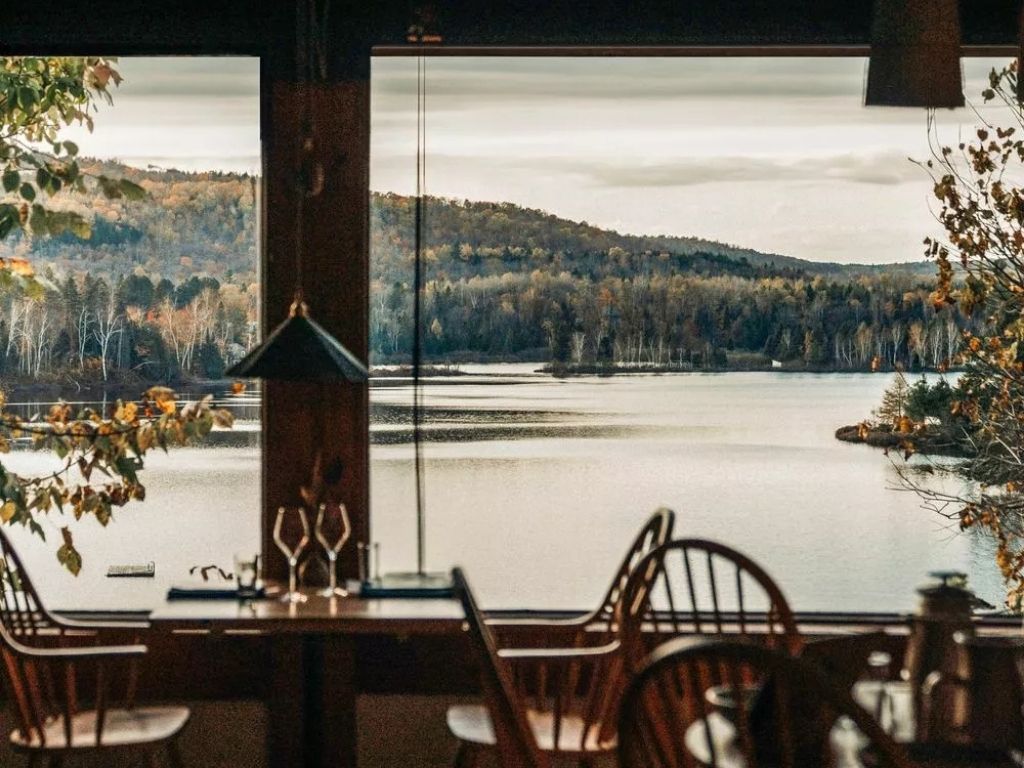
Auberge Saint-Mathieu

Michelin Has Spoken: These Are the Food Trends Defining Travel in 2026

From fire-led cooking to zero-proof pairings, these trends are reshaping menus around the world.

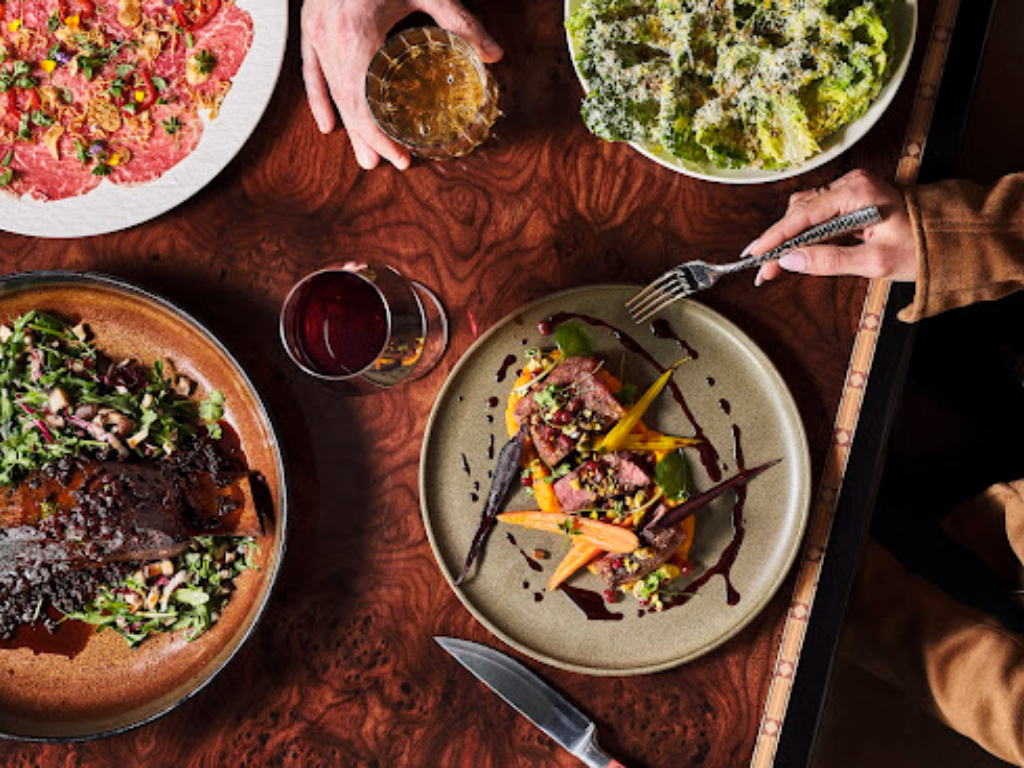
In its latest trend report, Michelin’s global team of inspectors – who collectively log thousands of meals a year – have pinpointed the dining trends gaining momentum. And while the details are chef-driven, the takeaway for travellers is simple: the most exciting trips right now are being built around the table.

Here are a few shifts worth paying attention to.

Fire Is Having a Moment

Open-flame cooking is everywhere right now, from refined wood-fired tasting menus to beachside grills that feel quietly transcendent.

Slow Food, Literally

Fermentation, curing, ageing — chefs are leaning into time as an ingredient. The result is deeper flavours, less waste (since produce can last longer when fermented) and menus that feel tied to a region’s history.

Zero-Proof, Zero Compromise

Non-alcoholic pairings have officially grown up. Think layered botanical drinks, tea-based pairings and complex, savoury pours designed to match a tasting menu beat for beat.

A Little More Theatre, Please

After years of ultra-minimal service, some personality is creeping back in. Expect tableside finishing, storytelling and a bit of interaction. Dining is becoming immersive again, not just observational.

Michelin dives deeper into all of the trends (and the restaurants leading them) in its 2026 food trend report


Research Shows That Food Is a Top Reason to Travel in 2026

Nearly 80% of travellers now choose destinations based on what they’ll eat, planning their trips from the plate up.

For decades, travel decisions were shaped by scenery, price, and proximity. But according to the latest TravelBoom 2026 Leisure Travel Study, another factor now sits firmly alongside those fundamentals: food. Nearly 80% of travellers say cuisine is either important or very important when choosing a destination — placing it on par with cost, location, and reviews. In practical terms, that means what you eat is no longer a bonus. It’s a deciding factor.

What Today’s Travellers Actually Want to Eat

The data reveals a shift that goes beyond rising interest — it’s a redefinition of what culinary travel looks like.

  • 66% of travellers say they’re most excited by street food
    64% prefer unique, local experiences over fine dining or Michelin-starred restaurants

This isn’t about prestige dining. It’s about proximity to culture. Travellers are seeking out neighbourhood spots, market stalls, and regional specialties — the kinds of meals that feel rooted in place. The appeal lies in discovery: eating what locals eat, understanding how dishes are made, and experiencing food as a form of storytelling.

Beyond the Restaurant Reservation

The study also highlights how culinary experiences are shaping entire itineraries.

Travellers aren’t just booking tables — they’re building trips around food-led activities:

– Guided market and street food tours
– Cooking classes with local chefs
– Farm-to-table meals on-site
– Winery, brewery, and distillery visits
– Regional food festivals and heritage dining experiences

These moments offer something traditional sightseeing often can’t: participation. Food becomes an entry point into culture — tactile, social, and deeply memorable.

A Trend That Cuts Across Generations

One of the most compelling findings is how universal this shift is.

Culinary tourism resonates across demographics — from Boomers seeking deeper cultural immersion, to families looking for shared, sensory experiences, to solo travellers prioritizing meaning over checklist travel.

Regardless of age or travel style, food is emerging as the common denominator. And because meals are inherently shareable — both socially and digitally — they extend the life of a trip long after it ends.

What This Means for Hotels and Destinations

For hotels and tourism boards, the takeaway is clear: food is no longer an amenity. It’s a strategic asset.

Properties that succeed in this landscape are those that treat culinary experiences as core to their identity. That can mean partnering with local chefs and producers, designing food-focused packages, or creating on-property programming that invites guests into the process — from tastings to hands-on workshops.

Equally important is how these experiences are presented. Travellers aren’t just looking for places to stay — they’re looking for stories to taste. The more vividly those stories are told, the more compelling the destination becomes.

Lithuanian pink soup festival

Vilnius Is Throwing a Whimsical Pink Soup Festival

This three-day celebration of Lithuania’s iconic cold beet soup is turning Vilnius into one of Europe’s most unexpected summer hotspots.

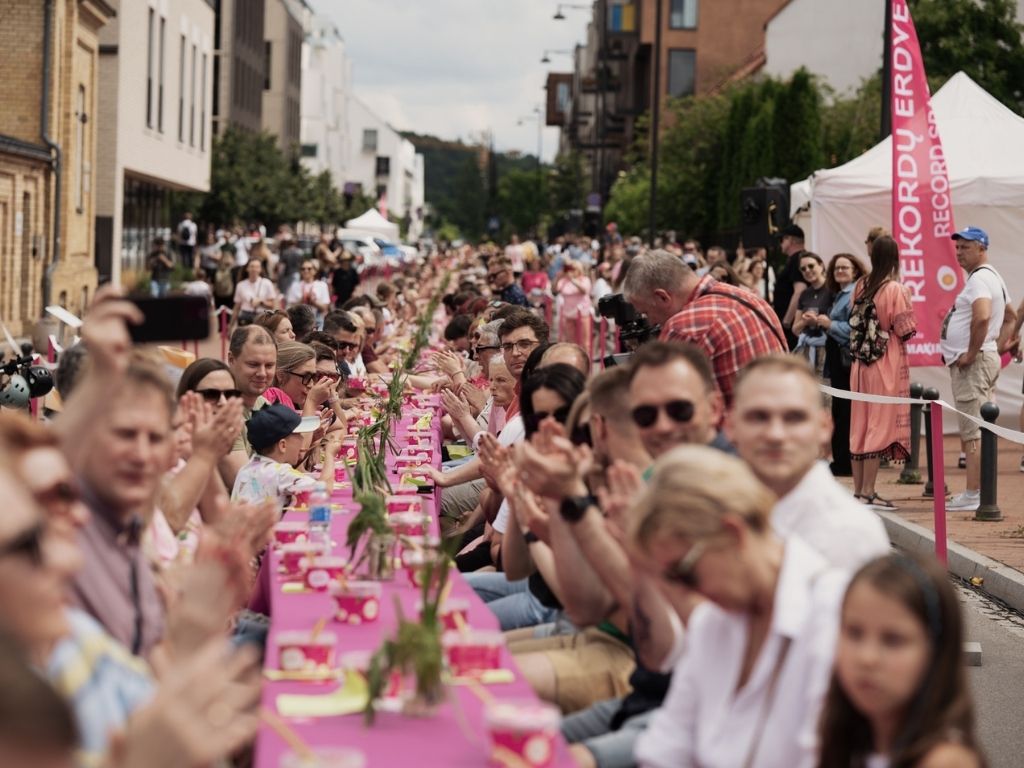
From May 29 to 31, Lithuania’s capital will once again turn shades of fuchsia for its annual Pink Soup Fest, a high-energy, slightly surreal celebration dedicated to šaltibarščiai, the country’s beloved cold beet soup. Equal parts food festival and citywide party, the event has quietly become one of the Baltic region’s most compelling reasons to visit — especially as travellers look beyond the usual Mediterranean circuit.

And yes, everything is pink.

Vinius pink soup festival

What started as a quirky local celebration has quickly scaled into a major draw. The festival is expanding to three days this year after rapid growth, with attendance jumping from 42,000 visitors in 2024 to 93,000 last year.

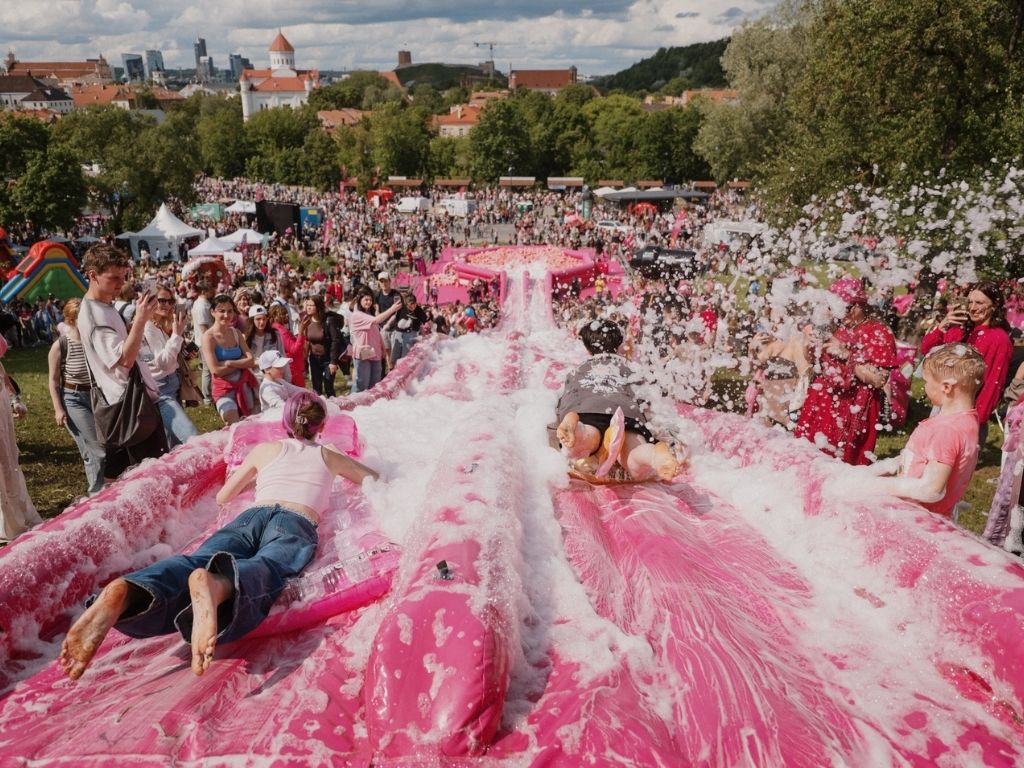
That momentum speaks to something bigger than a single dish. Pink Soup Fest now unofficially marks the start of summer in Lithuania, transforming Vilnius into an open-air playground of parades, performances, and playful chaos.

Think foam slides. Think costumed runs. Think marching bands and dancers weaving through streets filled with people carrying bowls of neon-pink soup.

At the centre of it all is the Pink Soup Parade, a procession that leans fully into the absurd, with participants dressed in elaborate pink outfits competing for best costume. Visitors are encouraged to join in, not just watch.

The dish behind the spectacle

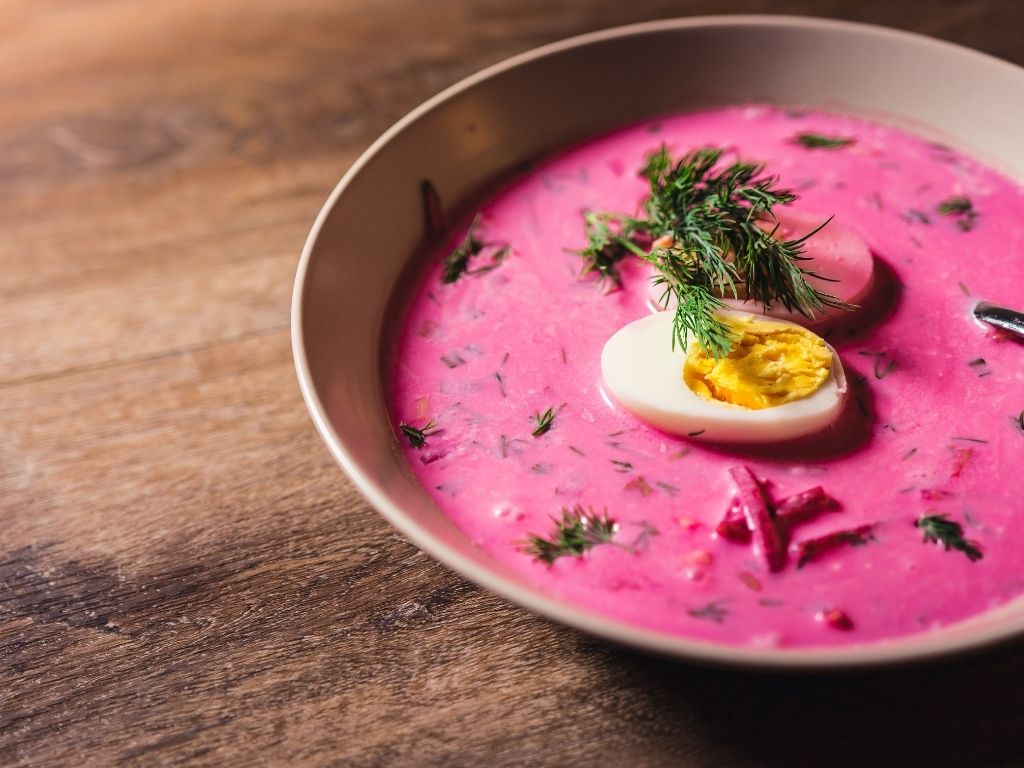
For all its theatrics, the festival is rooted in something deeply traditional. Šaltibarščiai — typically made with beetroot, kefir, cucumber, dill, and eggs — dates back centuries and remains a staple of Lithuanian cuisine.

Served cold and vividly pink, it’s both refreshing and visually striking, which helps explain its recent rise beyond Lithuania. The soup has been gaining traction globally, even ranking among the world’s top cold soups, thanks in part to its probiotic-rich kefir base and antioxidant-heavy ingredients.

During the festival, you’ll find it everywhere — from traditional versions to modern reinterpretations — served across restaurants, pop-ups, and street stalls throughout the city.

Sometimes, the best trips are the ones that don’t take themselves too seriously.

Eataly new Cortina menu

Eataly Brings the Flavours of Cortina d’Ampezzo to North America

Through March 29, Eataly’s North American locations are spotlighting Alpine cuisine inspired by Italy’s storied mountain resort.

There’s a certain kind of comfort food that belongs to the mountains: molten cheese, crisp-edged polenta, forest mushrooms and something warming in your glass. This winter, Eataly is tapping into that Alpine menu with a limited-time “Cortina” program across its North American stores, inspired by Cortina d’Ampezzo in the Dolomites.

Running through March 29, the regional activation brings Northern Italy’s high-altitude flavours to Eataly’s restaurant concepts, including La Pizza & La Pasta and Eataly Ristorante. Menus lean into hearty, cold-weather fare: Fontina DOP fondue enriched with black truffle butter, crispy polenta topped with lardo and rosemary, spinach tagliatelle with mushroom ragù and Grana Padano DOP, and pillowy potato gnocchi paired with roasted squash and fonduta. Pizza gets an Alpine spin, too, with the Misto Bosco layering mozzarella, sautéed mushrooms, caramelized onion cream and speck. 

Eataly Cortina
Eataly Cortina menu

The beverage list channels après-ski energy, featuring Dolomiti beer alongside winter-ready cocktails such as “Pass the Torch” and “By the Fire.” It’s the kind of lineup that makes an urban dining room feel, briefly, like a chalet.

True to Eataly’s “eat, shop, learn” model, the Cortina experience extends beyond the table. A dedicated retail capsule showcases products from Italy’s Alpine regions, including cheeses, cured meats and sweets. At La Scuola, Eataly’s in-house cooking school, guests can sign up for Northern Italian–inspired classes, from hands-on pasta-making to wine and cheese tastings.

A Panini Fest Cortina, launching February 16, adds a more casual option at quick-service counters, including a speck-and-taleggio Cortina Panino served on a fresh baguette.

Founded as a global Italian marketplace and retail concept with more than 50 locations worldwide, Eataly has built its reputation on spotlighting Italy’s regional diversity. This season, the focus is firmly on the Alps — no ski pass required.

How to Make a Bombardino, Italy’s Cozy Après-Ski Cocktail

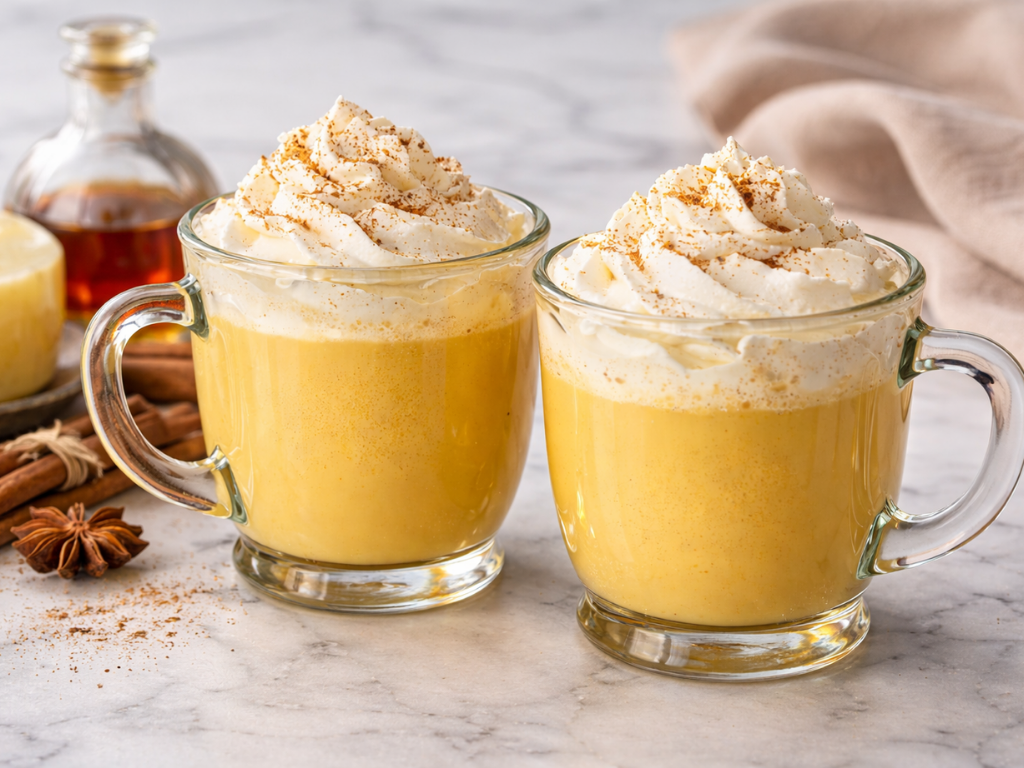
This warm winter drink tastes like dessert in a mug. Try it for yourself with this recipe by Tuscan Women Cooks.

There’s a certain kind of cold that calls for something richer than mulled wine — something creamy, comforting, and unapologetically indulgent. Enter Bombardino, Italy’s beloved Alpine winter drink, traditionally enjoyed après-ski in the Dolomites and northern mountain towns.

Part cocktail, part dessert, Bombardino was invented in the early 1970s to revive skiers after long days on the slopes. Its name, loosely translating to “little bomb”, hints at its warming power. While many bars rely on bottled liqueurs, this version from Tuscan Women Cook keeps things beautifully simple and homemade, using rich eggnog, brandy, and a cloud of whipped cream.

It’s the kind of drink you make slowly, savouring the ritual as much as the result — ideal for snowy evenings, holiday gatherings, or anytime you want to channel a little Italian mountain magic.


Recipe: Bombardino

Serves: 2

Ingredients

  • ½ cup eggnog

  • 3 ounces brandy (such as Vecchia Romagna, Etichetta Nera, or Gran Gala orange liqueur)

  • Whipped cream

  • Ground cinnamon

Instructions

  1. Gently heat the eggnog over medium heat until just barely simmering — do not boil.

  2. Divide the hot eggnog between two glass mugs.

  3. Add 1½ ounces of brandy to each mug.

  4. Top generously with whipped cream and finish with a light sprinkle of ground cinnamon.

  5. Serve immediately, preferably somewhere cozy.

Recipe reprinted with permission from Tuscan Women Cooks.

St Martin Food Guide

Five Must-Try Delicacies in Saint Martin

French finesse and Caribbean soul make for an irresistible food scene.

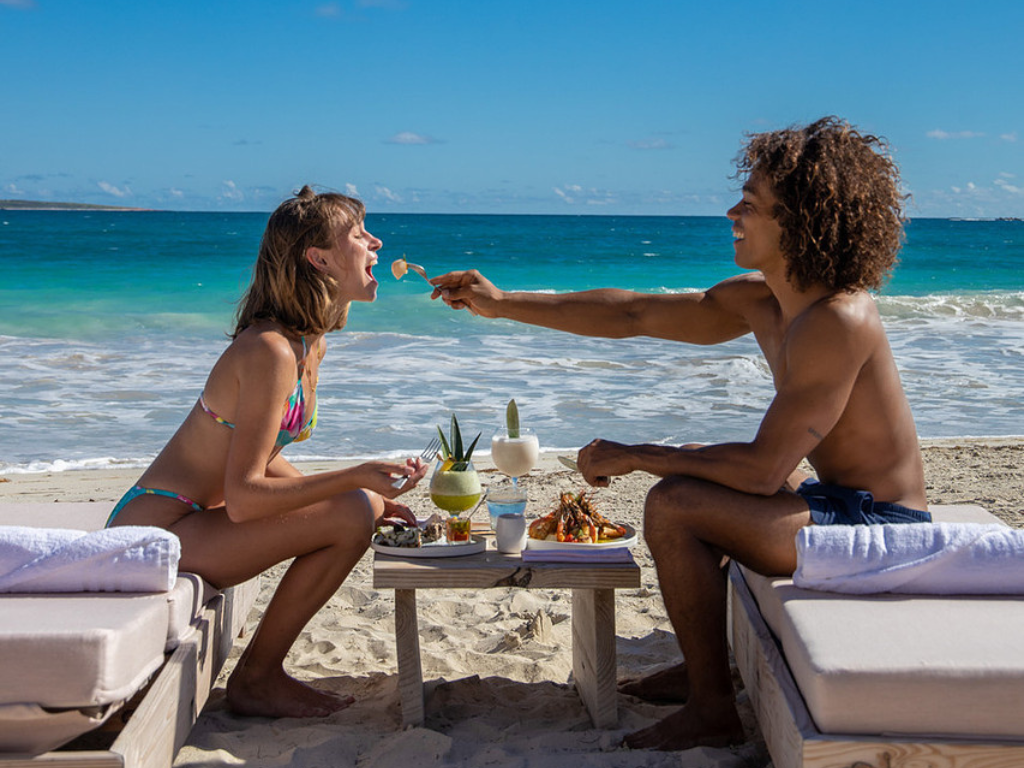
On this sun-splashed island shared by France and the Netherlands, menus tell the story of many cultures. From market-fresh seafood and Creole comfort food to fine French pastries and island-made rum, dining here is the most delicious way to experience St. Martin’s mosaic of flavours.

Conch and Dumplings

Tender conch is slowly simmered in a peppery gravy and paired with dense flour dumplings for a hearty, soul-satisfying dish. With deep African-Caribbean roots, this seafaring staple turns a fisher’s catch into a complete, comforting meal.

Try it at: A traditional lolo in Grand Case, where you’ll find this homestyle favorite served alongside the smoky aroma of the grill and the rhythm of island life.

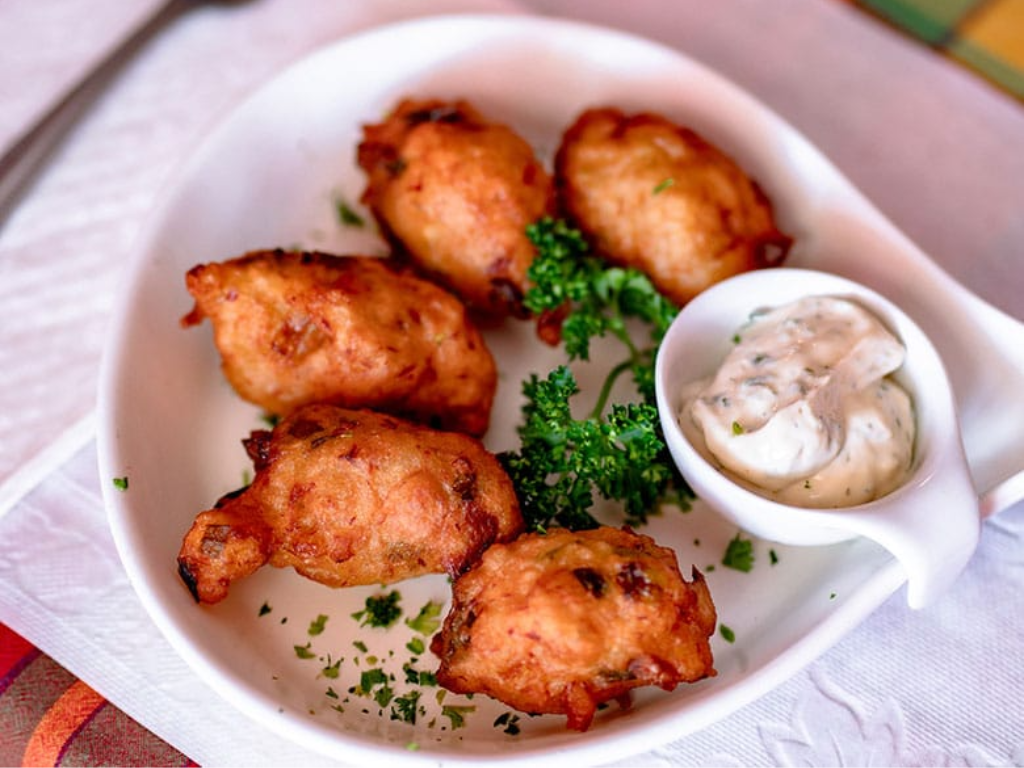
Salt Cod Fritters (Accras de Morue)

Salt cod fritters are herbed, spiced and fried until crisp on the outside with a soft, steamy centre. This French-Antillean favourite is a go-to starter at beachside lolos and fine restaurants alike.

Try it at: Talk of the Town in Grand Case, a beloved lolo (open-air food stall) where accras fly out of the fryer alongside barbecue and seafood plates.

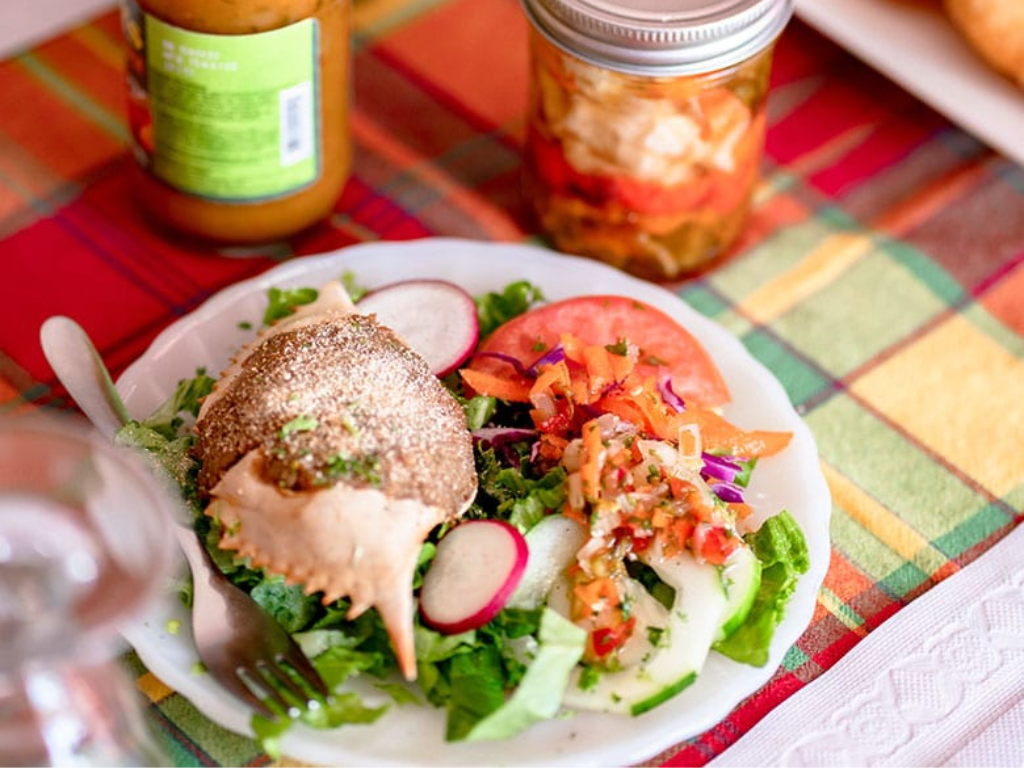
Saint Martin Stuffed Crab Backs
Stuffed Crab Backs
Salt Cod Fritters

Stuffed Crab Backs (Crabe farci)

Seasoned crabmeat mixed with aromatics and crumbs is packed back into the shell and baked until golden. Once a festive specialty, this French-Creole dish is now a beloved island staple.

Try it at: Yvette’s Restaurant in French Quarter, a family-run Creole house that’s been open for decades.

Johnny Cakes

Golden and fried until crisp at the edges and pillowy inside, these breads are as versatile as they are comforting. Thought to have evolved from Indigenous American cornmeal cakes once called journey cakes, the St. Martin version is flour-based and often stuffed with salt fish, cheese or ham.

Try it at: Sky’s the Limit lolo in Grand Case, one of the island’s oldest and most beloved barbecue spots. Locals rave these are the fluffiest on the island.

Guavaberry Rum

Made from the tiny, tart guavaberry fruit that grows wild in the hills, this spiced liqueur is the island’s signature spirit. Traditionally enjoyed at Christmas, today it’s sipped year-round in cocktails and punches.

Try it at: Guavaberry Colombier Tradition in Colombier, where you can taste the island’s national drink and buy a bottle as a souvenir.

Plan Your Escape 

Ready to eat your way across the island? Learn more and plan your trip at st-martin.org.

Stanley Restaurant Montreal

Make It a Hockey Night in Montreal at Stanley Restaurant

Game-night energy meets gourmet at Le Centre Sheraton, just steps from the rink.

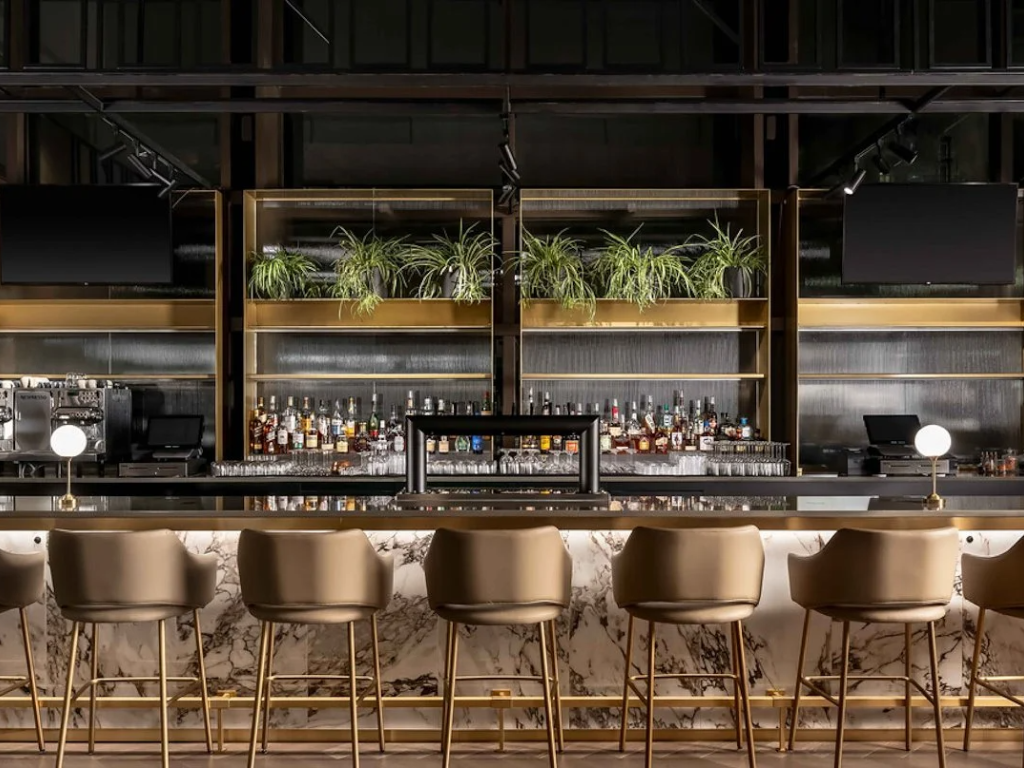
Stanley Restaurant Montreal bar
Stanley Restaurant Bar

Nestled in the heart of downtown at Le Centre Sheraton Montréal Hôtel—just steps from the Bell Centre—Stanley brings together the thrill of a hockey night out with a culinary twist. Opened last year, the restaurant occupies the hotel’s revamped lobby, offering visitors and locals alike a seamless blend of elevated hospitality, game-night buzz, and urban ease.

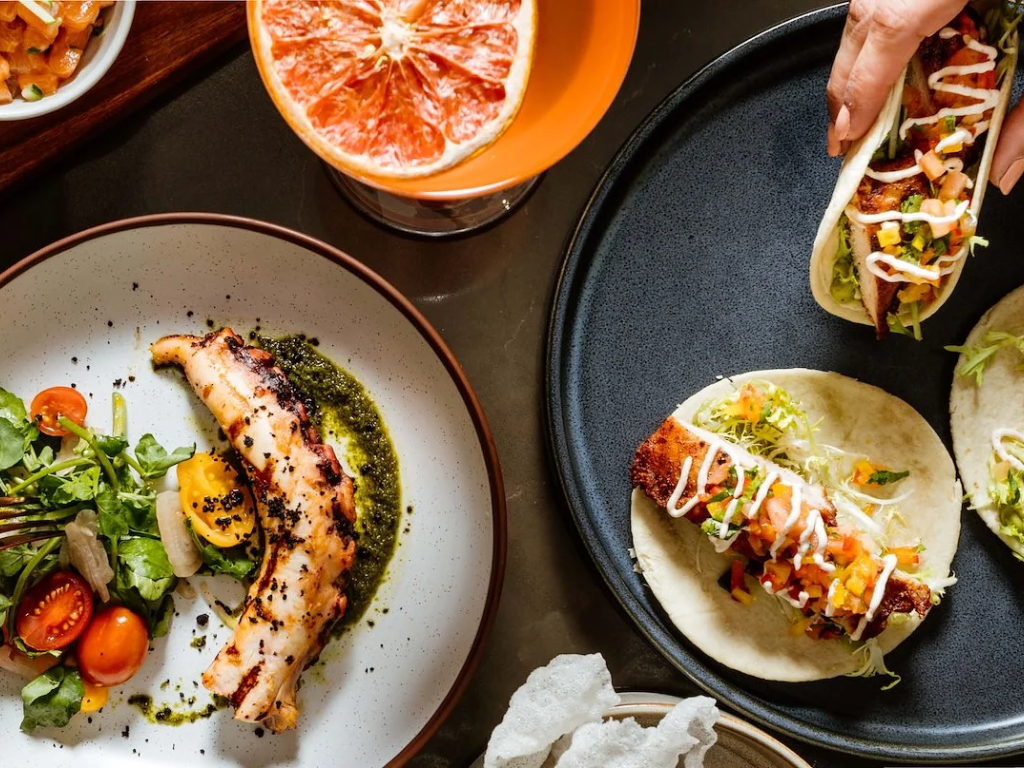
Share a plate of heirloom tomatoes carpaccio layered with stracciatella and tomatillo salsa verde, or the vibrant Mahi-Mahi ceviche dressed with coconut milk, lemongrass oil, and plantain chips. There’s also a top-rated grilled octopus with orange-honey glaze.

For mains, choose from a hearty beef burger with candied garlic aioli, a bright tuna and scallop poke Bowl, or flame-kissed Piri-Piri chicken. The plates are hearty yet refined, and the setting feels more lounge than sports bar.

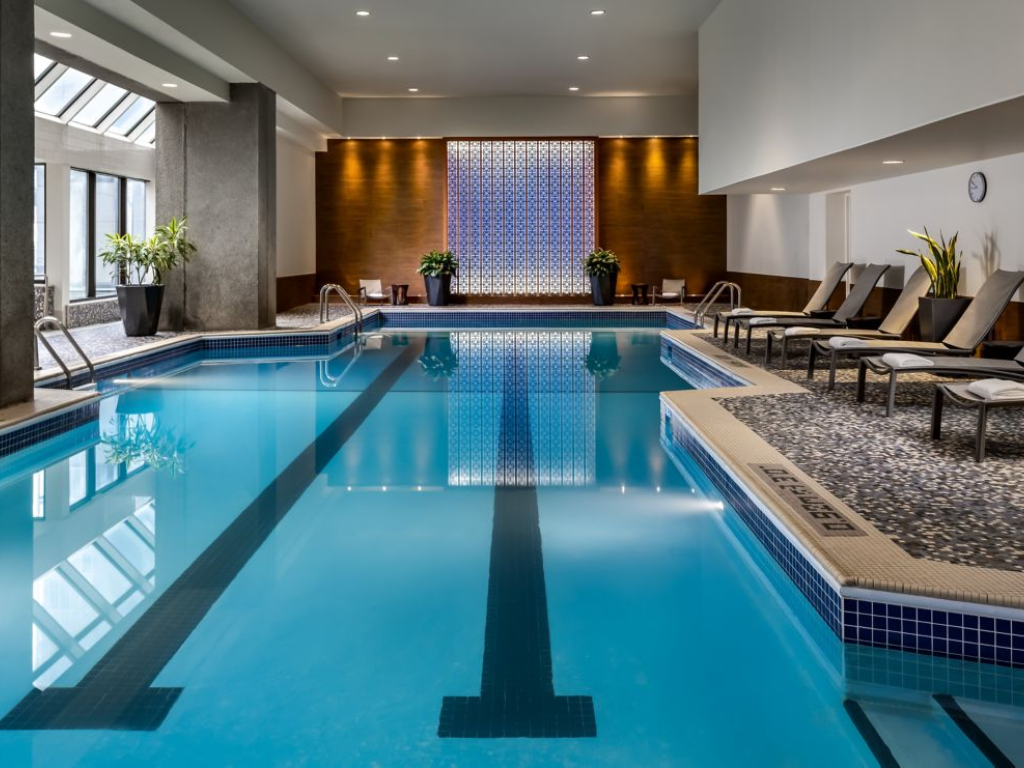
Centre Sheraton Montreal Pool
Centre Sheraton Montreal Suite

After dinner, guests can keep the evening moving: a short stroll to the Bell Centre, or a return to a plush suite upstairs. Overnight visitors can take advantage of the hotel’s expansive pool and gym—perfect for working off those appetizer rounds.

Whether you’re in town for the puck drop or simply after a stylish downtown stay that eats well, a night at Stanley and Le Centre Sheraton is a win.