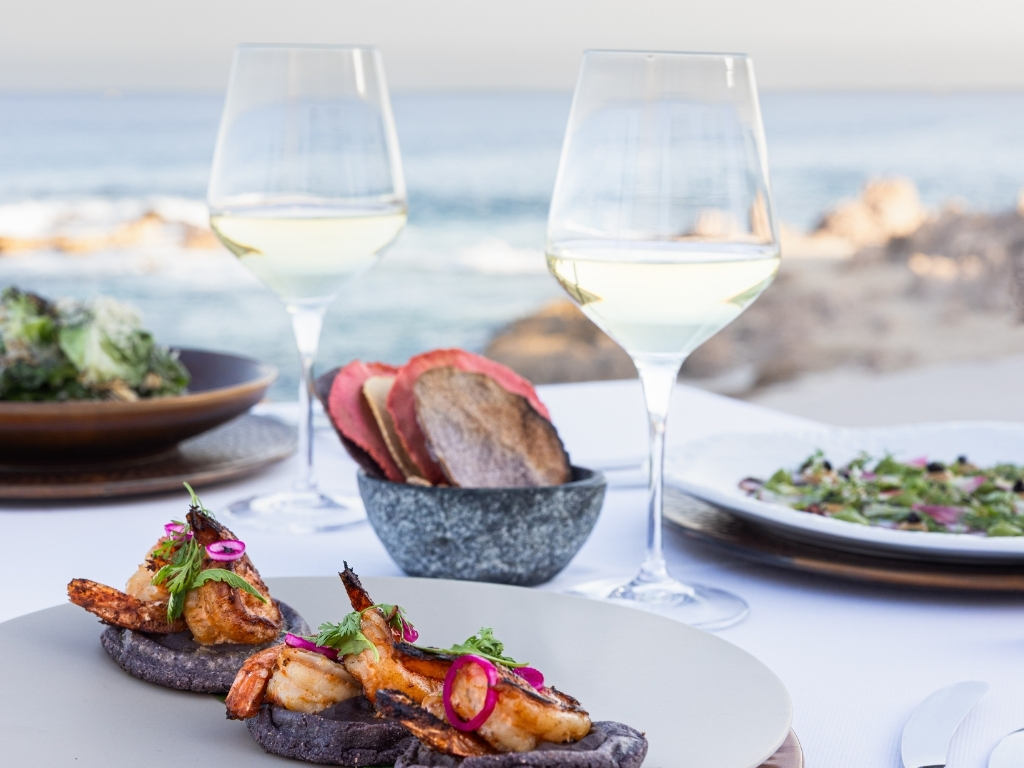
A Fresh Take on Mexican Cuisine at Hacienda del Mar Los Cabos
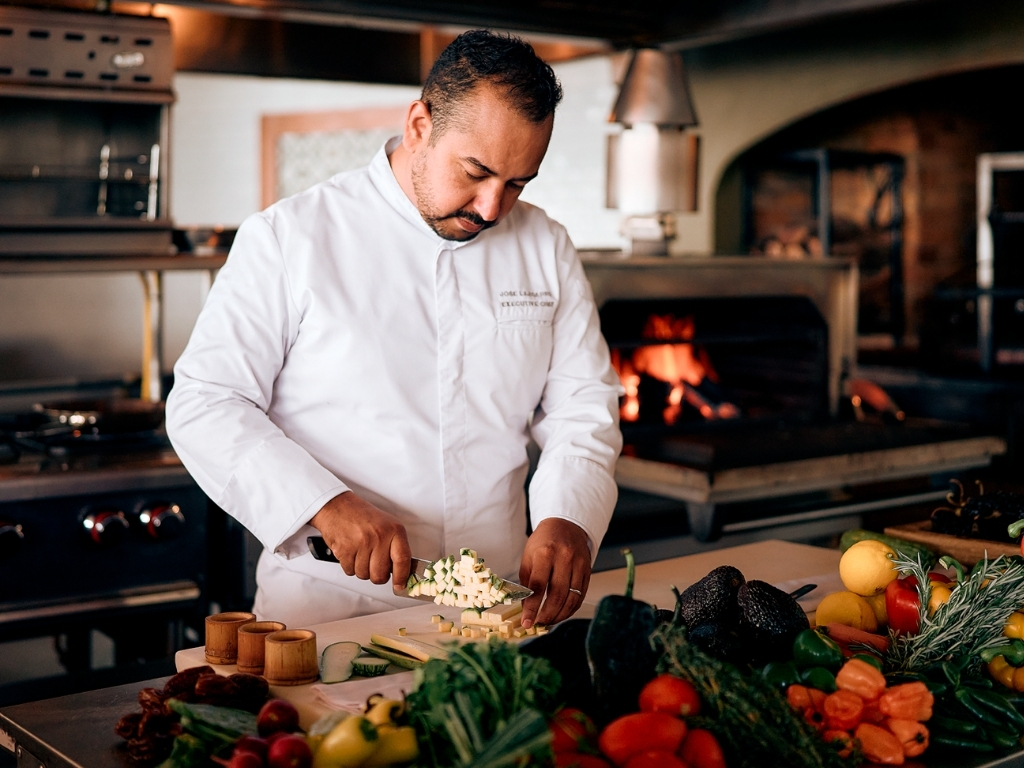
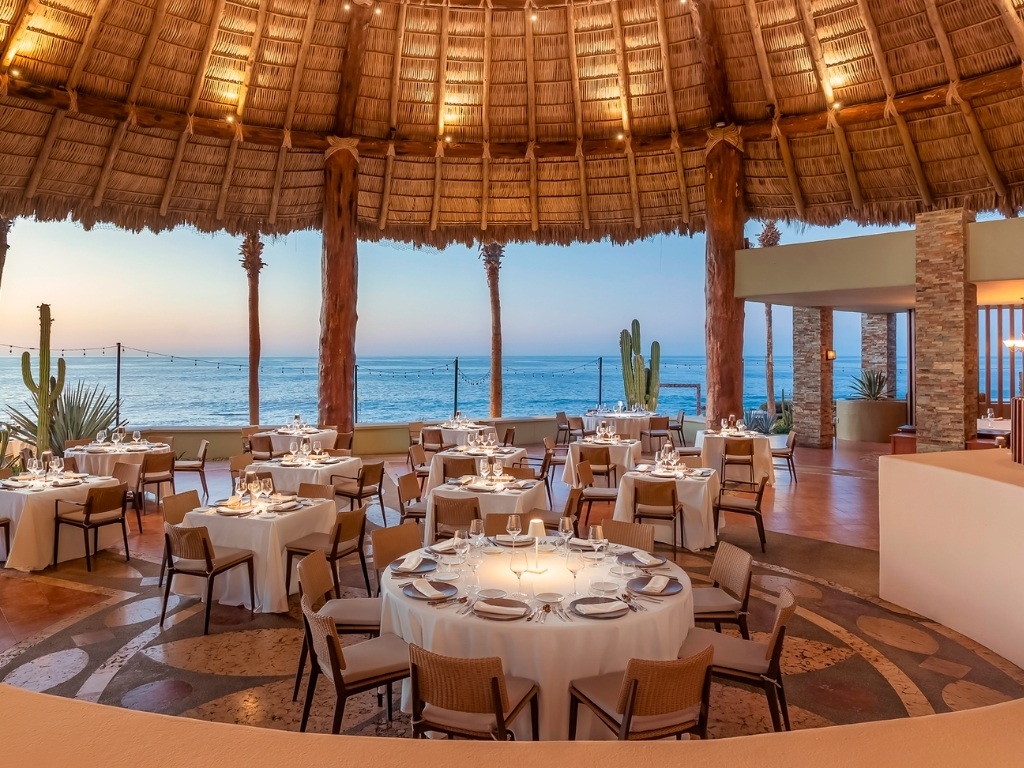

Behind the Hacienda del Mar dining program is a chef whose career has taken him from France, where he worked with Alain Ducasse, to Spain, the U.S. and Asia, including time abroad as chef for the Mexican Embassy. That global experience shows up in the details, but the focus here is firmly on Mexico.
“My passion has always been cooking,” says Executive Master Chef José Lazcarro Quiroz. “I’ve always loved creating dishes and seeing how people respond to them.” That enthusiasm translates into a dining program that feels creative, consistent and well considered.
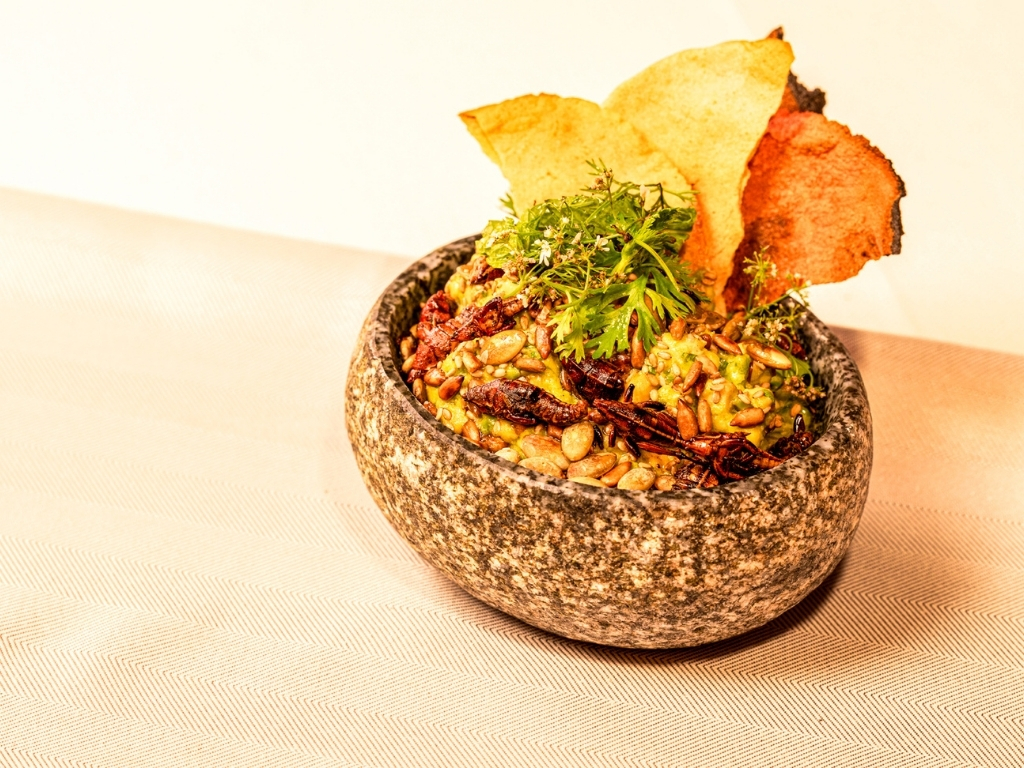
The approach at Hacienda del Mar is straightforward: take traditional Mexican cuisine and present it in a more refined, contemporary way without overcomplicating it. The goal is not to reinvent the cuisine, but to highlight what already makes it great. This comes through in bold flavours, regional ingredients and time-honoured recipes. Across the menus, guests will come across locally sourced elements they may not have tried before, like chapulines and regional cheeses, alongside more familiar favourites. It is a way of introducing the depth of Mexican cuisine without making it feel inaccessible.
From Sea to Plate
Seafood plays a major role across the resort’s restaurants, and for good reason. With the Sea of Cortez just steps away, the kitchens work closely with local fishermen to source the daily catch, from cabrilla to clams and oysters.
Freshness directly shapes the menus. What is available each day often determines what ends up on the plate, especially at Tortugas, where seafood is the focus in a more casual, oceanfront setting.
At Pitahayas, the tone shifts slightly more upscale. Dishes like mole poblano and Oaxacan black mole anchor the menu, while others such as octopus carpaccio with chicatana ants add a contemporary edge.
One Resort, Multiple Experiences
Rather than repeating the same concept across venues, each restaurant offers a different take. Some lean more traditional, others more modern. That variety is especially important for guests staying multiple nights, keeping the experience fresh while still cohesive.
For those looking for something more hands-on, the resort also offers cooking classes. These can be tailored to specific interests and paired with traditional Mexican beverages, offering a more interactive way to connect with the cuisine.
Book your Los Cabos culinary getaway at www.haciendadelmar.com.mx.
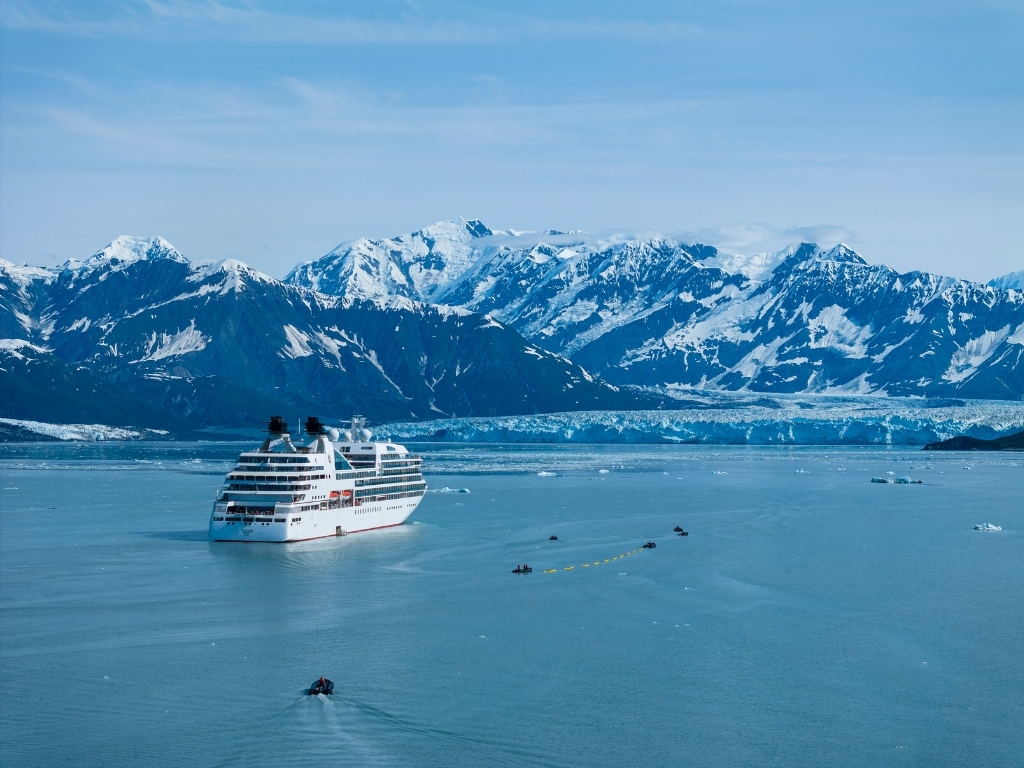
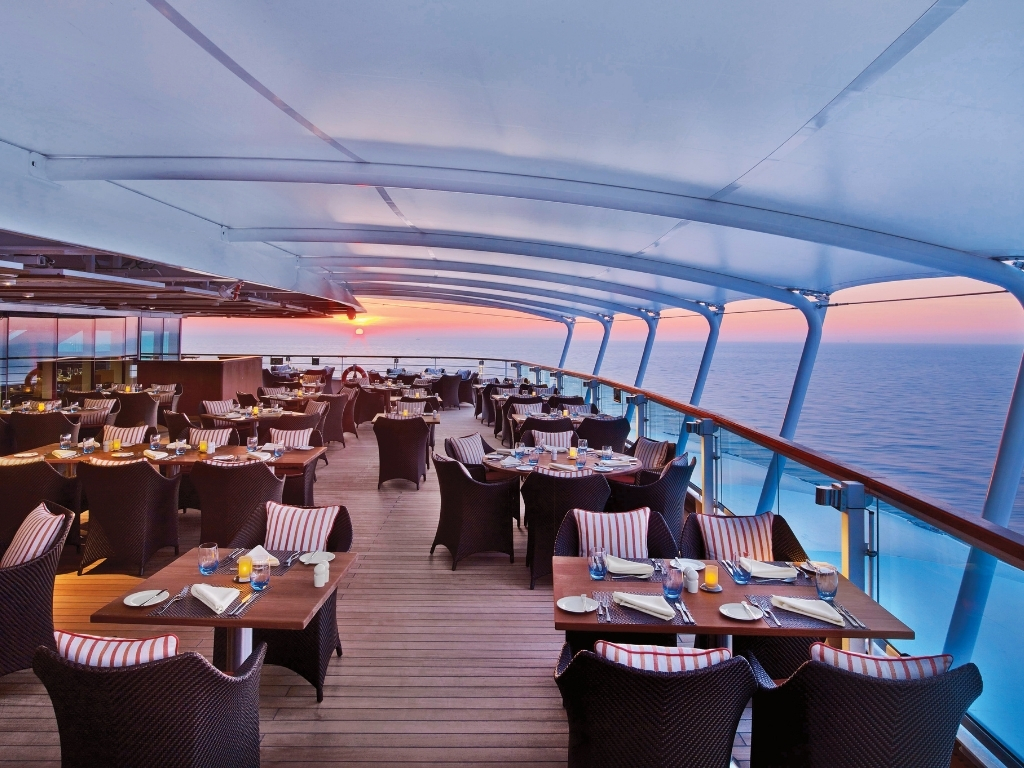
Seabourn has always taken food seriously. But for its inaugural Alaska season aboard Seabourn Encore, the luxury line built an entire culinary program around the destination, one that unfolds differently across each voyage as the ship navigates narrow fjords and remote coastline between Vancouver and Juneau.
The program launched in May 2026 and runs through September. As Seabourn president Mark Tamis put it: “From the first evening on board through the final days of the voyage, the culinary program is designed to reflect where guests are and deepen their connection to the experience.”
That translates to locally sourced seafood, foraged ingredients, and dining moments timed to the sailing schedule across The Restaurant and The Colonnade.
The lineup spans the full day, which is unusual for this kind of regionally focused offering. It opens with a Surf & Sear Sailaway buffet on the first evening out of Vancouver or Juneau, pairing seafood and steak, with Weathervane Scallops and Chilled Alaskan Crab among the highlights. From there, guests can expect an Alaskan Seafood Boil built around an individual pot of King crab legs, salmon, mussels, bacon-wrapped scallops, and shrimp, served with paper tablecloths, Seabourn-branded bibs, and staff in lumberjack shirts and jeans.
Mid-cruise, Fisherman’s Table offers a shared tableside experience spotlighting salmon and halibut, timed to scenic sailing near Sitka or Misty Fjords depending on the itinerary. The Midnight Sun Dinner in The Restaurant is the more elevated evening, featuring Wild Mushroom Consomme, Alaska King Crab Salad, Olive Oil Poached Black Cod, and Baked Alaska. That dinner also features custom menu artwork created in partnership with Crystal Worl, an Alaskan Native artist whose work explores themes of Indigenous identity, nature, and place.
On the lighter end, there’s an Alaskan Brunch served during a scenic sailing day, with Smoked Copper River Salmon, Alaskan Crab Benedict, and a Foraged Mushroom Omelet on the menu as glaciers pass by outside. Lunch gets its own Alaskan moment with Fish & Chips made from sustainably sourced local fish, served alongside Alaskan Seafood Chowder and local beers.
The beverage program runs alongside all of it, with five specialty cocktails developed for the season. Two of them, the Glacier & Fir and the Inside Passage Punch, are made with Alaskan glacial ice. The others include Midnight Sun No. 20, which opens with anisette and finishes with cocoa and Westland whisky; Denali Bramble, which leans into regional berry flavors; and Aleutian Sunset, described simply as a classic patio pounder.
When the weather cooperates, the program extends to the open decks, where guests can enjoy a caviar event, Gluhwein and hot chocolate service, and Salmon & Corn Chowder with the scenery as a backdrop.
Seabourn Encore made its maiden arrival in Vancouver on May 14, 2026. Between now and September, the ship runs seven to 14-day voyages to ports including Juneau, Ketchikan, and lesser-known stops along the Alaska and Canadian Inside Passage. Every voyage includes glacier viewing, with more opportunities to visit Glacier Bay National Park than any other luxury cruise line currently offers. An Expedition Team of naturalists, historians, and wilderness experts travels on board each sailing, and optional Zodiac, kayaking, and hiking excursions are available through Ventures by Seabourn.
The Japanese phrase “gochisou sama deshita” (meaning “thank you for a wonderful meal”) quickly becomes part of the daily vocabulary for visitors. Across the country, it’s repeated often and with genuine appreciation. While sushi may be the global headliner, aficionados of washoku – traditional Japanese cuisine – know there’s an entire world of flavours waiting beyond it.
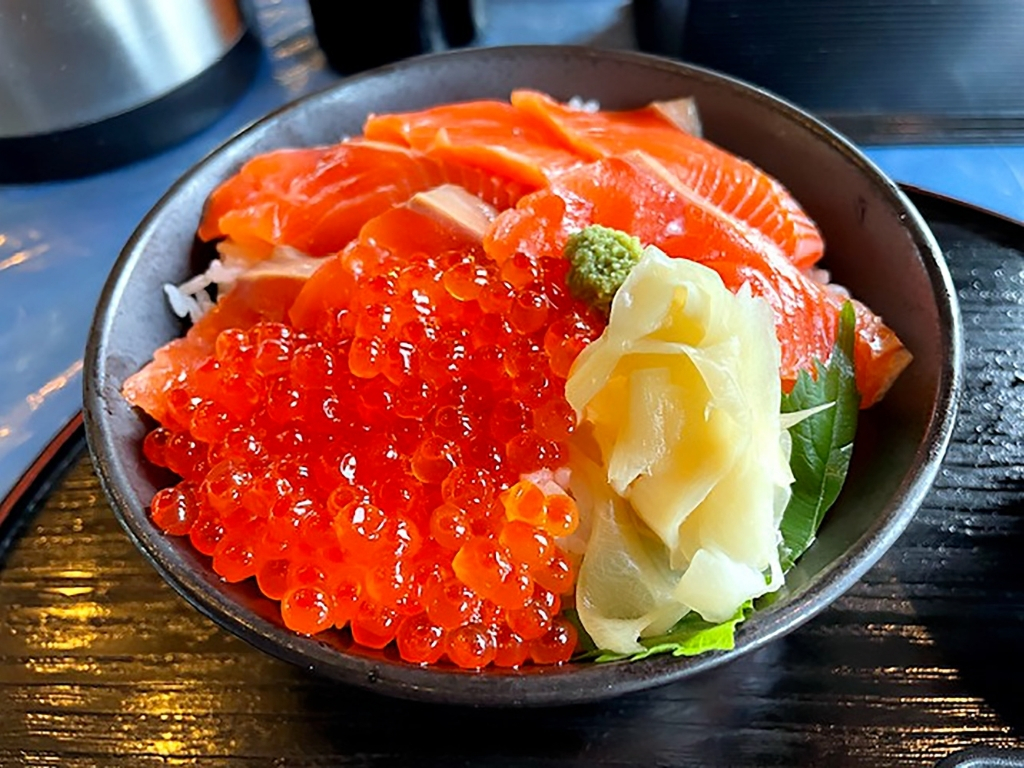
At Hana Tsubaki on Iki Island in Kyushu, references to the classic “chicken and egg” scenario aren’t philosophical – they’re culinary. Chef Tatsuji Yamashita’s Oyakodon, literally “parent-and-child donburi,” pairs tender simmered chicken and softly set egg over a bowl of freshly steamed rice, finished with scallions. Elsewhere, chefs have fun with the dish’s clever name. At Senchan Shokudo in Kushiro, Hokkaido, Oyakodon is reimagined as a pristine bowl of rice topped with delicate salmon sashimi and a generous scattering of ikura (salmon roe) for another fitting take on “parent and child.”
Japan’s celebrated gastronomy stretches across every prefecture. At Uomatsu in Izumi City, the focus is Kurobuta – Japanese Black Pork descended from British Berkshire pigs – served as richly marbled cuts in a comforting vegetable stew. In the mountainous wilderness of Okutama, Chiwaki offers Inobuta Nabe, a hearty dish of wild boar simmered in a deeply savoury miso broth. Regional specialties continue with Shika no Yakiniku (grilled deer with onion) and Shichirinyaki, featuring earthy, flame-grilled mountain mushrooms.
For many visitors, Japanese Wagyu beef is a culinary pilgrimage in itself, with regions across the country proudly claiming superiority in flavour, texture, and tenderness. At Suksma on Ishigaki Island in Okinawa, Ishigaki Beef Tataki delivers melt-in-the-mouth perfection with lightly seared, paper-thin slices. And in Hyogo Prefecture, sampling Kobe beef is practically a rite of passage. At Wakkoqu, owner Masato Shinno explains shimofuri as the intricate marbling that produces buttery-soft meat rich in oleic acid. It’s not uncommon to see diners pause between bites, chopsticks lowered, savouring the lingering umami.
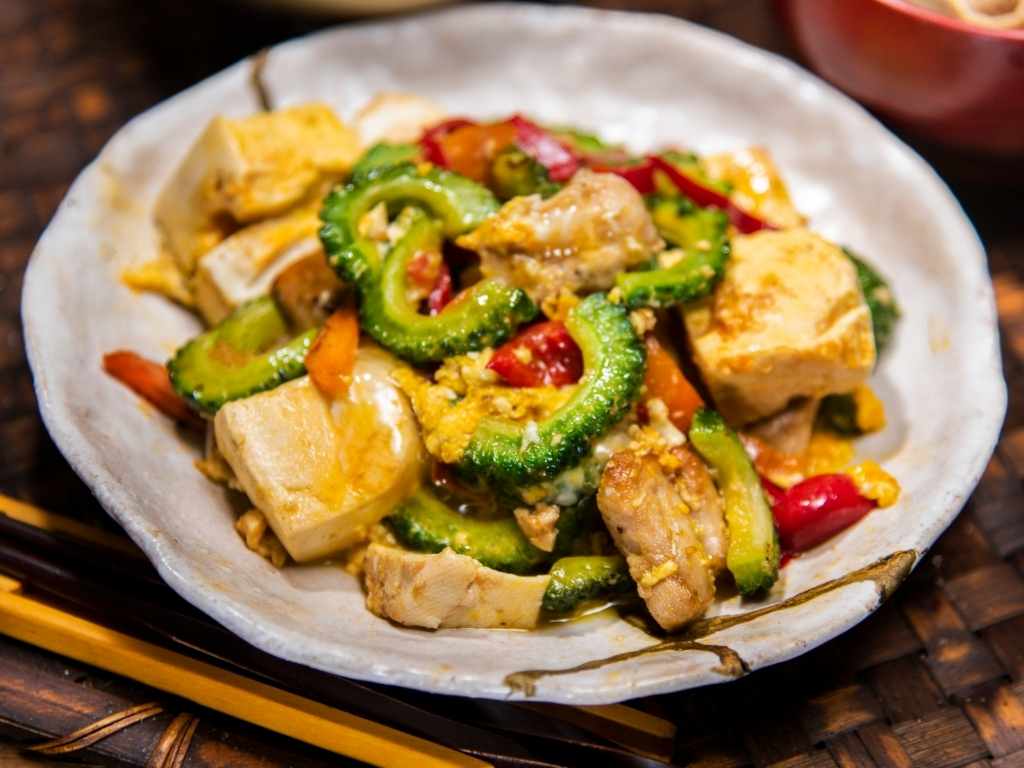
Okinawa’s culinary scene adds its own distinctive flair. Taco kimchi (octopus and cucumber tossed in a spicy kimchi sauce) is both unexpected and addictive. Other local favourites include Ikasumi Yakimeshi (squid ink fried rice), umibudo (briny “sea grapes” dipped in ponzu), and the signature dish, goya champuru – a stir-fry of bitter melon, tofu, egg, and Spam that perfectly reflects the island’s unique cultural blend.
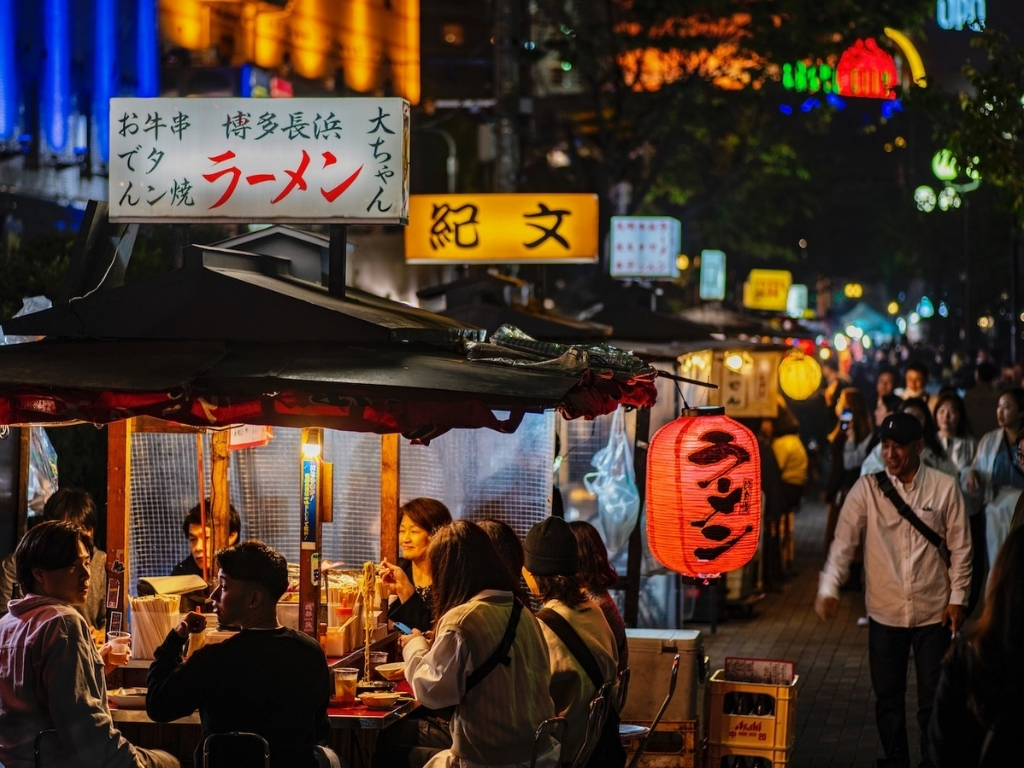
The expression “hoppeta ga ochiru” – meaning “my cheeks are falling off” – is reserved for meals that are truly unforgettable, and it’s especially apt when dining at a yatai. These mobile food stalls offer an intimate, convivial experience where close quarters, lively conversation, and freshly prepared dishes come together. At Yatai Marufuku in Shimabara, Kyushu, Takami Matsumoto serves expertly grilled yakitori – skewers of chicken, pork, and beef – alongside comforting bowls of oden, a slow-simmered mix of eggs, daikon, konjac and fish cakes in soy-dashi broth. Meanwhile, in Fukuoka’s Nakasu district, the charismatic 80-year-old chef Masanaka Amamoto at Yatai Kibun delights guests with rich, buttery grilled mentaiko (spicy cod roe). Cheeks falling off, indeed.
Elsewhere, Japan’s culinary repertoire continues to surprise and intrigue: Kusaya (famously pungent dried fish) on Hachijojima in the Izu Islands; Ankimo (monkfish liver), often called the “foie gras of the sea”; the delicately prepared – and carefully regulated – fugu (pufferfish); Kamayaki, featuring grilled fish jaw; and an array of tofu dishes, from agedashi to sesame-infused creations. Then there’s Okonomiyaki, the beloved savoury pancake layered with cabbage and seafood. Even something as simple as a tuna sandwich, like the standout version at Sakanaya Tetsu in Tokyo’s Shimbashi district, can redefine expectations, with freshly grilled tuna tucked into toasted bread and finished with creamy mayo.
Exploring Japan through its cuisine is an adventure in itself – one that continually surprises, delights and satisfies. And with every memorable meal, there’s only one appropriate response: gochisou sama deshita.
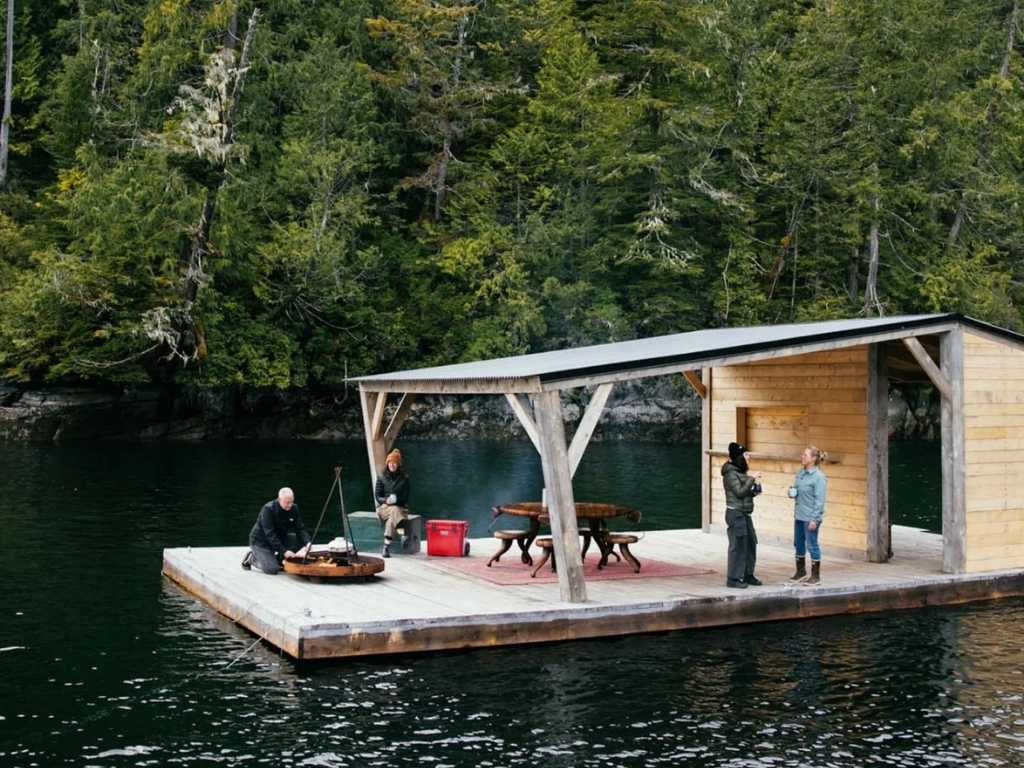
Set against the country’s most striking landscapes, these hands-on culinary experiences offer a deeper connection to the ingredients and stories that shape each dish.
Nimmo Bay, British Columbia
On the rugged coast of British Columbia, Nimmo Bay delivers an immersive culinary journey through the Great Bear Rainforest. The one-day Taste the Wild Culinary Adventure (pictured above) invites guests to forage for local ingredients, including freshly harvested seafood, on a guided coastal excursion. Paired with curated beverages and led by Nimmo Bay’s expert team, the experience is as much about storytelling as it is about taste, offering a profound connection to one of Canada’s most impressive ecosystems.
Le Germain Charlevoix Hotel & Spa, Québec
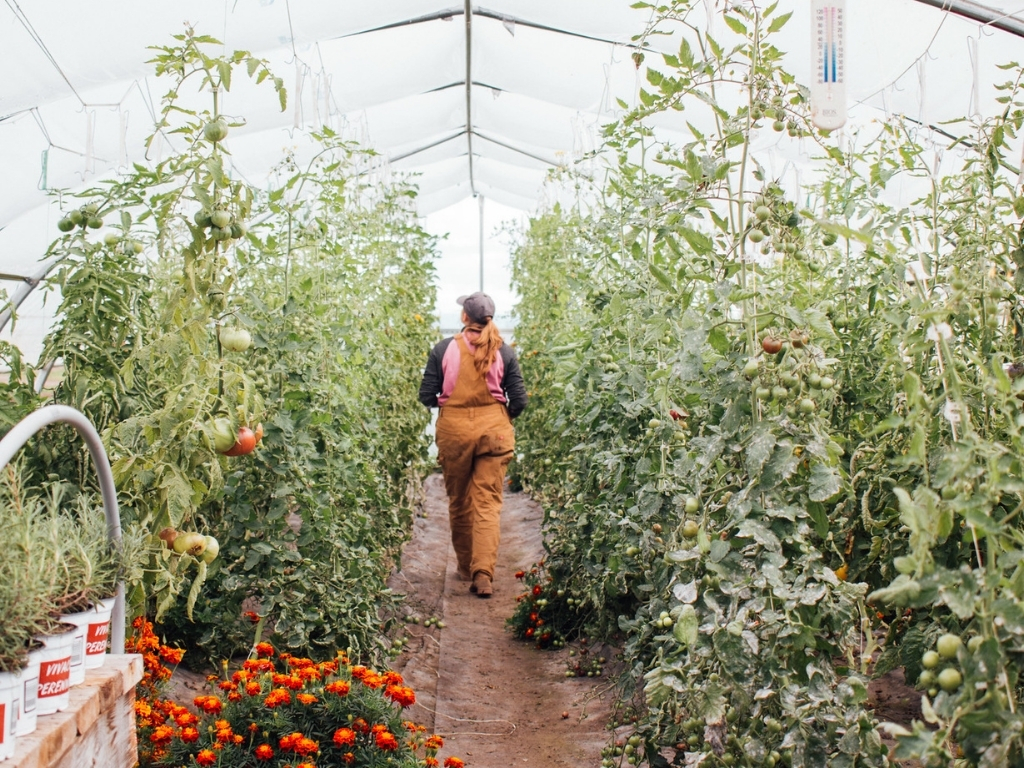
Set between the rolling Charlevoix mountains and the St. Lawrence River, Le Germain Charlevoix Hotel & Spa draws directly from its surroundings for a grounded, nature-led experience. Each spring, onsite horticulturist Virginie hosts intimate workshops focused on growing microgreens indoors. Guests tour the property’s lush gardens, learn how to regrow common kitchen vegetables, and gain insight into the region’s sustainability efforts. Additional seasonal workshops roll out through the summer, further connecting visitors to the land.
Anupaya Cabin Co., Ontario
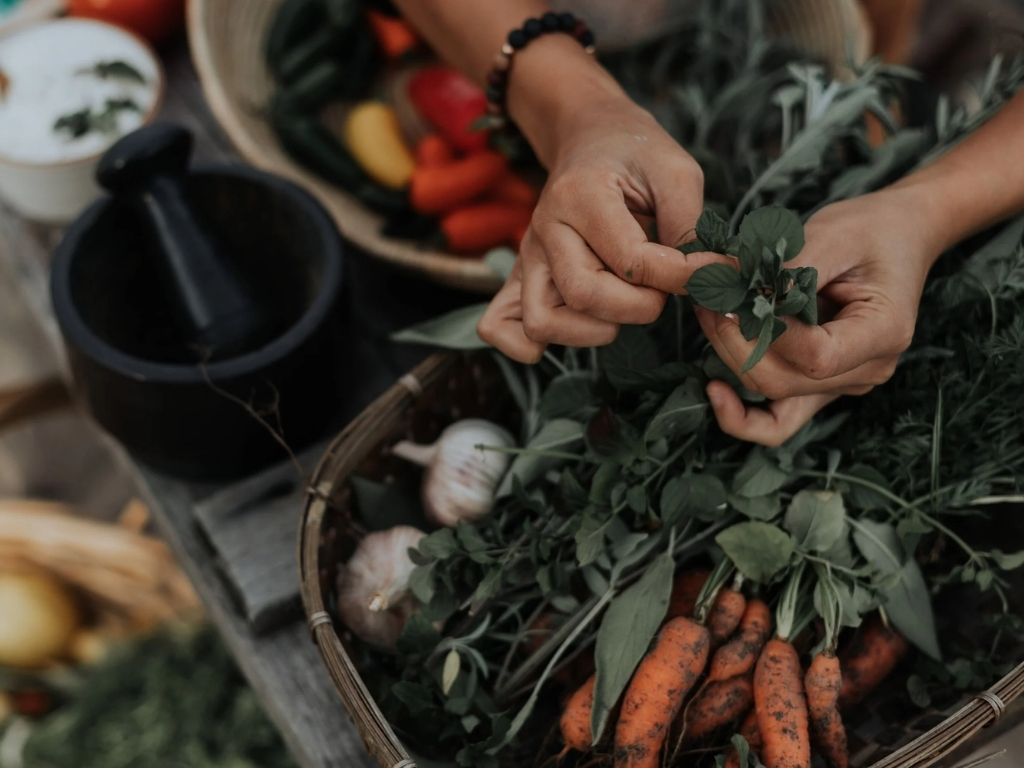
Near Ottawa and Algonquin Park, Anupaya Cabin Co. offers a thoughtful return to nature through its Wild Path experience. The journey begins with a guided foraging walk, where wild greens and mushrooms are gathered for the evening meal. From there, guests explore the gardens before settling in for a refined farm-to-table dinner crafted by chef Justin Champagne of Perch Restaurant. As the day winds down, a sunset fire by the river provides a quiet, contemplative finish.
The Cape Retreat, Newfoundland
In the coastal community of Cape Broyle, The Cape offers an intimate retreat shaped by Newfoundland’s wild landscapes. Led by Culinary Director Alex Shaw, culinary experiences range from multi-course land-to-sea dinners to hands-on pasta and pastry classes. Whether cooking or gathering at the communal table, each meal is rooted in seasonality and storytelling, along with a mindful approach to using every ingredient.
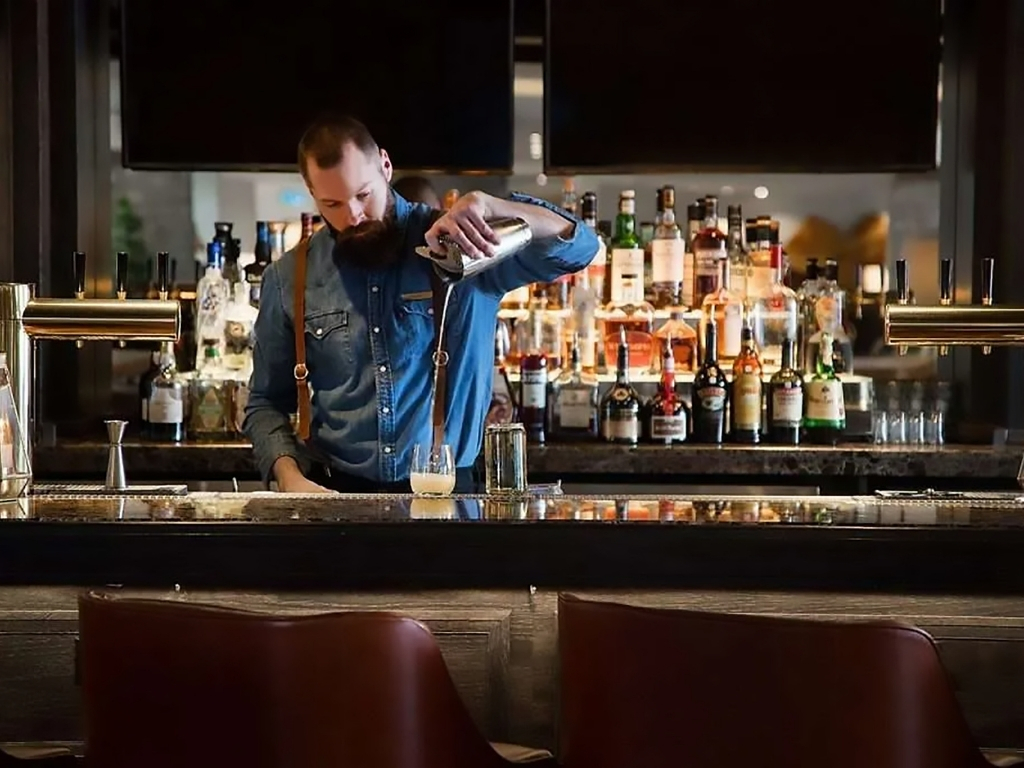
Kananaskis Mountain Lodge, Alberta
Surrounded by sweeping alpine views, Kananaskis Mountain Lodge, Autograph Collection, offers a spirited take on hands-on learning. Its seasonal cocktail classes – often timed with long weekends and special events – are led by the lodge’s expert bartenders and mixologists. Each session reflects the flavours of the season, from bright, spice-forward summer margaritas to the indulgent Signature S’Mores Old Fashioned. It’s a social, flavour-driven experience that blends technique with a sense of place.
Schoolhaus Culinary Arts, Saskatchewan
In Regina, Schoolhaus Culinary Arts brings a more playful, laidback approach to culinary education. With a rotating calendar of classes ranging from vegan street food to 1920s Sicilian cuisine, there’s something for every taste and skill set. Guests are guided through each step in a welcoming, hands-on environment where creativity is encouraged and enjoyment is essential.
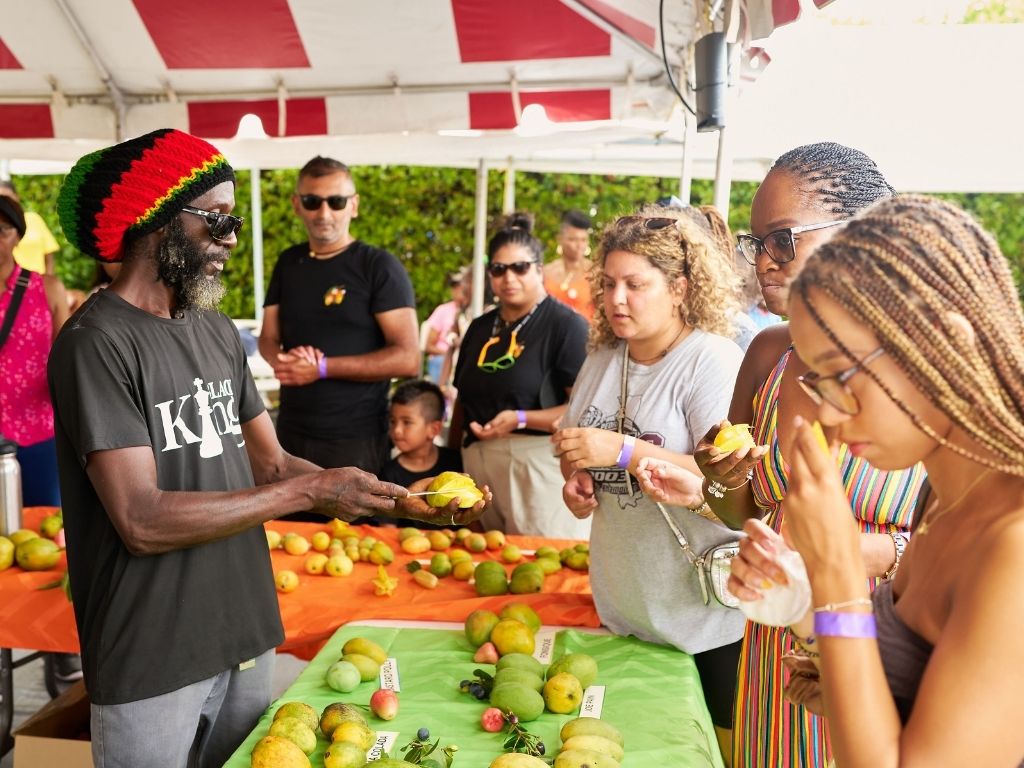
The 12th annual Nevis Mango Festival is returning July 2–5, 2026, and this year the Caribbean island has recruited some serious culinary firepower: Chef Eric Adjepong, Food Network star and Top Chef finalist, will serve as the festival’s Culinary Ambassador.
Adjepong is a first-generation Ghanaian American chef born and raised in New York City, best known as a finalist on Top Chef Season 16 and a returning competitor on Top Chef All-Stars. He’s a regular on Food Network through shows like Wildcard Kitchen, Alex vs. America, Chopped, and Tournament of Champions, and in 2025 opened his Washington, D.C. restaurant Elmina, focused on West African cuisine. He holds a culinary arts degree from Johnson & Wales and a Master of Public Health in International Nutrition from the University of Westminster. In other words: plenty of credentials to back up the hype.
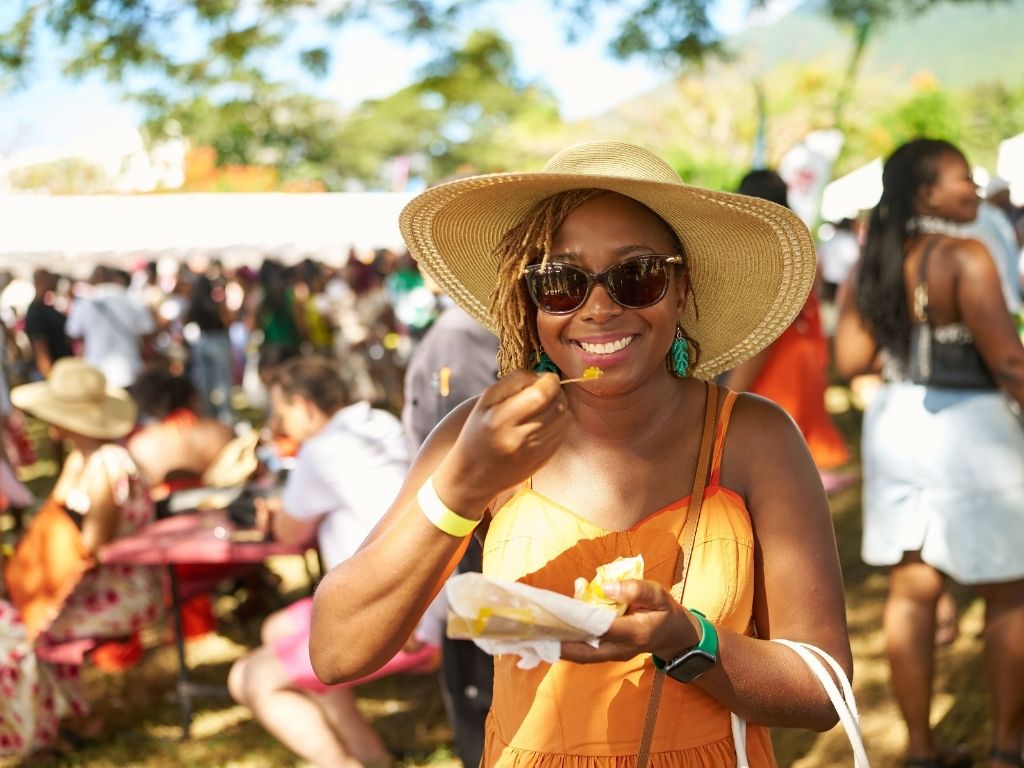
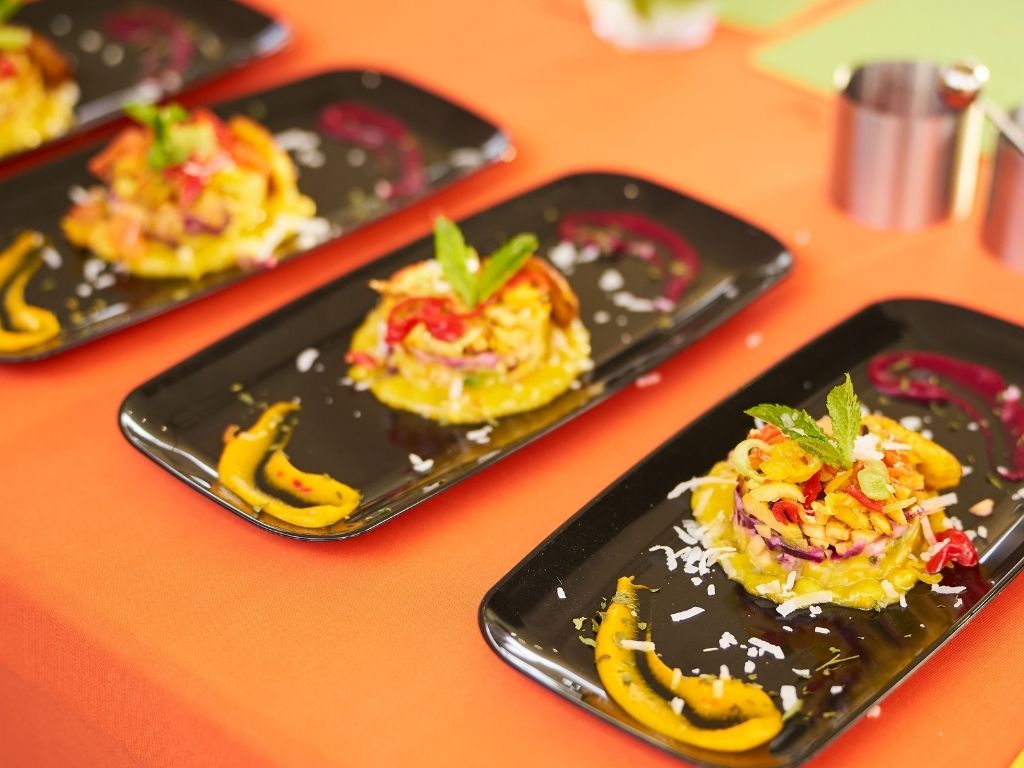
During the festival, Adjepong will host an intimate supper club dinner at Mango Restaurant inside the Four Seasons Resort Nevis, lead a hands-on cooking masterclass where participants cook at their own stations (plant-based or meat options available), and serve as a judge throughout the weekend’s competitions.
For those unfamiliar with Nevis, a quick primer: it’s a 36-square-mile island in the Leeward Islands, part of the Federation of St. Kitts and Nevis, with no cruise ports, no high-rise hotels, and no fast-food chains. It’s also home to 44 varieties of mangoes — so abundant and so good that they’re never exported. The Nevis Mango Festival is, quite literally, the only way to taste them.
The Nevis Tourism Authority launched the festival over a decade ago to bring visitors to the island during a traditionally quieter stretch of the year. It has since grown into one of the region’s most anticipated food events, drawing travellers from around the world.
The four-day schedule is packed. Thursday kicks off with a free public opening event at Malcolm Guishard Recreational Park, followed by the island-wide Nevis Goes Mango culinary trail, where restaurants and bars across the island serve up mango-themed dishes and cocktails. Thursday evening wraps up with the supper club at the Four Seasons. On Friday, the cooking masterclass runs from 11 a.m. to noon at CHASKA Indian Cuisine & Bar in Cades Bay, followed immediately by Mango Mania (12:30–5:30 p.m.), a family-friendly outdoor event featuring a Mixology Competition with local bartenders, a Mango Tug-of-War, and plenty of activities for all ages (EC$10 for adults; kids under 12 get in free). Friday evening is the Pinney’s Beach Bar Crawl, a free event with RSVP that hits eight bars along the shoreline from 6 to 11 p.m.
Saturday brings the Passport Food Tour, where participants collect stamps at bars and restaurants across the island, either on a guided party bus or at their own pace. Three ticket package levels are available. The festival wraps up Sunday with its signature For the Love of Mangoes event — an all-day celebration running from 11 a.m. to 9 p.m. that includes a Cooking Competition, a Kids Zone, face painting, a Kids Mango Hunt, and a concert under the stars.
Visitors are encouraged to book a few extra days to explore Nevis beyond the festival: the island has volcanic hot springs, excellent hiking, a charming historic capital in Charlestown, and a history that includes being the birthplace of Alexander Hamilton and the setting of Admiral Horatio Nelson’s 18th-century wedding to local widow Frances Nisbet.
Festival tickets, activity passes, and accommodation packages are available at NevisMangoFest.com or by emailing [email protected]. Follow along on Instagram and Facebook at @nevismangofest.
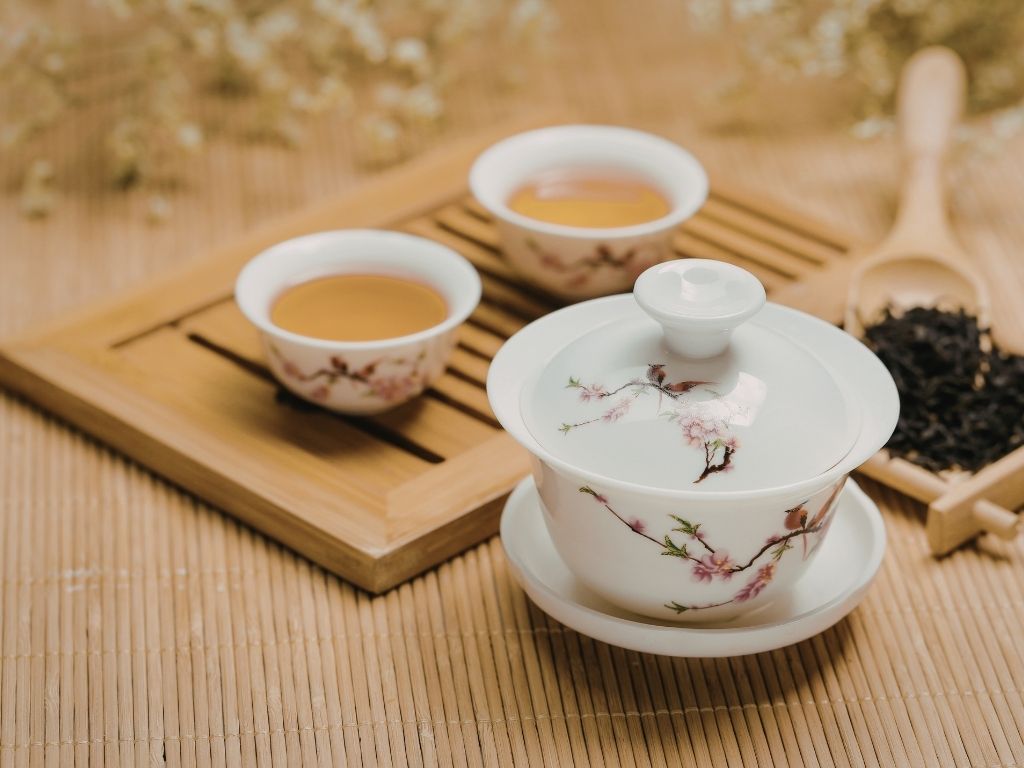
Holland America Line is putting tea at the centre of its culinary experience. The cruise line has introduced a new tea-focused program in collaboration with Art of Tea founder Steve Schwartz, who joined its Grand World Voyage as a Culinary Ambassador. The initiative brings a more structured and immersive approach to tea onboard. It’s one that goes beyond traditional service and into storytelling, technique and cultural context.
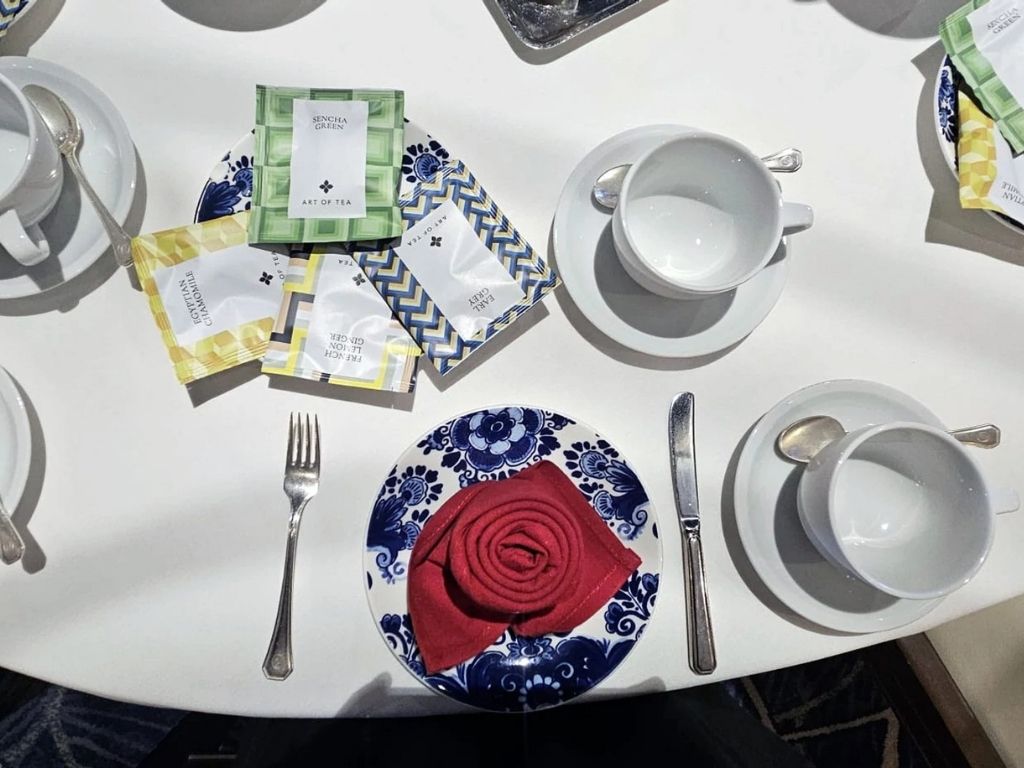
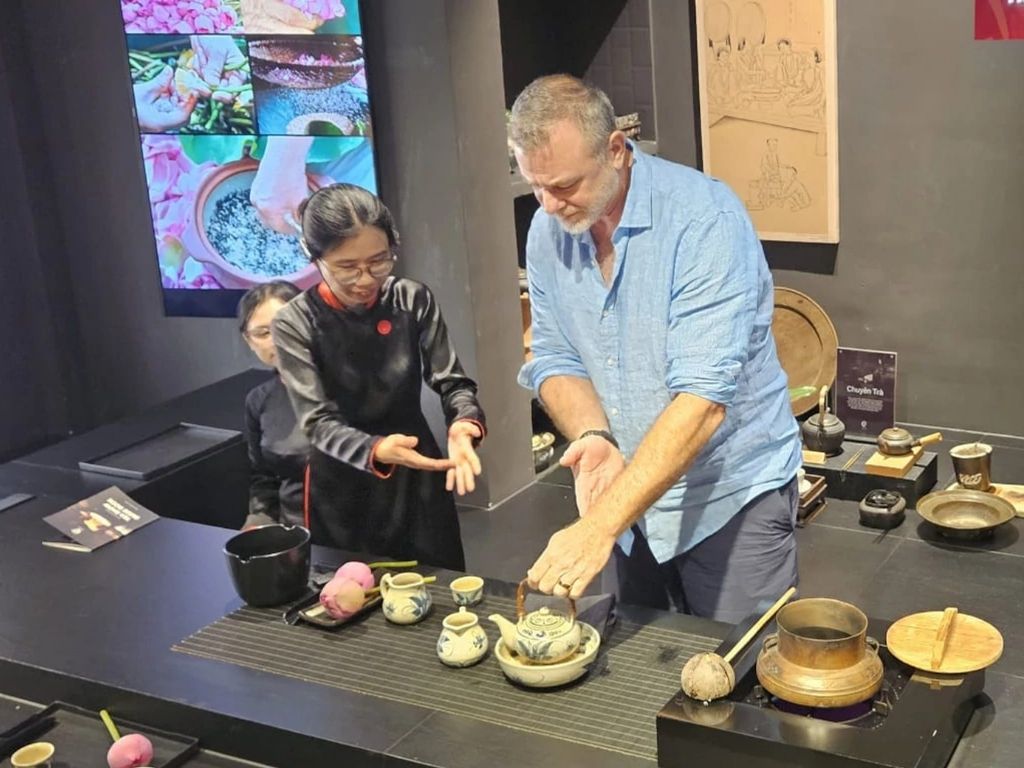
Programming ranges from guided tastings and small-group seminars to an elevated afternoon tea experience in the dining room. Throughout, the focus is on helping guests better understand tea, from how it’s sourced, prepared and appreciated across different cultures.
A custom tea blend, developed with Holland America Line, adds a signature element to the offering, reinforcing the cruise line’s broader push toward more curated, experience-driven dining.
The concept extends ashore as well. In ports across Asia, guests can take part in tea-focused excursions, from visiting traditional teahouses to exploring regional preparation techniques. The goal is to connect what’s happening onboard with the destinations themselves.
It’s a subtle shift, but a notable one. As culinary travel continues to evolve, experiences like this reflect a growing interest in depth over variety – where a single ingredient or tradition can anchor the entire journey.
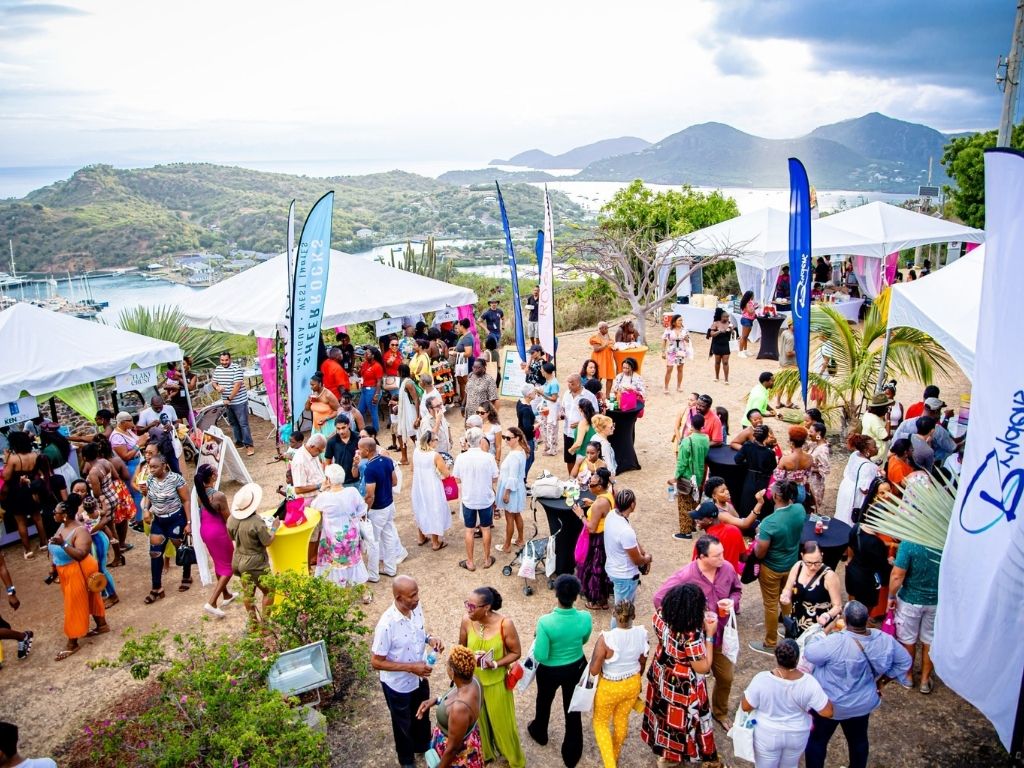
Antigua and Barbuda is set to host the 2026 edition of its Culinary Month this May, with an expanded lineup of events, visiting chefs and destination-wide programming aimed at further positioning the twin-island nation as a culinary tourism player.
Running throughout the month, the initiative builds on a program first introduced in 2023, with a continued focus on showcasing local cuisine alongside chefs of Caribbean heritage from key international markets.
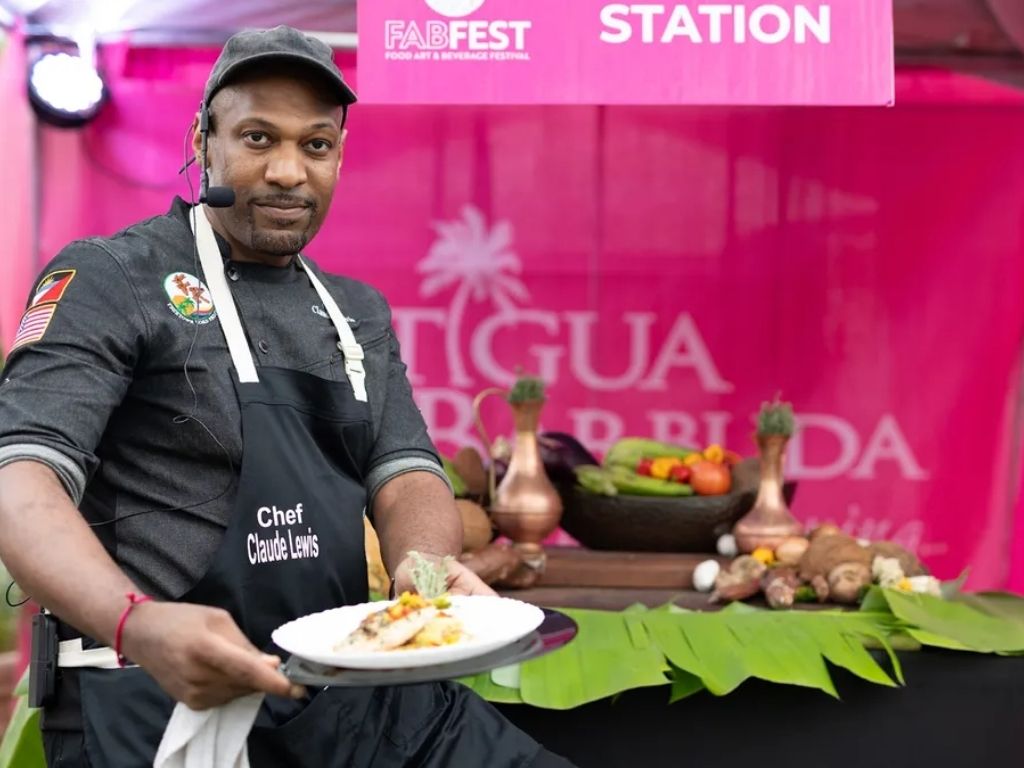
The schedule includes the return of Restaurant Week from May 3 to 17, with more than 50 restaurants offering prix-fixe menus at accessible price points, as well as the FAB Fest (Food, Art & Beverage Festival), which combines food vendors, chef demonstrations and live entertainment.
A series of ticketed events will take place throughout the month, including collaborative dinners featuring visiting and local chefs, a beachside BBQ event, and a closing cookout. A fundraising dinner highlighting Caribbean women chefs is also planned, aligning with broader efforts to spotlight regional talent.
Among the participating chefs are returning names such as Andi Oliver and Kareem Roberts, alongside newcomers including Nina Compton and Tristen Epps-Long, reflecting a mix of established and emerging culinary voices with Caribbean roots.
In addition to consumer-facing events, the Caribbean Food Forum will take place on May 21, bringing together industry stakeholders for discussions on hospitality and food systems. The hybrid format is expected to attract both regional and international participation.
The “Eat Like A Local” program will also return, directing visitors to casual dining spots and traditional cookshops across the islands, with an emphasis on everyday Antiguan and Barbudan dishes.
The initiative follows Antigua and Barbuda’s recognition as the Caribbean’s Best Emerging Culinary City Destination in 2025, and forms part of a broader strategy to diversify the destination’s tourism offering beyond its established beach appeal.
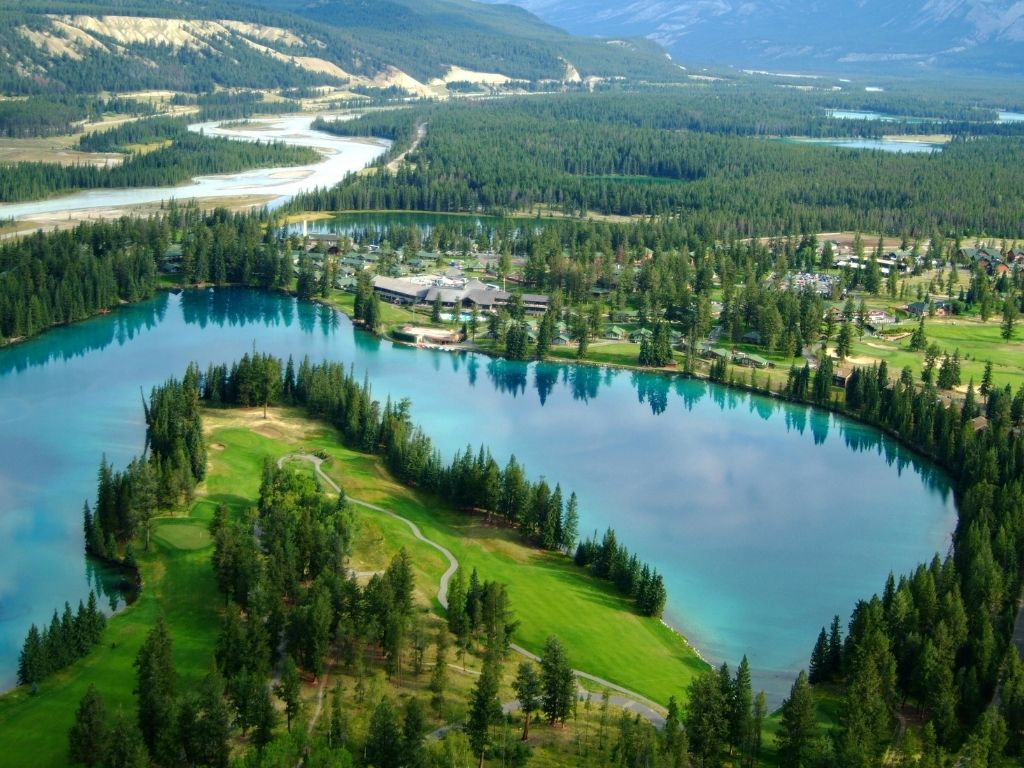
Fairmont Jasper Park Lodge is adding a new, hands-on culinary experience to its summer lineup with the launch of its Foraging Flight: An Indigenous-Led Helicopter & Culinary Journey.
The full-day adventure begins with a helicopter departure from the resort, giving guests a wide-angle view of Jasper National Park’s mountains, lakes, and forested valleys before touching down in a remote backcountry setting.
Led by Indigenous Knowledge Keeper Lauren Moberly, the experience moves from sightseeing to participation. Guests are introduced to seasonal wild botanicals and take part in guided foraging, learning what grows in the region and how it’s traditionally used.


A wilderness picnic offers time to relax and take in the surroundings before returning to the lodge.
Back on property, the experience wraps up with a private, multi-course dinner prepared by the resort’s culinary team. The menu incorporates ingredients gathered earlier in the day, bringing a direct connection between the landscape and what’s served on the plate.
Designed as a small-group experience, the Foraging Flight combines aerial access, guided exploration, and a curated dining component, offering guests a different way to experience Jasper beyond the usual viewpoints.
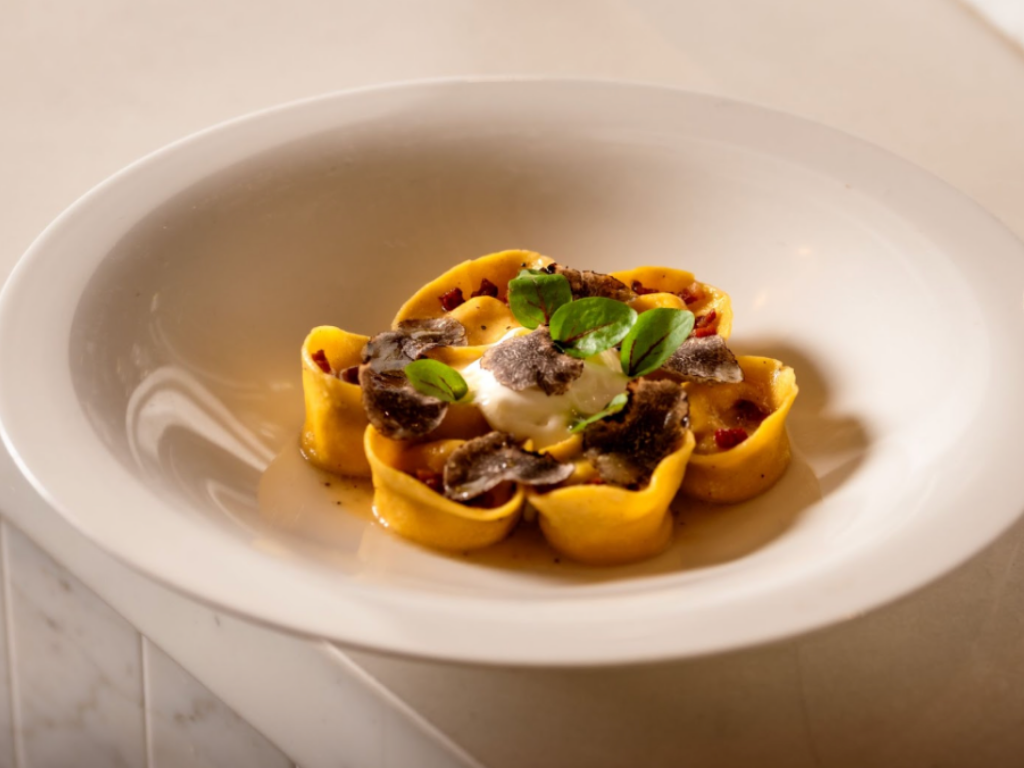
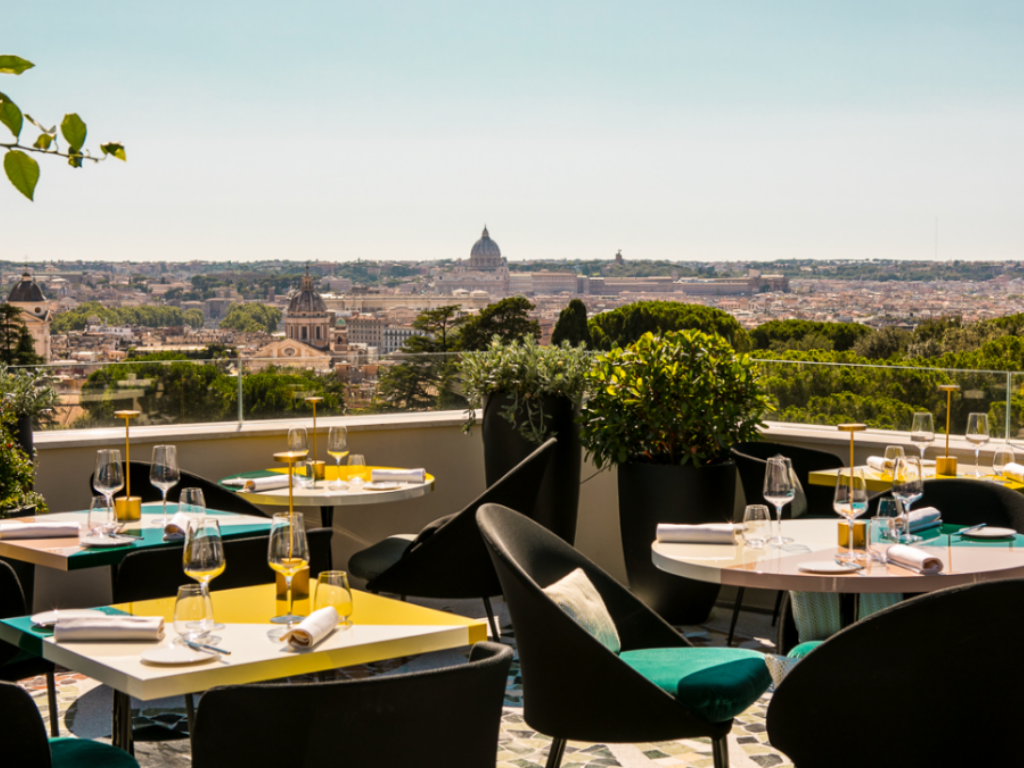
If there’s one thing Rome does exceptionally well, it’s keeping classic dishes interesting. At Sofitel Rome Villa Borghese, the hotel’s rooftop restaurant, Settimio, reworks the traditional carbonara into delicate tortelli, layered with creamy filling, crisp guanciale, and a light pecorino foam. It’s familiar, but just different enough to feel like something you’d order on a special night out.
The dish also happens to have appeared in Emily in Paris, but it doesn’t need the screen time to stand out on your dining table.
Here’s how to recreate it at home.
Recipe courtesy of Sofitel Rome Villa Borghese
Yield: 10 servings
Pasta Dough
Carbonara Filling
Pecorino Foam
To Finish
1. Make the Pasta Dough
Combine semolina, flour, and salt. Add egg yolks, whole eggs, and olive oil, then knead until smooth and elastic. Wrap and refrigerate for at least 3 hours.
2. Prepare the Filling
Blend egg yolks, cheeses, cream, and black pepper until smooth. Gently heat to 180°F (82°C), then cool quickly. Transfer to a piping bag and refrigerate.
3. Make the Pecorino Foam
Heat and blend milk, Pecorino, and cream until fully combined. Strain and transfer to a siphon. Charge and keep warm.
4. Crisp the Guanciale
Cook slowly until golden and crisp. Set aside.
5. Shape the Tortelli
Roll dough thin, cut into rounds, pipe filling into the centre, then fold and seal.
6. Cook
Boil in salted water for 3–4 minutes. Finish in a pan with a splash of pasta water and olive oil.
7. Plate
Arrange tortelli in a bowl, top with guanciale, black pepper, and pecorino foam. Finish with shaved truffle. Serve immediately (and dream of your next trip to Italy).
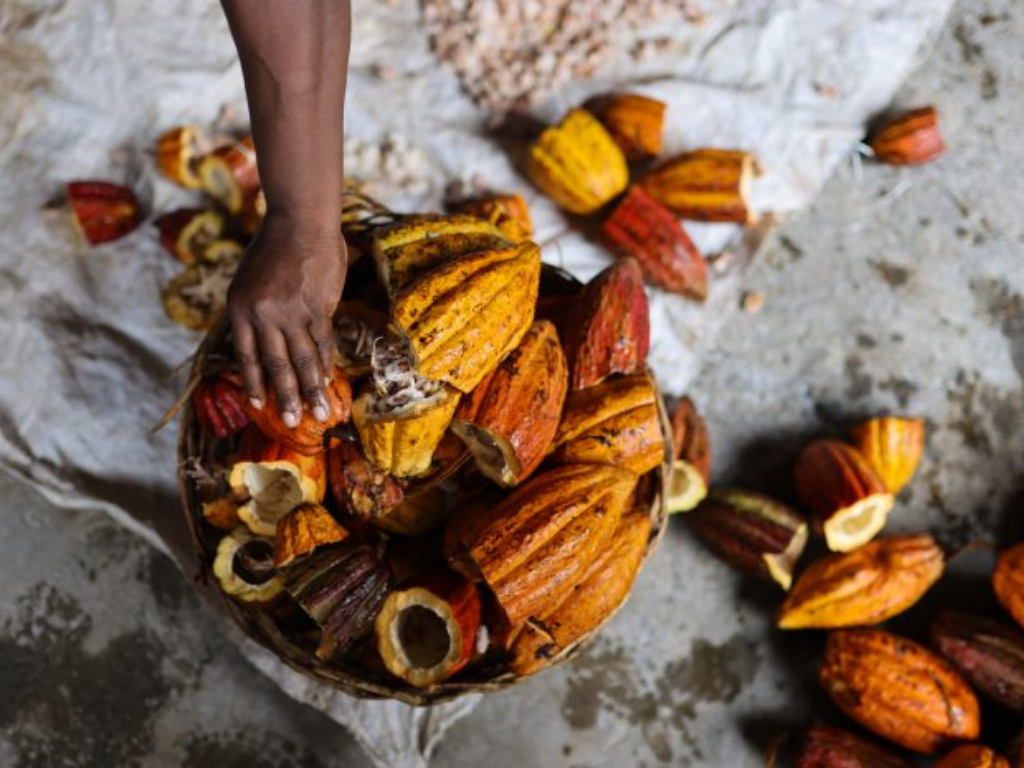
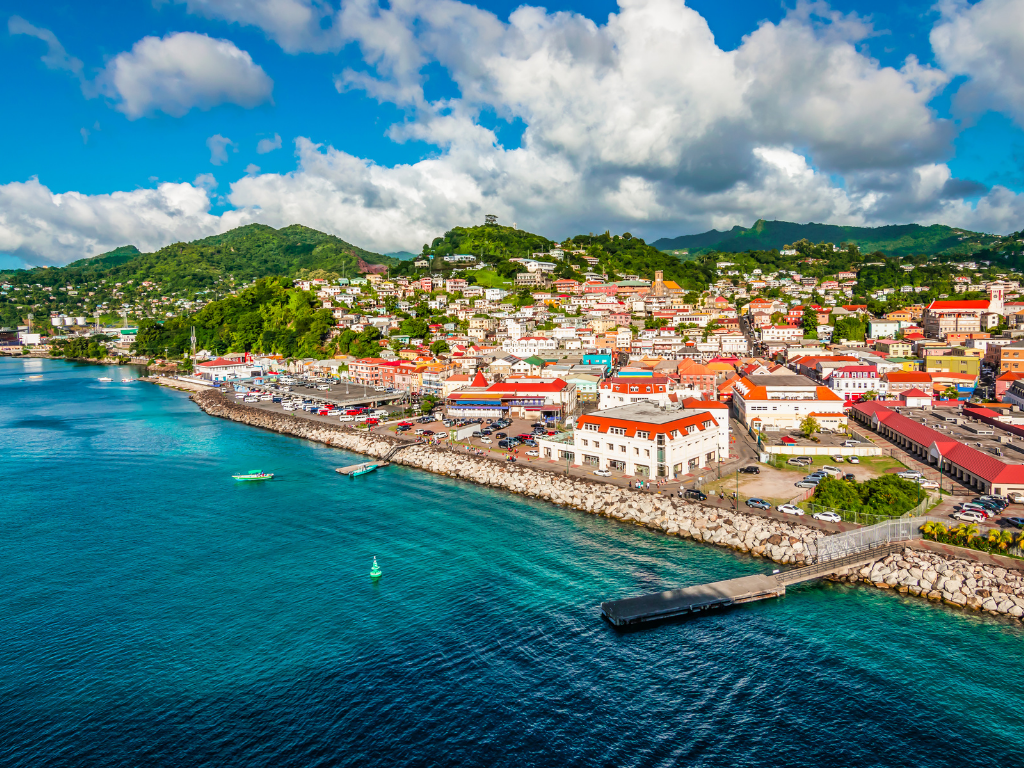
If your idea of the perfect getaway includes sunshine, culture, and a little indulgence, Grenada has just the thing. The Grenada Chocolate Festival is officially returning from May 22–27, 2026, and it’s shaping up to be its most immersive (and delicious) edition yet.
Held at the vibrant True Blue Bay Boutique Resort, the event invites visitors to experience chocolate in a way you simply can’t at home. Here, it’s about connecting with the story behind every bar.
Grenada, known as the “Spice Isle,” has built a global reputation for its high-quality, ethically produced cocoa. During the festival, that reputation comes to life through hands-on experiences that take you from lush cocoa farms to the final, decadent product.
You might find yourself walking through a plantation with local farmers, learning how cocoa is grown and harvested, before rolling up your sleeves for a tree-to-bar workshop. Or maybe you’ll want to sample your way through expertly guided tastings, where you can taste all the flavour nuances of the region’s rich single-origin chocolates.
Food lovers, take note: cocoa isn’t just for dessert here. Across the festival, chefs and mixologists showcase how chocolate can transform everything from savoury dishes to cocktails. It’s a creative, flavour-forward approach that reflects the island’s evolving culinary scene.
And the experience goes well beyond the plate. Expect live music, cultural performances, and artistic showcases that celebrate Grenada’s vibrant spirit, along with family-friendly activities and even cocoa-infused wellness experiences designed to leave you feeling as good as you taste.
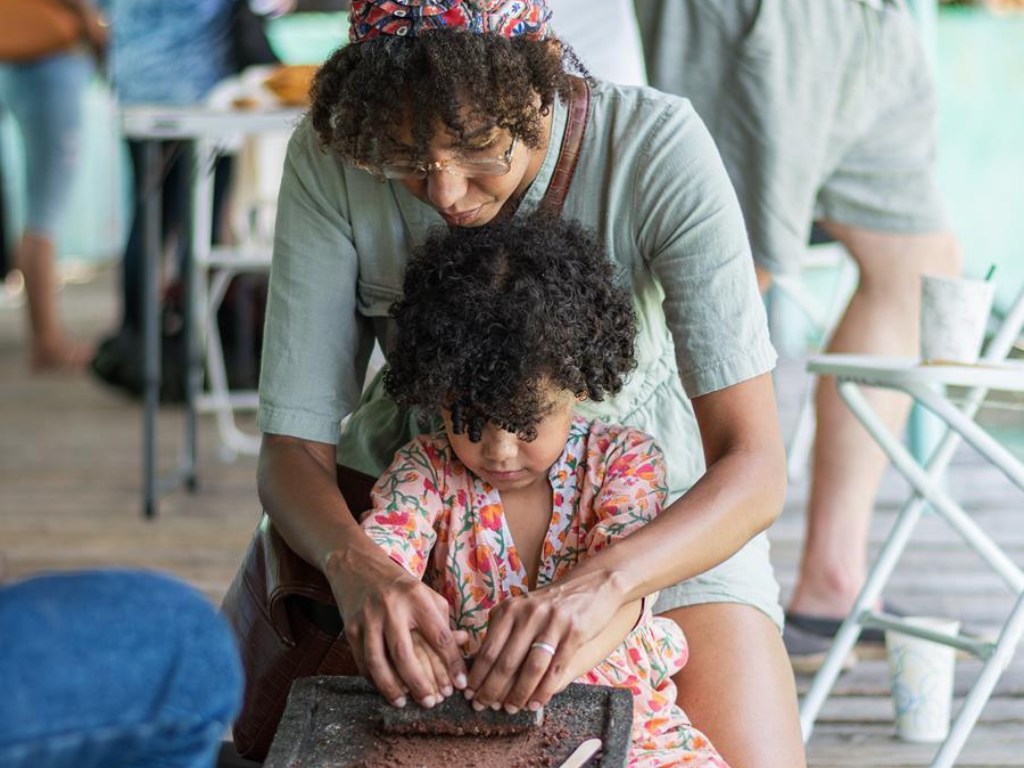
What makes this festival truly special, though, is its deeper purpose. It’s a celebration of Grenada’s heritage and the farmers, artisans, and creators who are shaping the future of Caribbean cocoa. The 2026 theme, focused on reimagining cocoa from its roots to its renaissance, reflects a growing movement to honour tradition while embracing innovation.
For travellers seeking more than just a beach escape, this is where Grenada shines. Between events, visitors can explore the island’s waterfalls, beaches, and colourful towns, or just soak in the laid-back Caribbean rhythm.
So whether you’re a dedicated chocolate lover or just ooking for a trip that’s rich in culture and unforgettable moments, Grenada in May offers a sweet escape that goes far beyond expectations. Just be sure to come hungry.