Caribbean

Martinique

Martinique’s Homegrown Flavours

From rainforest cacao to beachfront rum tastings, Martinique’s culinary identity is inseparable from the land that feeds it.

By Jessica Huras

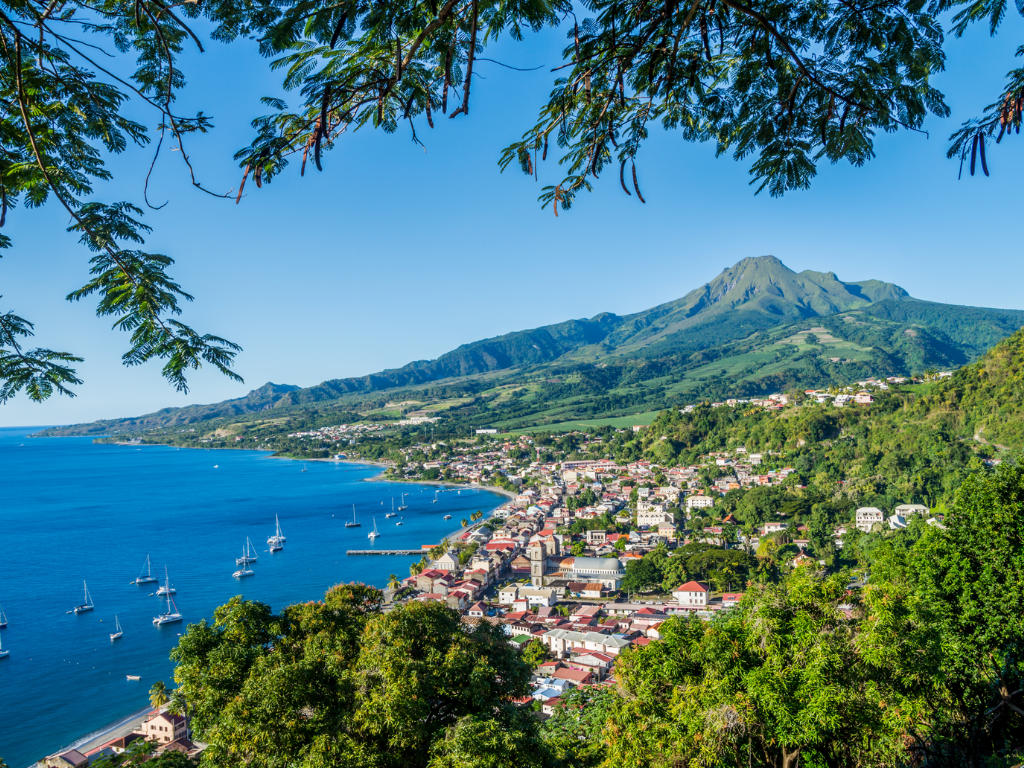
Miles from Martinique’s sandy beaches and sun-splashed coastlines, I find myself deep in the island’s northern rainforest, following a path tangled with hibiscus, heliconia and wild cilantro at Habitation Céron.

Founded in 1658 as a sugar plantation, the 75-hectare estate is now an eco-sanctuary, home to fruit trees, lush gardens and more than 2,000 cacao trees.

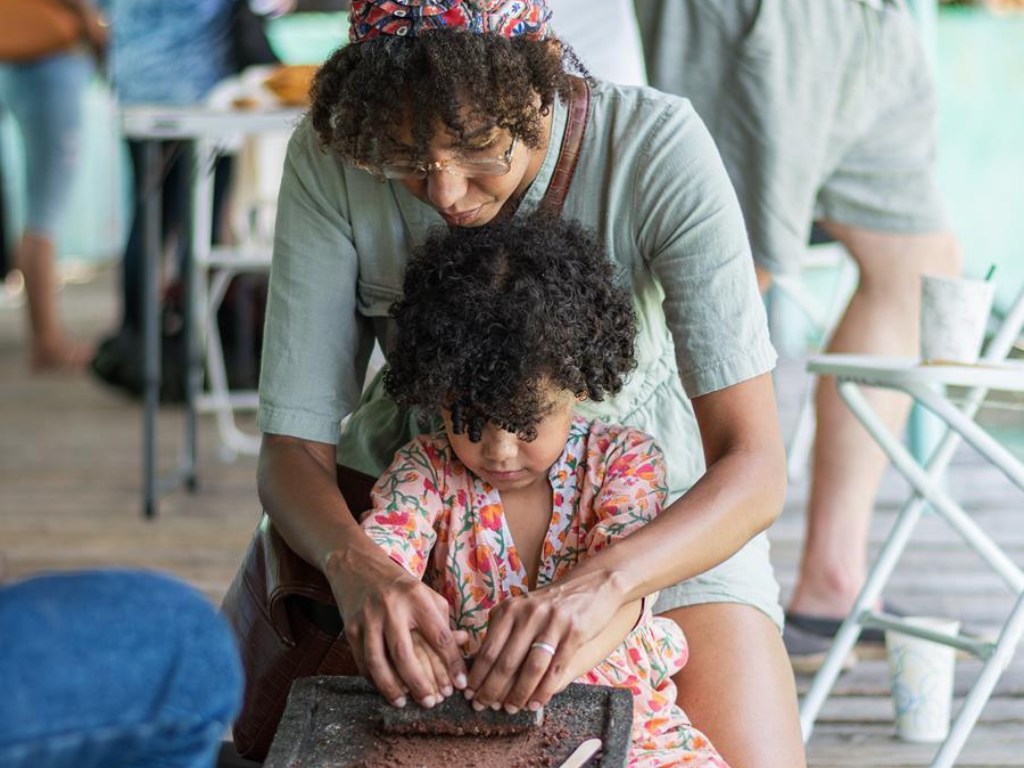
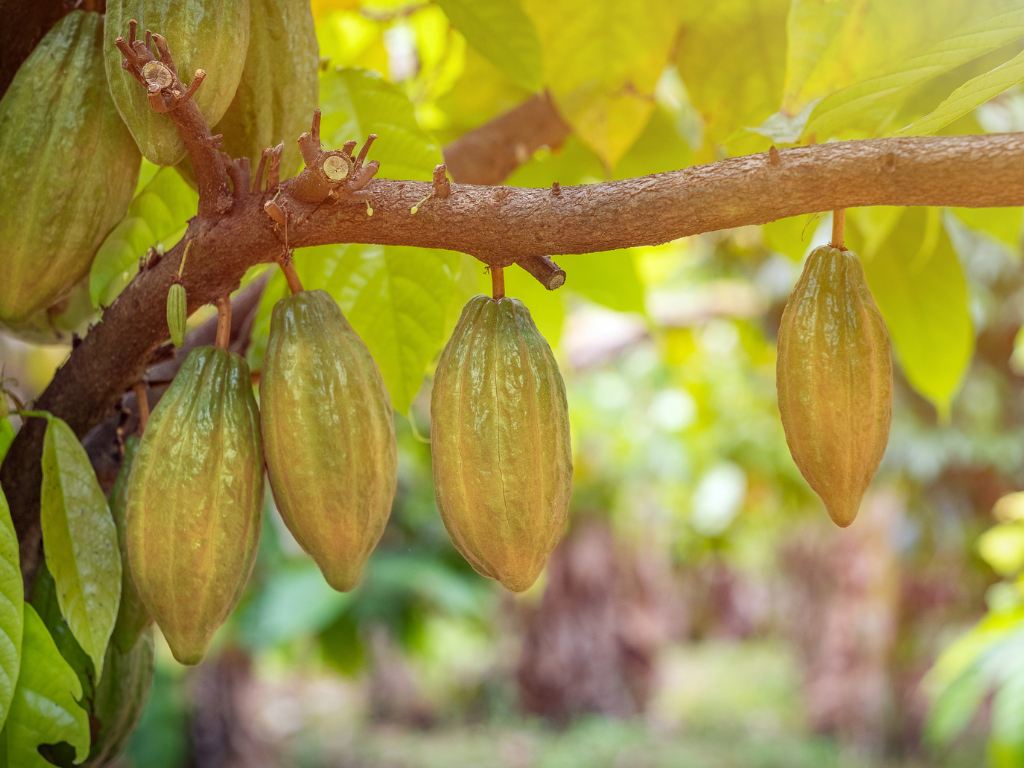
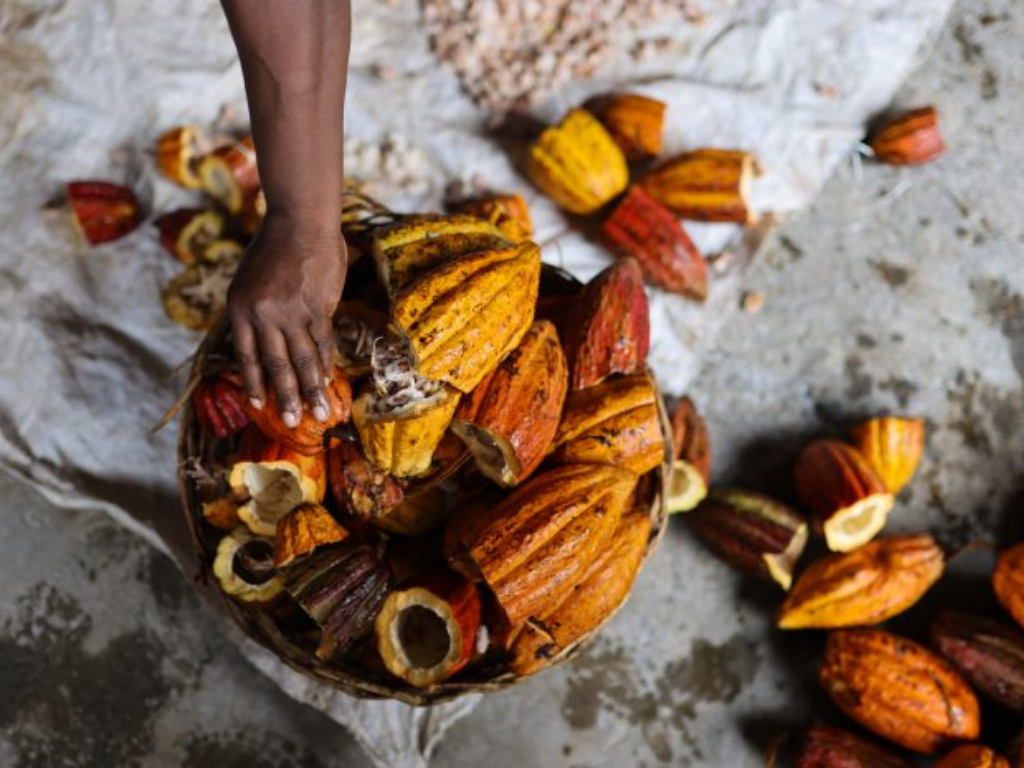
Here, chocolatier Julie Marraud des Grottes—whose family stewards the property—cracks open a golden-hued cacao pod and invites us to pluck out its seeds. Slick with pearly white pulp, each one tastes almost like mango, sweet and tart all at once.

Later, she passes around squares of her 70 per cent single-origin chocolate. Marraud des Grottes’ approach to chocolate-making is designed to coax out the cacao’s wild, shifting character. Her bars are made with just two ingredients: cacao harvested on site and locally sourced sugarcane. The flavour shifts. One month it carries hints of banana, the next, notes of red fruit. “I only have one recipe for chocolate,” says Marraud des Grottes. “But the chocolate will taste different depending on when the cacao is harvested.”

It’s a reminder that in Martinique, sense of place isn’t just something you see—it’s something you taste. Across the island, chefs, producers and distillers treat the landscape as both pantry and muse. Their pride in homegrown ingredients is present in every bite, every pour and every decision to let the land’s character take the lead.

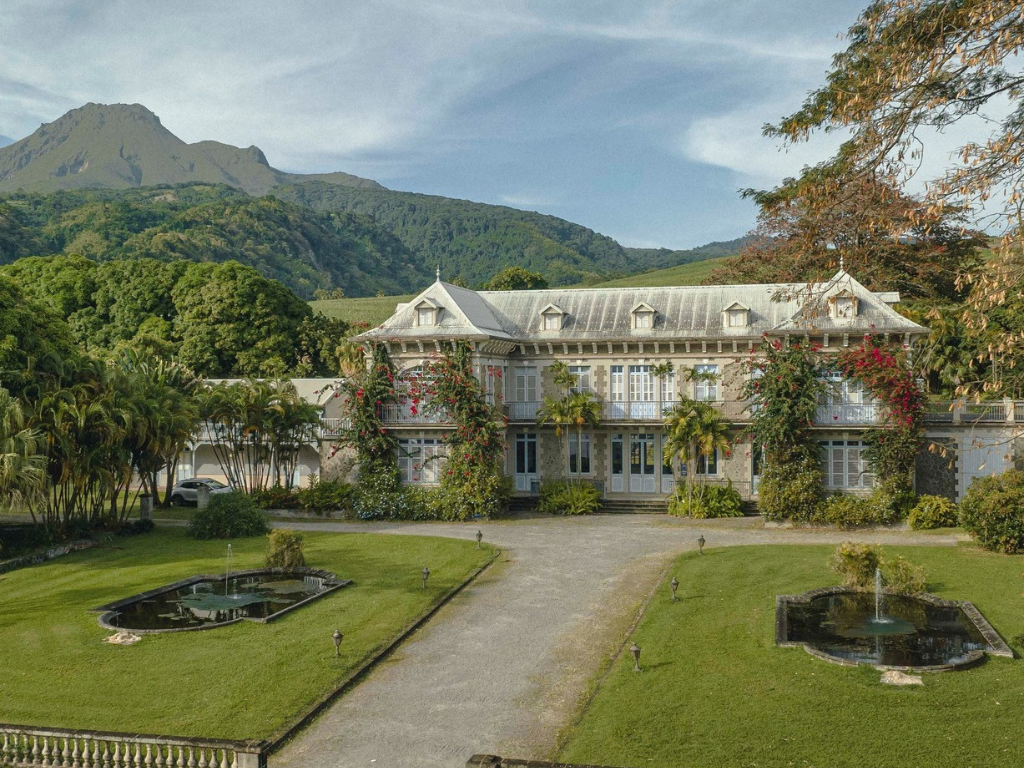
Distillerie Depaz
Distillerie Depaz
Cacao pods

The same cane that sweetens Marraud des Grottes’ chocolate also stars in Martinique’s signature spirit: rhum agricole. I see this up close later that day at Distillerie Depaz. Château Depaz—an early 20th-century manor built in the shadow of Mount Pelée—anchors rolling fields of blue cane. In the breezy dining room, we look out windows framing green hills while we taste through Depaz’s range.

Martinique’s rhum agricole is the only style of rum in the world with France’s coveted AOC designation, typically reserved for wine and cheese. Unlike most rums made from molasses, it starts with fresh-pressed sugarcane juice, a method that preserves the plant’s grassy, earthy brightness as a key note.

At Depaz, high elevation and volcanic soil shape the cane’s bold, distinctive profile. A 48-hour fermentation and old-school steam-powered mills keep the spirit rooted in tradition and place. Each glass is like a liquid map of where it’s made.

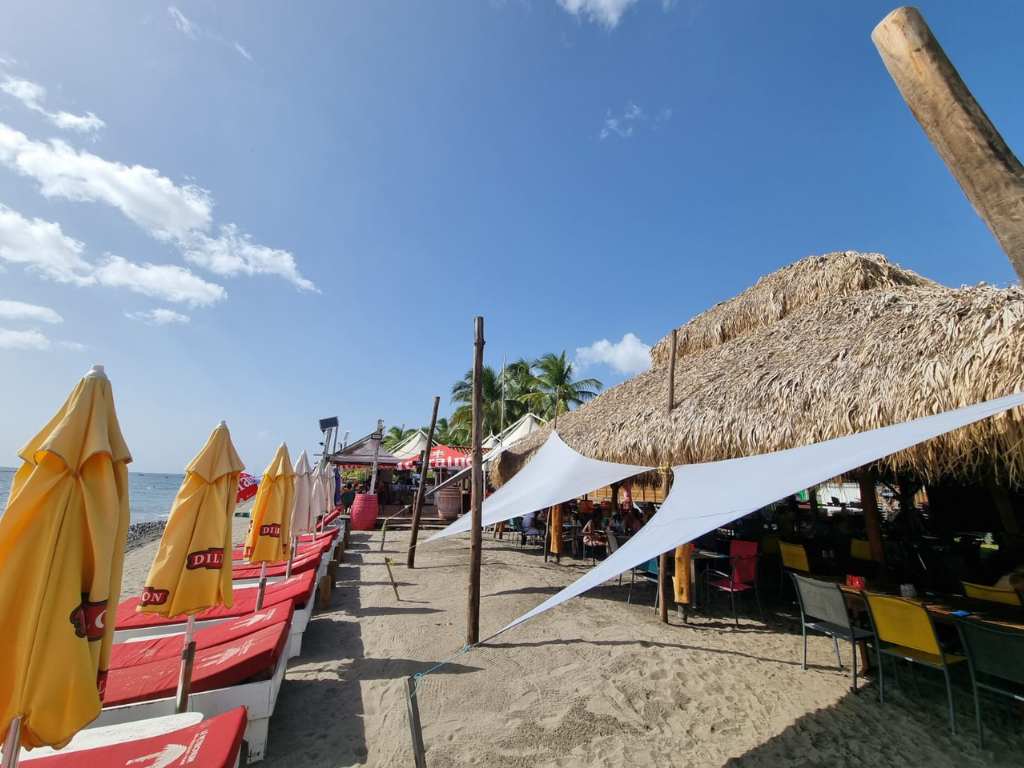
Le Petibonum Martinique
Le Petibonum
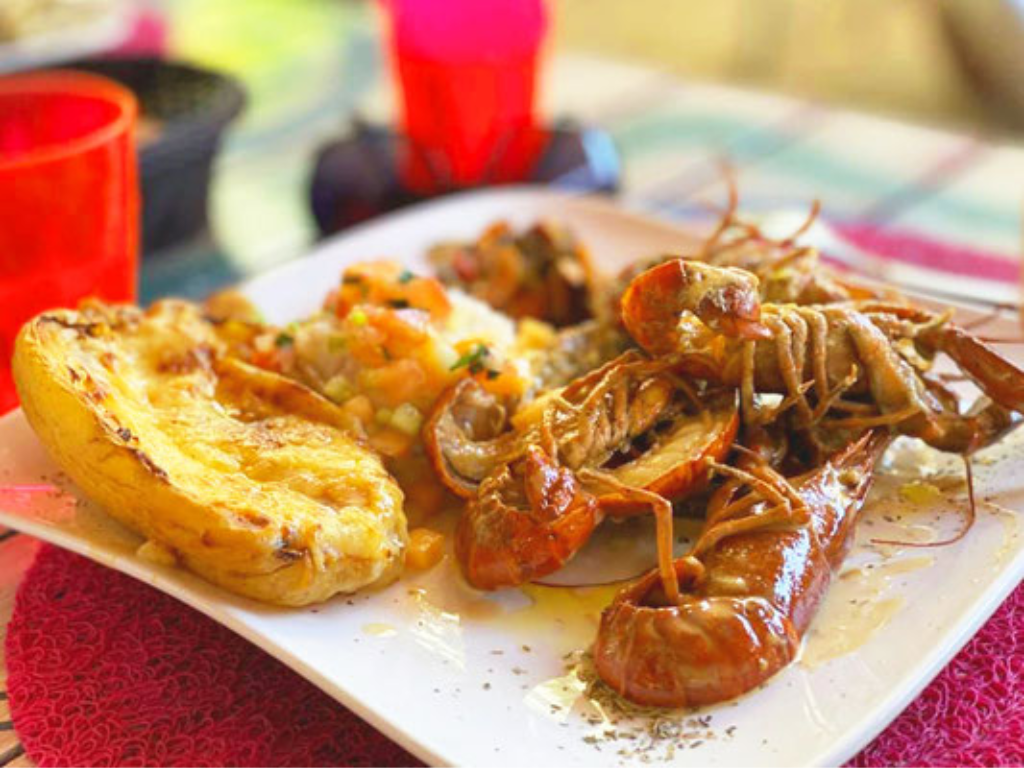
Fresh Seafood

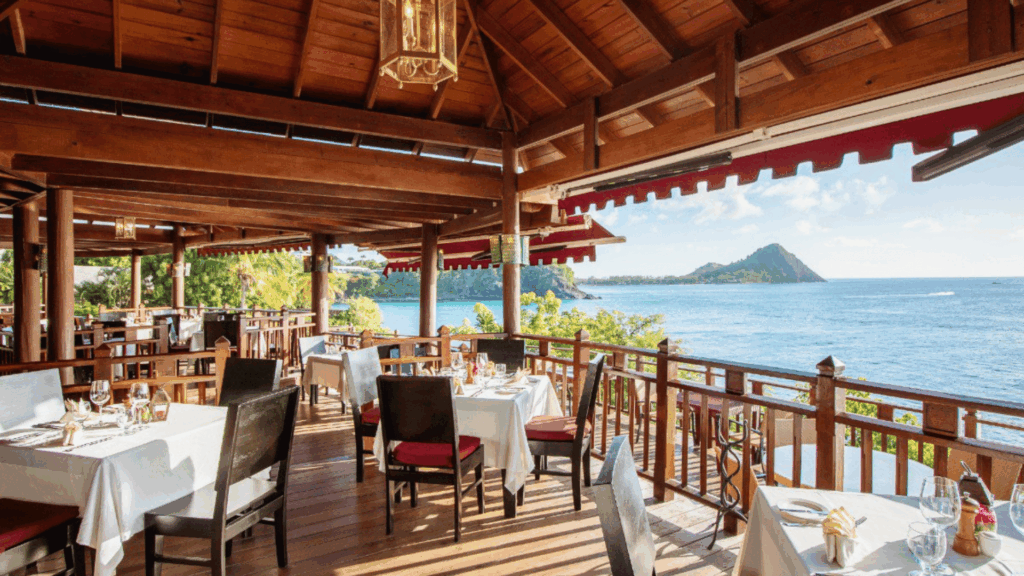
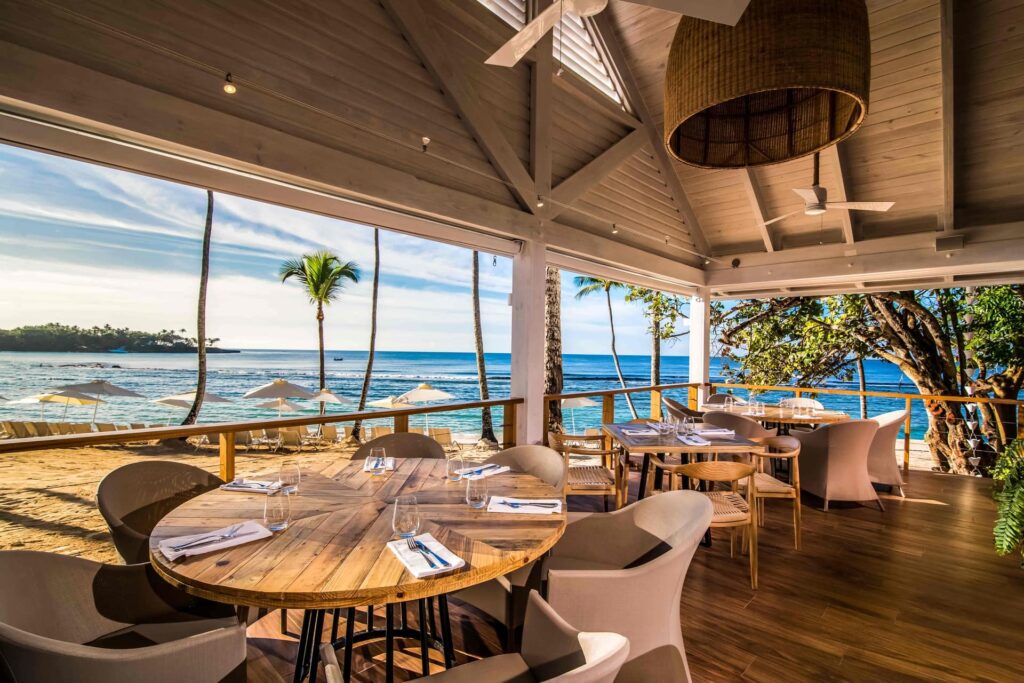
On our final night in Martinique, the road leads us back to the sea—specifically to Le Petibonum, a beachfront restaurant that’s been championing local ingredients for decades. “My grandfather is a farmer here, so I’ve always understood the ingredients of Martinique,” says chef-owner Guy Ferdinand. “When visitors come here, they want to taste what grows on the island. That’s how they learn about our culture.”

Dinner unfolds under a thatched roof on La Plage du Coin, the sky deepening to indigo, our toes buried in the sand. Bottles from Martinique’s storied distilleries, Depaz among them, are laid out across a self-serve tasting table. “After drinking some rum, you’re open to discovering more flavours of Martinique,” Ferdinand says with a grin.

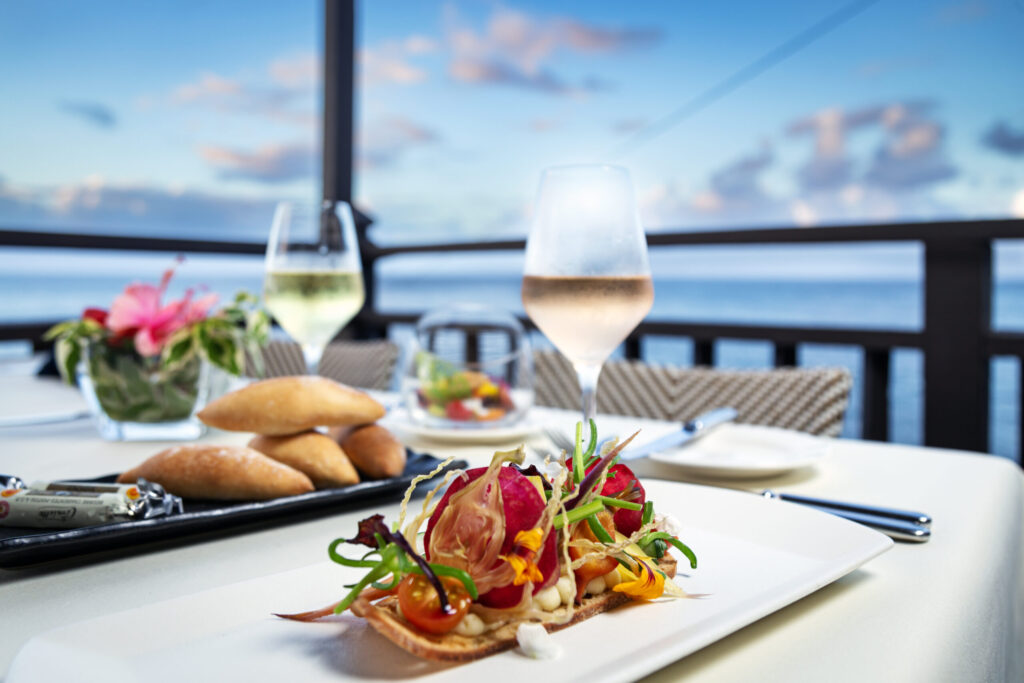
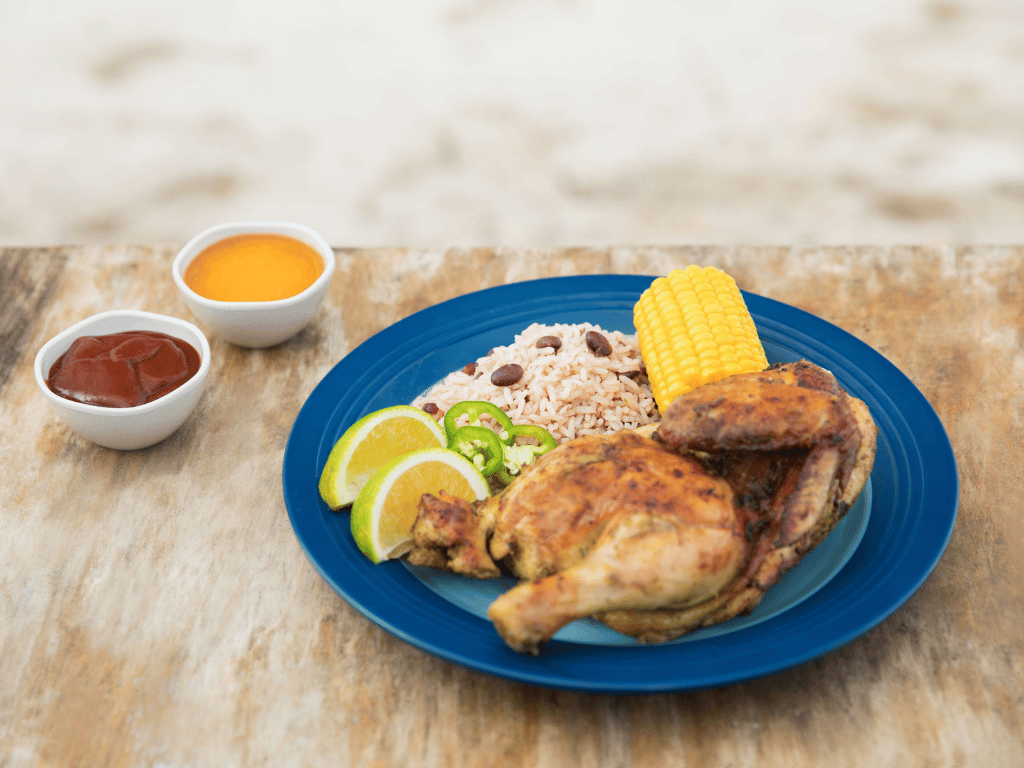
The fish—tuna, dorade, marlin—comes directly from fishermen who dock nearby. Fresh pineapple, in season during our visit, is sliced and served simply.

Between courses, Ferdinand tosses more bay rum branches onto the open grill, then lays fresh fillets over the heat as the smoke curls up around them.

If Martinique’s identity is rooted in what the land grows and gives, there may be no more vivid way to taste it than here: a meal where every element, from fragrant grill smoke to the rhum agricole in my glass, comes directly from the island itself. I leave with sand on my feet, rum on my tongue and Martinique’s flavours still lingering.

Holland America Line Unveils Caribbean-Inspired Menus and Cocktails

New island-themed dishes and drinks debut across the cruise fleet this winter.

This winter, Holland America Line is transforming its Caribbean sailings into full-fledged culinary journeys. From October 2025 through April 2026, six ships will feature new regionally inspired menus and cocktails celebrating the vibrant flavours of the Caribbean — all crafted with the cruise line’s hallmark focus on fine dining at sea.

Guests can expect fresh, locally sourced ingredients and authentic island flavours through port-to-plate dishes, themed cocktails, and special dining experiences, many created by Holland America’s renowned Culinary Ambassadors — chefs David Burke, Masaharu Morimoto, Ethan Stowell, and Jacques Torres.

Menu highlights include:

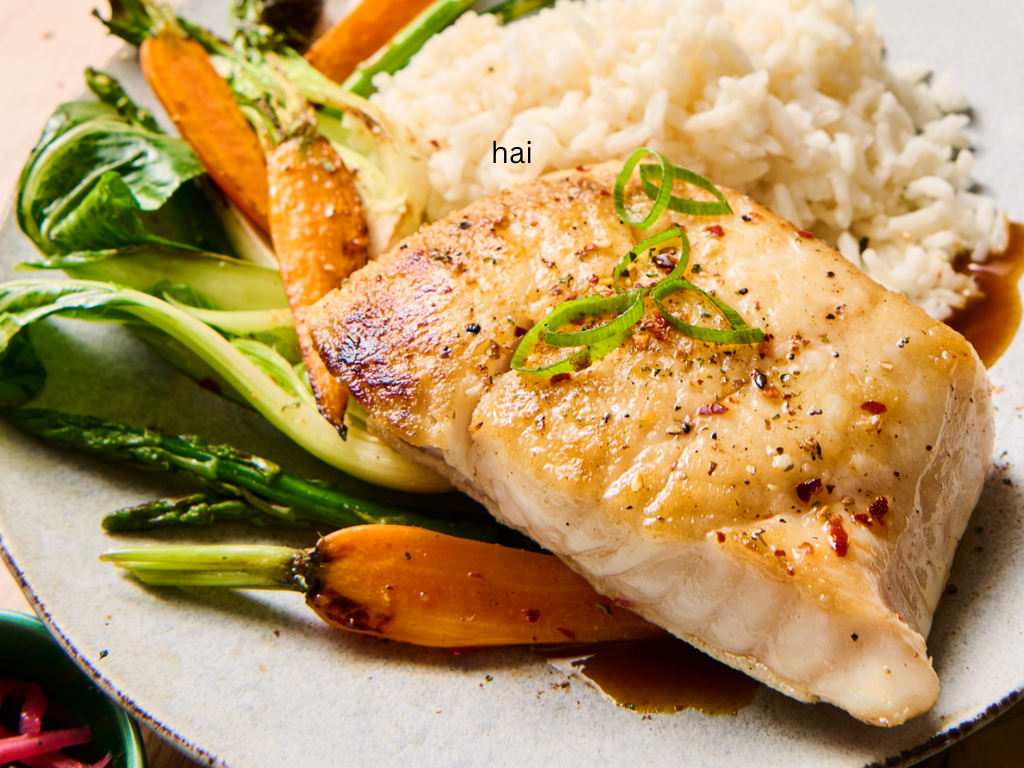
  • Chef Masaharu Morimoto’s trio of island-inspired dishes: Crispy Fried Market Whole Fish, Yuzu Butter Grilled Lobster Tails, and Fresh Catch Grouper with Braised Baby Bok Choy.

  • Chef David Burke’s 15-ounce Boneless Rib Eye and Chef Ethan Stowell’s Spaghetti with Confit Lobster.

  • Chef Jacques Torres’s signature Chocolate-Dipped Cheesecake.

  • New Caribbean Seafood Boil in Lido Market (for a $35 supplement) featuring local shellfish, lobster, and rum cake for dessert.

  • Poolside dinners spotlighting regional favourites paired with tropical cocktails crafted from island spirits like rum, ginger, pineapple and chili.

Beyond the plate, the line is also adding new shore-excursion cooking classes, rum-pairing workshops, and guided tastings, giving guests a hands-on connection to Caribbean culinary traditions.

“Every bite and sip is designed to transport guests to the heart of the Caribbean,” says Michael Stendebach, Holland America Line’s vice-president of food, beverage and rooms. “Beyond the plate, we aim to create moments that celebrate the region’s lively culture and make each journey unforgettable.”

The expanded menus and experiences are part of Holland America Line’s ongoing commitment to showcasing local ingredients and authentic regional cuisine on board and ashore.