Italy

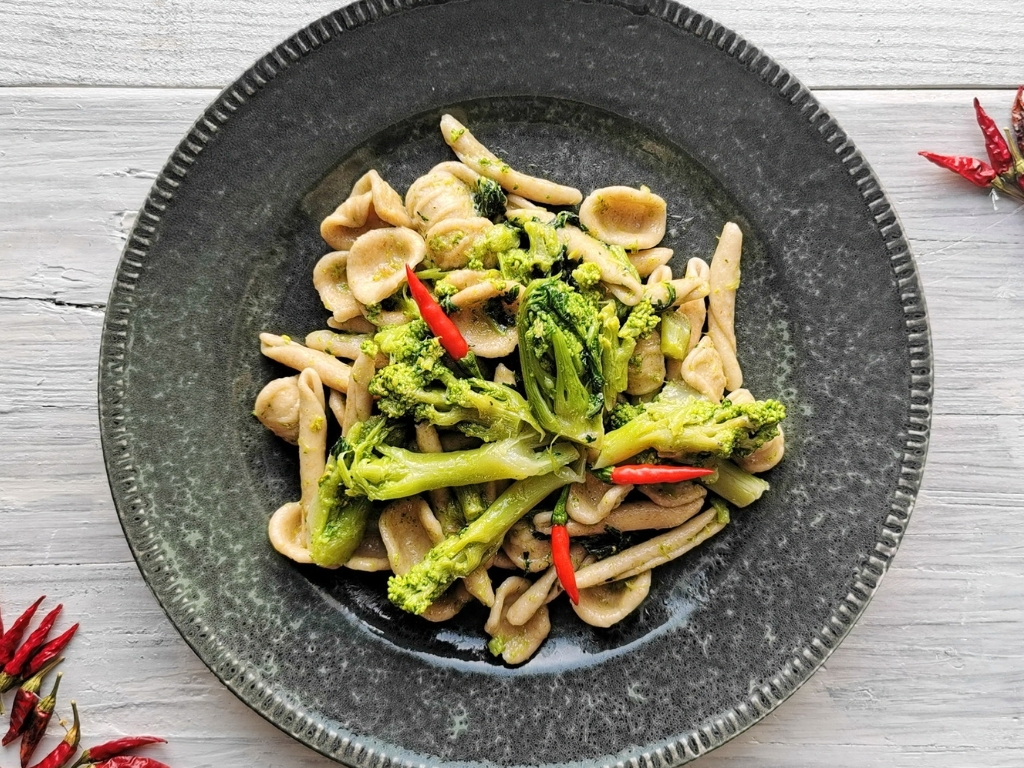
Orrechiette pasta with rapini

Recipe: Orecchiette with Cime di Rapa (Rapini)

Puglia’s most iconic pasta is a balance of bitter greens, rich olive oil and savoury anchovy.

Recipe provided by the Visit Puglia tourism board. 

Ingredients

  • 500 g Puglian orecchiette (dried or fresh)
  • 1 kg broccoli rabe (rapini)
  • 2 cloves garlic
  • 3 anchovy fillets in olive oil
  • Freshly ground pepper, to taste
  • 5 tbsp. Puglian extra virgin olive oil, plus more for dressing
  • Breadcrumbs
  • Pecorino cheese (optional: traditional recipes typically omit cheese, but it can be added to taste)

Directions
Clean the broccoli rabe by removing tough leaves and stems. Wash thoroughly in cold water, drain well, and set aside. 

Heat the olive oil in a large skillet over medium heat. Add the garlic and a pinch of freshly ground pepper, sautéing for 2-3 minutes without letting the garlic burn. Add the anchovy fillets and allow them to melt into the oil. Remove the garlic and set the skillet aside. In a separate pan, toast the breadcrumbs in a small amount of olive oil over medium heat until golden and crisp. Set aside.

Bring a large pot of salted water to a boil. For dried orecchiette, cook the pasta for 5 minutes, then add the broccoli rabe and continue cooking until al dente. For fresh orecchiette, cook the pasta and broccoli rabe together for 6-7 minutes total. Do not overcook.

Drain the pasta and greens, then toss immediately with the anchovy oil. Sauté briefly to combine, drizzle with additional olive oil if desired, and finish with a generous sprinkle of toasted breadcrumbs (and pecorino, if desired).

Read more about traditional Puglian dishes in Puglia by the Plate.
Puglia cuisine feature

Puglia by the Plate

Explore the booming Italian region through six of its most iconic foods.

By Eve Thomas

Italians are fiercely loyal to their local cuisine, and Puglians are no exception. As Italy’s southern heel rises in popularity among international travellers, one of the best ways to explore its coasts and countryside is through food. Tours, museums and cooking lessons offer insight into Puglia‘s history, climate and culture.

Cheese

To understand Puglia, you must visit a masseria – the stunning farmhouse complexes built for sustenance and protection in the 16th century, and revived as agritourism destinations. They mix accommodation (from rustic to luxurious) and production of goods like oil, wine, and citrus, often letting guests get involved. At Masseria Cappella’s working dairy farm, you can try your hand at stretching mozzarella and stuffing it with stracciatella (for burrata), or learn how to make and bake taralli crackers – a staple at every good aperitivo.

Orrechiette pasta with rapini
Orecchiette con Cime di Rapa (rapini)

Pasta

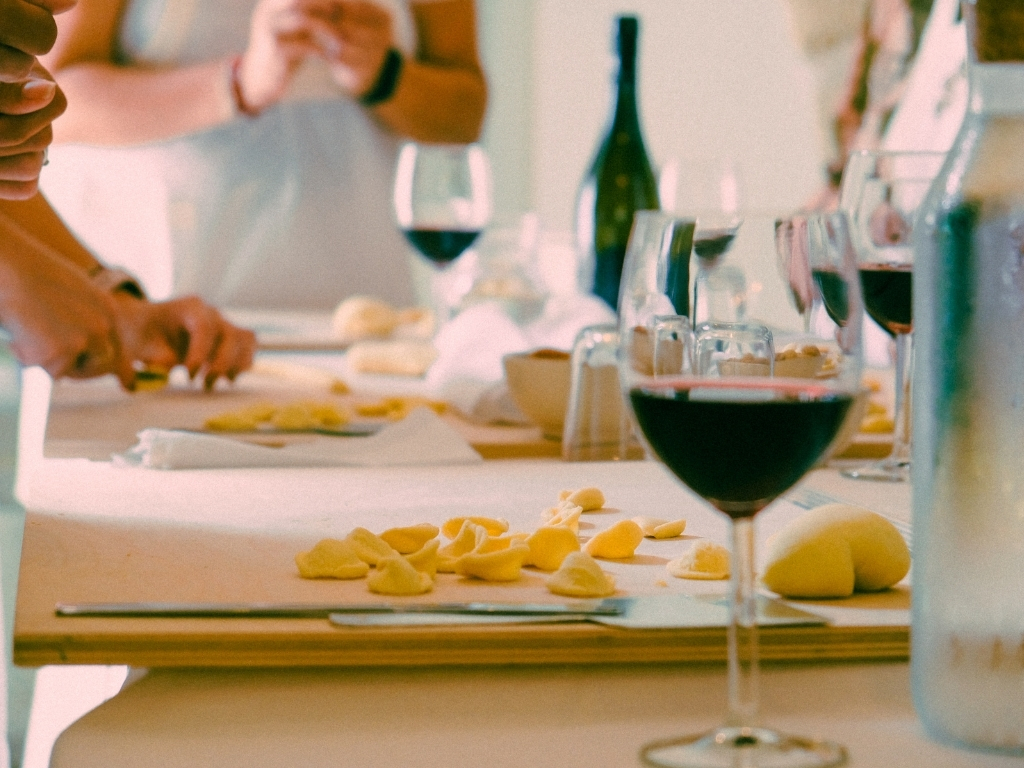
For the best photo ops of Puglia’s famous ear-shaped pasta, head to Strada delle Orecchiette in Bari where nonnas shape it along the street. But for a hands-on experience, book a workshop at Casa Mama in the tiny village of Ginosa. You’ll knead and roll dough (under “Mama’s” watchful eye), then work up an appetite on a tour of the ancient cave village. Return to a feast of simple, local dishes while Pavarotti records play. It doesn’t get more authentic than this.

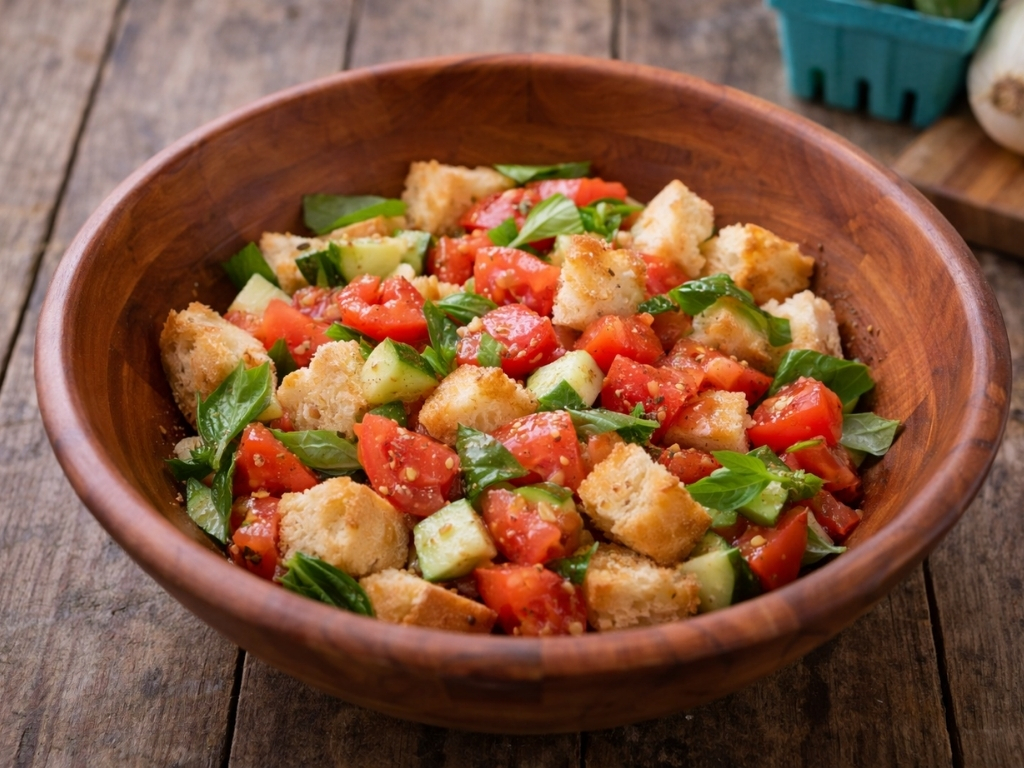
Bread salad puglia
Cialledda salad

Bread

Puglia’s perfectly pillowy focaccia has made its mark worldwide, but traditional sourdough “Pane di Laterza” is still unknown to global gourmets. Laterza Bread Experience tours take visitors everywhere from a humming flour mill to historic olive groves that overlook deep canyons and provide wood for antique bread ovens. End the day at a local speakeasy where you’ll snack on bread-based dishes like cialledda salad and tomato-topped frisella.

Wine

Italian wine is hardly a secret, but Puglia’s Primitivo is still unknown to many. The high-alcohol grapes used to get exported to the rest of Europe to fortify other wines, but are today prized for their bold, full-bodied flavour. Head to Manduria’s Museo della Civiltà del Vino Primitivo and you’ll find not just tastings and a shop, but a museum built into the stone wine tanks in the basement, where antique farm tools and domestic objects like pots and looms recreate scenes from the past.

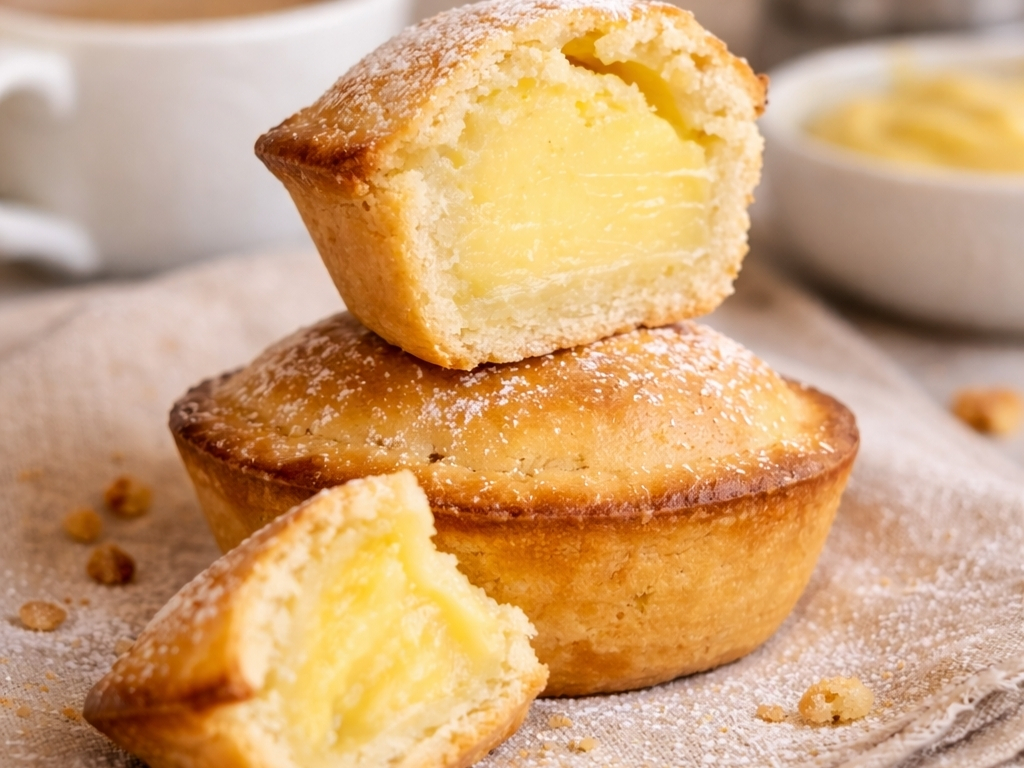
Pasticciotto
Pasticciotto

Pastry

The legend behind oval, custard-filled pasticciotto lecessi pastries dates back to the 1700s, when a chef used leftover ingredients to make them – a hit with families that couldn’t afford full-sized cakes. Today, you can find them throughout Puglia, but for the most authentic taste, try their hometown of Galatina. The best can be found in cafés around the Basilica di Santa Caterina d’Alessandria, a stunning mix of Romanesque, Gothic, Norman and Byzantine architecture.

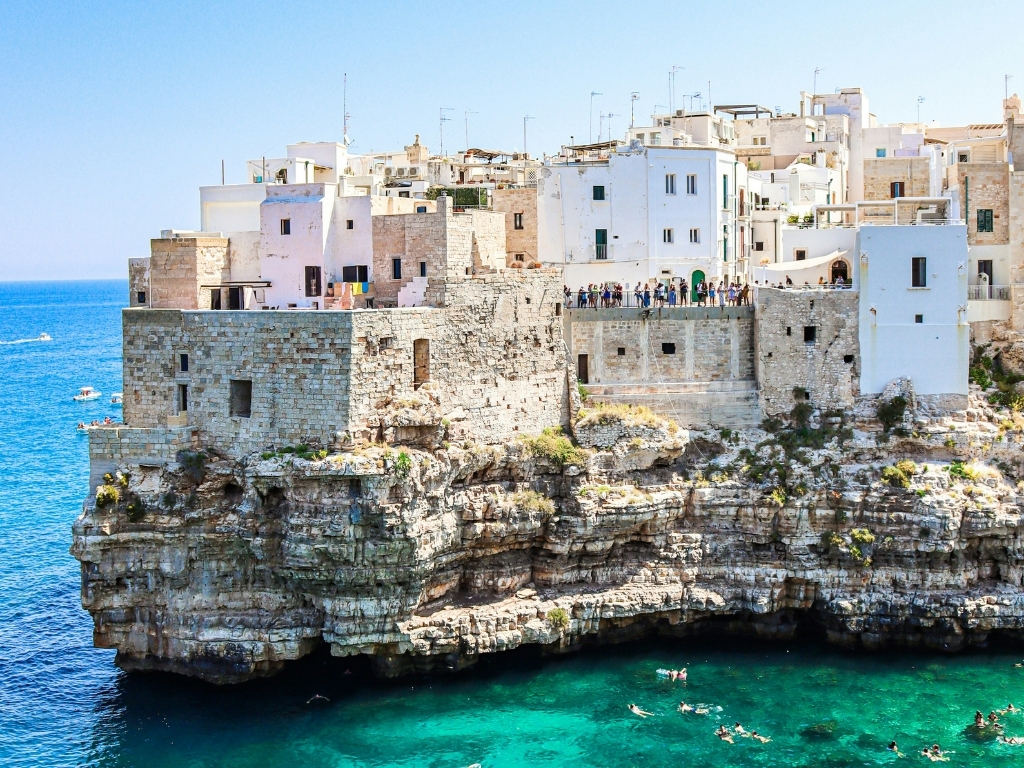
Polignano a Mare

Coffee

In the seaside town of Polignano a Mare, find tourists and locals brushing elbows at the café Super Mago del Gelo Mario Campanella. Skip the cappuccino and try their famed “caffè speciale,” which mixes espresso with amaretto, cream, and a generous slice of lemon peel. There’s also a dizzying menu of iced desserts, including a sundae tribute to “Volare” singer Domenico Modugno, who was born a few blocks away.

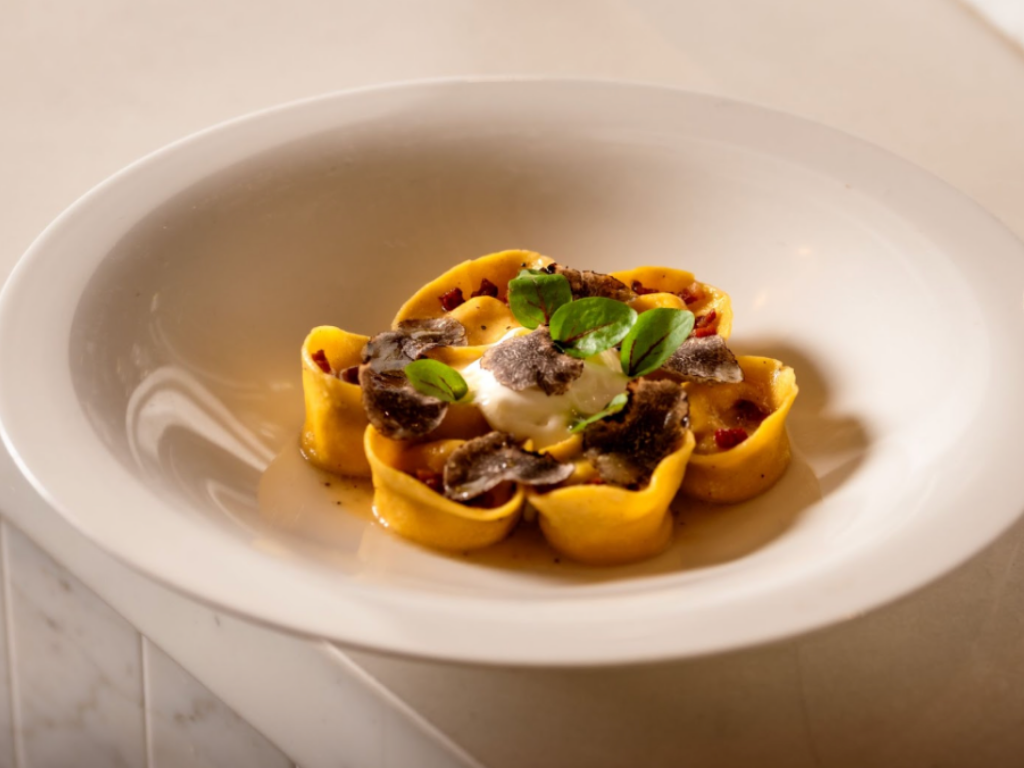
Pasta Carbonara Tortelli Recipe

Recipe: A Carbonara Pasta Straight From Rome, Featured on Emily in Paris

Courtesy of Sofitel Rome Villa Borghese, here's how to make Carbonara tortelli with Pecorino foam, crispy guanciale and seasonal truffle.

Villa Borghese Rome

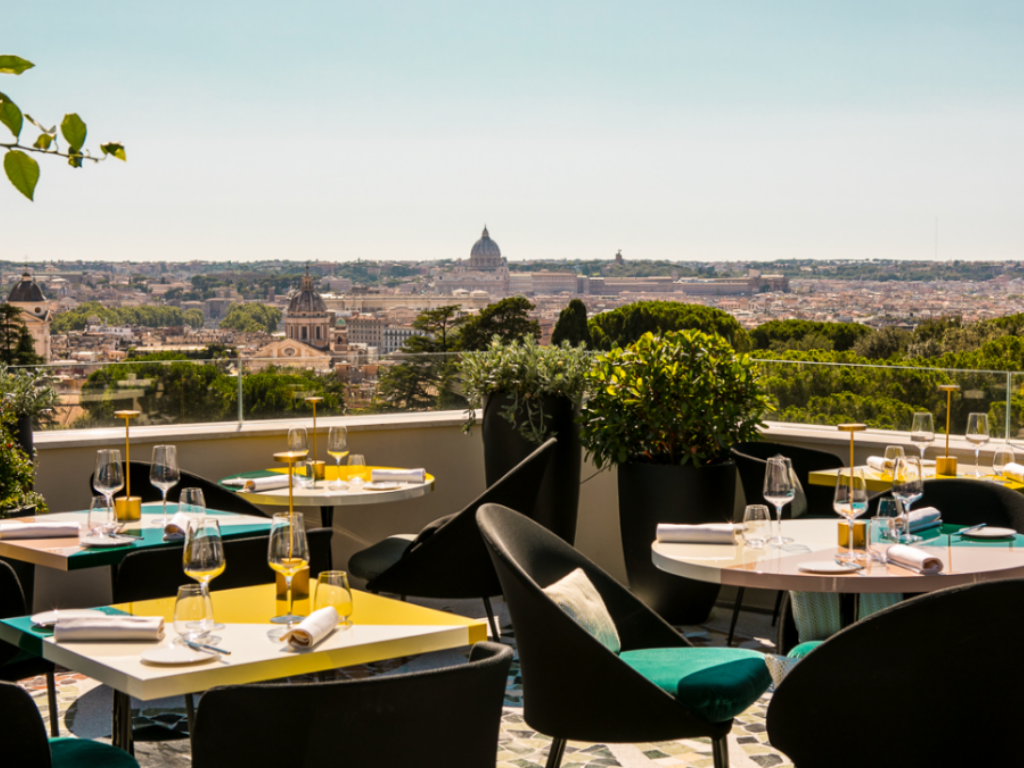
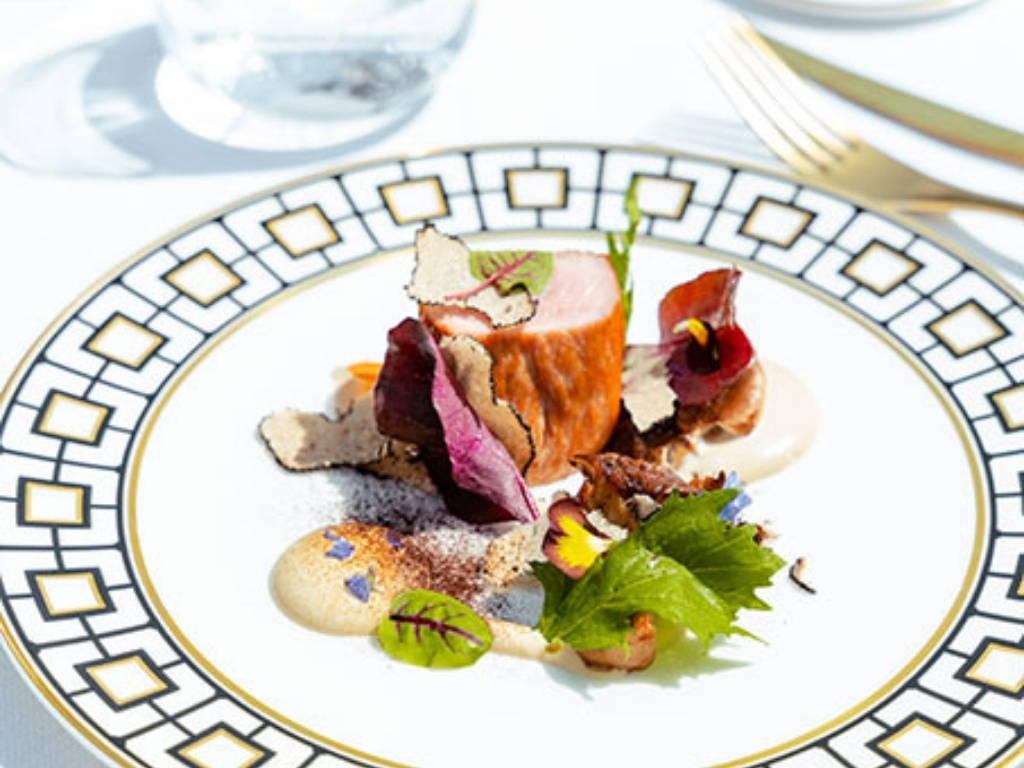
If there’s one thing Rome does exceptionally well, it’s keeping classic dishes interesting. At Sofitel Rome Villa Borghese, the hotel’s rooftop restaurant, Settimio, reworks the traditional carbonara into delicate tortelli, layered with creamy filling, crisp guanciale, and a light pecorino foam. It’s familiar, but just different enough to feel like something you’d order on a special night out.

The dish also happens to have appeared in Emily in Paris, but it doesn’t need the screen time to stand out on your dining table.

Here’s how to recreate it at home.

Carbonara Tortelli with Pecorino Foam, Crispy Guanciale & Seasonal Truffle

Recipe courtesy of Sofitel Rome Villa Borghese

Yield: 10 servings

Ingredients

Pasta Dough

  • ½ cup re-milled durum wheat semolina
  • 3½ cups 00 flour
  • 22 egg yolks
  • 2 whole eggs
  • 1 tbsp salt
  • 1½ tbsp extra virgin olive oil

Carbonara Filling

  • 11 egg yolks
  • 2 cups Pecorino Romano DOP, grated
  • 1½ cups Parmigiano Reggiano, grated
  • ¾ cup heavy cream
  • Freshly cracked black pepper

Pecorino Foam

  • 2 cups whole milk
  • 2½ cups Pecorino Romano
  • 1¼ cups cream

To Finish

  • 10½ oz guanciale (or pancetta)
  • 2 oz fresh seasonal truffle
  • Freshly cracked black pepper

Instructions

1. Make the Pasta Dough
Combine semolina, flour, and salt. Add egg yolks, whole eggs, and olive oil, then knead until smooth and elastic. Wrap and refrigerate for at least 3 hours.

2. Prepare the Filling
Blend egg yolks, cheeses, cream, and black pepper until smooth. Gently heat to 180°F (82°C), then cool quickly. Transfer to a piping bag and refrigerate.

3. Make the Pecorino Foam
Heat and blend milk, Pecorino, and cream until fully combined. Strain and transfer to a siphon. Charge and keep warm.

4. Crisp the Guanciale
Cook slowly until golden and crisp. Set aside.

5. Shape the Tortelli
Roll dough thin, cut into rounds, pipe filling into the centre, then fold and seal.

6. Cook
Boil in salted water for 3–4 minutes. Finish in a pan with a splash of pasta water and olive oil.

7. Plate
Arrange tortelli in a bowl, top with guanciale, black pepper, and pecorino foam. Finish with shaved truffle. Serve immediately (and dream of your next trip to Italy).

Minor Hotels Italy UNESCO food heritage restaurants

Italy’s UNESCO Food Heritage Comes to the Table at These Standout Hotel Restaurants

From Venice’s lagoon to the cliffs of the Amalfi Coast, Minor Hotels is spotlighting Italian cuisine as living cultural heritage.

Italian cuisine has officially been recognized by UNESCO as an Intangible Cultural Heritage of Humanity – a designation that affirms what travelers have always known. In Italy, food isn’t just sustenance. It’s history, ritual, geography, and family memory, shaped by regional ingredients and centuries of tradition.

Across Italy, Minor Hotels is marking the moment by spotlighting six restaurants that interpret this heritage through a contemporary lens. The result is a north-to-south tasting trail through Venice, Florence, Rome, and the Amalfi Coast – each stop offering a distinct expression of what makes Italian cuisine so enduring.

Here’s where to book your table.

Venice: Fine Dining in a 17th-Century Palace

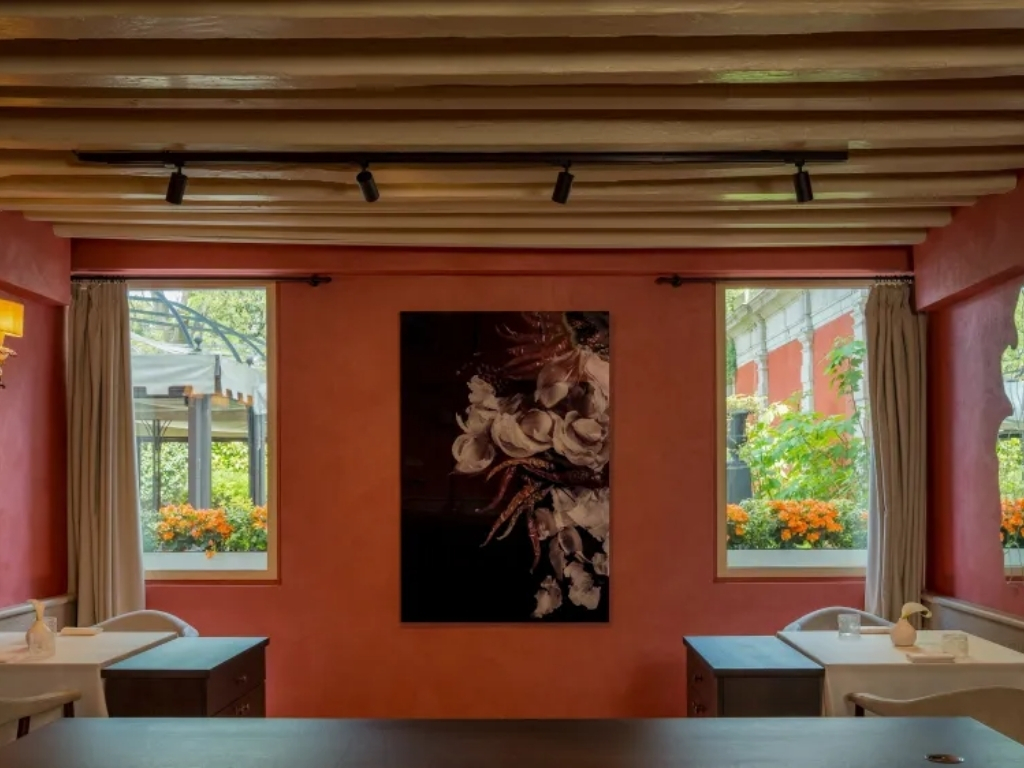
In Venice, where culinary tradition moves to the quiet rhythm of the lagoon, Da Lorenzo – Al Giardino Segreto offers an intimate counterpoint to the city’s tourist bustle. Tucked inside the NH Collection Venezia Grand Hotel Palazzo dei Dogi, the restaurant overlooks one of Venice’s oldest private gardens, a serene backdrop that feels almost cinematic.

Da Lorenzo Restaurant Venice
Da Lorenzo
Da Lorenzo Restaurant Venice
Da Lorenzo

Michelin-starred chef Paulo Airaudo brings a modern sensibility to Venetian classics, presenting tasting menus that reinterpret local traditions with precision and creativity. Seasonality anchors the experience, while subtle international influences keep the cuisine forward-looking. It’s refined, restrained, and deeply rooted in place.

Florence: Pasta as Philosophy

Florence’s Terrae Restaurant, housed within Tivoli Palazzo Gaddi Firenze Hotel, channels Tuscany’s culinary identity through craftsmanship and seasonality. Led by Michelin-starred Chef Patron Iside De Cesare alongside Resident Chef Salvatore Canargiu, the kitchen treats fresh pasta as both art form and cultural thread.

Signature dishes such as cartellata with rabbit and preserved peppers, handmade ravioli scented with garlic, extra virgin olive oil and chili, and traditional fish soup showcase an approach grounded in local ingredients. The menu evolves monthly, reflecting the rhythms of the region and reinforcing Tuscany’s enduring connection between land and table.

Rome: Contemporary Cuisine with Global Nuance

In Rome’s Piazza della Repubblica, INEO Restaurant at Anantara Palazzo Naiadi offers a more contemporary interpretation of Italian haute cuisine. Awarded one Michelin star, the 22-seat dining room feels intimate and intentional.

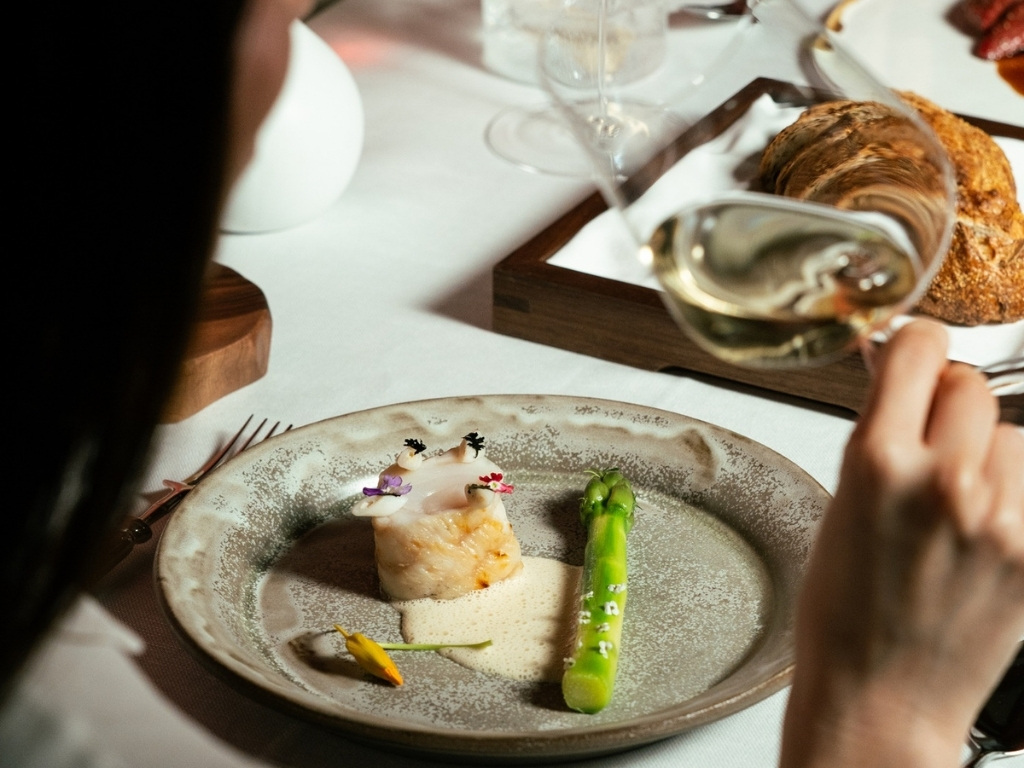
Executive Chef Heros De Agostinis describes his philosophy as a “creative métissage” – a dialogue between Italian tradition and global influences shaped by his international career. The result is thoughtful, technique-driven cuisine delivered through tasting menus and à la carte options. Even the bread program is elevated here, turning a staple of Italian dining into a focal point of craft.

Oro Bistrot in Rome, Italy
Oro Bistrot
Oro Bistrot in Rome, Italy
Oro Bistrot

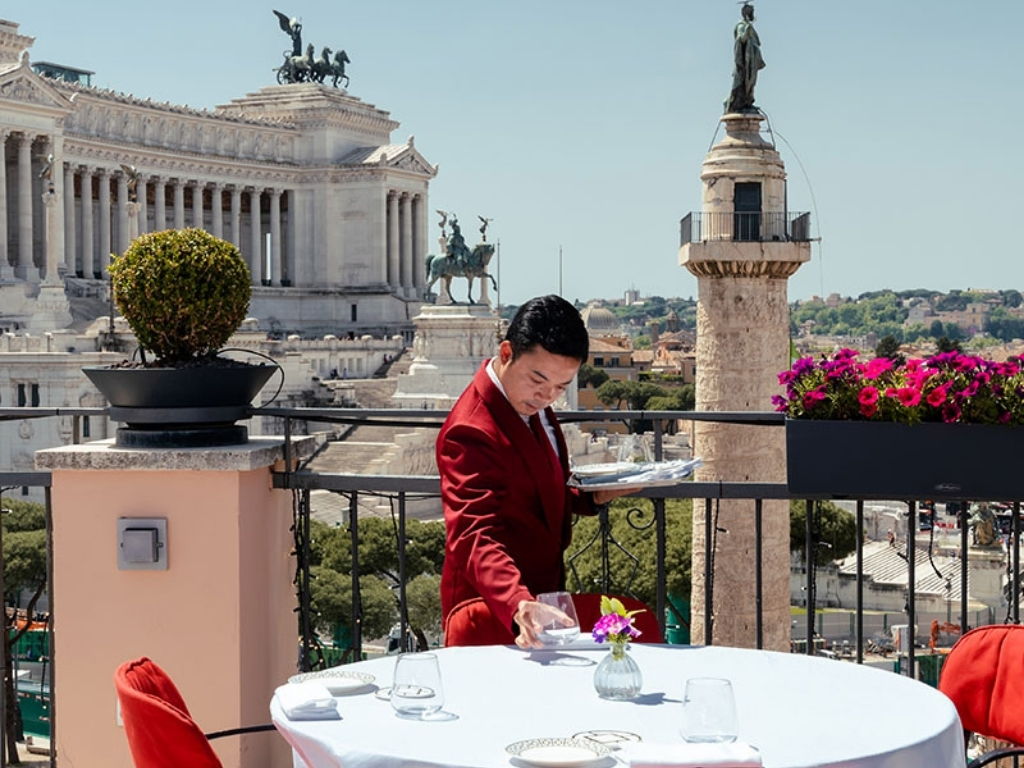
For a different Roman perspective, Oro Bistrot at NH Collection Roma Fori Imperiali pairs elevated Italian cooking with sweeping rooftop views of the Monumento a Vittorio Emanuele II and the Roman Forum. Sicilian chef Natale Giunta reinterprets classic flavors with a contemporary edge, spotlighting premium seasonal ingredients in a setting that feels both glamorous and distinctly Roman.

Meanwhile, in the Prati district, Antéla Restaurant at NH Collection Roma Centro offers a more urban garden escape. Also led by Giunta, the menu ranges from refined raw seafood to inventive dishes such as spaghetti with coconut milk and olive crumble. A carefully curated wine list balances iconic labels with independent producers, while a cocktail program inspired by Latin maxims adds a narrative twist to the evening.

Amalfi Coast: Cliffside Elegance

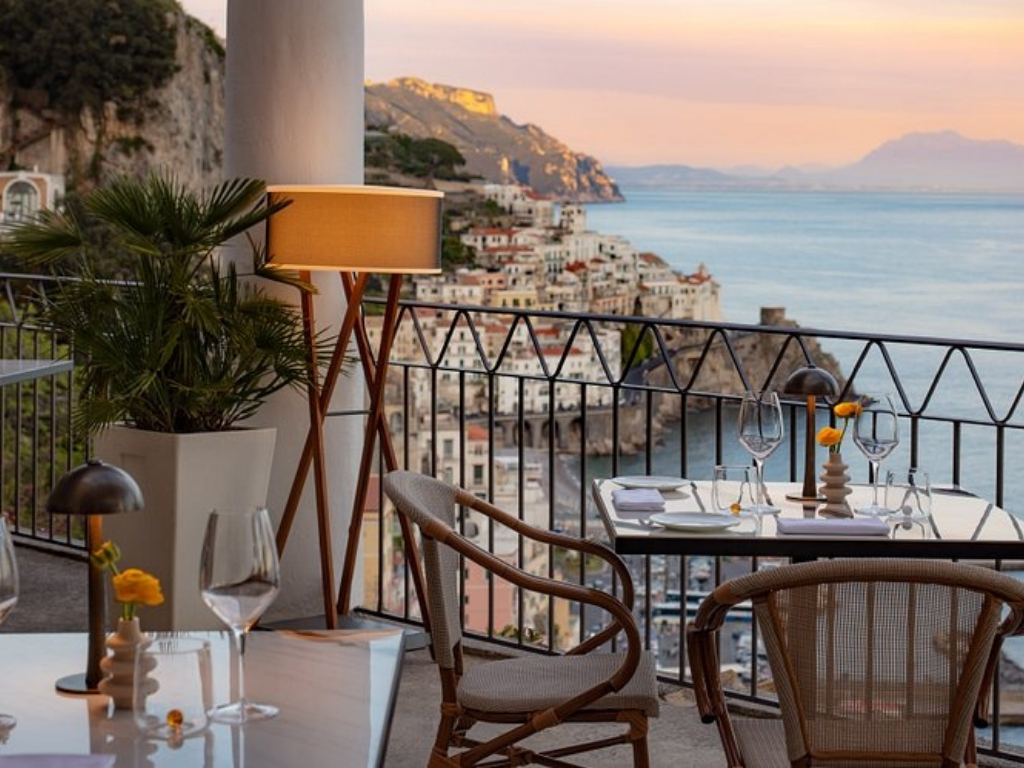
The journey culminates along the Amalfi Coast at Dei Cappuccini, located within Anantara Convento di Amalfi Grand Hotel. Set inside a restored 13th-century Capuchin convent suspended between sky and sea, the restaurant blends monastic heritage with contemporary elegance.

Here, traditional Amalfitan recipes are reimagined with modern finesse, showcasing the finest local ingredients against sweeping views of the Tyrrhenian Sea. Sunset aperitivi give way to intimate dinners framed by cliffside panoramas – a setting that amplifies the emotional pull of southern Italian cuisine.