The Art of the Tart: Six Delicious French Tarts to Make at Home
When exploring Northern France, eye-catching pastries—most of which look too pretty to eat—are the norm. Here are six must-try tarts with ties to Normandy and Lyon, complete with recipes so you can get your fix at home.
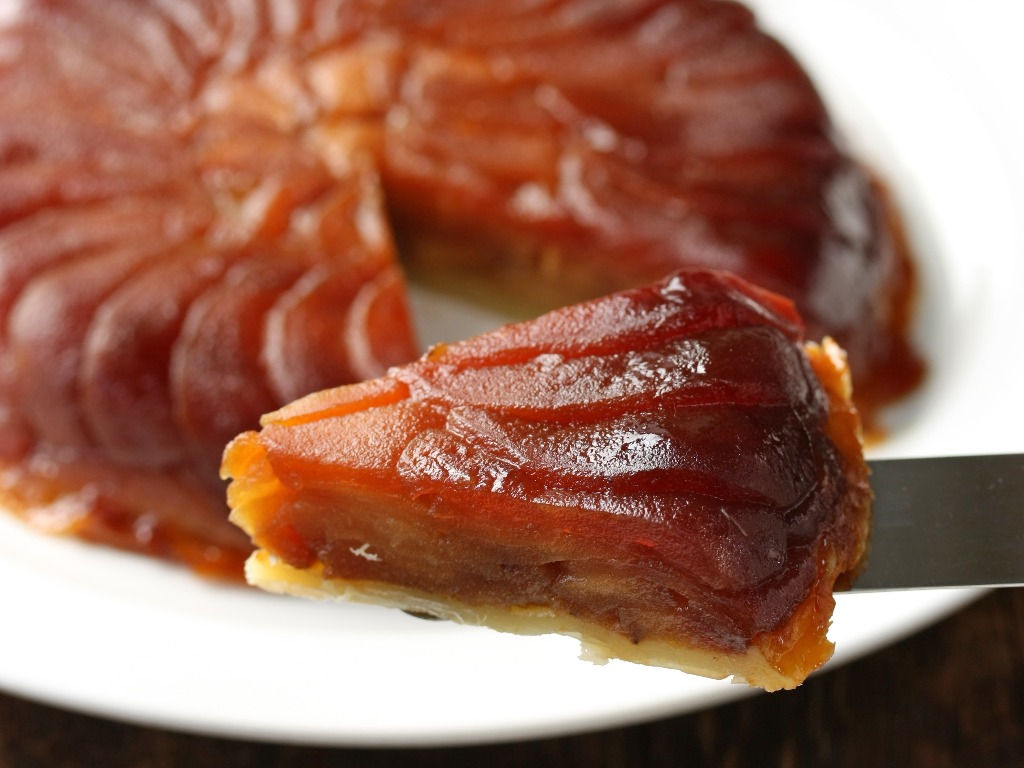
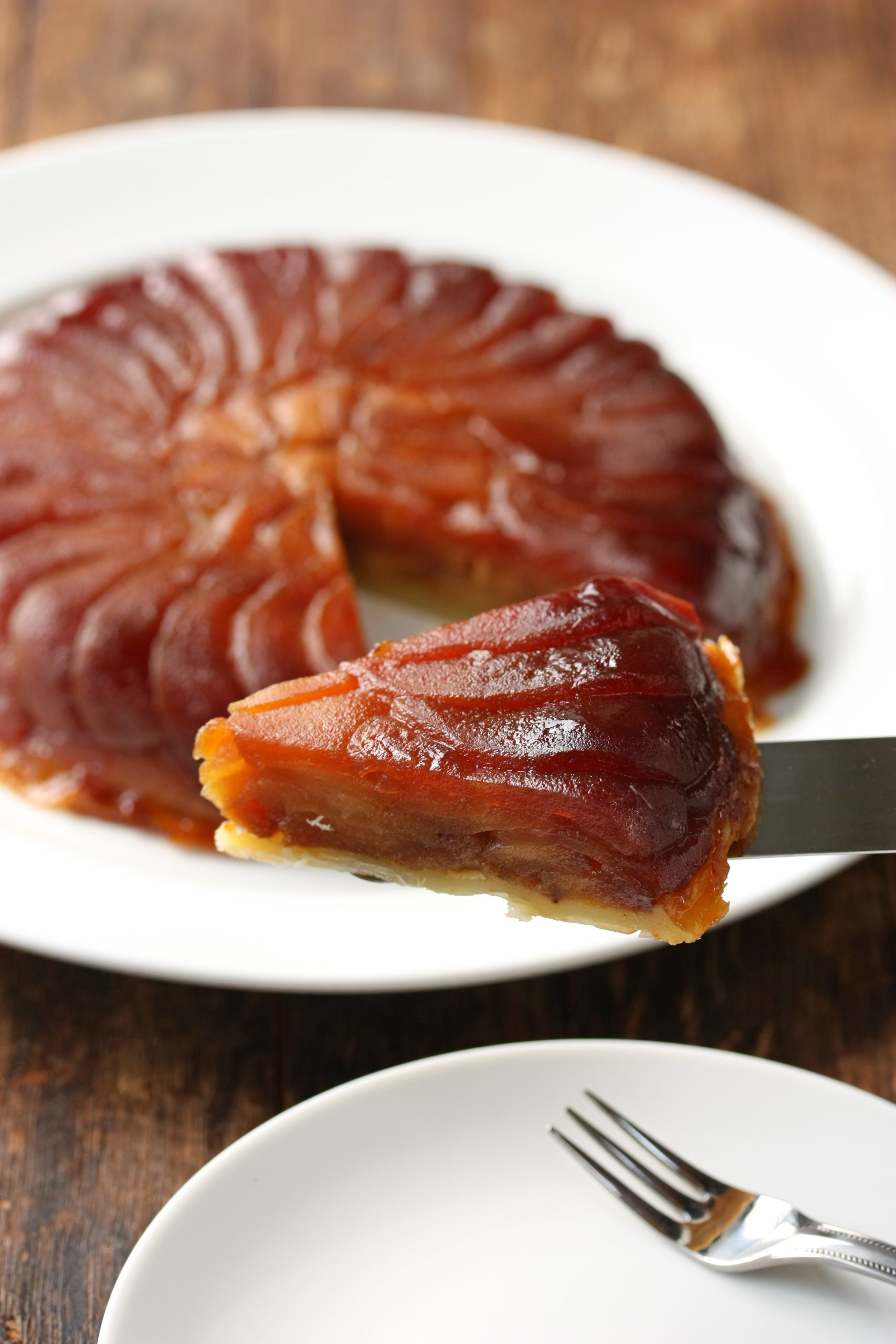
Tarte tatin
While tarte tatin didn’t originate in Normandy, it’s grown in popularity to be one of the most sought-after tarts in the region. Tarte tatin features fruit (typically apples) caramelized in butter and sugar. After baking, the tart is inverted onto a plate, with the caramelized apples facing upwards. The dessert has an interesting history, as it was reportedly created by accident in the late 19th century by the Tatin sisters in their hotel in Lamotte-Beuvron, France.
Ingredients
- 1 sheet puff pastry, thawed
- 1.5 kg Granny Smith apples, peeled and quartered
- 3 tbsp. water
- ½ cup sugar
- 3 tbsp. unsalted butter
Heat oven to 375°F. Using a 9-inch cake pan as a guide, cut a circle of puff pastry, using a fork to make small holes for ventilation, and set aside. In a large saucepan over medium heat, combine water and sugar and cook until golden (5 to 7 minutes). Add the butter and stir constantly. Add the apples and coat them in a layer of thick caramel. Continue cooking for 15-20 minutes and ensure apples are thoroughly coated in caramel sauce. Remove from heat and tightly arrange the apples in circles at the bottom of the cake pan. Pour remaining caramel over top, lay the puff pastry on top, and firmly press down the sides of the pan. Bake for 45-50 minutes until the pastry is golden brown. Cool for one hour, turn upside down, and serve!
Tarte aux poires
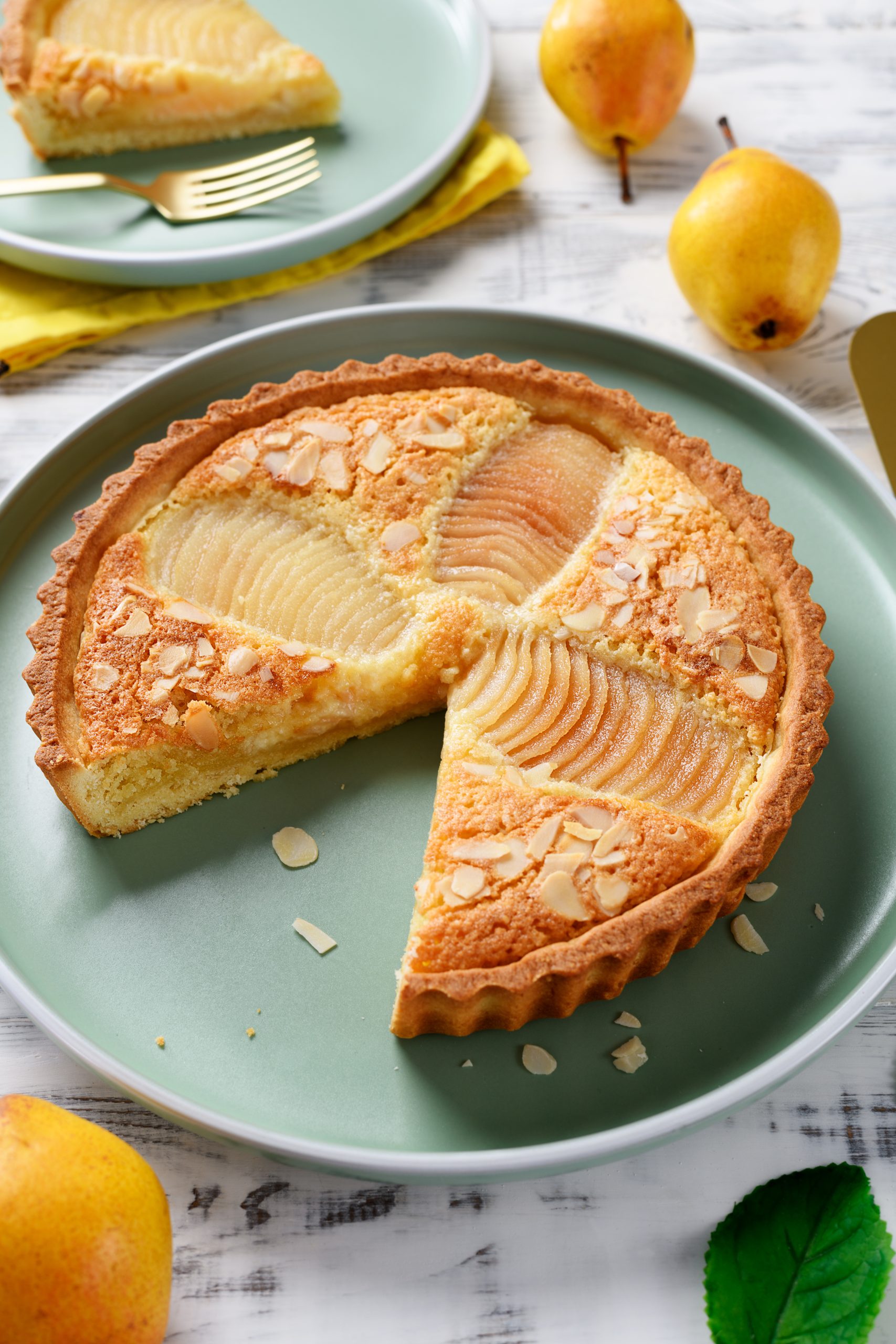
Tarte aux poires is a French pear tart that features a buttery pastry crust filled with sliced pears, often accompanied by a custard or almond cream filling. The pears are typically arranged in a design on top, and the tart is sometimes glazed for a shiny finish. In Normandy, most pears—including the Williams pears used widely for this dessert— are harvested from July through late October, making this a delicious treat from summer through early autumn.
Ingredients
- 1 shortcrust pastry
- 3 tbsp. unsalted butter, softened
- ¾ cup almond meal
- 1 egg
- ⅓ cup sugar
- 4 pears, peeled, sliced lengthwise
- 1 drizzle honey
- 1 handful sliced almonds
Preheat oven to 400°F/200°C. Roll out the shortbread dough and place in a 9-inch cake pan, using a fork to poke holes to increase ventilation. In a large bowl, make almond cream by mixing the butter and almond, add egg and sugar and mix well until smooth. Spread the cream over the pastry and add the pears, arranging tightly. Drizzle honey and sprinkle with slivered almonds. Bake for 30-40 minutes, until the crust is flaky.
Quiche Normande
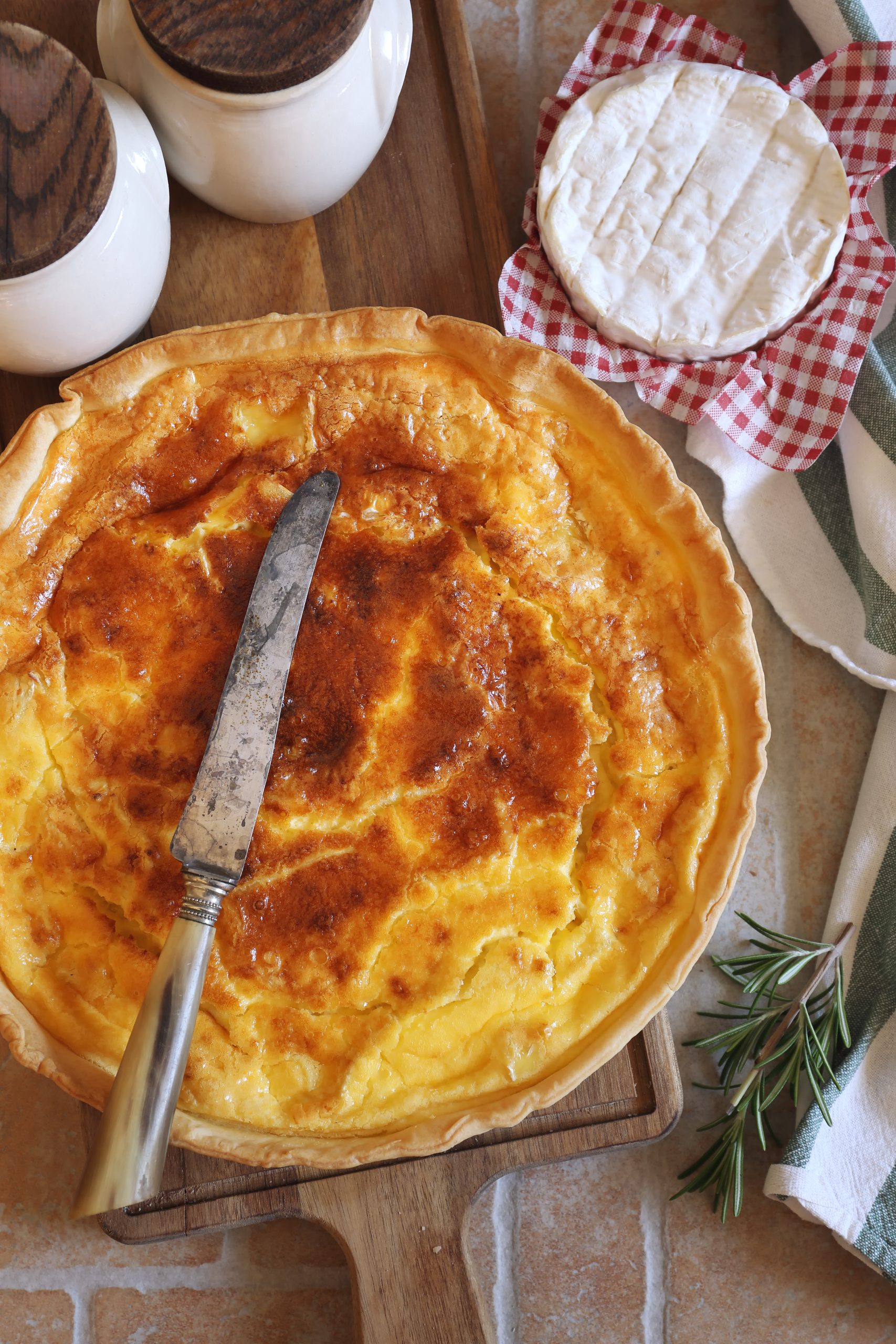
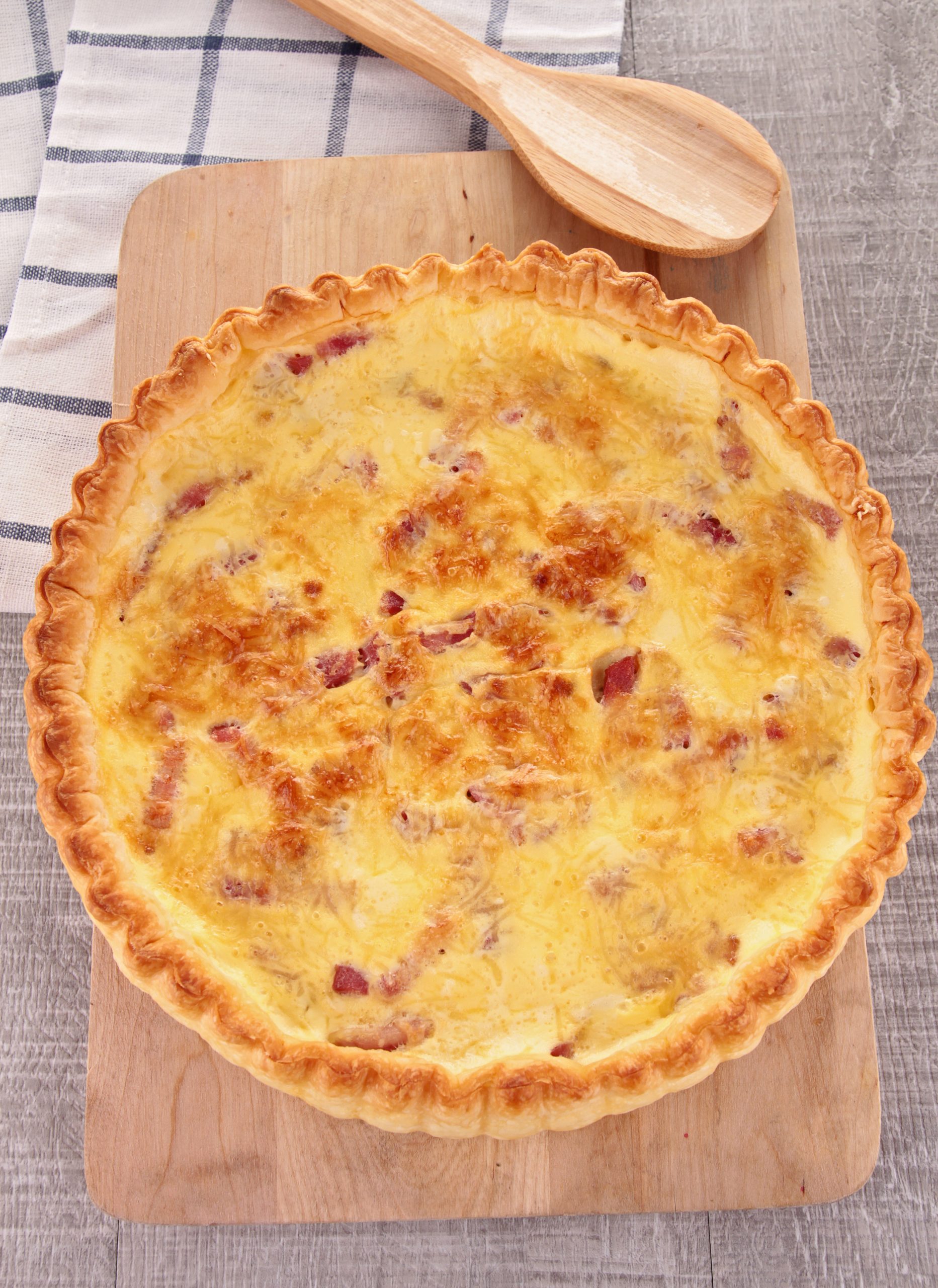
Like its name suggests, quiche Normande is a tribute to this part of France. A savoury tart often eaten for lunch or dinner, this egg-based filling also incorporates heavy cream and often pieces of ham or cheese. One of the defining characteristics of quiche Normande is the addition of apples or apple cider, which gives it a unique flavor that reflects the region’s apple-growing heritage. Feel free to add a splash to your own filling for added acidity.
For the dough
- 2 cups all purpose flour
- 100 g butter
- 1 cup of water
- 1 tsp. salt
Heat water, salt and butter in a saucepan. Once butter is melted, remove from heat and pour in the flour, mixing until a dough is formed. Line a 9-inch cake pan, pricking the bottom with a fork. Sprinkle grated ham onto the pastry base.
For the filling
- 3 eggs
- 200 ml cream
- 500 ml milk (2%)
- 150 g smoked ham, grated
- 1 Camembert cheese
- Salt and pepper to taste
Preheat oven to 350°F. Whisk together eggs, cream and milk and pour onto pastry base. Bake for approximately 30 minutes. Remove from oven and let cool. Slice the Camembert cheese into thin slices and arrange on top of the tart. Bake for another 15 minutes, or until golden brown. Serve warm.
Tarte aux pralines
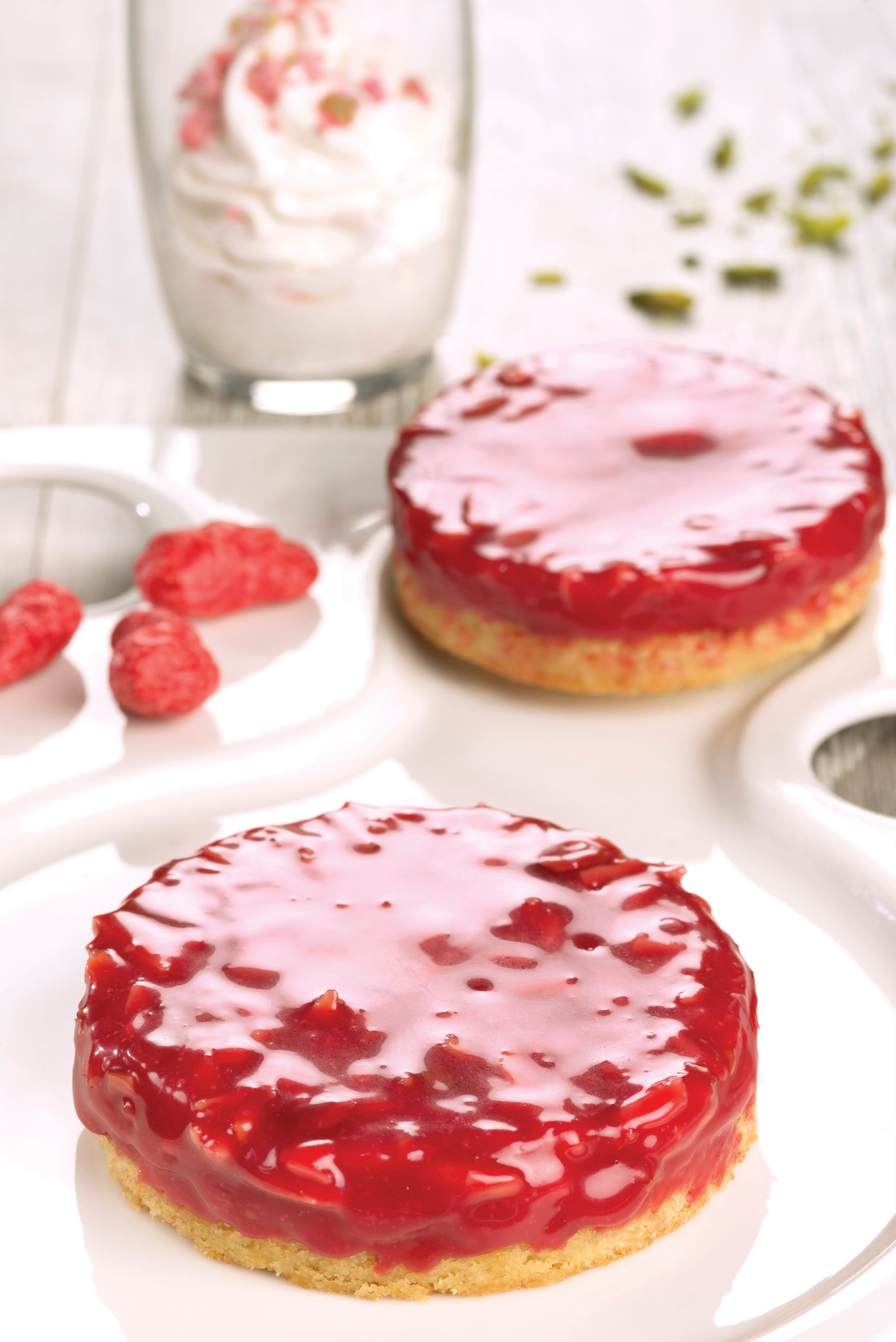
Hailing from Lyon, tarte aux pralines is immediately recognizable in any French pastry shop thanks to its striking bright pink colour. The tart features a buttery, flaky pastry crust filled with a luscious, creamy custard made from crushed pink pralines—sugar-coated almonds that add both sweetness and a slight crunch.
For the dough
- 160 g flour
- 50 ml water
- 80 g cold butter, cubed
- 1 tsp. sugar
- ½ tsp. salt
Preheat oven to 350°F. Combine all ingredients in a bowl and knead a dough ball. Cover with cling film and refrigerate for 30-60 minutes minimum. Roll out the pastry on a floured working surface to fit a 9-inch cake pan. Grease the pan and transfer pastry into pan, removing excess pastry with a knife, and pricking pastry with a fork for ventilation. Prebake for 20-25 minutes, until slightly golden. Leave to cool before adding the filling.
For the filling
- 200 g crème fraîche
- 100 g pink pralinés, crushed
Bring crème fraîche and almond chunks to boil, and allow to gently bubble over medium heat for about 10 minutes, stirring frequently, until mixture is thick, glossy and pink. For a brighter pink colour, opt to add a few drops of red food colouring. Let cool for several minutes before pouring into prebaked pastry shell. Allow to set for 1-2 hours in the refrigerator.
Tarte aux poireaux
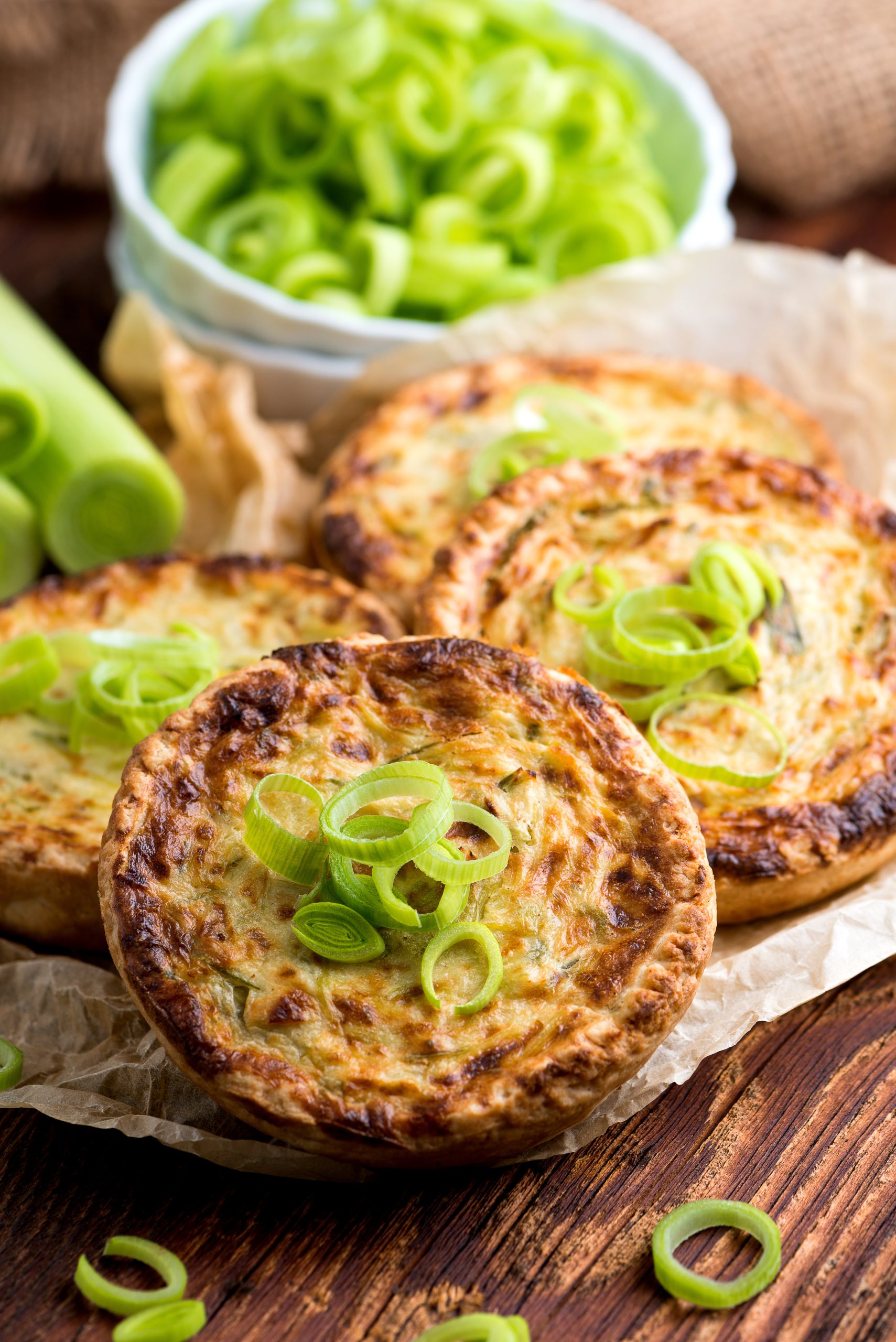
Perfect for spring or summer, tarte aux poireaux is a leek tart that was created in northern France, where leeks are a staple ingredient in cooking. It’s made by filling a buttery, flaky pastry crust with a mixture of sautéed leeks, eggs, cream, and sometimes cheese, creating a custard-like filling. Other ingredients, like ham or bacon, can also be added.
Ingredients
- 1 shortcrust pastry roll
- 3 eggs
- 1 egg yolk
- 500 ml cream
- 6 leeks, sliced
- 3 tbsp. olive oil
- 1 tbsp. butter
- Salt and pepper to taste
Preheat oven to 400°F. Grease a 9-inch baking pan with butter and line with pastry, using a fork to prick holes for ventilation. Trim off excess pastry. In a pan, sauté the leeks in oil for approximately 20 minutes, or until brown. Season with salt and pepper. In a separate bowl beat cream and eggs. Add leeks and continue to mix well. Pour into the bottom of the tart and bake for 35-40 minutes, or until golden.
Tarte au Camembert
A tribute to one of France’s most loved cheeses, tarte au Camembert originates from the Normandy region, where the cheese is produced. The tart is typically made by filling a buttery, flaky pastry crust with a mixture of Camembert cheese, eggs, cream, and often herbs or garlic for added depth. The cheese melts beautifully during baking, resulting in a smooth, velvety filling that contrasts with the crispness of the pastry.
Ingredients
- 1 shortcrust pastry roll
- 200 ml cream
- 3 eggs
- 1 Camembert cheese, sliced
Preheat oven to 350°F. Spread the pastry into a 9-inch baking pan. Mix cream and eggs and pour into the dish. Place strips of Camembert cheese on top. Bake for 30-35 minutes, or until golden, and serve warm.