Author: Renee Morrison

The World’s Best Female Chef Was Named Godmother of This Cruise Ship

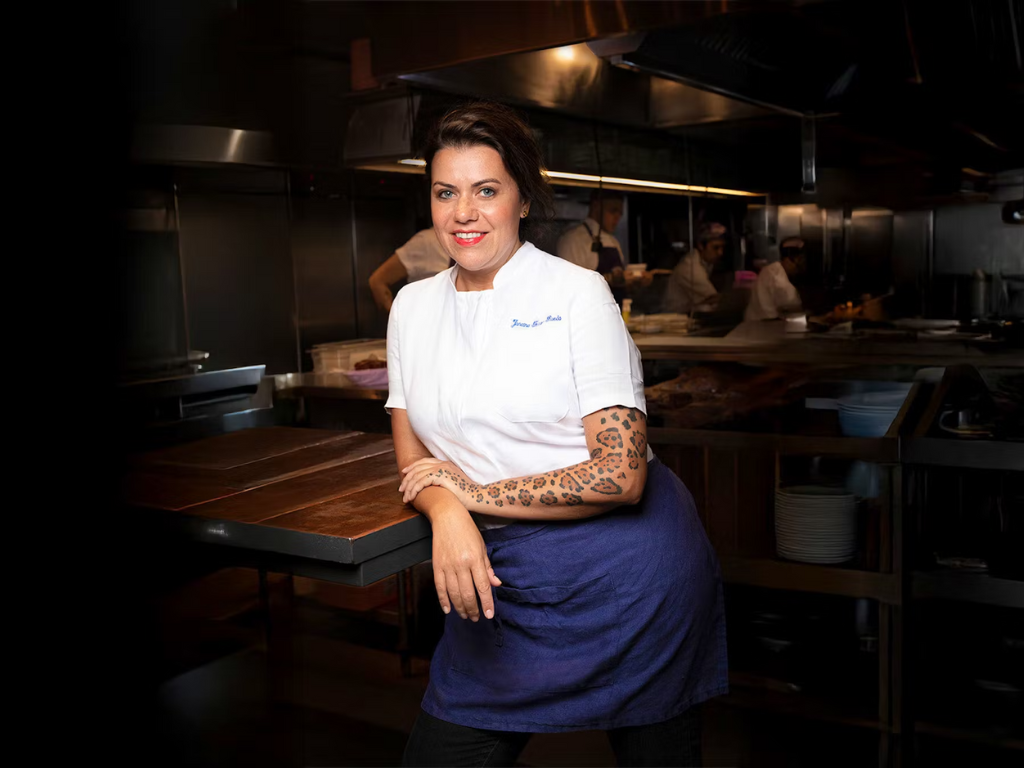
Cruise ships are no strangers to star power — but usually it comes in the form of Broadway-style productions or celebrity guest speakers. Celebrity Cruises is taking a different tack with the launch of its newest ship, Celebrity Xcel. The line has tapped Janaina Torres, named World’s Best Female Chef 2024 by The World’s 50 Best Restaurants, to serve as the ship’s godmother, a role steeped in maritime tradition and symbolism.

For those less familiar with the practice, a ship’s godmother is more than a ceremonial title. Historically, the godmother blesses and christens the vessel, embodying its spirit and values as it begins its journeys. In Torres, Celebrity Cruises has chosen a figure whose career is defined by hospitality, generosity, and cultural celebration — qualities that echo the brand’s own positioning at sea.

Torres is best known for her work at A Casa do Porco in São Paulo, a restaurant she co-founded with her husband, chef Jefferson Rueda. The restaurant, which pays homage to Brazilian pork cookery in inventive and democratic ways, has become a destination in its own right and is frequently ranked among the world’s best. What sets Torres apart isn’t only her culinary prowess but also her commitment to accessibility: fine dining that welcomes everyone, not just the privileged few. That philosophy resonates with Celebrity Cruises’ ambition to blend sophistication with inclusivity across its fleet.

The naming ceremony of Celebrity Xcel will, of course, involve the traditional champagne bottle-breaking moment, but the symbolism extends further. By aligning with one of the world’s most celebrated chefs, Celebrity underscores its focus on dining as a central part of the travel experience. It’s not just about feeding passengers — it’s about turning meals into defining memories of a voyage.

Food has always been a major differentiator in the cruise industry, but this announcement feels like a declaration of intent. With Torres as godmother, travelers can expect food and beverage programming that reflects her influence — whether through chef collaborations, menu inspiration, or culinary events at sea. While details remain under wraps, the partnership hints at a future where dining on board is as destination-worthy as the ports of call.

As Celebrity Xcel prepares to set sail, Torres’s presence ensures it will carry not just passengers, but also a culinary legacy rooted in warmth, creativity, and connection. It’s a reminder that on the open sea, food is more than sustenance — it’s the heartbeat of the journey.
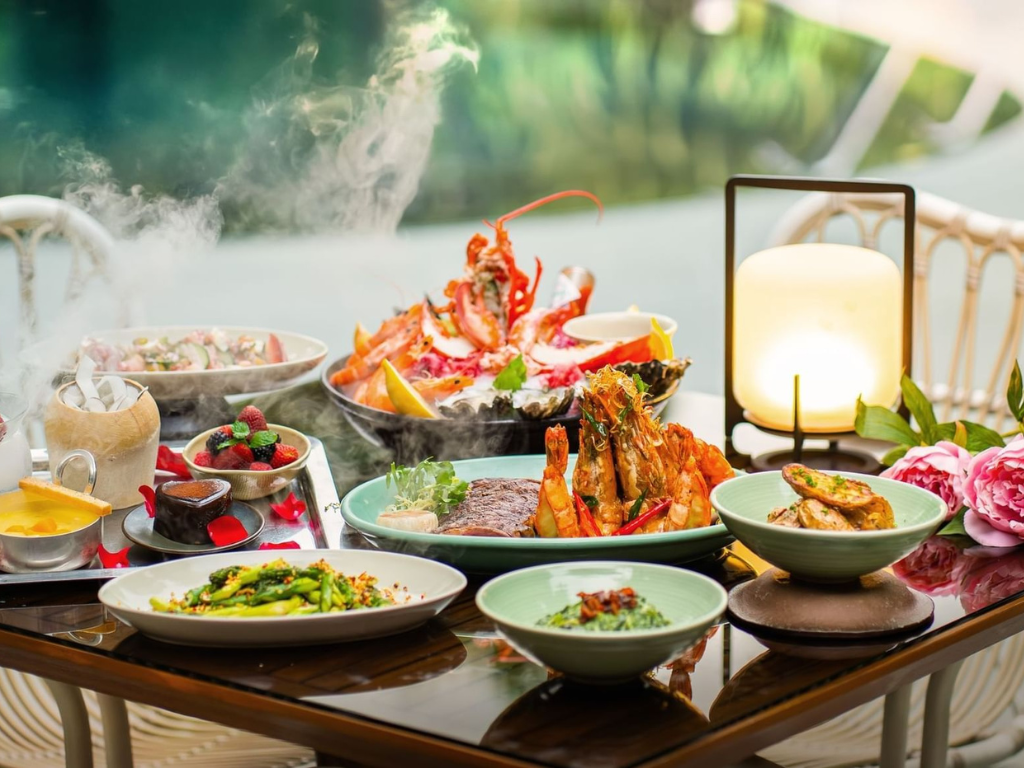
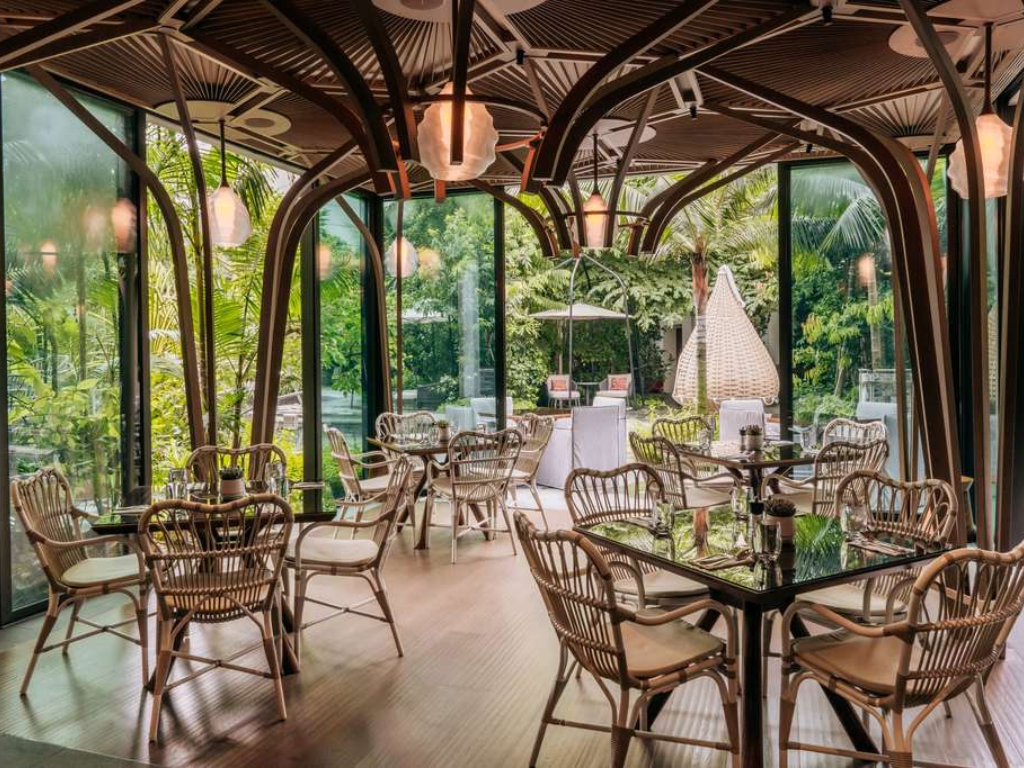
Grand Hyatt is Unveiling Bold New Culinary Experiences Across Asia Pacific

When people think of hotel dining, they often picture breakfast buffets or copy-paste menus. Grand Hyatt wants to change that. Across Asia Pacific, the brand has rolled out a series of initiatives that put food — innovative, sustainable, conversation-starting food — at the centre of the guest experience.

At the Grand Hyatt Singapore, the kitchen is leading the charge with menus designed not just by chefs but also by nutritionists. The result? Meals that are indulgent without being heavy, celebratory yet balanced. What diners won’t necessarily see is the hotel’s closed-loop aquaponics system working behind the scenes: kitchen scraps are transformed into compost that nourishes herbs and vegetables, while tilapia raised in the system find their way to the table. It’s sustainability and flavor working in tandem.

Grand Hyatt Singapore

In China, the brand recently staged one of its most ambitious collaborations yet: the “10-hands Black Pearl Signature Dishes Experience.” Ten chefs from across the Hyatt portfolio came together to design a single wedding banquet, turning what might have been a standard reception meal into a once-in-a-lifetime culinary spectacle. Guests weren’t just fed; they were treated to a narrative of regional Chinese cuisines woven into a celebratory feast.

Sustainability is becoming a defining thread in Hyatt’s approach to food. In Taipei, the Cha Lounge at Grand Hyatt became the first restaurant in Taiwan to earn a three-star rating from the Sustainable Restaurant Association. That accolade signals serious commitments: sourcing local and responsible ingredients, minimizing waste, and building transparency into operations. For a global brand, it’s a powerful example of how scale and sustainability can go hand in hand.

The message is clear: Grand Hyatt doesn’t want its food and beverage programs to be an afterthought. Weddings, conferences, and social gatherings are being reimagined as opportunities for culinary creativity — whether through hyper-local sourcing, blockbuster chef collaborations, or operational systems that quietly but effectively reshape the footprint of the kitchen.

Celebrate National Guacamole Day with This Celeb Chef Recipe

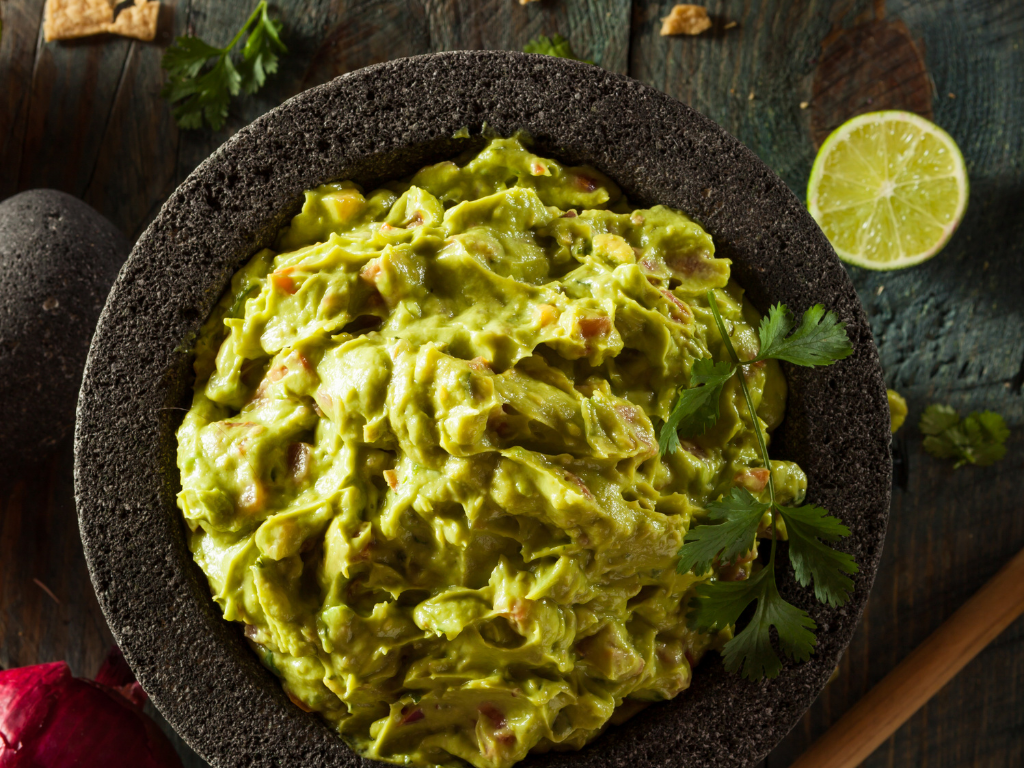
September 16 marks National Guacamole Day, and what better way to celebrate than with a recipe from one of America’s most recognizable chefs? Bobby Flay, who’s built a career blending bold flavours with approachable techniques, has been known to throw down on everything from burgers to tacos — but his guacamole has become a signature in its own right.

Guacamole is the rare dish that’s both timeless and endlessly customizable. In his TikTok demo, Flay builds his guacamole the way he builds most of his food — layering flavour. He mashes ripe Hass avocados just enough to stay chunky, then folds in finely diced red onion, minced serrano chiles, cilantro, fresh lime juice, and plenty of kosher salt. Whatever you do, he says, do not add tomatoes to your guac (yes, chef).

Try it at home:

  1. Mash three ripe avocados in a bowl until chunky.

  2. Stir in red onion, serrano chile, tomato, garlic, lime juice, cilantro, and salt to taste.

  3. Serve right away with tortilla chips — or let it rest a few minutes so the flavours meld.

The beauty of this recipe is that it’s adaptable. Add extra lime for brightness, or more spice, if you like it hot. However you mix it, guacamole is the ultimate party trick: fast, fresh, and a guaranteed crowd-pleaser.

rise of wine tourism

Wine Tourism is on the Rise: Where to Sip and Stay

According to a recent Future Market Insights report, wine tourism is no longer a niche pursuit but a booming travel trend that’s only getting stronger. More than just tastings, today’s vineyard visits are immersive cultural experiences blending terroir, gastronomy, design and hospitality. From boutique stays in French villages to cutting-edge wine museums, travellers are increasingly pairing their love of wine with their love of place.

Here are some of the destinations shaping the next chapter of wine travel:

SB Winemaker’s House & Spa Suites — Mendoza, Argentina

Created by pioneering Argentine winemaker Susana Balbo and her daughter Ana Lovaglio Balbo, this boutique estate offers seven design-forward spa suites where wellness meets wine. Each suite features private amenities such as steam rooms, aromatherapy showers, and vinotherapy-inspired soaking tubs. Guests can dine at La VidA, the Michelin-recommended restaurant pairing seasonal menus with Balbo’s celebrated wines, or enjoy curated tastings and vineyard visits across Mendoza.

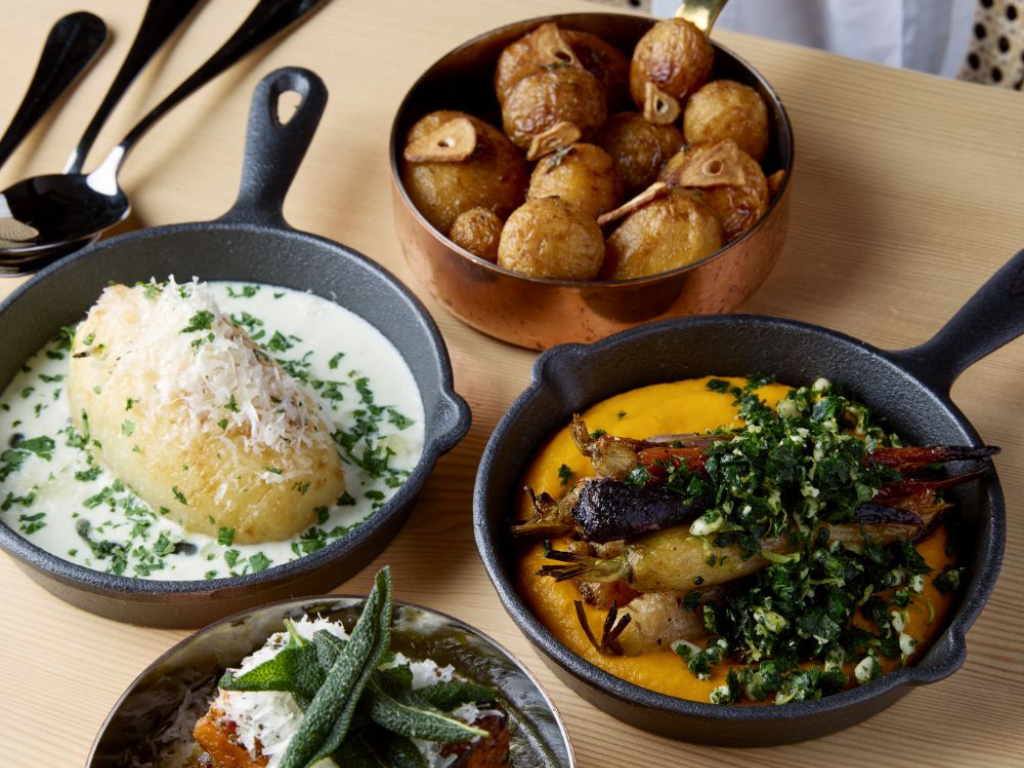
Food at Spier Wine Farm
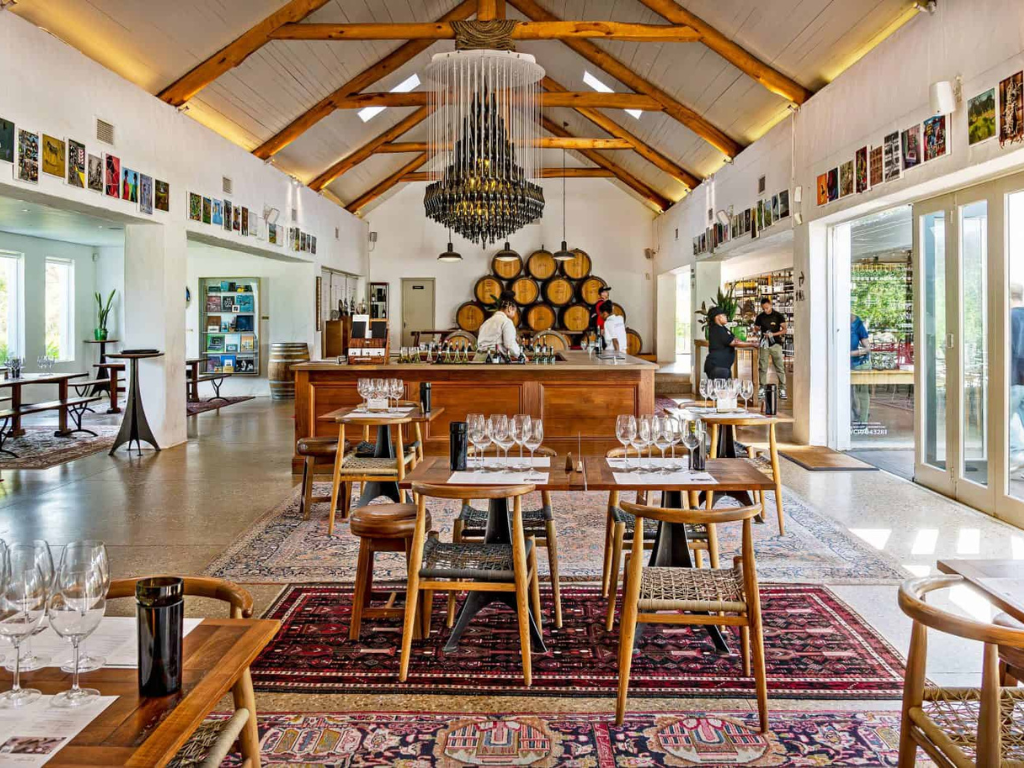
Spier Wine Farm's Tasting Room

Spier Wine Farm — Stellenbosch, South Africa

Established in 1692, Spier is one of South Africa’s oldest family-owned wineries. Its approach blends centuries of tradition with modern sustainable practices. Visitors can explore its working farm, regenerative agriculture projects and even join eco-friendly Segway tours through the vines. For those seeking slow travel, Spier offers picnics among gardens, organic dining, and a chance to taste wines cultivated with a deep respect for the land.

The MUSE Saint Tropez — French Riviera, France

In the sun-soaked south of France, MUSE Saint Tropez offers a luxurious base for wine enthusiasts. With 16 suites named after iconic muses, the boutique hotel arranges intimate tastings with local vintners and exclusive access to nearby estates such as Château des Marres. Guests can pair Provençal cuisine with coastal vintages, enjoy spa treatments inspired by grape-based therapies, and dine alfresco in quintessential Riviera style.

Quinta dos Vales — Algarve, Portugal

Set amid 44 hectares of rolling vineyards just a short drive from the coast, Quinta dos Vales is both a wine hotel and a working winery. Guests stay in villa-style accommodations, many with private pools and terraces overlooking the vines. Beyond tastings and cellar tours, the estate offers the immersive Winemaker Experience, where visitors can create and follow their own personalized blends with expert support. Seasonal events — from Fado, Yoga & Wine evenings to sunset cinema and gourmet food pairings — add a cultural flourish, ensuring every stay is as memorable as the wines themselves.

Segera Retreat Kenya
Segera Retreat

Segera Retreat — Laikipia, Kenya

Kenya may not be the first place that comes to mind for wine, but Segera Retreat proves otherwise. Surrounded by vast wilderness, the lodge has carved out one of East Africa’s most extensive private wine cellars, stocked with over 2,000 bottles. Visitors can pair game drives with candlelit tastings, blending safari adventure with sommelier-led explorations of global vintages.

Byblos Hotel — Florence, Italy

Inside the Byblos Art Hotel Villa Amistà, a 16th-century palazzo outside Verona, art meets oenology. The hotel offers curated experiences with Amarone producers, showcasing one of Italy’s most iconic wines. Guests can admire contemporary art installations, indulge in Michelin-starred dining, and join private vineyard excursions across Valpolicella.

Forsthofgut Nature Hotel — Leogang, Austria

In the Austrian Alps, Forsthofgut has unveiled weinWALD, a forest-inspired wine lounge woven into the hotel’s spa complex. Tastings spotlight local alpine vintages alongside international labels, complemented by wellness rituals like vinotherapy treatments. Surrounded by spruce trees and mountain air, the experience captures the marriage of sustainability, craft and Alpine serenity.

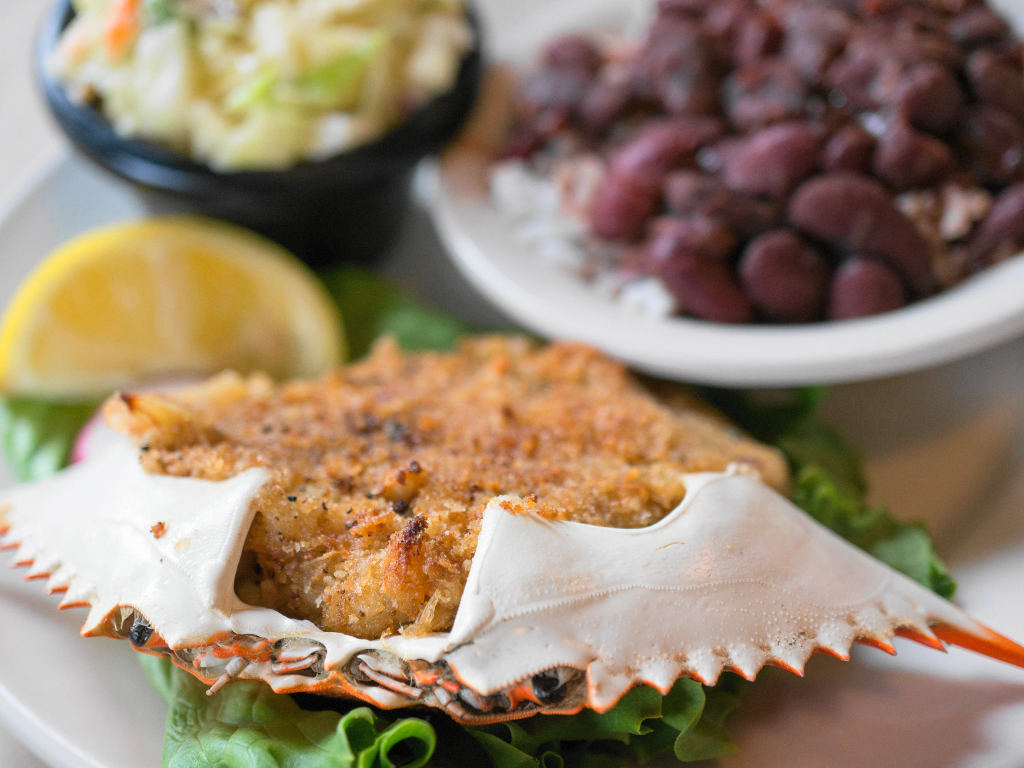
Martinique stuffed crab

Martinique Gourmande Festival: A Taste of the Island Across Quebec

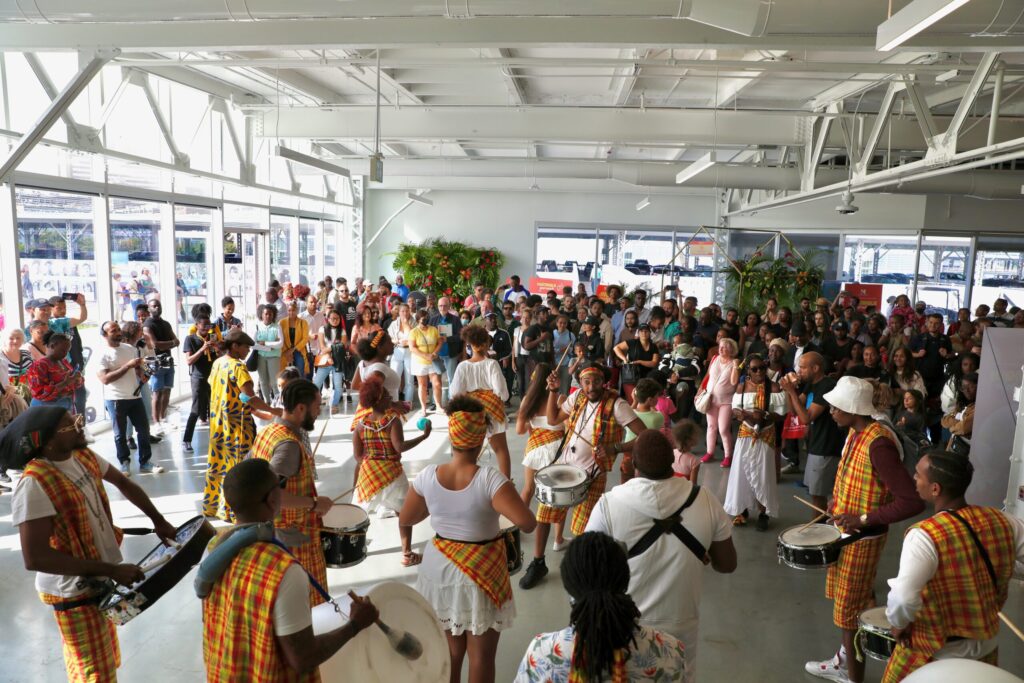
Every September, a little slice of Martinique arrives in Quebec, bringing with it the scents of Creole kitchens and the rhythms of Caribbean culture. The Martinique Gourmande Festival, now in its 18th year, runs from September 9 through 21, 2025, turning Montreal and Quebec City into stages for Martinique’s culinary heritage.

Known internationally as the Island of Flowers, Martinique is famed for its volcanic landscapes, pristine beaches, and storied food traditions. The festival offers a window into that world, spotlighting the island’s rich mix of African, French, and Caribbean influences. Visitors can taste their way through a program that blends gourmet dining, cultural experiences, and hands-on discovery.

This year, more than 50 participating restaurants across Quebec — including Montreal and Quebec City — will feature Martinique-inspired menus. Local chefs are working alongside Martinican culinary ambassadors to showcase dishes like accras de morue (salt-cod fritters), Creole boudin sausage, spiced seafood, and desserts fragrant with tropical fruit. Rhum agricole, one of Martinique’s proudest exports, takes centre stage in cocktail creations, while wine pairings explore the island’s terroir.

Beyond the dining rooms, the festival spills into public spaces. Street-food kiosks, cooking workshops, and market pop-ups invite Quebecers to taste Creole specialties in a convivial, open-air atmosphere. Cultural programming layers in music, storytelling, and artisanal crafts, turning the event into more than just a food fair — it’s a celebration of Martinique’s identity.

Visitors can also expect thematic evenings dedicated to rum pairings and fresh seafood, along with family-friendly activities that bring the island’s festive spirit to life.

“Martinique Gourmande is an invitation to travel,” the organizers note, “an opportunity to discover the flavours, aromas, and warmth of our island without leaving Quebec.” For 13 days, gourmands, culture seekers, and anyone curious about the Caribbean will find a reason to celebrate.

So whether you’re booking a table at a participating restaurant or simply wandering through one of the festival’s public events, consider this your passport to Martinique.

Ordering gluten-free while travelling abroad

The Best Cities for Gluten-Free Travellers

For years, travelling gluten-free meant living in a constant state of negotiation: scanning menus, grilling servers, and packing emergency snacks “just in case.” Thankfully, a handful of cities around the globe have turned that anxiety into freedom — embracing gluten-free dining not as an afterthought, but as a vital part of their culinary culture.

A new study by InsureandGo, which analysed nearly 200 destinations worldwide for their gluten-free friendliness, crowned Barcelona the global leader. With more than 1,000 gluten-free restaurants — 82% of them rated four stars or above — the Catalan capital is as safe as it is delicious for travellers avoiding wheat. Close behind are Sydney and Lisbon, both offering an impressive density of gluten-free menus across every style of dining, from brunch cafés to fine dining.

The top 25 also includes cities closer to home. Vancouver is Canada’s gluten-free champion, ranking 23rd globally thanks to its wide range of GF-friendly restaurants, bakeries, and breweries. Meanwhile, destinations like Rome and New York City, long praised anecdotally by travellers with celiac disease, are backed up by the numbers: both scored high for the sheer number and quality of gluten-free restaurants.

What unites these cities isn’t just their food, but their philosophy: dining gluten-free should be about abundance, not deprivation. Travellers in these destinations can leave behind the stress of cross-contamination and instead focus on discovery — of flavour, of community, of cultures that have chosen to make everyone feel welcome at the table.

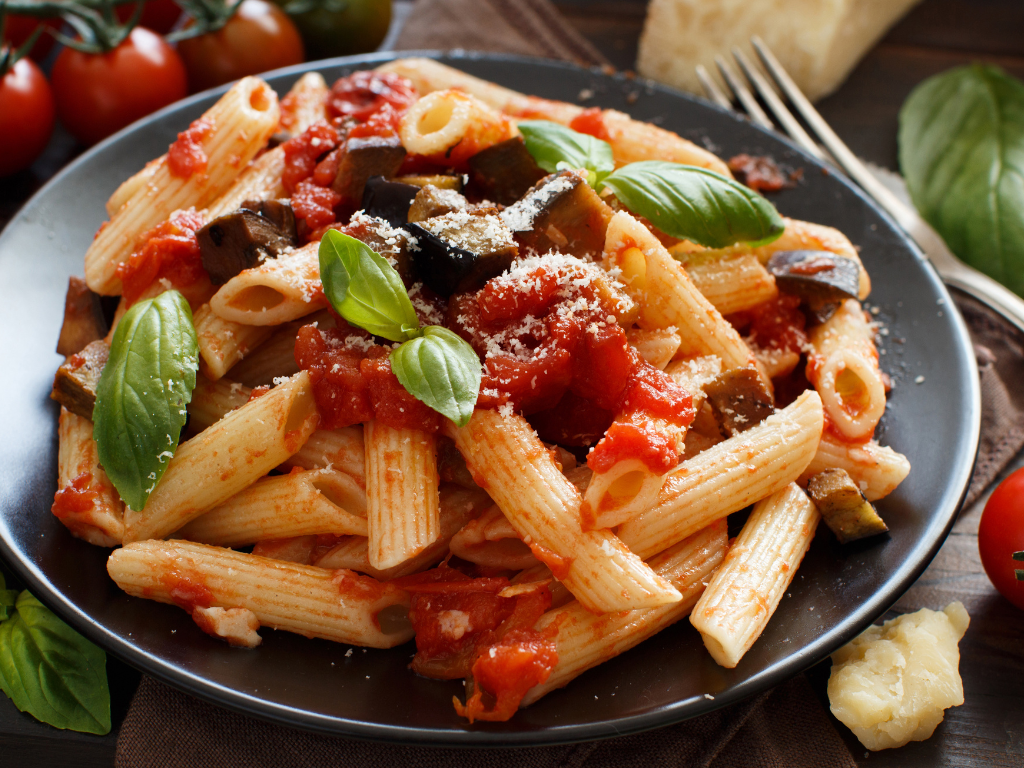
Pasta alla Norma

Celebrate your Last Vegetable Harvests with a Sicilian Classic: Pasta alla Norma

Late summer in Italy is a sensory feast. Markets overflow with tomatoes that practically glow from within, basil perfuming the air in bunches, and eggplants so glossy they look lacquered. In Montefollonico, where Tuscan Women Cook welcomes guests for immersive culinary adventures, these ingredients star in seasonal favourites like tomato bruschetta and panzanella salad. But when the eggplants ripen, the program takes its inspiration southward — to Sicily, home of the iconic Pasta alla Norma.

Named in honour of Vincenzo Bellini’s beloved opera Norma, the dish has long been considered a masterpiece of Sicilian cuisine: a perfect harmony of fried (or roasted) eggplant, bright tomato sauce, torn basil, and a snowfall of ricotta salata. “The secret to a memorable Pasta alla Norma is in the eggplant,” says Coleen Kirnan, owner of Tuscan Women Cook. “Frying transforms eggplant into something almost meaty, while roasting provides a lighter, equally delicious version.” Either way, it’s a dish that captures Sicily at its peak — humble ingredients, handled simply, creating something that tastes like the last few days of summer.

Recipe: Pasta alla Norma

Yield: 4 first-course servings
Recipe and photo reprinted with permission of Tuscan Women Cook.

Ingredients

  • Olive oil as needed, at least ½ cup

  • 2 medium eggplants (about 1½ pounds)

  • Salt and freshly ground black pepper

  • 1 tbsp chopped garlic

  • 2 lbs tomatoes, peeled, seeded, and coarsely chopped (or 2–3 cups tomato sauce)

  • 2 tbsp tomato paste

  • 1 dried hot chili pepper (optional)

  • Pinch dried oregano or 1 tsp fresh

  • ½ lb penne rigate or rigatoni

  • Several large basil leaves, torn into small pieces

  • Grated ricotta salata or pecorino romano

Preparation

  1. Preheat oven to 375°F. Line a baking sheet with foil and brush generously with olive oil.

  2. Remove stems from eggplants; cut into ½-inch slices. Brush slices with olive oil, season with salt and pepper, and roast for 20 minutes. Flip, brush again if dry, and continue roasting until browned and tender (about 40 minutes total).

  3. While eggplant roasts, heat 2 tbsp olive oil in a saucepan over medium heat. Soften garlic, then add tomatoes (or tomato sauce), tomato paste, chili pepper, and oregano. Simmer until reduced, about 15 minutes (10 if using sauce).

  4. Cook pasta in abundant salted water until al dente. Toss pasta with tomato sauce, a splash of cooking water, and basil. Adjust seasoning.

  5. Divide half the pasta into four bowls. Scatter with ricotta salata, tuck in eggplant slices, then repeat with remaining pasta, cheese, and eggplant.

Variation: Fry eggplant slices in ⅓–½ cup olive oil until golden on both sides; drain and keep warm. Prepare the sauce in the same pan.

Where Celebs Will Be Dining During TIFF 2025

When TIFF rolls into town (September 4–14), Toronto transforms into Hollywood North — not just on the red carpet, but at the dinner tables too. For ten glittering days, restaurants become backdrops for industry deals, stolen moments, and the occasional paparazzi flash. Here’s where the style icons and film legends are most likely to dine, toast, and perhaps be caught mid-laugh.

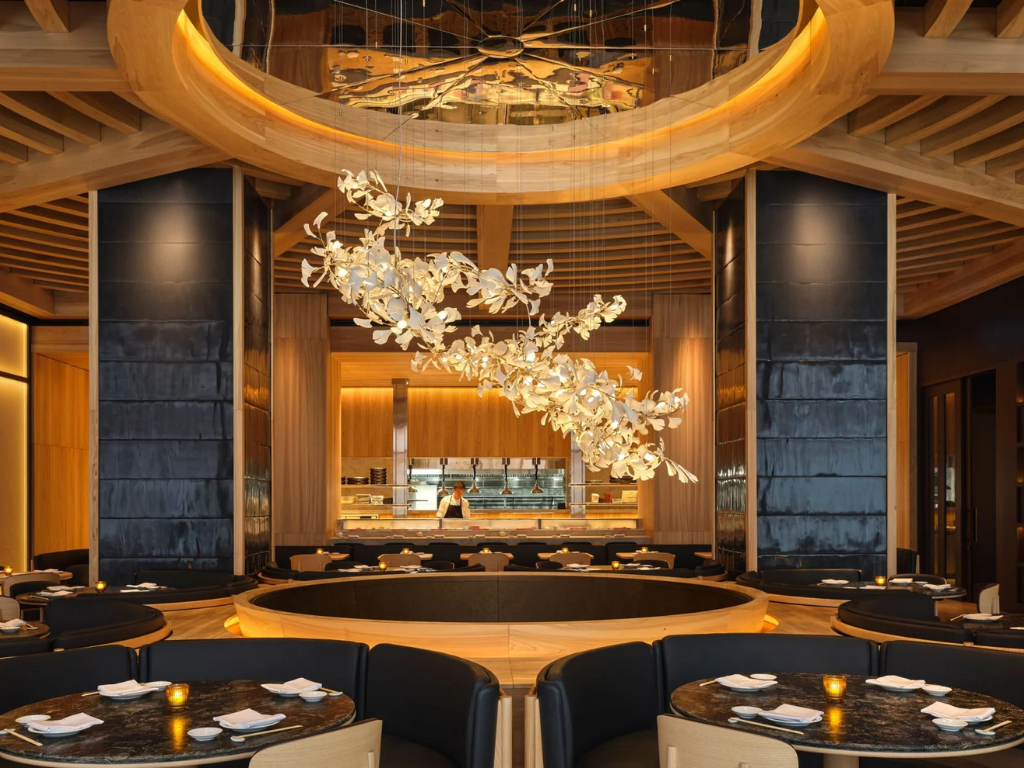
The buzz is loud at Nobu Toronto (pictured), the long-awaited Mercer Street outpost of the world-famous brand. Since opening, it has quickly become a celebrity staple. Drake and Pharrell Williams have already been spotted, and the lively bar is just as star-studded as the upstairs omakase. 

A few blocks away, Enigma Yorkville is a jewel box of the scene: tucked away on St. Thomas Street, it serves a refined seasonal tasting menu that blends Japanese precision with Nordic minimalism. It’s no wonder Toronto’s power set — and TIFF’s visiting stars — gravitate here when they want a little quiet luxury with their culinary artistry

Yorkville also shines at Adrak, where Michelin-level Indian cuisine and plush interiors have hosted everyone from the Jonas Brothers to Jessica Alba. It’s the kind of room where rich curries and glittering company go hand in hand.

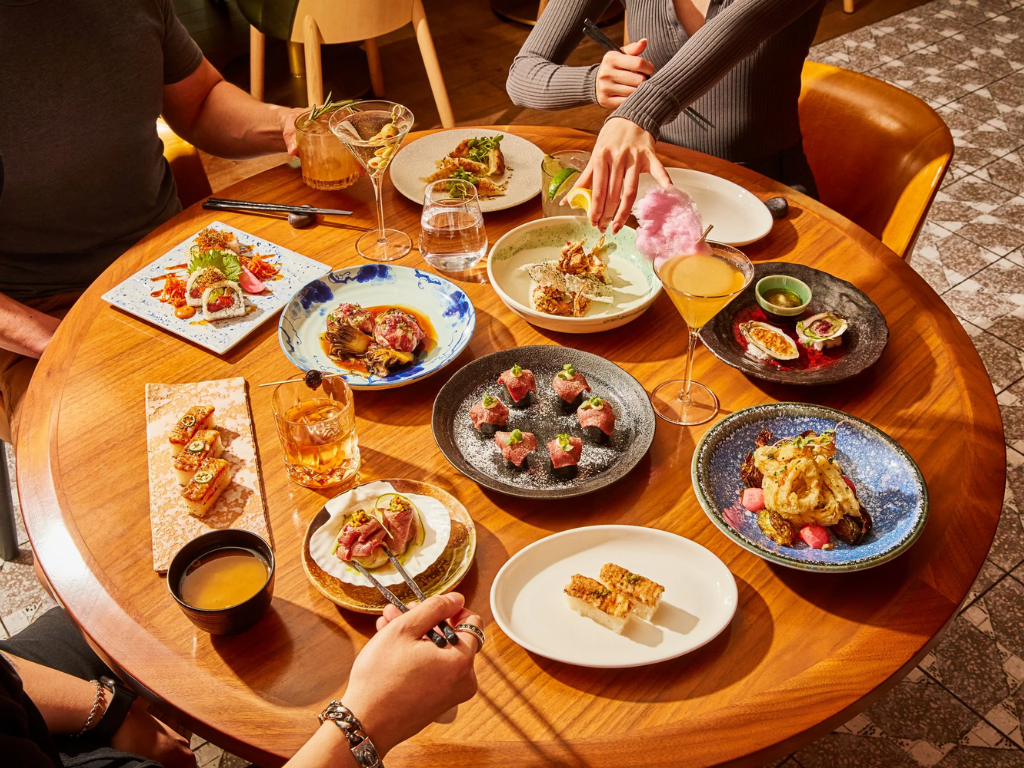
On King West, the energy shifts into high-octane glamour. Minami (above) delivers with its A5 wagyu and cocktail craft, while just down the street, the Ace Hotel’s Evangeline rooftop lures festival crowds with ’70s-inspired share plates and that golden-hour glow perfect for selfies.

Meanwhile, Ossington keeps its cool edge with Lunch Lady, the Vietnamese comfort-food spot that turns into an industry hangout during TIFF, thanks to its vibrant cocktails and come-as-you-are charm. And for late-night escapades, Vinny Restaurant & Vinyl Bar is pure retro glitz — shrimp toast, disco lighting, DJ sets — the kind of place where you might bump into Dakota Johnson on the dance floor or Jude Law leaning against the bar.

This year, two new contenders are jostling for the after-hours crown. Bar Clams, Matty Matheson’s rollicking seafood diner, and Tha Phae Tavern, a riot of karaoke and claw machines, bring the kind of chaotic fun that even celebs can’t resist. They’re buzzy, unpolished, and all the more irresistible for it.

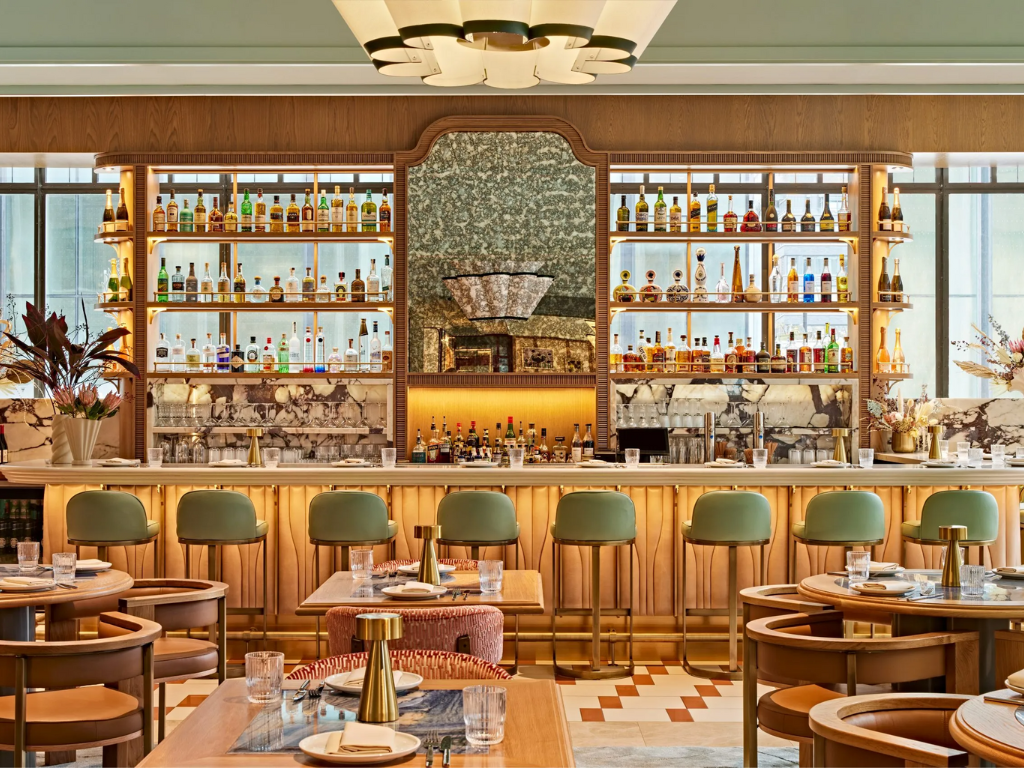
And finally, Abrielle (pictured) has emerged as another chic contender. With Mediterranean-inspired plates and a stylish room that straddles polished dining and easygoing warmth, it’s poised to host plenty of quiet tête-à-têtes between screenings.

TIFF is celebrating its 50th edition this year, and Toronto’s dining rooms are ready for their own close-ups. Whether you’re chasing star sightings or simply soaking in the atmosphere, these restaurants prove that the real festival often happens long after the credits roll.

The Future of Lettuce Is Here — and It’s Grown in Ontario

There’s a new kind of lettuce on Ontario shelves — and it might just change the way you shop. Haven Greens, grown in Canada’s first fully automated, AI-powered greenhouse in King City, delivers crisp, flavourful leafy greens that last up to five weeks in the fridge.

By producing lettuce locally, Haven Greens reduces Canada’s reliance on U.S. imports (90% of our leafy greens currently come from California), while giving shoppers greens that are pesticide-free, touchless, and ready to eat right out of the package. Less food waste, fewer supply chain headaches, and fresher salads — it’s a win for both sustainability and taste.

To showcase just how good local greens can be, Haven Greens created this summer-ready recipe:

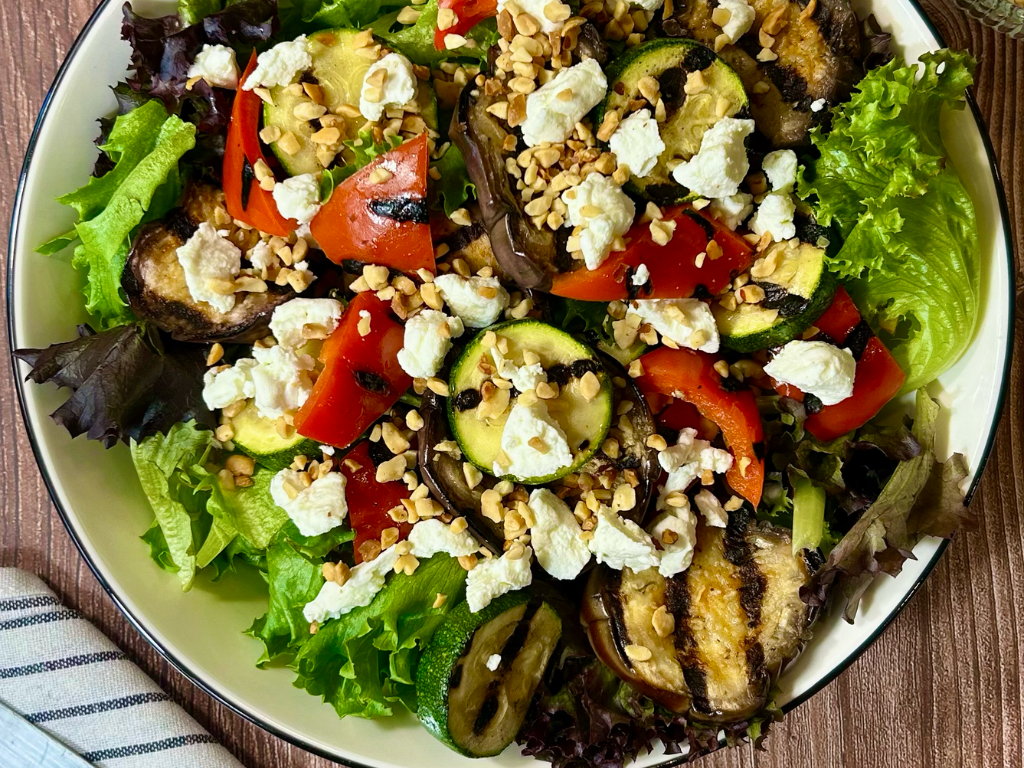
Haven Greens Grilled Veggie & Goat Cheese Salad

Ingredients

  • 1 zucchini, sliced

  • 1 baby eggplant, sliced

  • 1 red bell pepper, roughly chopped

  • 1 ½ tsp salt

  • ¼ cup vegetable oil

  • Haven Greens Baby Red + Green Leaf mix

  • ⅓ cup goat cheese, crumbled

  • ¼ cup crushed peanuts

Dressing

  • 3 tbsp extra virgin olive oil

  • 1 tbsp balsamic vinegar

  • 1 tsp honey

  • 1 tsp Dijon mustard

  • Pinch of sea salt

Instructions

  1. Toss zucchini, eggplant, and bell pepper with oil and salt. Grill 3–4 minutes per side until lightly charred.

  2. Whisk together the dressing.

  3. Layer grilled veggies over a bed of Haven Greens. Top with goat cheese and peanuts, drizzle with dressing, and enjoy.

Find Haven Greens Baby Green Leaf, Baby Red + Green Leaf, and Baby Spring Mix now at Metro, Sobeys, and Foodland stores across Ontario. Fresher, longer-lasting greens — grown close to home.

Here’s How to Make Ina Garten’s Connecticut-Style Lobster Rolls

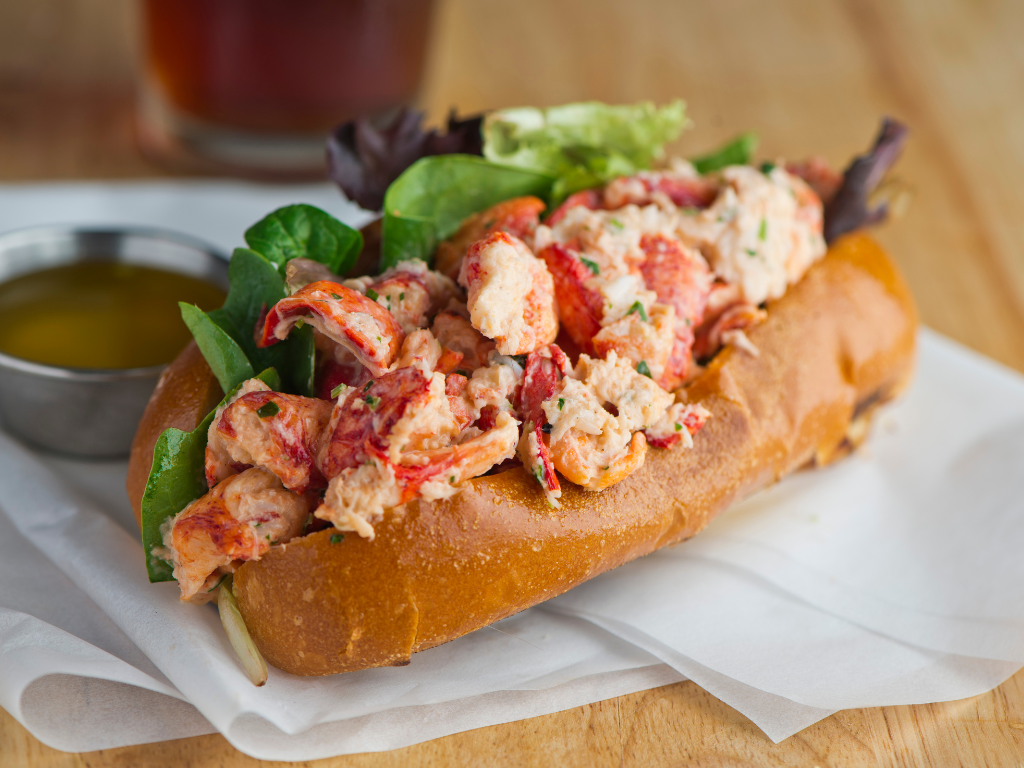
For most of New England, the lobster roll is a summertime staple: cold lobster salad dressed in mayo, tucked into a buttered bun. But for Ina Garten, the celebrated Barefoot Contessa and beloved cookbook author, there’s only one way to do it — Connecticut-style.

“When I first discovered a Connecticut lobster roll, there was no going back,” Garten confessed recently, sharing her go-to recipe on Instagram. The hot version swaps mayonnaise for melted butter and serves the lobster meat warm, creating what Garten calls “a roll worthy of a celebration.”

The method is as straightforward as it is decadent: She melts butter in a pan, tosses in chunks of cooked lobster with celery, salt, and pepper, and lets it gently heat through. A squeeze of lemon and a sprinkle of dill brighten the mix before it’s spooned into toasted buns, then finished with more dill and lemon for a summery kick. The result? A roll that’s luscious, lemony, and deeply satisfying.

Unlike its chilled cousin, the Connecticut-style lobster roll traces back to the 1920s, when it was first served at Perry’s in Milford, Connecticut. Today, it remains a regional favorite — and Garten’s version proves just how simple it can be to recreate at home.

Her recipe appears in Cook Like a Pro: Recipes & Tips for Home Cooks, one of the many cookbooks that have made Garten a trusted voice for home cooks who want elegance without intimidation. And as she notes, these rolls aren’t just for the Fourth of July. They’re a fast track to bringing coastal New England flavor to any summer table.

Whether you’re perched seaside or simply dreaming of the shore, Garten’s lobster rolls deliver all the charm of a beach shack classic — with a Barefoot Contessa upgrade.