Author: Renee Morrison

Condé Nast Traveller Has Named the Best Food Destinations in the World

From Bangkok’s street markets to Rome’s trattorias, these culinary capitals are worth travelling for.

The 2025 Readers’ Choice Awards from Condé Nast Traveller have revealed the world’s most delicious destinations — ranked by thousands of travellers who know their way around a plate. If you’re looking for your next food-focused destination, take notes.

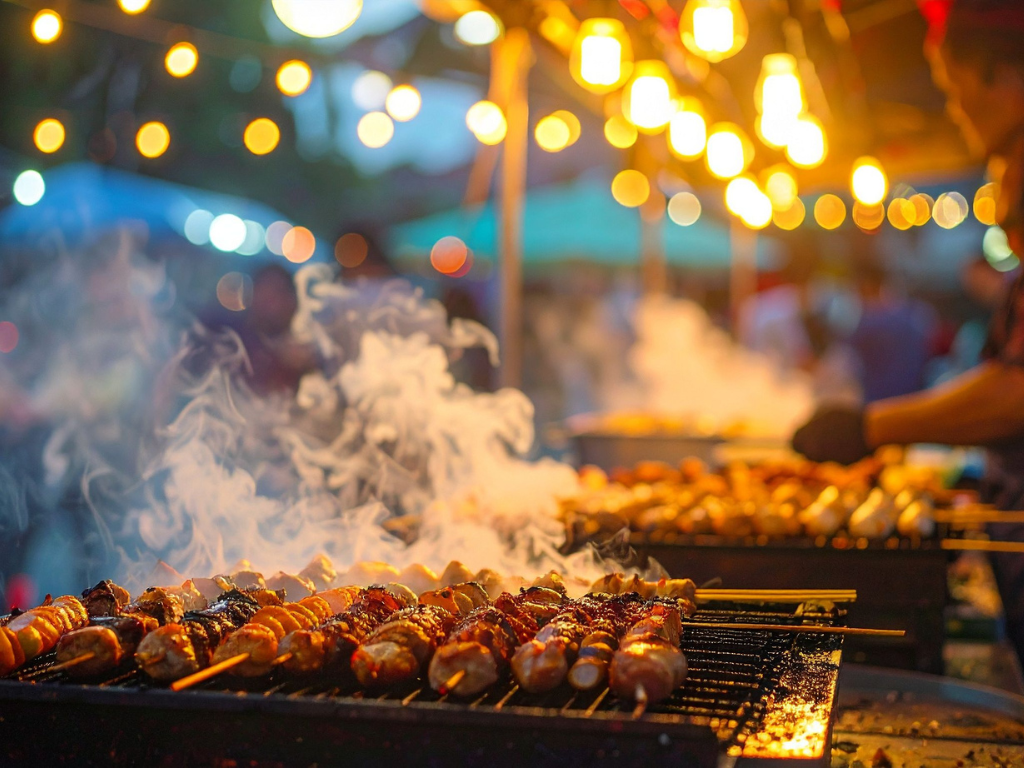
At the very top? Thailand, with a score of 98.33%. Spicy-sweet, beautifully balanced, endlessly inventive — from Bangkok’s night markets to the north’s regional specialities, Thailand delivers on every taste front.

Vietnam
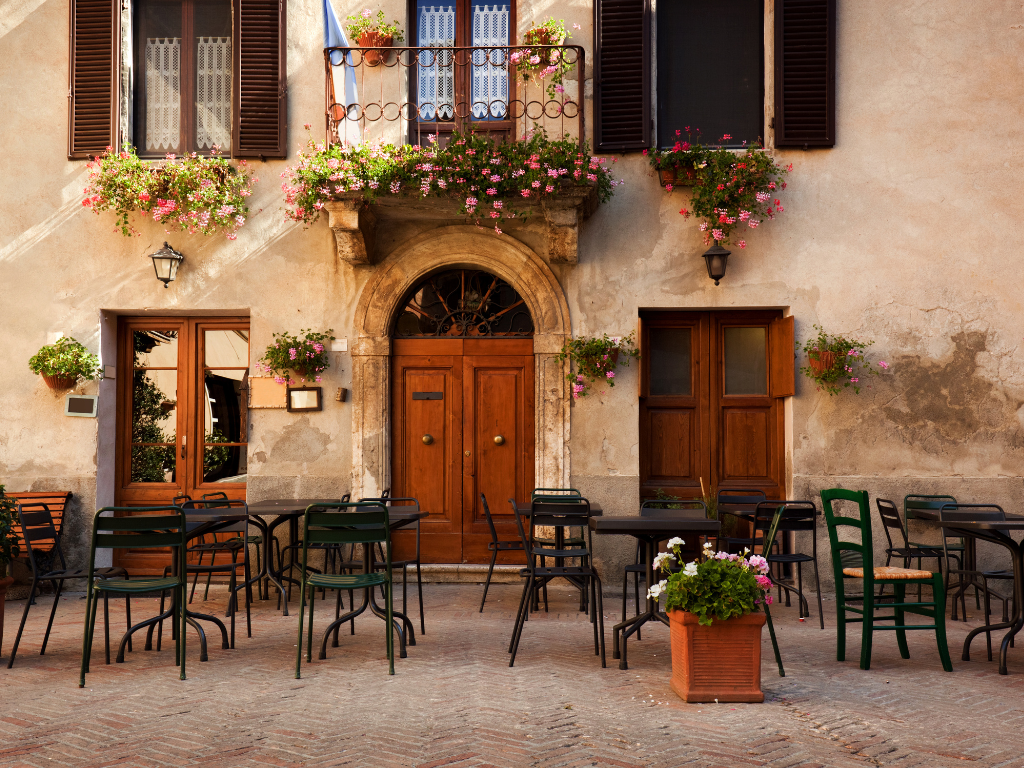
Italy

Close behind: Italy (96.92%) and Japan (96.77%), both long-time favourites but each still redefining what a “food destination” can mean.

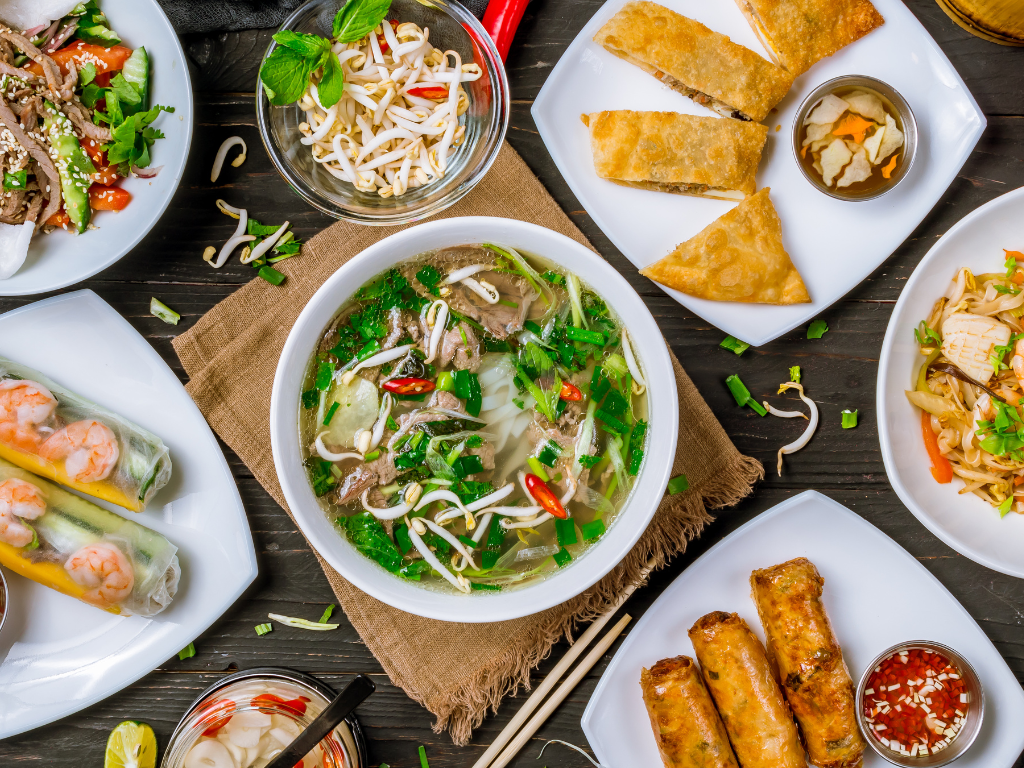
Further down the list, you’ll find places like Vietnam (96.67%) and Spain (95.91%), where fresh ingredients, street-food culture and serious chefs create distinctive culinary identities.

Whether you’re craving noodle bowls under neon lights or rustic farmhouse fare in Italy’s countryside, these countries prove that food is as much destination as scenery.

See the full “Best Countries for Food in the World 2025” list.

Japan’s Most Polarizing Superfood

By Matthew Owens

With its sticky texture and bold aroma, nattō can be an acquired taste—but for millions in Japan, it’s a superfood tied to health, culture and home.

Nattō (pronounced nah-tow) may be an unusual-looking word—and if you’ve never heard of it, you’re not alone. Unlike its more illustrious culinary cousins (think tempura, ramen and sushi), nattō hasn’t yet crossed the Pacific into the everyday lexicon of Japanese food abroad.

Its obscurity stems from its most infamous properties: a pungent odour and slimy, mucous-like texture. But don’t let that put you off. Beneath the shock factor lies a complex, fermented powerhouse of flavour that many believe could become the next “it” superfood.

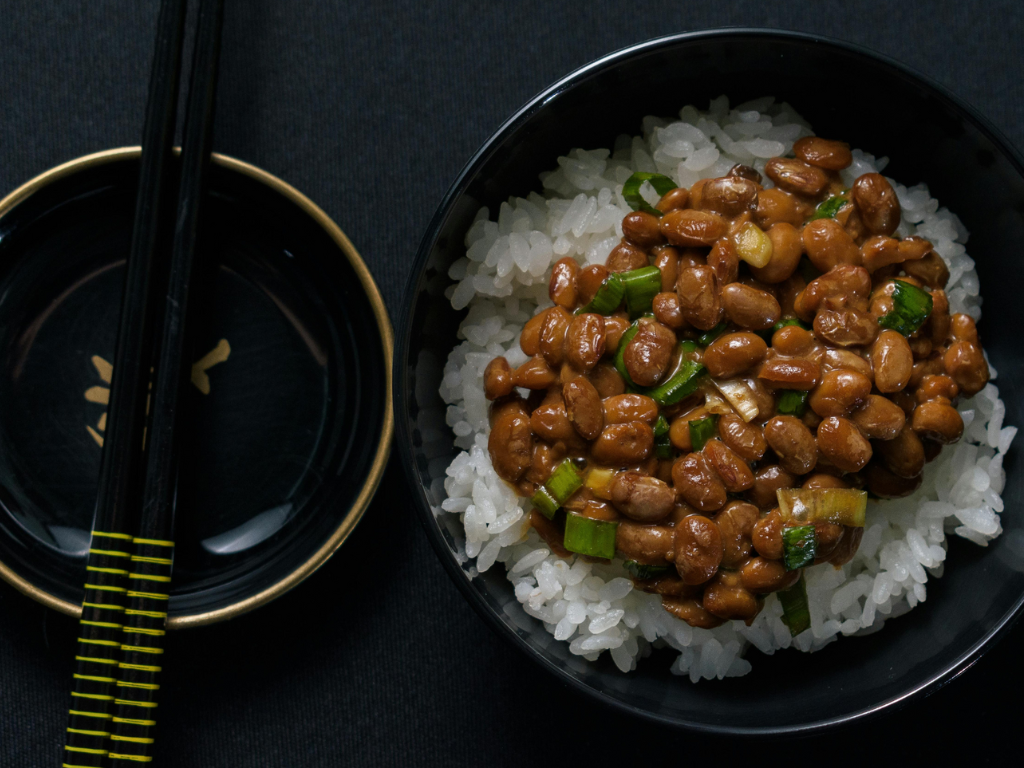
So, what exactly is nattō? Traditionally, soybeans are boiled, wrapped in straw and left to ferment with naturally occurring bacteria. Within days, the beans appear largely unchanged, but a pale, mould-like film clings to them. Stirred with chopsticks, this film stretches into sticky threads that bind the beans together, creating nattō’s signature stringy texture. The process also releases a distinctly earthy, blue cheese–like aroma.

For many, that first impression is where it ends. Yet, much like strong cheeses or kimchi, nattō’s taste belies its appearance. The flavour is subtle yet rich, with an earthy tang and an intensely savoury aftertaste—especially when mixed with the traditional condiments of sweet soy sauce and mustard.

Beloved in Japan, nattō is prized as a high-protein food (over 15 per cent) packed with gut-friendly bacteria and vitamins. It’s also remarkably affordable: a 45-gram tub can cost as little as 30 cents and is available fresh across the country. “If I only eat rice at breakfast, I won’t feel full. I think it’s because of how much protein there is,” says Yuka Megumi, a 29-year-old nursery school teacher. “I eat it every day, and if I don’t have it for breakfast, I’ll have it as a side with dinner.” She adds that variety is part of the appeal: “We always have three kinds in the fridge—chopped for my dad, soft for me and standard for my sister. There’s something for everyone.”

Hidariuma Tokyo (photo by Matthew Owens)

While mass-produced nattō remains the norm, some chefs are elevating it to new heights. At Hidariuma, a five-seat bar in Tokyo, owner Shōjirō Murakami serves a nattō-themed set menu in a rustic space decorated with homemade straw ornaments. Fascinated by fermentation, Murakami took a course on natural straw-fermented nattō and now produces his own on site, teaching the process to others along the way.

“I’m one of only a few restaurants that still use organic rice straw for my nattō,” he explains with pride. “If it’s touching something people will eat, I don’t want any chemicals.” His creations include whipping nattō into a paste for a hummus-like dip served with roast potatoes, stirring it into a thick sauce for mackerel and even blending it into a surprisingly refreshing smoothie.

“If I wanted to make a lot of money, I’d go back to polka,” Murakami jokes, flashing a toothy grin. But for him, the joy is in innovation, not profit.

For devotees, nattō is more than a curiosity. It’s a nutritional staple, rich in culture and character. And while its bold flavour and texture may challenge the uninitiated, it remains one of Japan’s most enduring—and intriguing—superfoods.

Star Chefs Set Sail on Oceania’s Allura

Six Food & Wine Best New Chefs christen Oceania’s newest ship, bringing serious culinary prestige to the high seas.

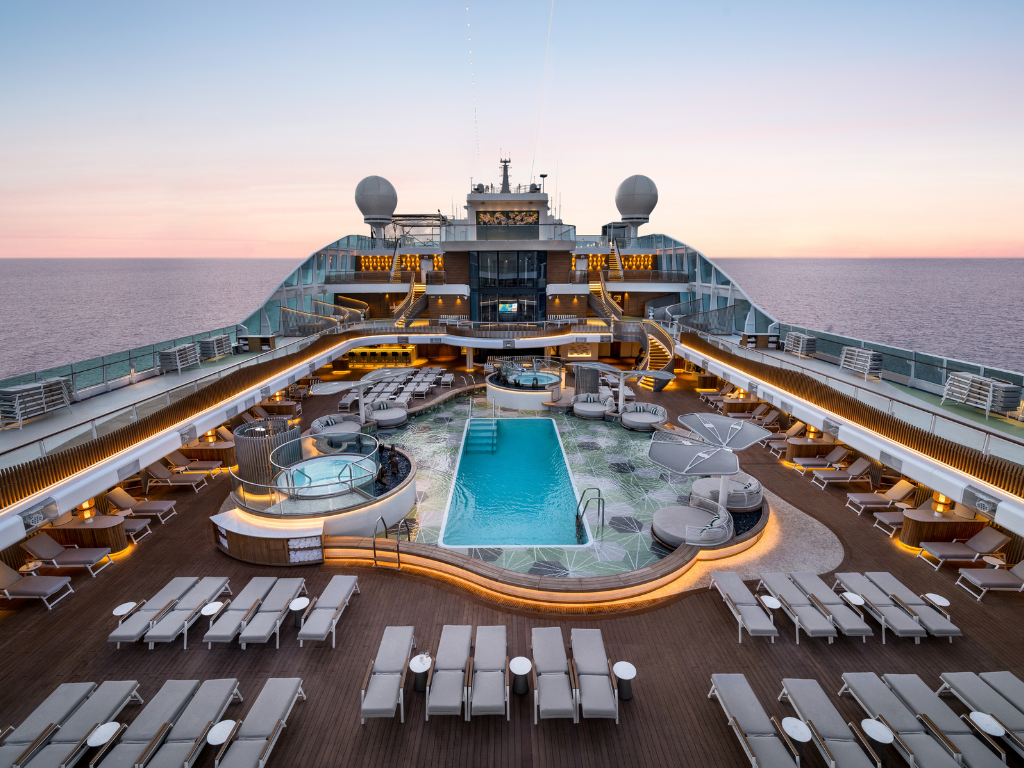
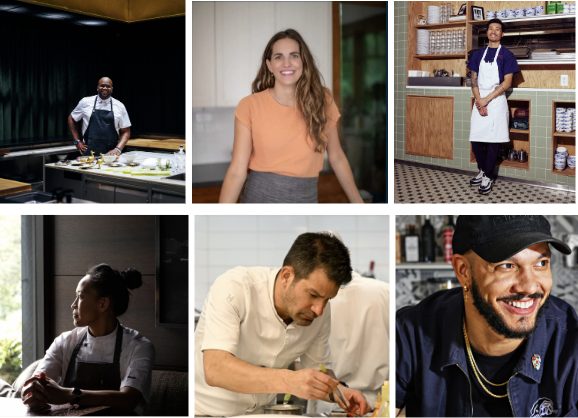
When Oceania Cruises says it’s a food-forward cruise line, they mean it. The brand’s newest ship, Oceania Allura, is setting sail in July 2025 — and will be officially christened this November in Miami by none other than six acclaimed Food & Wine Best New Chefs alumni: Tavel Bristol-Joseph, Katie Button, Calvin Eng, Aisha Ibrahim, George Mendes, and Lawrence “LT” Smith.

Each of these chefs brings a distinctive perspective to the table — from Austin’s Caribbean-inflected sweets to Lisbon’s refined seafood traditions — representing the global, exploratory spirit that defines Oceania’s culinary identity. It’s the first time Food & Wine’s celebrated “Best New Chefs” title has ever been tied to a cruise ship, underscoring how far Oceania has gone to elevate dining at sea.

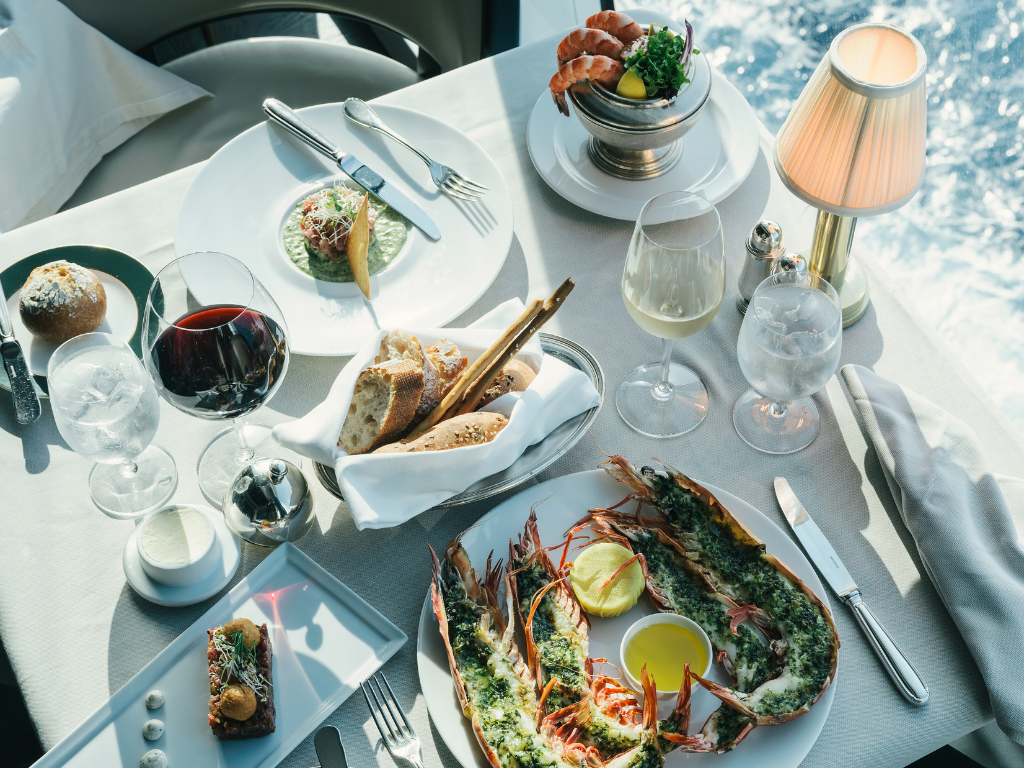
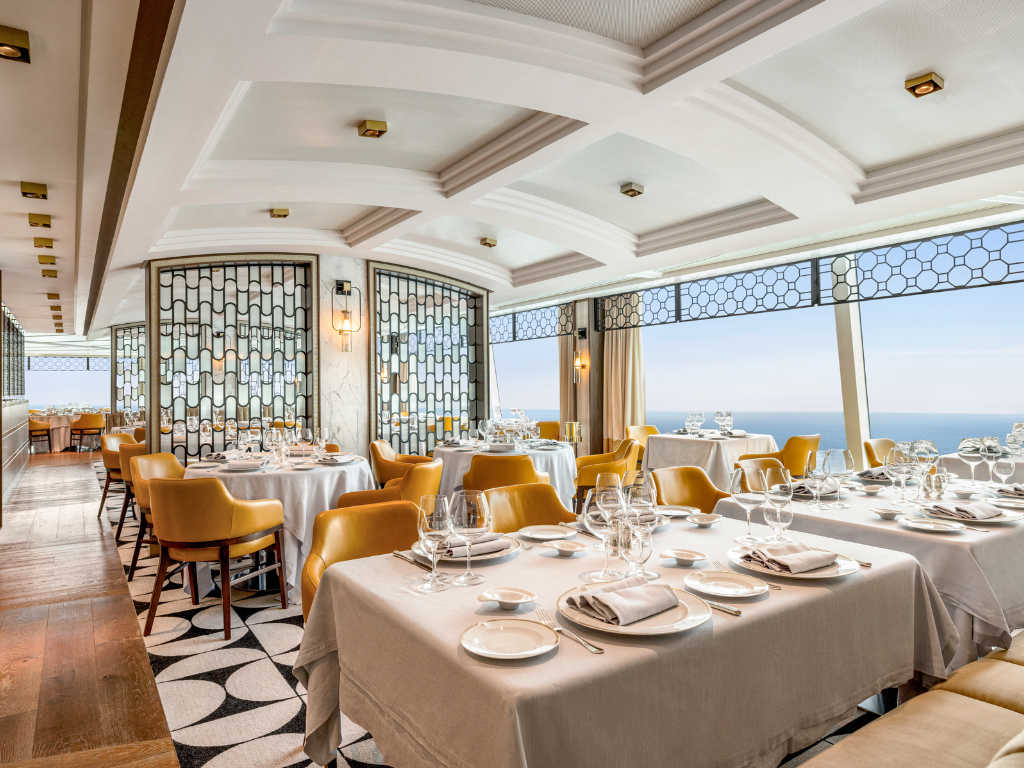
According to Oceania Cruises President Jason Montague, Allura embodies the brand’s “commitment to culinary excellence, creativity, and discovery.” That dedication shines through across the ship’s 11 restaurants and bars, including a return of the signature French venue Jacques (named after Jacques Pépin), as well as new Mediterranean and Pan-Asian concepts, immersive Chef’s Studio experiences, and hands-on cooking classes at the onboard Culinary Centre.

For food-minded travellers, Allura promises more than just great meals — it’s a floating celebration of flavour, artistry, and innovation. In true Oceania style, guests can expect a voyage where the journey tastes just as good as the destination.

“Comfort Is the New Luxury”: Marriott Forecasts Asia-Pacific’s Next Food Trends

Forget white tablecloths — Asia-Pacific’s hotel kitchens are trading formality for feel-good flavours.

Marriott International has just released its Future of Food 2026 report for the Asia-Pacific region, and the takeaway is clear: travellers want dining that feels good as much as it tastes good. Drawing insights from chefs, mixologists, and food-and-beverage directors across more than 270 hotels in 20 markets, the report charts a shift toward warmth, familiarity, and storytelling.

Gone are the days when fine dining meant hushed tones and starched linens. Today, “comfort is the new luxury,” says the report, as hotels across Asia-Pacific reimagine indulgence through approachable yet elevated experiences. Think truffle-infused noodles instead of foie gras, or caviar-topped fried chicken in place of a ten-course tasting menu. Diners crave dishes that surprise without intimidating — a sign that culinary confidence now comes from authenticity, not extravagance.

Another headline trend: immersion. Nearly half of Marriott’s F&B teams say guests are seeking interactive dining moments — the kind where you meet the chef, watch something sizzle tableside, or take part in the plating yourself. The report also highlights a strong pull toward local and indigenous ingredients, with 85% of hotel restaurants incorporating them as a defining element of their menus rather than a token garnish.

Technology is also quietly joining the kitchen brigade. AI-driven menu design and real-time guest feedback are helping chefs fine-tune dishes while keeping the personal touch front and centre. And geographically, expect to see Indonesia, Vietnam, and the Philippines emerge as the next culinary powerhouses, where a new generation of chefs is blending deep tradition with bold creativity.

The message? Asia-Pacific’s hotel dining scene is having a renaissance — one rooted in comfort, connection, and a sense of place. Because in 2026, the most memorable meals won’t just be the fanciest. They’ll be the ones that make you feel at home, wherever you are.

MICHELIN Unveils Its Key Standard for Hospitality

The latest distinction celebrates hotels that pair culinary soul with inspired design and sense of place.

For over a century, the MICHELIN Guide has defined the pinnacle of dining — those coveted stars signalling where to find the most extraordinary meals on earth. Now, the brand synonymous with culinary excellence is turning its discerning eye toward hospitality with the introduction of the MICHELIN Keys, a new global standard for hotels that deliver not just comfort, but character.

This year’s rollout recognizes 2,457 hotels across more than 120 countries, each evaluated with the same meticulous approach that made the guide a byword for quality. The aim is simple yet ambitious: to help travellers navigate an increasingly crowded world of boutique hotels, eco-lodges, and design-driven stays — and to spotlight the properties that transform a night away into an experience worth crossing the world for.

Much like MICHELIN’s restaurant stars, the new system awards One, Two, or Three Keys, reflecting a property’s mastery of atmosphere, design, and service. A single Key signals a hotel with distinctive personality or flair; Two Keys mark a destination where every detail works in harmony; Three Keys are reserved for the rare few that feel transcendent — where everything from the linens to the lighting tells a story. (Vancouver Island’s Clayoquot Wilderness Lodge, pictured above, is among them.)

Wakax Hacienda
Warren Street Hotel

In North and Central America, fifty hotels earned upgrades this year, including Wakax Hacienda – Cenote & Boutique Hotel in Tulum and New York’s Warren Street Hotel, both elevated from One to Two Keys. Across Asia, Europe, and Oceania, new designations highlight a diverse mix of modern icons and quietly luxurious retreats — proof that excellence takes many forms, from mountain lodges to urban hideaways.

The message is clear: hospitality now stands shoulder to shoulder with gastronomy in the MICHELIN universe. For travellers, the Keys offer something increasingly rare — a trusted benchmark in an era of endless choice. For hotels, they’re an invitation to join a new generation of luxury defined not by opulence, but by authenticity, artistry, and heart.

Appellation Healdsburg: A New Kind of Wine Country Stay

In Sonoma’s newest stay, the tasting menu never ends — from house-milled pasta at Folia to honey cocktails under the stars.

If you’ve been considering a fall visit to Sonoma, here’s your sign to book your flight. Appellation Healdsburg, the newly-opened hotel from chef Charlie Palmer and hospitality veteran Christopher Hunsberger, has officially opened its doors, inviting guests to experience wine country through a culinary lens.

Spread across eight and a half acres on the edge of downtown Healdsburg, the property unfolds like a modern-day village: gardens, outdoor lounges, and winding paths connecting a mix of suites, studios, and communal spaces. It’s the kind of setting that feels as if it’s been quietly growing here for years — natural, welcoming, and unmistakably rooted in Sonoma’s agricultural rhythm.

But make no mistake: this is a chef’s hotel. Every detail, from the scent of firewood drifting from the open kitchen to the house-milled flour for handmade pasta, is a nod to food as both craft and connection. The hotel’s signature restaurant, Folia Bar & Kitchen, is led by Reed Palmer (Charlie’s son), whose menu leans into elemental cooking — think smoked duck breast, ember-grilled rockfish, and wood-fired vegetables that taste like they’ve been kissed by the surrounding hills.

Upstairs, Andy’s Beeline Rooftop offers a lighter, livelier take on the region’s flavours, pairing vineyard views with inventive small plates and cocktails infused with honey, herbs, and local citrus. It’s as much a social space as it is a dining one — a place where the sun lingers, the glasses clink, and the line between bar and terrace blurs beautifully.

Beyond the restaurants, food weaves through every part of the guest experience. Welcome bites replace front-desk formality. Culinary workshops and garden tastings invite guests into the creative process. Even the on-site spa embraces the region’s bounty, with treatments inspired by botanicals and wine-country harvests.

In a landscape already rich with luxury retreats, Appellation Healdsburg stands out for its sense of purpose. It’s a property built not around opulence, but around a love of flavour — proof that in Sonoma, the true essence of hospitality still begins at the table.
Four Top-Rated Recipes for That Leftover Turkey

These four recipes turn leftover Thanksgiving turkey into delicious new meals.

Turkey Tetrazzini — Spend With Pennies

This creamy, cheesy pasta bake by Holly Nilsson has earned cult status among Thanksgiving survivors. Tender turkey, mushrooms, and spaghetti are folded into a rich homemade sauce (no canned soup shortcuts) and baked until golden and bubbling. It’s comfort food at its finest — and with hundreds of rave reviews, it’s a guaranteed crowd-pleaser.

Leftover Turkey Panini — Ree Drummond 

Leave it to the Pioneer Woman to make leftovers feel indulgent. Ree’s hot-pressed turkey panini layers slices of roasted turkey with cheese and cranberry sauce, creating a crisp, gooey sandwich that feels like a post-holiday reward. Watching her make it might be half the fun.

Thanksgiving Quesadilla — AllRecipes

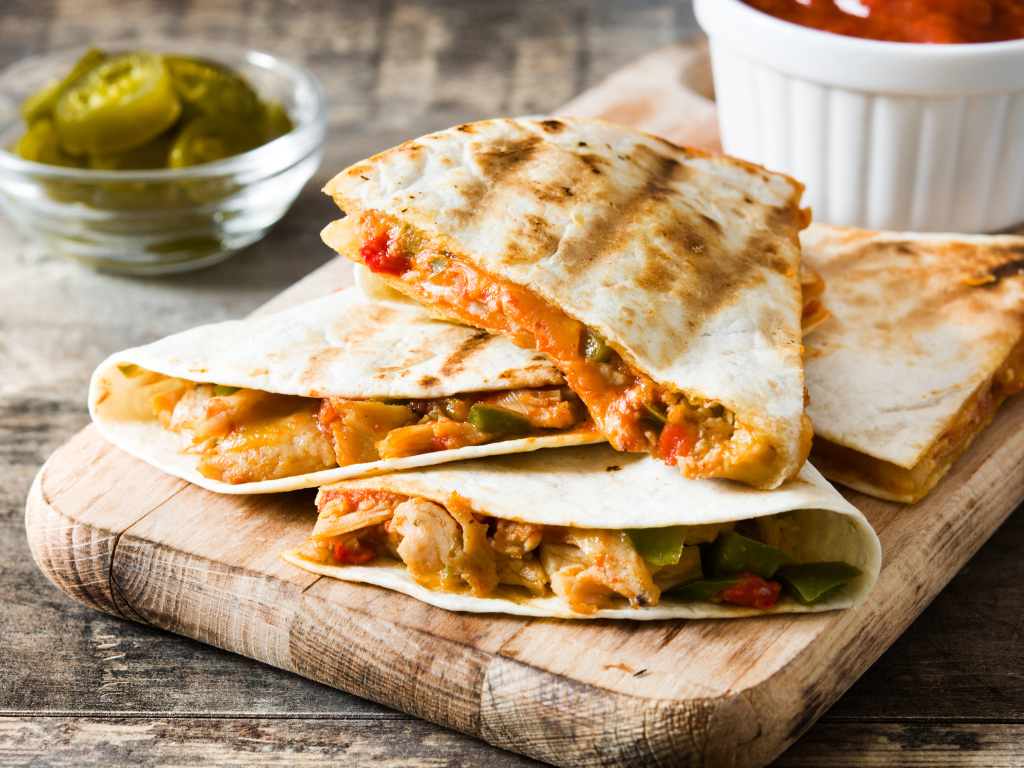
Turkey, cheddar, green onion, jalapeño, and cranberry sauce — folded in tortillas and grilled to perfection. This quesadilla recipe has become a repeat favourite on Allrecipes because it’s fast, fun, and cleverly balances savoury and sweet.

Leftover Thanksgiving Salad — Delish

When you’re ready for something lighter, this salad brings new life to the leftovers in your fridge. Stuffing turns into crisp croutons, roasted vegetables and turkey make it hearty, and cranberry sauce is whisked into a bright vinaigrette. It’s refreshing without feeling like a compromise.

Where to Savour Canada’s Indigenous Culinary Scene

Canada’s Indigenous culinary scene is blossoming, rooted in tradition yet boldly innovating with cafés, restaurants, breweries and farms that honour both the land and culture. Here’s a look at some of the newest openings and product launches across the country. 

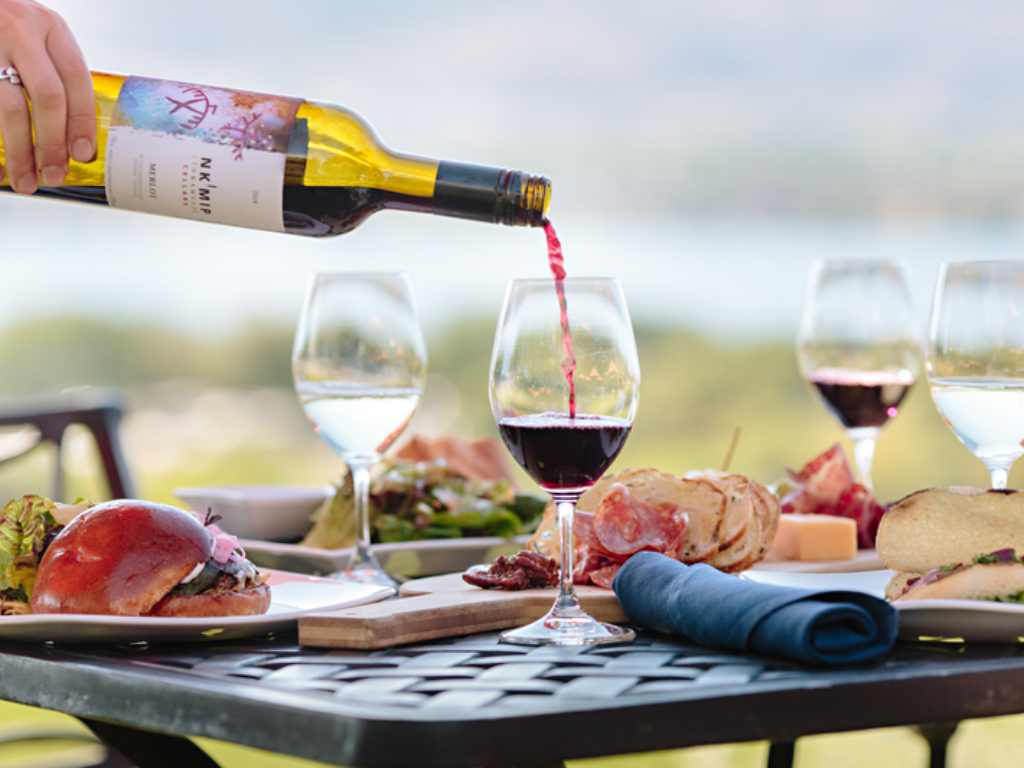
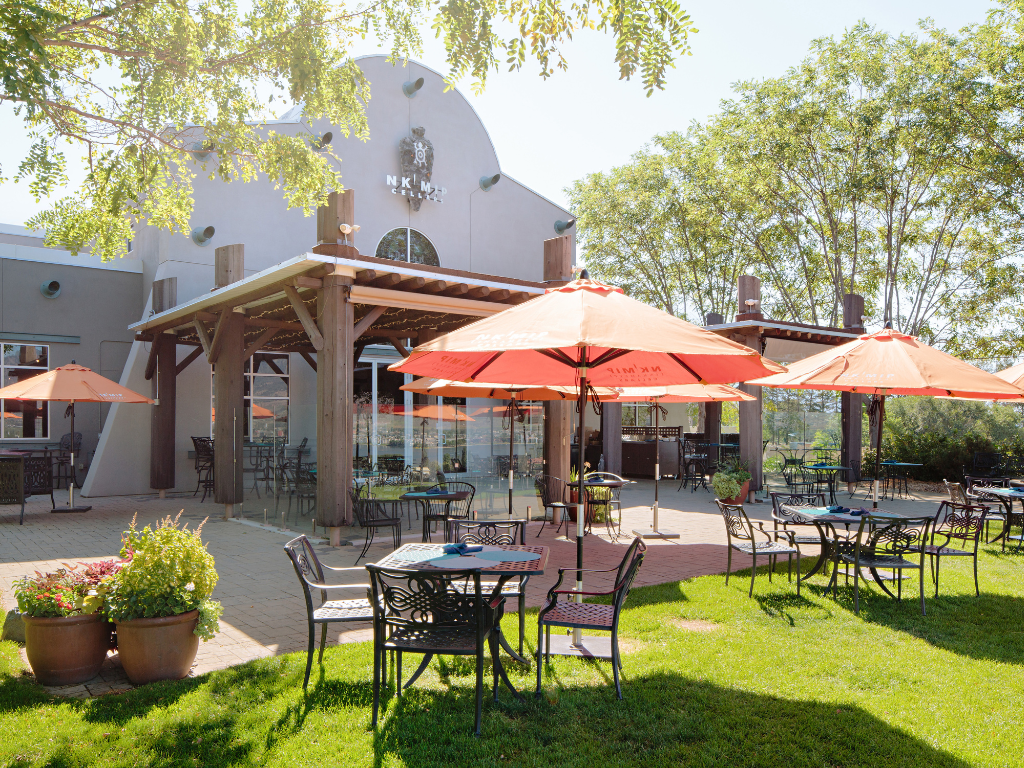
Featured: Nk’Mip Cellars. Imagery and list courtesy of the Indigenous Tourism Association of Canada (ITAC).

Bernadette's

Cafés & Restaurants

Ancestor Café by Tradish (Fort Langley, BC)
Tradish tells stories of culture, sustainability and respect for the land through its food. At Ancestor Café, guests can enjoy bannock tacos filled with bison or elk, sweet bannock bites, artisanal jams and herbal lemonades — a menu where tradition, wellness and storytelling meet.

Salmon n’ Bannock Bistro – New Bannock Mix (Vancouver, BC)
A Vancouver institution, Salmon n’ Bannock brings modern Indigenous flavours to the table. Now, travellers can take a piece of it home with a signature bannock mix, soon available at YVR duty-free shops.
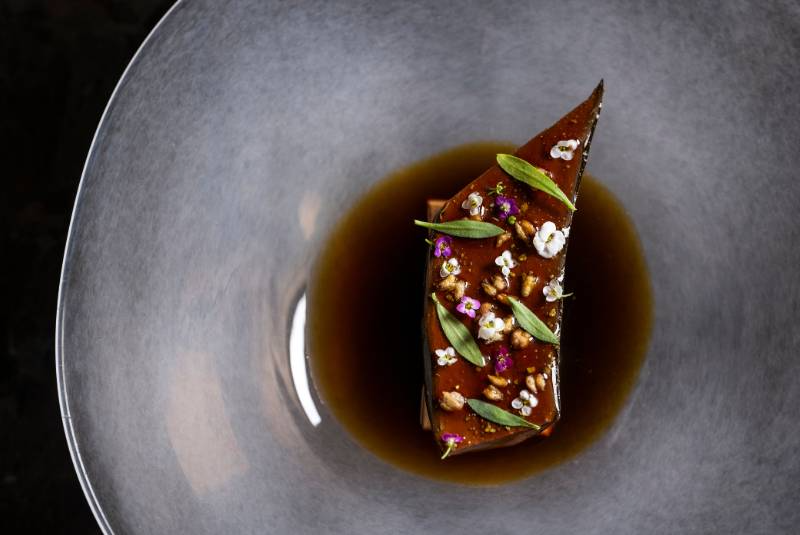
Bernadette’s (Edmonton, AB)
Opened in 2025, Bernadette’s is raising Indigenous cuisine to fine-dining heights. Founded by Chef Scott Iserhoff and Svitlana Kravchuk, the restaurant is named after Iserhoff’s grandmother and serves dishes like raw bison, Saskatoon-berry brisket on bannock, and rabbit ragu with potato dumplings.

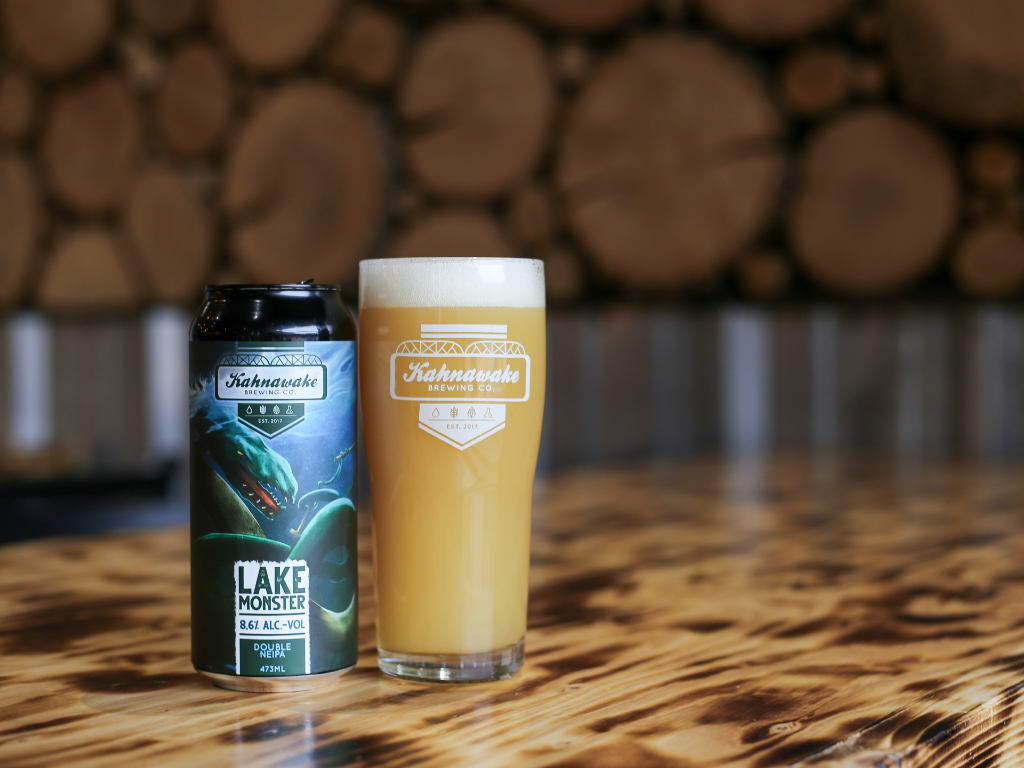
Kahnawake Brewing Co.
Nk’Mip Cellars

Wineries & Breweries

Locality Brewing (Langley, BC)
This Métis-owned farm brewery grows and malts every ingredient on site — from barley and hops to berries and honey — crafting truly farm-to-glass beers that taste of the land they come from.

Nk’Mip Cellars (Osoyoos, BC)
North America’s first Indigenous-owned winery, Nk’Mip Cellars offers wine flights, reserve tastings and food pairings like the Four Food Chiefs experience, set against sweeping South Okanagan vineyard views.

Kahnawake Brewing Co. (Kahnawake, QC)
Canada’s first Indigenous-owned microbrewery pays homage to Mohawk ironworker heritage while producing creative, small-batch beers that have built a loyal following both locally and beyond.

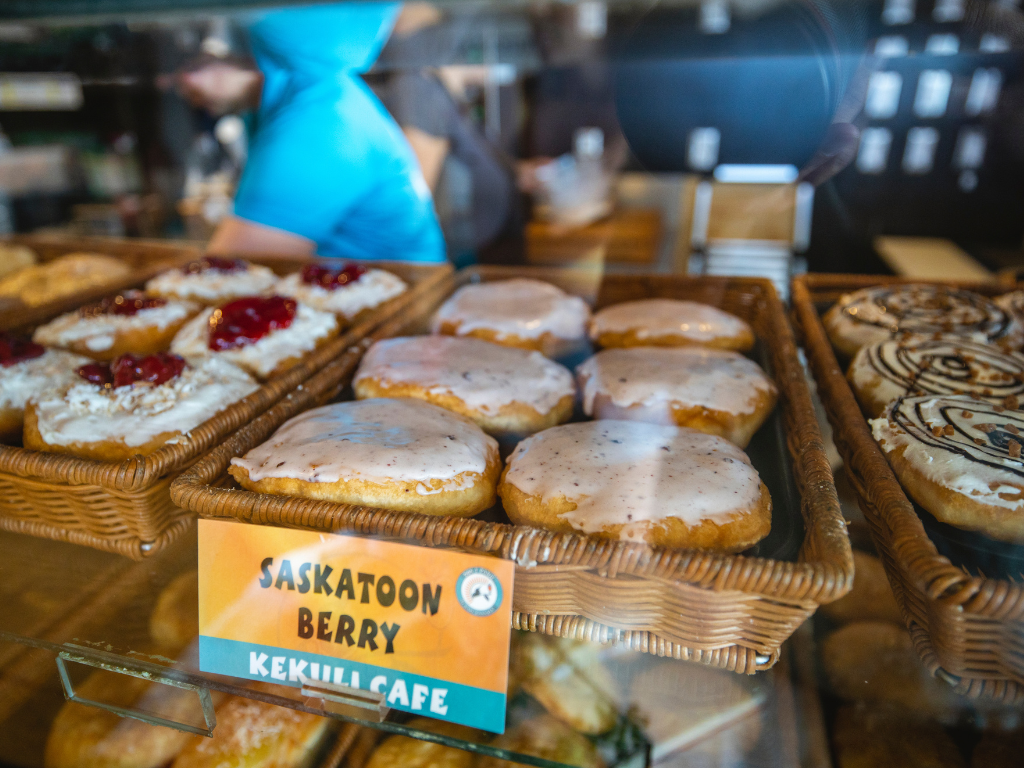
Kekuli Café
Tea Horse

Coffee & Tea

Kekuli Café (Kamloops, BC)
With the motto “Don’t panic, we have bannock!”, this café puts a fun spin on Indigenous staples, serving tipi tacos, harvest bowls and baked bannock treats. New locations are expanding its reach across Canada, including soon in St. John’s, Newfoundland.

Tea Horse (Thunder Bay, ON)
Founded by Denise Atkinson, Anishinaabe ikwe, Tea Horse blends Indigenous traditions with global tea culture. Its wild-rice teas and custom blends make for a uniquely Northern Ontario sip.

Moccasin Joe Coffee Roasters (Kanehsatake, QC)
Family-owned and award-winning, Moccasin Joe focuses on ethical, small-batch roasting that puts sustainability and flavour at the forefront.

Unique Food & Farm Experiences

Pollen Nation Farm (Little Rapids, NL)
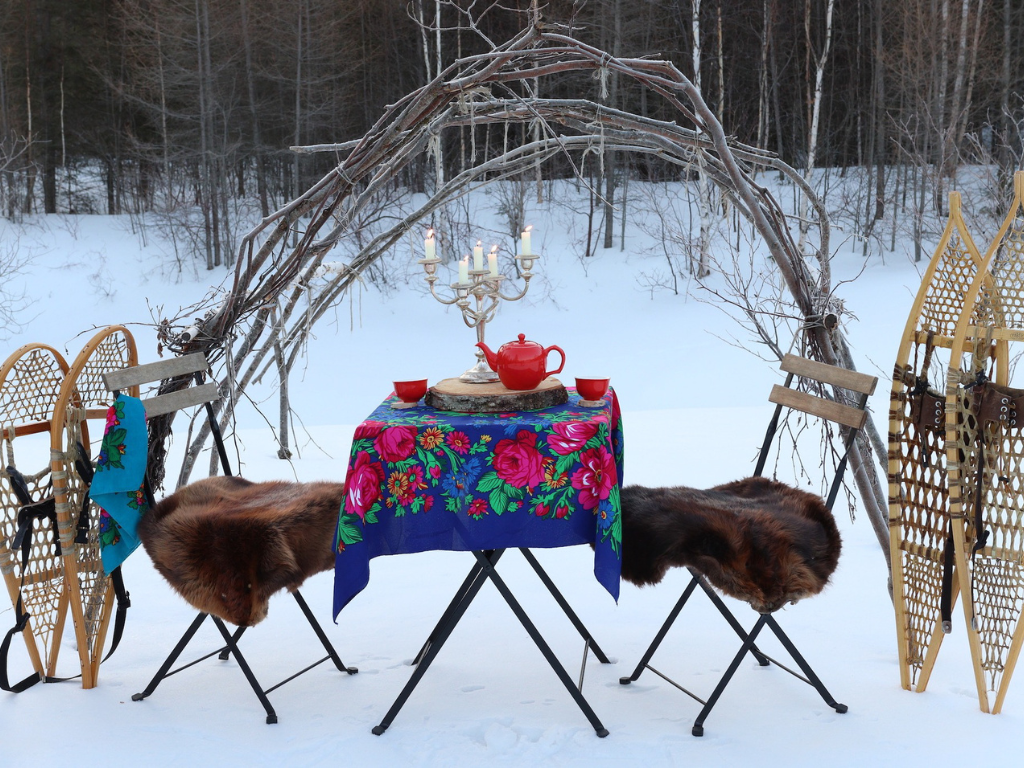
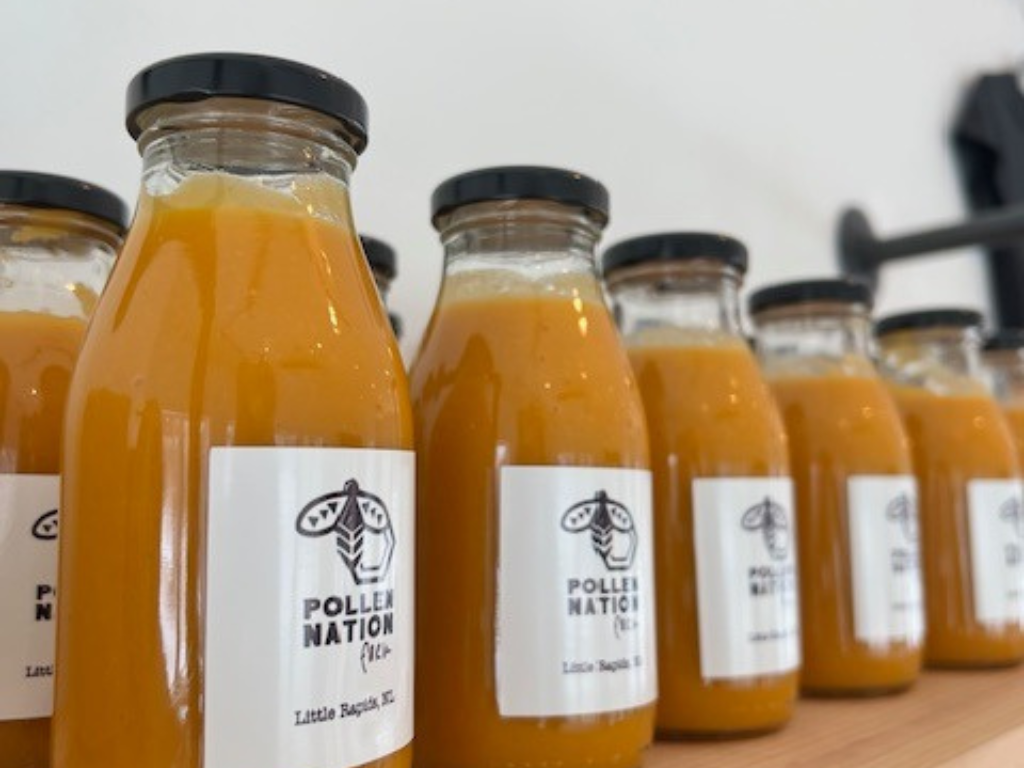
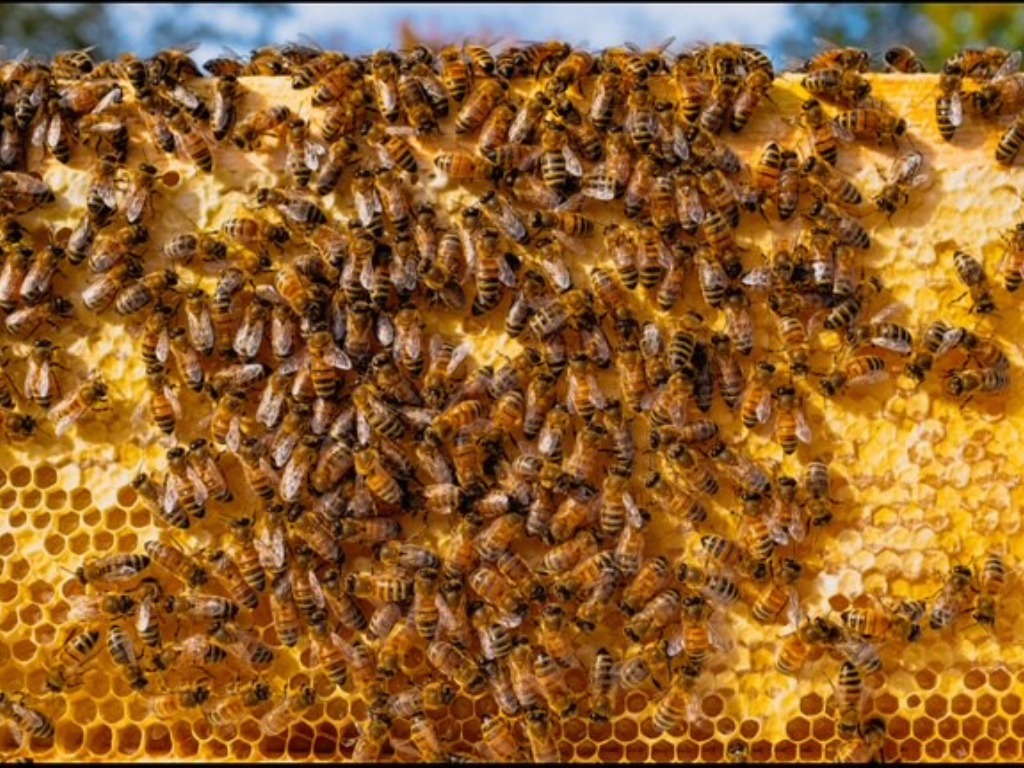
An Indigenous-owned farm and beekeeping project, Pollen Nation offers bee tours, foraging walks and fireside meals showcasing raw honey and land-based food traditions at its rustic “Beestro.”

Upper Humber Settlement (Cormack, NL)
On a historic veteran farming site, this Indigenous-owned B&B and farm-stay offers guests the chance to forage, dine farm-to-table, and hear stories around the fire, blending cultural history with regenerative farming.

To discover more Indigenous food and beverage businesses across the country, visit IndigenousCuisine.ca.

The North America’s 50 Best Restaurants 2025 List is Out

On September 25, 2025 at Wynn Las Vegas, the inaugural North America’s 50 Best Restaurants list debuted with Atomix (New York) crowned No. 1. Junghyun “JP” and Ellia Park’s intimate, design-driven counter marries Korean flavours with meticulous technique and hospitality, setting the tone for a ranking that celebrates both heritage and innovation across the continent.

Canada made a powerful showing — Mon Lapin (Montreal) landed at No. 2, Restaurant Pearl Morissette (Lincoln, ON) at No. 3 and Tanière3 (Québec City) at No. 5 — while the broader lineup highlights a vibrant mix of tasting-menu temples, neighbourhood gems and destination dining from the U.S. and the Caribbean. Pictured above? Le Violon in Montreal, No. 29 on the list, where Katy Perry and Justin Trudeau were spotted having dinner this past July.

Atomix (Photo by Evan Sung)

The List

  1. Atomix — New York

  2. Mon Lapin — Montréal

  3. Restaurant Pearl Morissette — Lincoln

  4. Smyth — Chicago

  5. Tanière3 — Québec City

  6. Dakar NOLA — New Orleans

  7. Kalaya — Philadelphia

  8. SingleThread — Healdsburg

  9. Le Bernardin — New York

  10. Le Veau d’Or — New York

  11. Quetzal — Toronto

  12. Baan Lao — Richmond (Steveston)

  13. Benu — San Francisco

  14. Californios — San Francisco

  15. The Four Horsemen — New York

  16. Friday Saturday Sunday — Philadelphia

  17. Moon Rabbit — Washington, DC

  18. Via Carota — New York

  19. Chubby Fish — Charleston

  20. Locust — Nashville

  21. Saison — San Francisco

  22. Montréal Plaza — Montréal

  23. Kono — New York

  24. Aska — New York

  25. Lazy Bear — San Francisco

  26. Kato — Los Angeles

  27. Kann — Portland

  28. Published on Main — Vancouver

  29. Le Violon — Montréal

  30. Emeril’s — New Orleans

  31. Kasama — Chicago

  32. Royal Sushi & Izakaya — Philadelphia

  33. Saga — New York

  34. Albi — Washington, DC

  35. Jungsik — New York

  36. Corima — New York

  37. Dōgon — Washington, DC

  38. César — New York

  39. Café Carmellini — New York

  40. Penny — New York

  41. Buzo Osteria Italiana — Bridgetown

  42. Holbox — Los Angeles

  43. Alma — Montréal

  44. Mhel — Toronto

  45. Alma Fonda Fina — Denver

  46. Atelier Crenn — San Francisco

  47. Providence — Los Angeles

  48. Quince — San Francisco

  49. Stush in the Bush — St. Ann

  50. Beba — Montréal

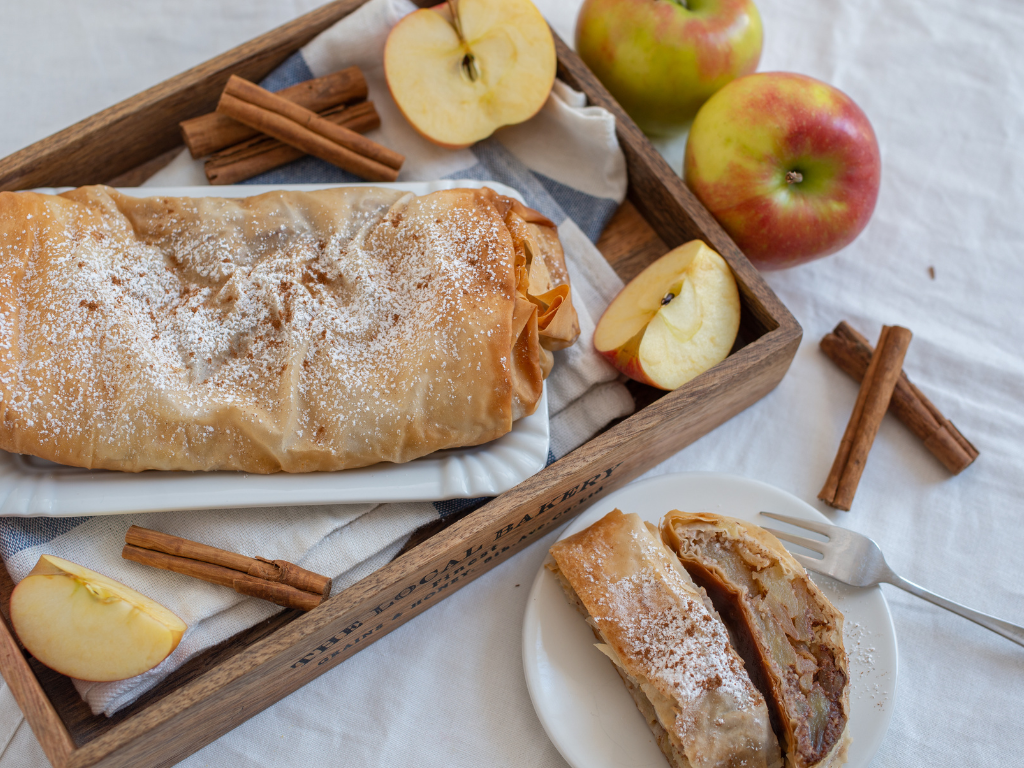
A Fall Classic: Homemade Apple Strudel

Apple-picking season is in full swing across Canada, which means baskets of crisp fruit just waiting to be transformed into something special. Enter apple strudel: layers of flaky pastry wrapped around tender apples, sweet raisins and a buttery crunch. It’s easier than you think with this recipe, which keeps things simple using store-bought puff pastry. 

Apple Strudel Recipe

Ingredients

  • 3 to 4 large apples, peeled, cored and thinly sliced

  • ½ cup raisins

  • ½ cup sugar

  • 1 tsp cinnamon

  • 1 tbsp lemon juice

  • 1 sheet frozen puff pastry (about 225 g), thawed

  • 2 tbsp butter, melted

  • ¼ cup bread crumbs

Method

  1. Preheat oven to 375°F (190°C). Line a baking sheet with parchment paper.

  2. In a large bowl, combine apples, raisins, sugar, cinnamon and lemon juice. Toss to coat.

  3. Roll out puff pastry on a lightly floured surface into a rectangle, about 12 x 14 inches.

  4. Brush pastry with melted butter, then sprinkle evenly with bread crumbs.

  5. Spoon the apple mixture along one long edge, leaving a 1-inch border. Carefully roll up the pastry over the filling, tucking in the sides as you go, to form a log. Place seam-side down on the prepared baking sheet.

  6. Brush the strudel with remaining melted butter.

  7. Bake for 35 to 40 minutes, or until golden brown and crisp.

  8. Let cool slightly before slicing. Serve warm, dusted with icing sugar, alongside whipped cream or vanilla ice cream.