Destinations

Japan Roadside restaurants

Japan, Beyond the Sushi

A taste of the country's regional dishes and time-honoured recipes.

By Steve Gillick

The Japanese phrase “gochisou sama deshita” (meaning “thank you for a wonderful meal”) quickly becomes part of the daily vocabulary for visitors. Across the country, it’s repeated often and with genuine appreciation. While sushi may be the global headliner, aficionados of washoku – traditional Japanese cuisine – know there’s an entire world of flavours waiting beyond it.

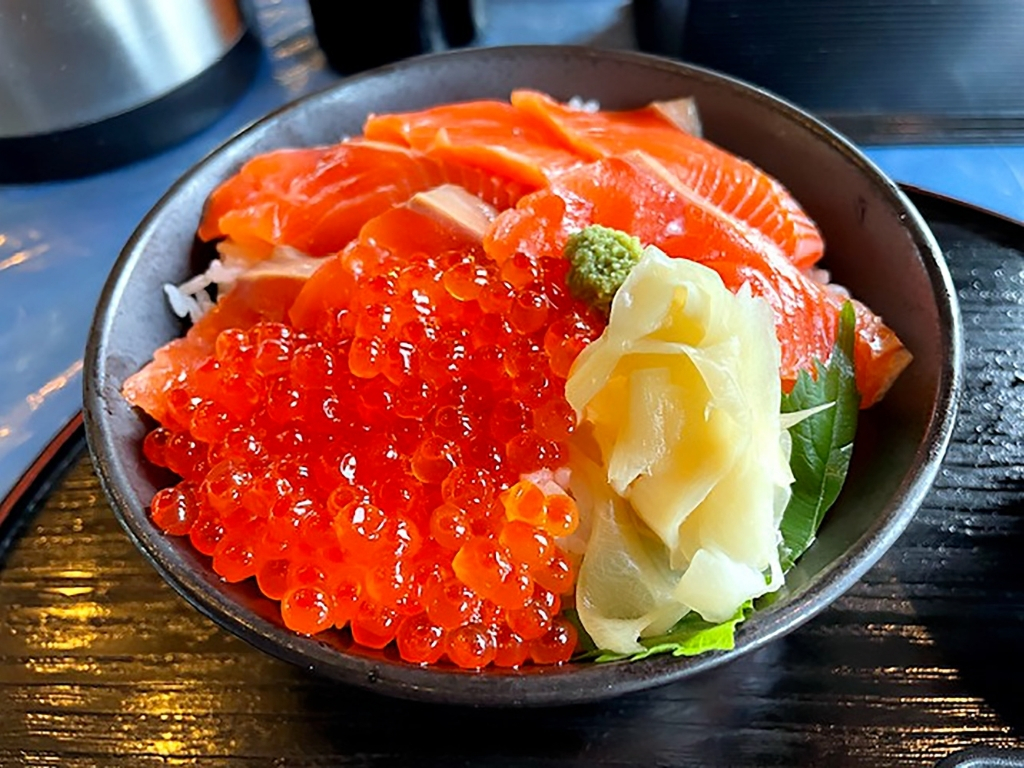
At Hana Tsubaki on Iki Island in Kyushu, references to the classic “chicken and egg” scenario aren’t philosophical – they’re culinary. Chef Tatsuji Yamashita’s Oyakodon, literally “parent-and-child donburi,” pairs tender simmered chicken and softly set egg over a bowl of freshly steamed rice, finished with scallions. Elsewhere, chefs have fun with the dish’s clever name. At Senchan Shokudo in Kushiro, Hokkaido, Oyakodon is reimagined as a pristine bowl of rice topped with delicate salmon sashimi and a generous scattering of ikura (salmon roe) for another fitting take on “parent and child.”

Japan’s celebrated gastronomy stretches across every prefecture. At Uomatsu in Izumi City, the focus is Kurobuta – Japanese Black Pork descended from British Berkshire pigs – served as richly marbled cuts in a comforting vegetable stew. In the mountainous wilderness of Okutama, Chiwaki offers Inobuta Nabe, a hearty dish of wild boar simmered in a deeply savoury miso broth. Regional specialties continue with Shika no Yakiniku (grilled deer with onion) and Shichirinyaki, featuring earthy, flame-grilled mountain mushrooms.

Oyakodon
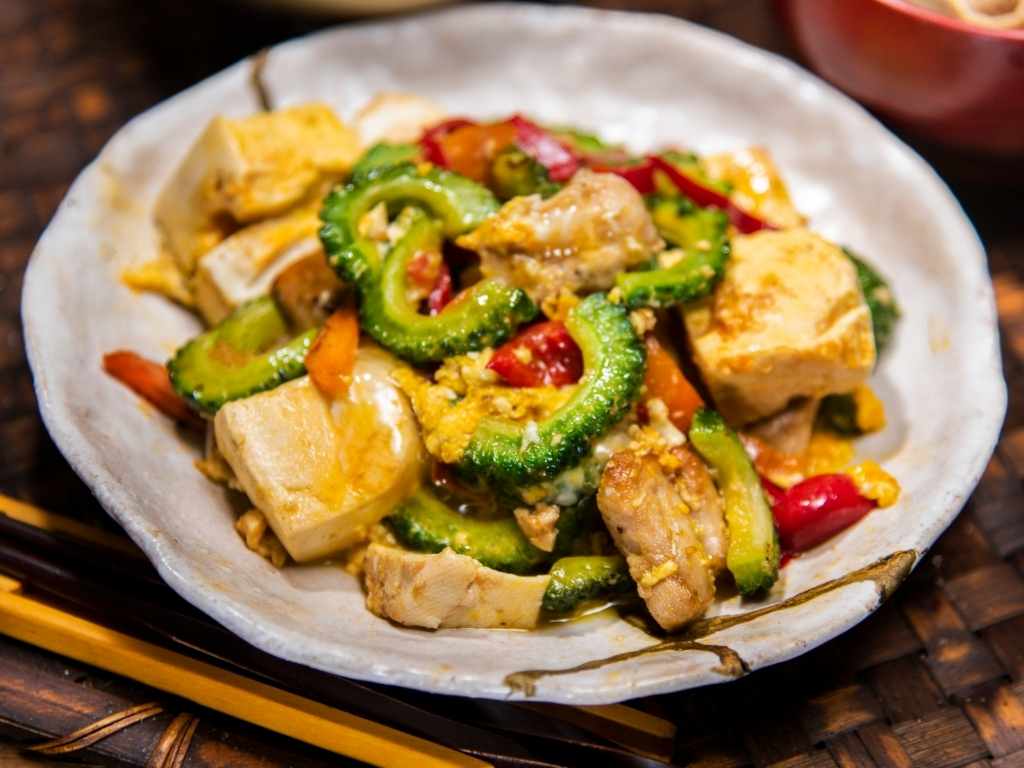
Goya Champuru

For many visitors, Japanese Wagyu beef is a culinary pilgrimage in itself, with regions across the country proudly claiming superiority in flavour, texture, and tenderness. At Suksma on Ishigaki Island in Okinawa, Ishigaki Beef Tataki delivers melt-in-the-mouth perfection with lightly seared, paper-thin slices. And in Hyogo Prefecture, sampling Kobe beef is practically a rite of passage. At Wakkoqu, owner Masato Shinno explains shimofuri as the intricate marbling that produces buttery-soft meat rich in oleic acid. It’s not uncommon to see diners pause between bites, chopsticks lowered, savouring the lingering umami.

Okinawa’s culinary scene adds its own distinctive flair. Taco kimchi (octopus and cucumber tossed in a spicy kimchi sauce) is both unexpected and addictive. Other local favourites include Ikasumi Yakimeshi (squid ink fried rice), umibudo (briny “sea grapes” dipped in ponzu), and the signature dish, goya champuru – a stir-fry of bitter melon, tofu, egg, and Spam that perfectly reflects the island’s unique cultural blend.

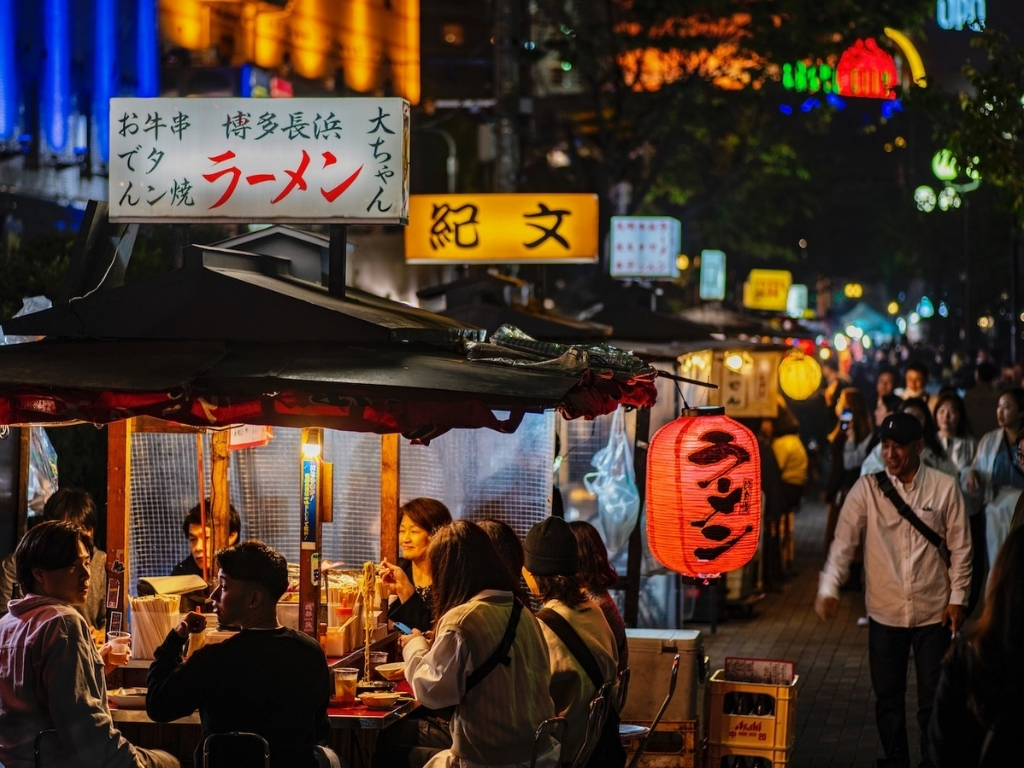
The expression “hoppeta ga ochiru” – meaning “my cheeks are falling off” – is reserved for meals that are truly unforgettable, and it’s especially apt when dining at a yatai. These mobile food stalls offer an intimate, convivial experience where close quarters, lively conversation, and freshly prepared dishes come together. At Yatai Marufuku in Shimabara, Kyushu, Takami Matsumoto serves expertly grilled yakitori – skewers of chicken, pork, and beef – alongside comforting bowls of oden, a slow-simmered mix of eggs, daikon, konjac and fish cakes in soy-dashi broth. Meanwhile, in Fukuoka’s Nakasu district, the charismatic 80-year-old chef Masanaka Amamoto at Yatai Kibun delights guests with rich, buttery grilled mentaiko (spicy cod roe). Cheeks falling off, indeed.

Elsewhere, Japan’s culinary repertoire continues to surprise and intrigue: Kusaya (famously pungent dried fish) on Hachijojima in the Izu Islands; Ankimo (monkfish liver), often called the “foie gras of the sea”; the delicately prepared – and carefully regulated – fugu (pufferfish); Kamayaki, featuring grilled fish jaw; and an array of tofu dishes, from agedashi to sesame-infused creations. Then there’s Okonomiyaki, the beloved savoury pancake layered with cabbage and seafood. Even something as simple as a tuna sandwich, like the standout version at Sakanaya Tetsu in Tokyo’s Shimbashi district, can redefine expectations, with freshly grilled tuna tucked into toasted bread and finished with creamy mayo.

Exploring Japan through its cuisine is an adventure in itself – one that continually surprises, delights and satisfies. And with every memorable meal, there’s only one appropriate response: gochisou sama deshita.

Nimmo Bay Taste The Wild Food Experience

A Taste of Place: Foodie Getaways Across Canada

These Canadian culinary workshops blend terroir, technique and traditions.

By Sabrina Pirillo

Set against the country’s most striking landscapes, these hands-on culinary experiences offer a deeper connection to the ingredients and stories that shape each dish.

Nimmo Bay, British Columbia
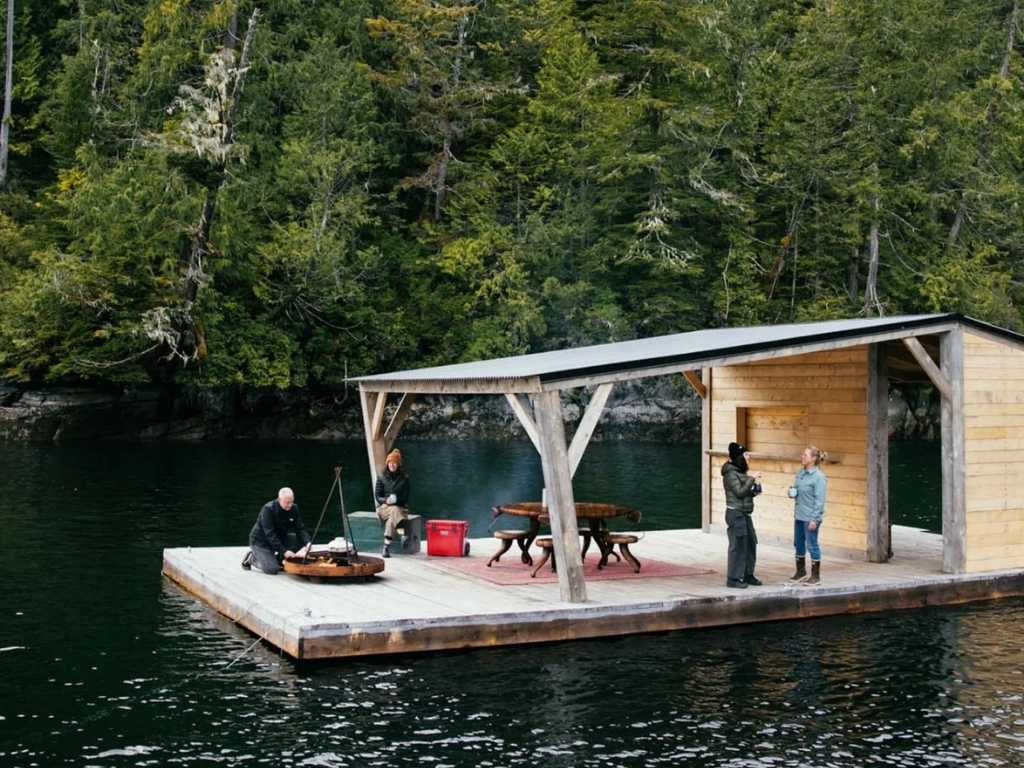
On the rugged coast of British Columbia, Nimmo Bay delivers an immersive culinary journey through the Great Bear Rainforest. The one-day Taste the Wild Culinary Adventure (pictured above) invites guests to forage for local ingredients, including freshly harvested seafood, on a guided coastal excursion. Paired with curated beverages and led by Nimmo Bay’s expert team, the experience is as much about storytelling as it is about taste, offering a profound connection to one of Canada’s most impressive ecosystems.

Le Germain Charlevoix Hotel & Spa, Québec
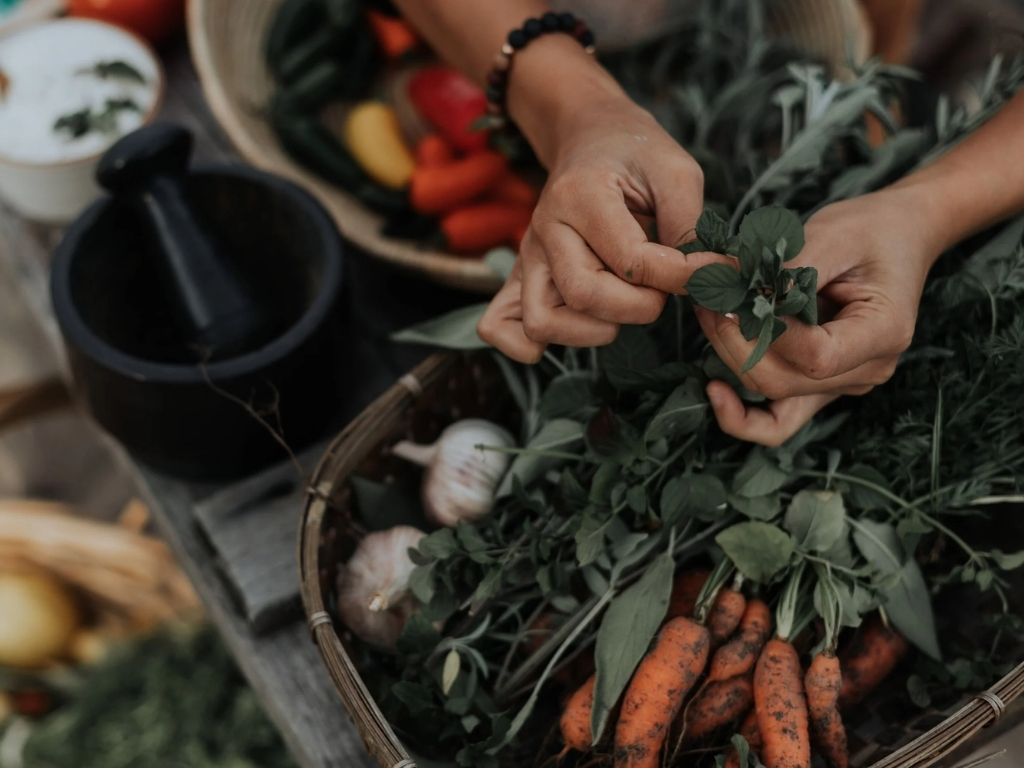
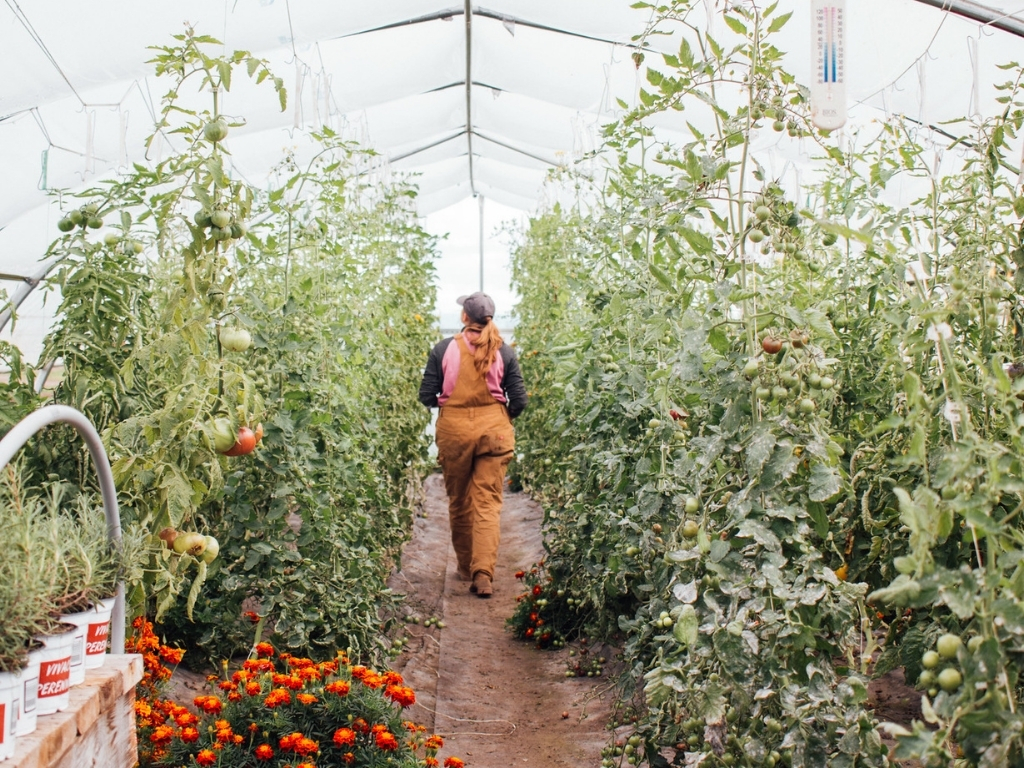
Set between the rolling Charlevoix mountains and the St. Lawrence River, Le Germain Charlevoix Hotel & Spa draws directly from its surroundings for a grounded, nature-led experience. Each spring, onsite horticulturist Virginie hosts intimate workshops focused on growing microgreens indoors. Guests tour the property’s lush gardens, learn how to regrow common kitchen vegetables, and gain insight into the region’s sustainability efforts. Additional seasonal workshops roll out through the summer, further connecting visitors to the land.

foraging excursions in Canada
Anupaya Cabin Co.
Le Germain Quebec Hotel Herb Garden
Le Germain Charlevoix greenhouse

Anupaya Cabin Co., Ontario
Near Ottawa and Algonquin Park, Anupaya Cabin Co. offers a thoughtful return to nature through its Wild Path experience. The journey begins with a guided foraging walk, where wild greens and mushrooms are gathered for the evening meal. From there, guests explore the gardens before settling in for a refined farm-to-table dinner crafted by chef Justin Champagne of Perch Restaurant. As the day winds down, a sunset fire by the river provides a quiet, contemplative finish.

The Cape Retreat, Newfoundland
In the coastal community of Cape Broyle, The Cape offers an intimate retreat shaped by Newfoundland’s wild landscapes. Led by Culinary Director Alex Shaw, culinary experiences range from multi-course land-to-sea dinners to hands-on pasta and pastry classes. Whether cooking or gathering at the communal table, each meal is rooted in seasonality and storytelling, along with a mindful approach to using every ingredient.

Kananaskis Cocktail workshop

Kananaskis Mountain Lodge, Alberta
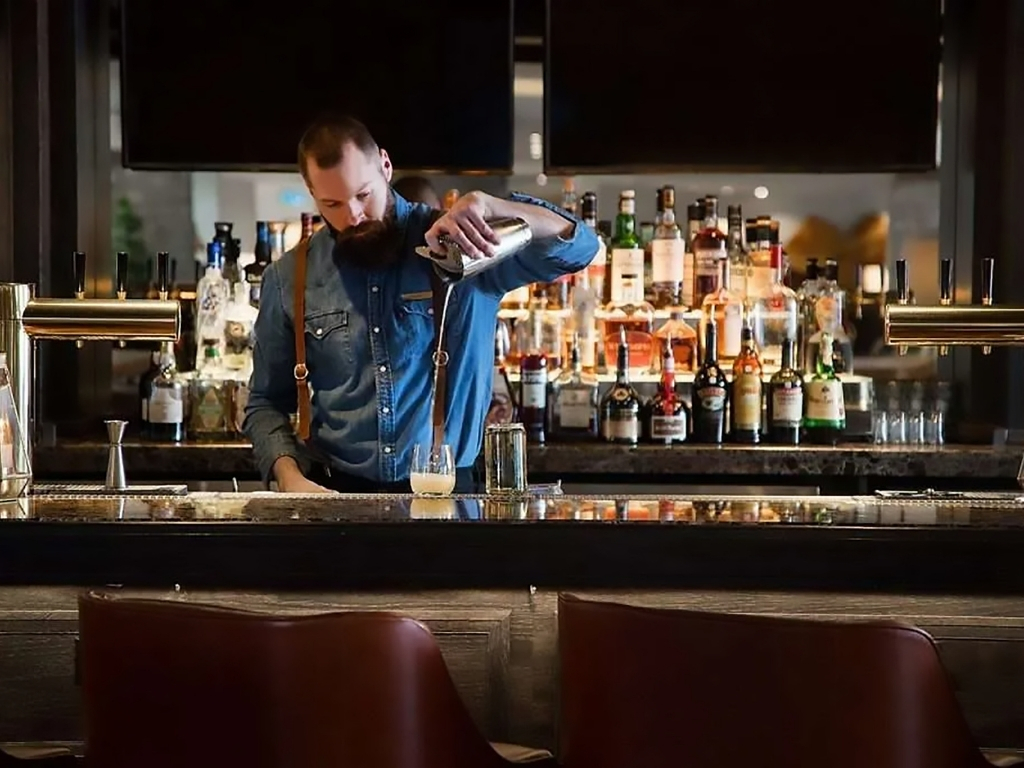
Surrounded by sweeping alpine views, Kananaskis Mountain Lodge, Autograph Collection, offers a spirited take on hands-on learning. Its seasonal cocktail classes – often timed with long weekends and special events – are led by the lodge’s expert bartenders and mixologists. Each session reflects the flavours of the season, from bright, spice-forward summer margaritas to the indulgent Signature S’Mores Old Fashioned. It’s a social, flavour-driven experience that blends technique with a sense of place.

Schoolhaus Culinary Arts, Saskatchewan
In Regina, Schoolhaus Culinary Arts brings a more playful, laidback approach to culinary education. With a rotating calendar of classes ranging from vegan street food to 1920s Sicilian cuisine, there’s something for every taste and skill set. Guests are guided through each step in a welcoming, hands-on environment where creativity is encouraged and enjoyment is essential.

Fairmont Jasper Park Lodge Alberta

Fairmont Jasper Park Lodge Debuts Indigenous-Led Foraging and Culinary Experience

Guests can book a full-day experience combining a helicopter tour, guided foraging and a chef-prepared dinner.

Fairmont Jasper Park Lodge is adding a new, hands-on culinary experience to its summer lineup with the launch of its Foraging Flight: An Indigenous-Led Helicopter & Culinary Journey.

The full-day adventure begins with a helicopter departure from the resort, giving guests a wide-angle view of Jasper National Park’s mountains, lakes, and forested valleys before touching down in a remote backcountry setting.

Led by Indigenous Knowledge Keeper Lauren Moberly, the experience moves from sightseeing to participation. Guests are introduced to seasonal wild botanicals and take part in guided foraging, learning what grows in the region and how it’s traditionally used.

Fairmont Jasper Park Foraging Flight

A wilderness picnic offers time to relax and take in the surroundings before returning to the lodge.

Back on property, the experience wraps up with a private, multi-course dinner prepared by the resort’s culinary team. The menu incorporates ingredients gathered earlier in the day, bringing a direct connection between the landscape and what’s served on the plate.

Designed as a small-group experience, the Foraging Flight combines aerial access, guided exploration, and a curated dining component, offering guests a different way to experience Jasper beyond the usual viewpoints.

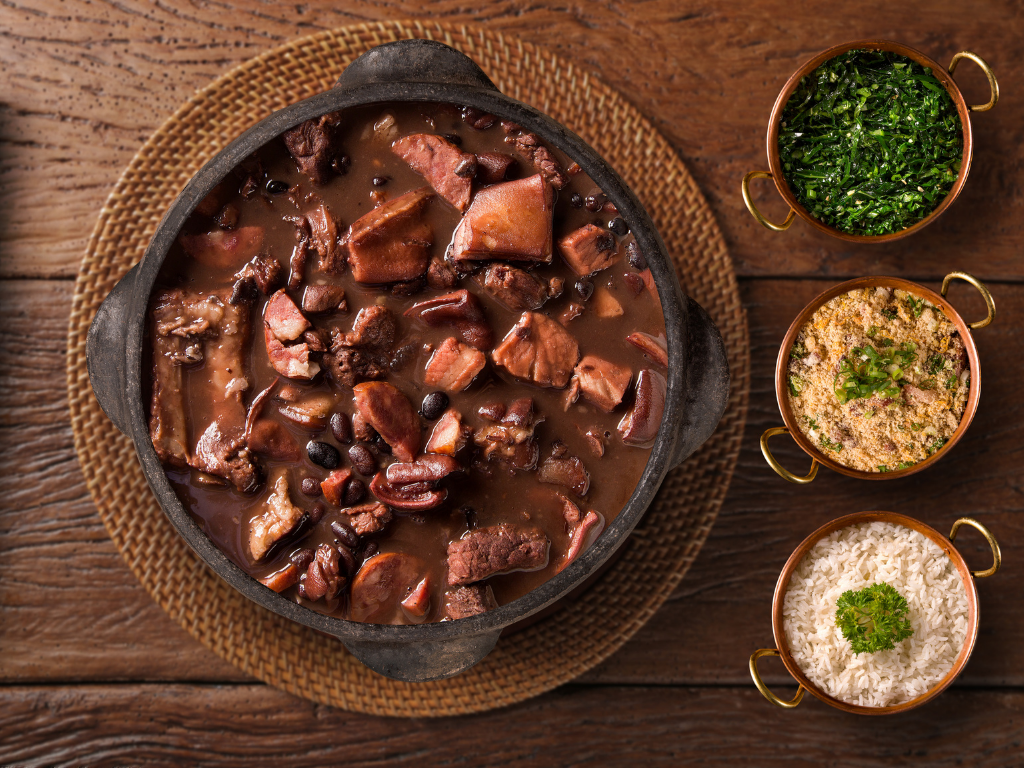
Brazilian Feijoada

What Is Brazilian Feijoada?

Brazil’s signature black bean stew is defined by tradition, flavour and the way it brings people together.

Some dishes always feel like they’ve been lovingly made, even when you’re eating out. In Brazil, feijoada is one of them. The slow-simmered black bean stew reflects the country’s history, culture and way of gathering, and it always tastes like a home-cooked meal made just for you.

At its simplest, feijoada combines black beans with pork cuts, including sausages and salted or smoked meats. Cooked low and slow with garlic, onion and bay leaf, it develops a deep, savoury richness that defines the dish.

Feijoada reflects Brazil’s layered culinary history.

Often linked to Brazil’s colonial era, feijoada is widely associated with resourceful cooking traditions that made use of available ingredients. Over time, it evolved under the influence of Portuguese stews and African techniques, becoming a staple across the country. Today, it’s less about necessity and more about identity.

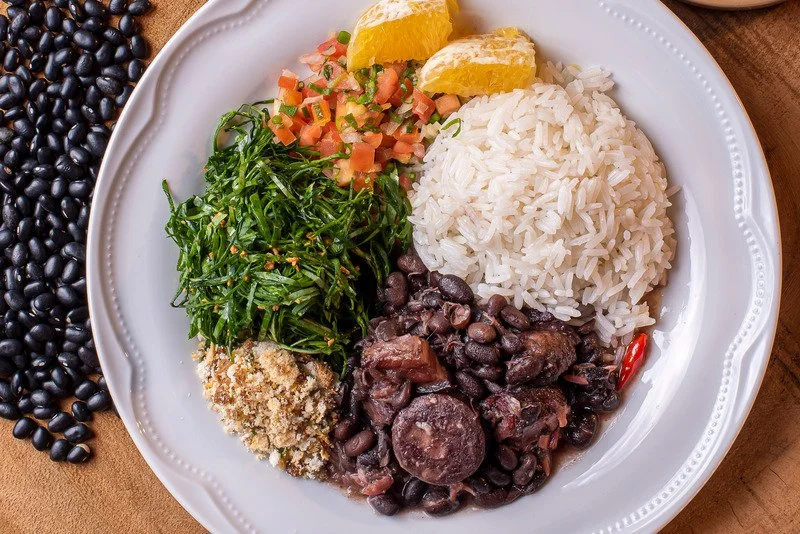
A traditional feijoada is defined as much by its accompaniments as by the stew itself.

https://images.squarespace-cdn.com/content/v1/65106e4e43a61934a4ebb67f/1714727026579-P8ZBFBFRL8QNSRVUEPQU/2.jpg
 
Feijoada is always served with accoutrements, with each element balancing the richness of the stew
  • White rice
  • Couve (garlic-sautéed collard greens or kale)
  • Farofa (toasted cassava flour)
  • Orange slices for brightness and to help with digestion

Traditionally served on Wednesdays and Saturdays, feijoada is meant to be shared. Meals stretch over hours, often accompanied by music and conversation, particularly in cities like Rio de Janeiro and São Paulo. It’s as much about the setting as the food itself.

The best place to try feijoada depends on the experience you’re after.

Across Brazil, feijoada adapts to its surroundings:

  • In Rio de Janeiro, you can find it on almost every menu. The Copacabana Palace has a very reasonably priced lunchtime feijoada experience, and it doubles as an experience to visit the historic property without a booking. In Santa Teresa, try Bar do Mineiro or the pretty courtyard at Armazém São Joaquim.
  • In São Paulo, it ranges from traditional to refined
  • In Minas Gerais, it leans rustic and deeply regional

What began as a humble, slow-cooked stew is now one of Brazil’s most recognizable culinary expressions.

For travellers, it offers something simple but meaningful: a direct connection to place, through the table. And a filling meal to refuel after a day of exploration.

Pasta Carbonara Tortelli Recipe

Recipe: A Carbonara Pasta Straight From Rome, Featured on Emily in Paris

Courtesy of Sofitel Rome Villa Borghese, here's how to make Carbonara tortelli with Pecorino foam, crispy guanciale and seasonal truffle.

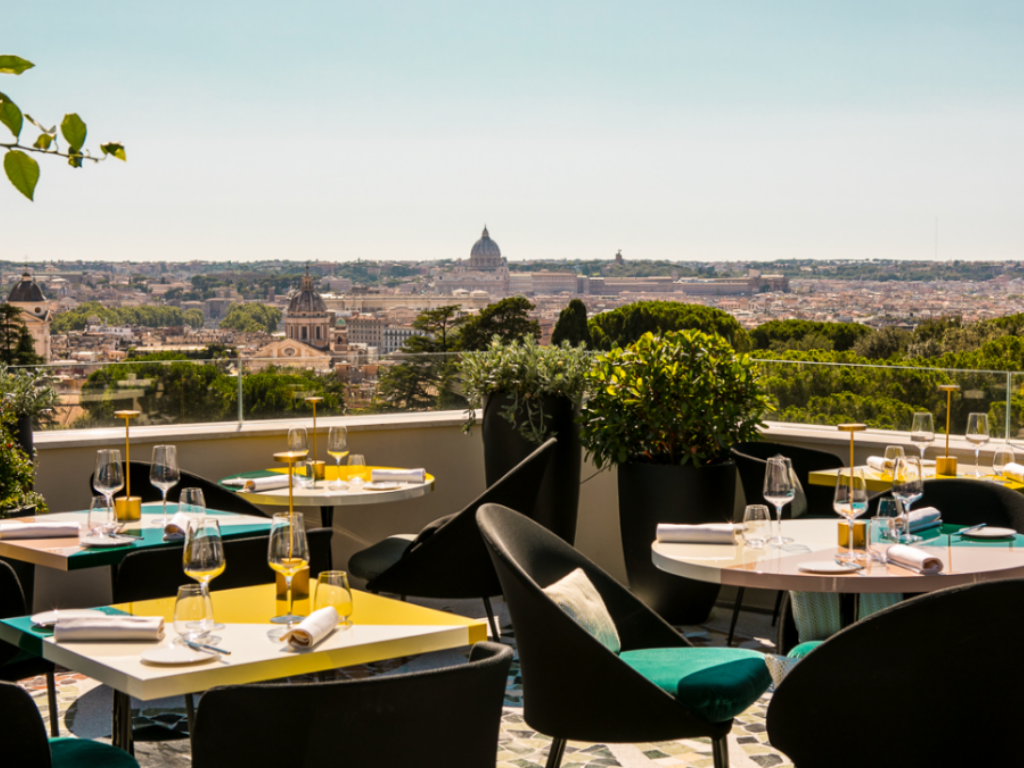
Villa Borghese Rome

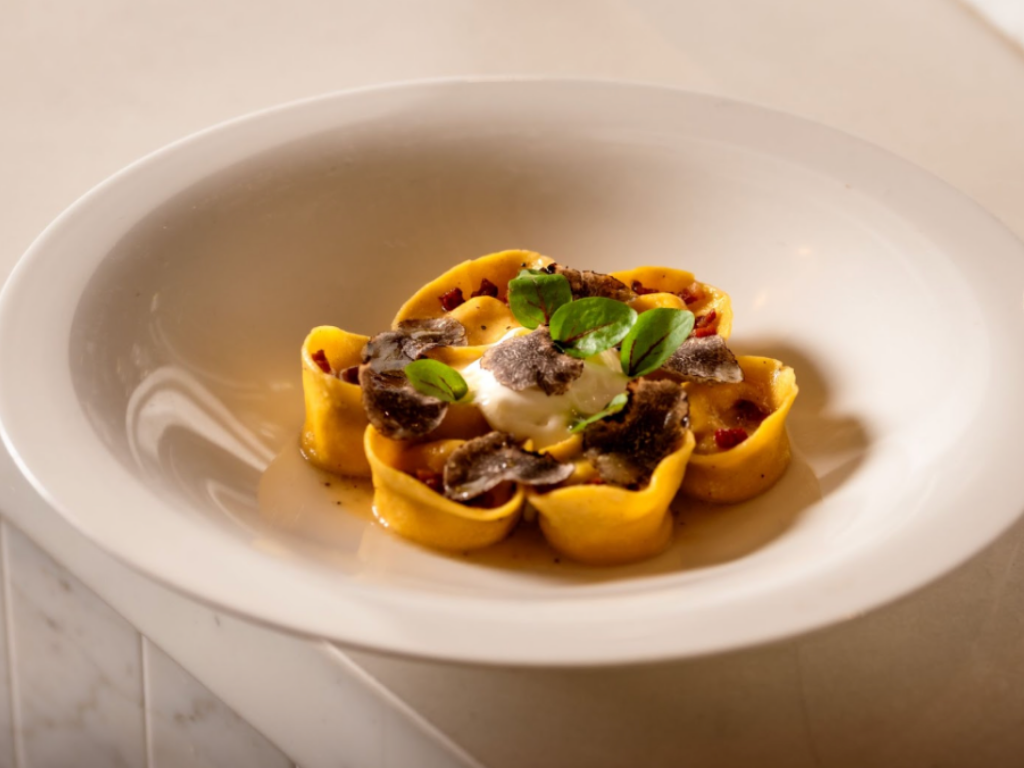
If there’s one thing Rome does exceptionally well, it’s keeping classic dishes interesting. At Sofitel Rome Villa Borghese, the hotel’s rooftop restaurant, Settimio, reworks the traditional carbonara into delicate tortelli, layered with creamy filling, crisp guanciale, and a light pecorino foam. It’s familiar, but just different enough to feel like something you’d order on a special night out.

The dish also happens to have appeared in Emily in Paris, but it doesn’t need the screen time to stand out on your dining table.

Here’s how to recreate it at home.

Carbonara Tortelli with Pecorino Foam, Crispy Guanciale & Seasonal Truffle

Recipe courtesy of Sofitel Rome Villa Borghese

Yield: 10 servings

Ingredients

Pasta Dough

  • ½ cup re-milled durum wheat semolina
  • 3½ cups 00 flour
  • 22 egg yolks
  • 2 whole eggs
  • 1 tbsp salt
  • 1½ tbsp extra virgin olive oil

Carbonara Filling

  • 11 egg yolks
  • 2 cups Pecorino Romano DOP, grated
  • 1½ cups Parmigiano Reggiano, grated
  • ¾ cup heavy cream
  • Freshly cracked black pepper

Pecorino Foam

  • 2 cups whole milk
  • 2½ cups Pecorino Romano
  • 1¼ cups cream

To Finish

  • 10½ oz guanciale (or pancetta)
  • 2 oz fresh seasonal truffle
  • Freshly cracked black pepper

Instructions

1. Make the Pasta Dough
Combine semolina, flour, and salt. Add egg yolks, whole eggs, and olive oil, then knead until smooth and elastic. Wrap and refrigerate for at least 3 hours.

2. Prepare the Filling
Blend egg yolks, cheeses, cream, and black pepper until smooth. Gently heat to 180°F (82°C), then cool quickly. Transfer to a piping bag and refrigerate.

3. Make the Pecorino Foam
Heat and blend milk, Pecorino, and cream until fully combined. Strain and transfer to a siphon. Charge and keep warm.

4. Crisp the Guanciale
Cook slowly until golden and crisp. Set aside.

5. Shape the Tortelli
Roll dough thin, cut into rounds, pipe filling into the centre, then fold and seal.

6. Cook
Boil in salted water for 3–4 minutes. Finish in a pan with a splash of pasta water and olive oil.

7. Plate
Arrange tortelli in a bowl, top with guanciale, black pepper, and pecorino foam. Finish with shaved truffle. Serve immediately (and dream of your next trip to Italy).

Research Shows That Food Is a Top Reason to Travel in 2026

Nearly 80% of travellers now choose destinations based on what they’ll eat, planning their trips from the plate up.

For decades, travel decisions were shaped by scenery, price, and proximity. But according to the latest TravelBoom 2026 Leisure Travel Study, another factor now sits firmly alongside those fundamentals: food. Nearly 80% of travellers say cuisine is either important or very important when choosing a destination — placing it on par with cost, location, and reviews. In practical terms, that means what you eat is no longer a bonus. It’s a deciding factor.

What Today’s Travellers Actually Want to Eat

The data reveals a shift that goes beyond rising interest — it’s a redefinition of what culinary travel looks like.

  • 66% of travellers say they’re most excited by street food
    64% prefer unique, local experiences over fine dining or Michelin-starred restaurants

This isn’t about prestige dining. It’s about proximity to culture. Travellers are seeking out neighbourhood spots, market stalls, and regional specialties — the kinds of meals that feel rooted in place. The appeal lies in discovery: eating what locals eat, understanding how dishes are made, and experiencing food as a form of storytelling.

Beyond the Restaurant Reservation

The study also highlights how culinary experiences are shaping entire itineraries.

Travellers aren’t just booking tables — they’re building trips around food-led activities:

– Guided market and street food tours
– Cooking classes with local chefs
– Farm-to-table meals on-site
– Winery, brewery, and distillery visits
– Regional food festivals and heritage dining experiences

These moments offer something traditional sightseeing often can’t: participation. Food becomes an entry point into culture — tactile, social, and deeply memorable.

A Trend That Cuts Across Generations

One of the most compelling findings is how universal this shift is.

Culinary tourism resonates across demographics — from Boomers seeking deeper cultural immersion, to families looking for shared, sensory experiences, to solo travellers prioritizing meaning over checklist travel.

Regardless of age or travel style, food is emerging as the common denominator. And because meals are inherently shareable — both socially and digitally — they extend the life of a trip long after it ends.

What This Means for Hotels and Destinations

For hotels and tourism boards, the takeaway is clear: food is no longer an amenity. It’s a strategic asset.

Properties that succeed in this landscape are those that treat culinary experiences as core to their identity. That can mean partnering with local chefs and producers, designing food-focused packages, or creating on-property programming that invites guests into the process — from tastings to hands-on workshops.

Equally important is how these experiences are presented. Travellers aren’t just looking for places to stay — they’re looking for stories to taste. The more vividly those stories are told, the more compelling the destination becomes.

Lithuanian pink soup festival

Vilnius Is Throwing a Whimsical Pink Soup Festival

This three-day celebration of Lithuania’s iconic cold beet soup is turning Vilnius into one of Europe’s most unexpected summer hotspots.

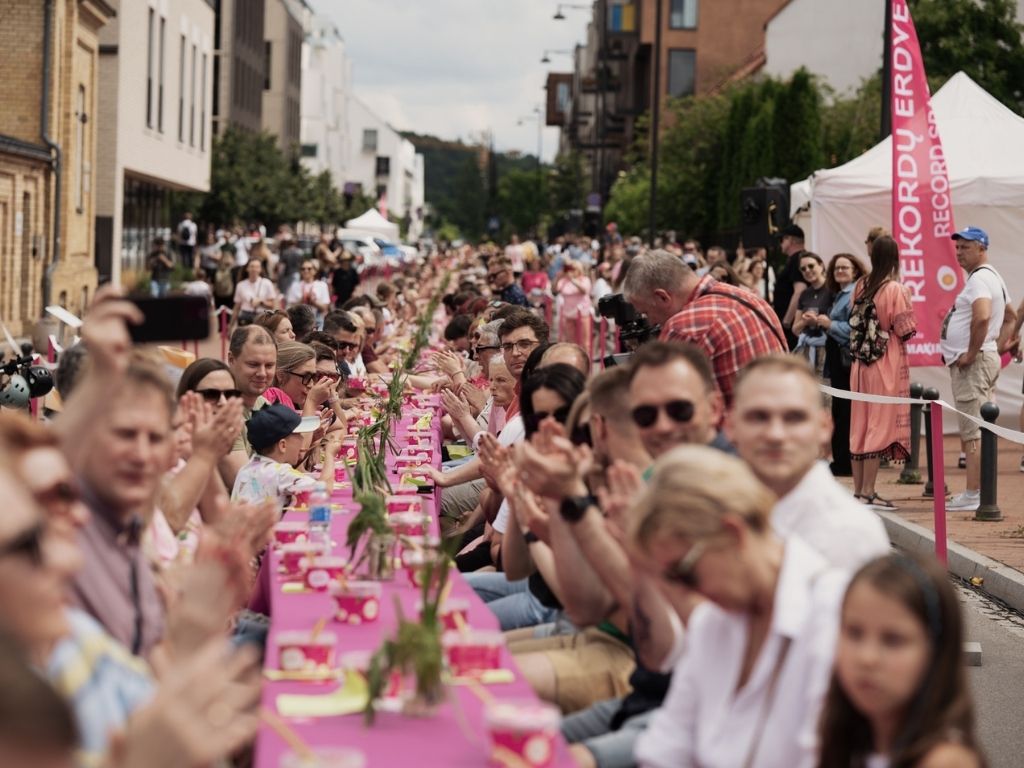
From May 29 to 31, Lithuania’s capital will once again turn shades of fuchsia for its annual Pink Soup Fest, a high-energy, slightly surreal celebration dedicated to šaltibarščiai, the country’s beloved cold beet soup. Equal parts food festival and citywide party, the event has quietly become one of the Baltic region’s most compelling reasons to visit — especially as travellers look beyond the usual Mediterranean circuit.

And yes, everything is pink.

Vinius pink soup festival

What started as a quirky local celebration has quickly scaled into a major draw. The festival is expanding to three days this year after rapid growth, with attendance jumping from 42,000 visitors in 2024 to 93,000 last year.

That momentum speaks to something bigger than a single dish. Pink Soup Fest now unofficially marks the start of summer in Lithuania, transforming Vilnius into an open-air playground of parades, performances, and playful chaos.

Think foam slides. Think costumed runs. Think marching bands and dancers weaving through streets filled with people carrying bowls of neon-pink soup.

At the centre of it all is the Pink Soup Parade, a procession that leans fully into the absurd, with participants dressed in elaborate pink outfits competing for best costume. Visitors are encouraged to join in, not just watch.

The dish behind the spectacle

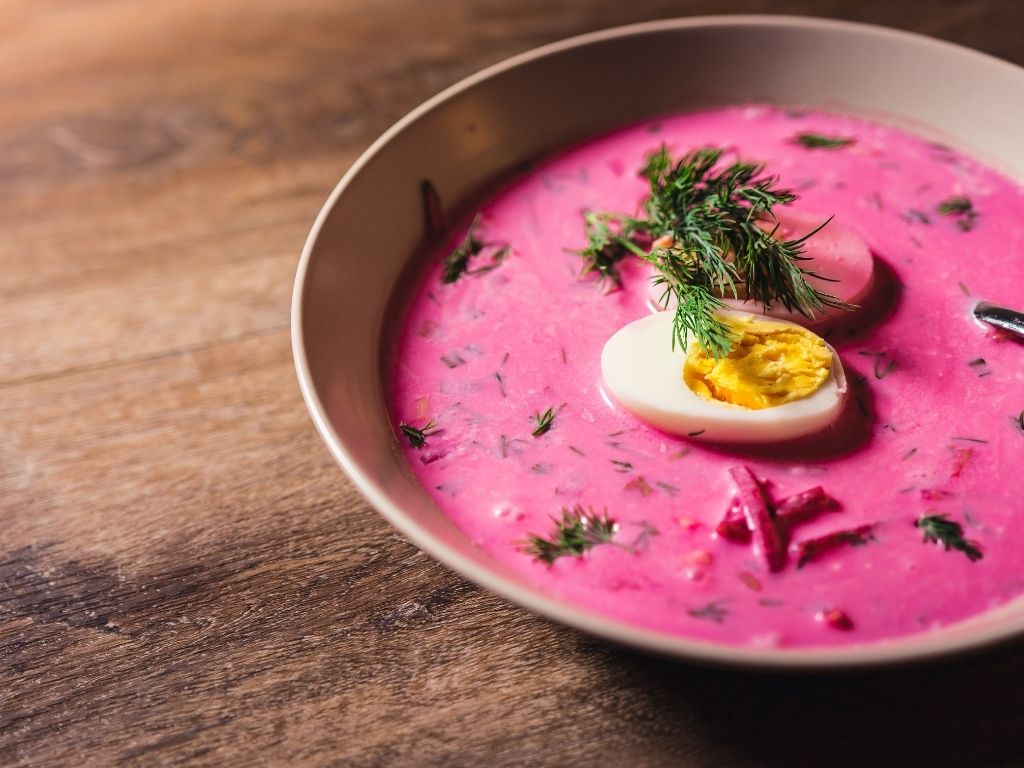
For all its theatrics, the festival is rooted in something deeply traditional. Šaltibarščiai — typically made with beetroot, kefir, cucumber, dill, and eggs — dates back centuries and remains a staple of Lithuanian cuisine.

Served cold and vividly pink, it’s both refreshing and visually striking, which helps explain its recent rise beyond Lithuania. The soup has been gaining traction globally, even ranking among the world’s top cold soups, thanks in part to its probiotic-rich kefir base and antioxidant-heavy ingredients.

During the festival, you’ll find it everywhere — from traditional versions to modern reinterpretations — served across restaurants, pop-ups, and street stalls throughout the city.

Sometimes, the best trips are the ones that don’t take themselves too seriously.

Minor Hotels Italy UNESCO food heritage restaurants

Italy’s UNESCO Food Heritage Comes to the Table at These Standout Hotel Restaurants

From Venice’s lagoon to the cliffs of the Amalfi Coast, Minor Hotels is spotlighting Italian cuisine as living cultural heritage.

Italian cuisine has officially been recognized by UNESCO as an Intangible Cultural Heritage of Humanity – a designation that affirms what travelers have always known. In Italy, food isn’t just sustenance. It’s history, ritual, geography, and family memory, shaped by regional ingredients and centuries of tradition.

Across Italy, Minor Hotels is marking the moment by spotlighting six restaurants that interpret this heritage through a contemporary lens. The result is a north-to-south tasting trail through Venice, Florence, Rome, and the Amalfi Coast – each stop offering a distinct expression of what makes Italian cuisine so enduring.

Here’s where to book your table.

Venice: Fine Dining in a 17th-Century Palace

In Venice, where culinary tradition moves to the quiet rhythm of the lagoon, Da Lorenzo – Al Giardino Segreto offers an intimate counterpoint to the city’s tourist bustle. Tucked inside the NH Collection Venezia Grand Hotel Palazzo dei Dogi, the restaurant overlooks one of Venice’s oldest private gardens, a serene backdrop that feels almost cinematic.

Da Lorenzo Restaurant Venice
Da Lorenzo
Da Lorenzo Restaurant Venice
Da Lorenzo

Michelin-starred chef Paulo Airaudo brings a modern sensibility to Venetian classics, presenting tasting menus that reinterpret local traditions with precision and creativity. Seasonality anchors the experience, while subtle international influences keep the cuisine forward-looking. It’s refined, restrained, and deeply rooted in place.

Florence: Pasta as Philosophy

Florence’s Terrae Restaurant, housed within Tivoli Palazzo Gaddi Firenze Hotel, channels Tuscany’s culinary identity through craftsmanship and seasonality. Led by Michelin-starred Chef Patron Iside De Cesare alongside Resident Chef Salvatore Canargiu, the kitchen treats fresh pasta as both art form and cultural thread.

Signature dishes such as cartellata with rabbit and preserved peppers, handmade ravioli scented with garlic, extra virgin olive oil and chili, and traditional fish soup showcase an approach grounded in local ingredients. The menu evolves monthly, reflecting the rhythms of the region and reinforcing Tuscany’s enduring connection between land and table.

Rome: Contemporary Cuisine with Global Nuance

In Rome’s Piazza della Repubblica, INEO Restaurant at Anantara Palazzo Naiadi offers a more contemporary interpretation of Italian haute cuisine. Awarded one Michelin star, the 22-seat dining room feels intimate and intentional.

Executive Chef Heros De Agostinis describes his philosophy as a “creative métissage” – a dialogue between Italian tradition and global influences shaped by his international career. The result is thoughtful, technique-driven cuisine delivered through tasting menus and à la carte options. Even the bread program is elevated here, turning a staple of Italian dining into a focal point of craft.

Oro Bistrot in Rome, Italy
Oro Bistrot
Oro Bistrot in Rome, Italy
Oro Bistrot

For a different Roman perspective, Oro Bistrot at NH Collection Roma Fori Imperiali pairs elevated Italian cooking with sweeping rooftop views of the Monumento a Vittorio Emanuele II and the Roman Forum. Sicilian chef Natale Giunta reinterprets classic flavors with a contemporary edge, spotlighting premium seasonal ingredients in a setting that feels both glamorous and distinctly Roman.

Meanwhile, in the Prati district, Antéla Restaurant at NH Collection Roma Centro offers a more urban garden escape. Also led by Giunta, the menu ranges from refined raw seafood to inventive dishes such as spaghetti with coconut milk and olive crumble. A carefully curated wine list balances iconic labels with independent producers, while a cocktail program inspired by Latin maxims adds a narrative twist to the evening.

Amalfi Coast: Cliffside Elegance

The journey culminates along the Amalfi Coast at Dei Cappuccini, located within Anantara Convento di Amalfi Grand Hotel. Set inside a restored 13th-century Capuchin convent suspended between sky and sea, the restaurant blends monastic heritage with contemporary elegance.

Here, traditional Amalfitan recipes are reimagined with modern finesse, showcasing the finest local ingredients against sweeping views of the Tyrrhenian Sea. Sunset aperitivi give way to intimate dinners framed by cliffside panoramas – a setting that amplifies the emotional pull of southern Italian cuisine.

Eataly new Cortina menu

Eataly Brings the Flavours of Cortina d’Ampezzo to North America

Through March 29, Eataly’s North American locations are spotlighting Alpine cuisine inspired by Italy’s storied mountain resort.

There’s a certain kind of comfort food that belongs to the mountains: molten cheese, crisp-edged polenta, forest mushrooms and something warming in your glass. This winter, Eataly is tapping into that Alpine menu with a limited-time “Cortina” program across its North American stores, inspired by Cortina d’Ampezzo in the Dolomites.

Running through March 29, the regional activation brings Northern Italy’s high-altitude flavours to Eataly’s restaurant concepts, including La Pizza & La Pasta and Eataly Ristorante. Menus lean into hearty, cold-weather fare: Fontina DOP fondue enriched with black truffle butter, crispy polenta topped with lardo and rosemary, spinach tagliatelle with mushroom ragù and Grana Padano DOP, and pillowy potato gnocchi paired with roasted squash and fonduta. Pizza gets an Alpine spin, too, with the Misto Bosco layering mozzarella, sautéed mushrooms, caramelized onion cream and speck. 

Eataly Cortina
Eataly Cortina menu

The beverage list channels après-ski energy, featuring Dolomiti beer alongside winter-ready cocktails such as “Pass the Torch” and “By the Fire.” It’s the kind of lineup that makes an urban dining room feel, briefly, like a chalet.

True to Eataly’s “eat, shop, learn” model, the Cortina experience extends beyond the table. A dedicated retail capsule showcases products from Italy’s Alpine regions, including cheeses, cured meats and sweets. At La Scuola, Eataly’s in-house cooking school, guests can sign up for Northern Italian–inspired classes, from hands-on pasta-making to wine and cheese tastings.

A Panini Fest Cortina, launching February 16, adds a more casual option at quick-service counters, including a speck-and-taleggio Cortina Panino served on a fresh baguette.

Founded as a global Italian marketplace and retail concept with more than 50 locations worldwide, Eataly has built its reputation on spotlighting Italy’s regional diversity. This season, the focus is firmly on the Alps — no ski pass required.

Authentic Indian food tour

This Chef-Led Tour of India Goes Beyond the Guidebook

Join an award-winning Canadian mother-daughter duo on a 12-night culinary tour that moves from street-side kebabs to contemporary Mumbai dining.

For years, chefs Jasbinder Dosanj and Aman Dosanj have introduced Canadians to the breadth of Indian cuisine through sold-out pop-ups and regional cooking classes in British Columbia’s Okanagan Valley. Now, the mother–daughter team is bringing that experience to its source.

In 2026 and 2027, they will host a 12-night culinary tour of India spanning Delhi, Agra, Bharatpur, Jaipur and Mumbai, with an optional extension. The focus isn’t simply on what’s on the plate. It’s on how food connects to culture, history and identity.

“Feeding people isn’t just what we do; it’s who we are,” Jasbinder says. The goal is to explore India by eating across regions.

Jama Masjid Delhi India
Jama Masjid, Delhi
traditional sweets Indian street food
Aloo bonda

The itinerary threads through some of India’s most iconic landmarks — Qutb Minar in Delhi, the Taj Mahal in Agra, Jaipur’s City Palace and Mumbai’s Gateway of India. 

In Delhi, guests can expect both historic grandeur and neighbourhood food stops, including a favourite kebab shack tied to Jasbinder’s own family memories. Jaipur layers in royal architecture and deep culinary traditions. Mumbai provides a contemporary counterpoint, with visits to modern farm-to-table restaurants that reflect India’s evolving food scene.

Those familiar with The Paisley Notebook’s pop-up dinners in BC’s Okanagan will recognize the approach. Meals are shaped by storytelling and often tackle larger themes, from colonial legacies to climate change. Rather than presenting a single version of Indian cuisine, the journey highlights its diversity, told through a lens of cultural insight.

About the Guides

Jasbinder, born and raised in New Delhi, opened Poppadoms in Kelowna in 2009, earning recognition for her farm-to-table approach to Indian cooking. Over the past 15 years, she has taught regional, home-style classes throughout the Okanagan. This will be her seventh group tour to India.

Aman, a former England and Arsenal footballer turned culinary storyteller, brings a narrative lens shaped by her work with The Paisley Notebook. The project has raised nearly $80,000 for antiracism and mental health charities and earned national acclaim, including a 2018 Canadian Tourism Industry Award in the Culinary Tourism Experience category. 

How to Book

Because of the intimate nature of the experience, participation is by invitation following an application process.

Upcoming departures include:

  • March 14–27, 2026, with a built-in extension to Kochi and Munnar, Kerala (limited spots remain)

  • March 17–29, 2027, covering Delhi, Agra, Bharatpur, Jaipur and Mumbai, with an option to extend

To express interest in the 2026/27 culinary tour of India, complete the inquiry form on paisleynotebook.com/india_tour. Space is limited, and early booking is recommended.