
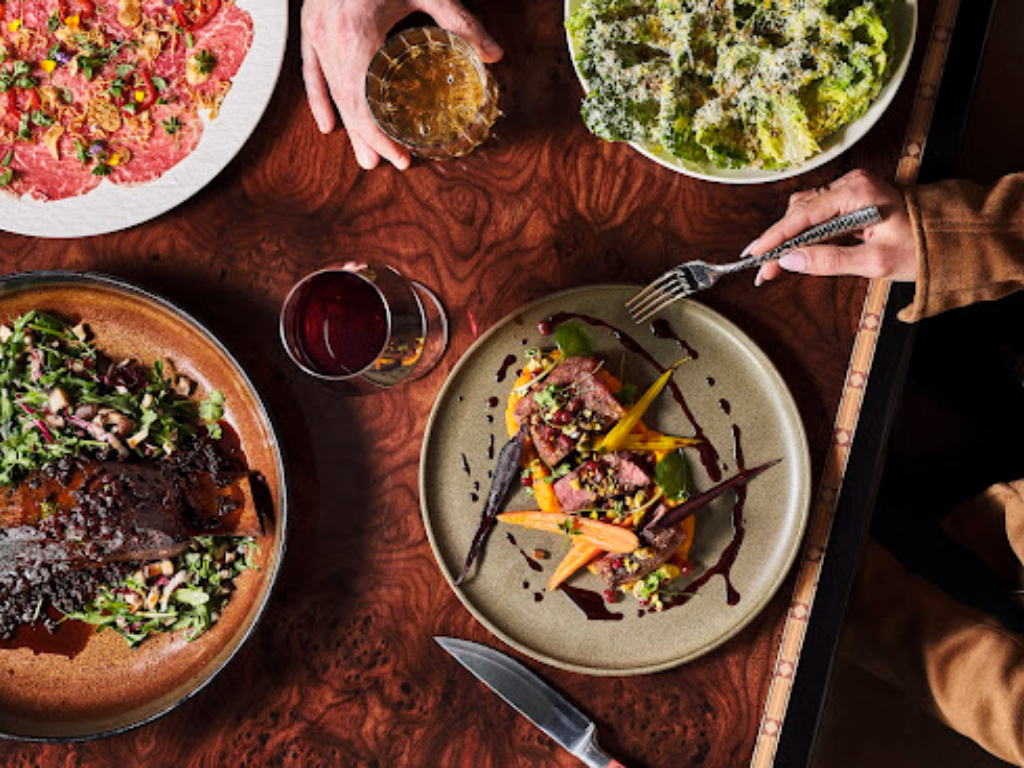
Nearly 80% of travellers now choose destinations based on what they’ll eat, planning their trips from the plate up.
For decades, travel decisions were shaped by scenery, price, and proximity. But according to the latest TravelBoom 2026 Leisure Travel Study, another factor now sits firmly alongside those fundamentals: food. Nearly 80% of travellers say cuisine is either important or very important when choosing a destination — placing it on par with cost, location, and reviews. In practical terms, that means what you eat is no longer a bonus. It’s a deciding factor.
What Today’s Travellers Actually Want to Eat
The data reveals a shift that goes beyond rising interest — it’s a redefinition of what culinary travel looks like.
- 66% of travellers say they’re most excited by street food
64% prefer unique, local experiences over fine dining or Michelin-starred restaurants
This isn’t about prestige dining. It’s about proximity to culture. Travellers are seeking out neighbourhood spots, market stalls, and regional specialties — the kinds of meals that feel rooted in place. The appeal lies in discovery: eating what locals eat, understanding how dishes are made, and experiencing food as a form of storytelling.
Beyond the Restaurant Reservation
The study also highlights how culinary experiences are shaping entire itineraries.
Travellers aren’t just booking tables — they’re building trips around food-led activities:
– Guided market and street food tours
– Cooking classes with local chefs
– Farm-to-table meals on-site
– Winery, brewery, and distillery visits
– Regional food festivals and heritage dining experiences
These moments offer something traditional sightseeing often can’t: participation. Food becomes an entry point into culture — tactile, social, and deeply memorable.
A Trend That Cuts Across Generations
One of the most compelling findings is how universal this shift is.
Culinary tourism resonates across demographics — from Boomers seeking deeper cultural immersion, to families looking for shared, sensory experiences, to solo travellers prioritizing meaning over checklist travel.
Regardless of age or travel style, food is emerging as the common denominator. And because meals are inherently shareable — both socially and digitally — they extend the life of a trip long after it ends.
What This Means for Hotels and Destinations
For hotels and tourism boards, the takeaway is clear: food is no longer an amenity. It’s a strategic asset.
Properties that succeed in this landscape are those that treat culinary experiences as core to their identity. That can mean partnering with local chefs and producers, designing food-focused packages, or creating on-property programming that invites guests into the process — from tastings to hands-on workshops.
Equally important is how these experiences are presented. Travellers aren’t just looking for places to stay — they’re looking for stories to taste. The more vividly those stories are told, the more compelling the destination becomes.