Author: Renee Morrison

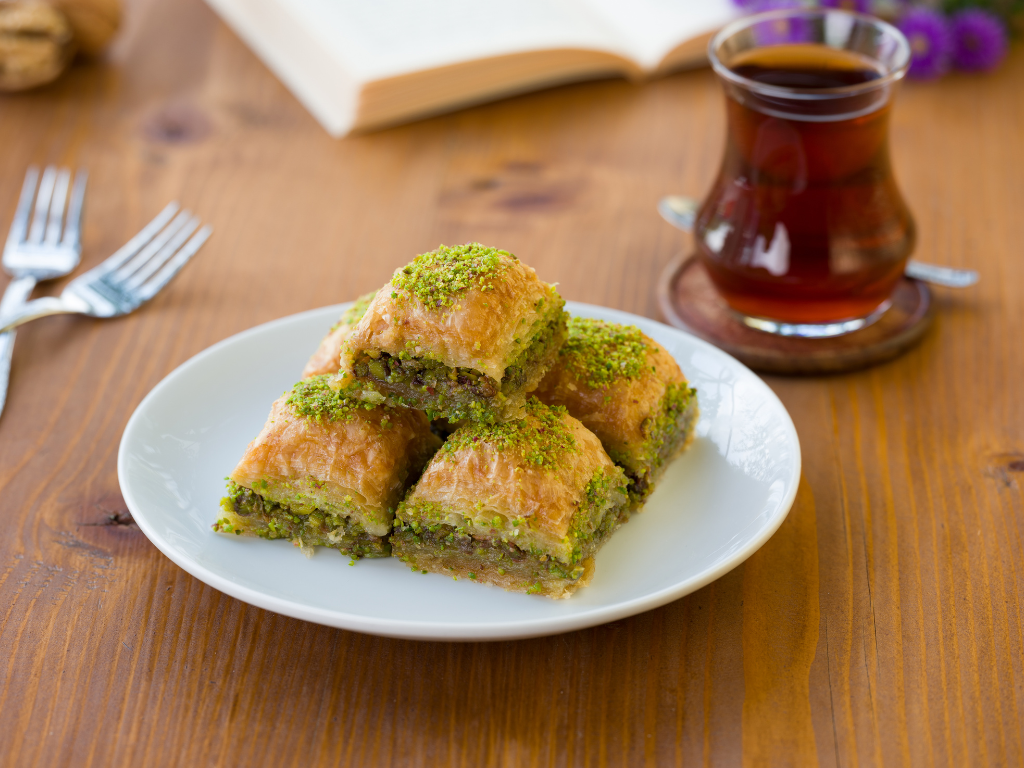
Turkish baklava recipe

Try this Classic Baklava Recipe for a Taste of Türkiye

Layered, flaky and syrup-soaked: explore the heritage of Türkiye’s beloved pastry with this recipe.

Few desserts capture a sense of place the way baklava does. In Türkiye, this golden, flaky pastry is more than something sweet to finish a meal — it’s a symbol of craftsmanship, celebration and centuries of culinary heritage. Across the country, baklava is offered to guests as a gesture of hospitality, shared during family gatherings, enjoyed with strong tea or Turkish coffee and lovingly passed from one generation to the next.

While baklava’s exact origins are layered in history, one enduring version traces back to the kitchens of the Ottoman Empire, where master bakers perfected the technique of rolling dough so thin it becomes almost translucent. Today, this cherished dessert is protected as part of Türkiye’s Intangible Cultural Heritage by UNESCO, underscoring its cultural significance and meticulous preparation.

There are countless regional variations: havuc dilimi (carrot-slice baklava), midye baklava (mussel-shaped baklava), bülbül yuvası (nightingale’s nest), and many more. Some are made with walnuts, others with pistachios, and some enriched with cream or shaped into coils and swirls. But one thing remains constant: great baklava is the product of patience, precision and a generous pour of warm syrup to bring the layers to life.

The recipe below comes courtesy of the Turkish Tourism Board, adapted from the southeastern province of Gaziantep, a culinary capital known for producing some of Türkiye’s most exquisite baklava. 

Authentic Turkish Baklava (Gaziantep Style)

Serves: 10

Ingredients

Syrup

  • 600 g sugar

  • 500 ml water

  • 10 ml lemon juice

Dough

  • 500 g all-purpose flour

  • 2 eggs

  • 80 ml water

  • 15 ml olive oil

  • 10 ml lemon juice

  • 1–4 tsp salt

  • 80 g starch (for rolling)

  • 220 g Antep pistachios or walnuts, coarsely crushed

  • 500 g butter or clarified butter (ghee)

Method

  1. Prepare the syrup:
    Mix sugar and water in a small saucepan and heat gently until dissolved. Increase heat and boil for 5 minutes. Add lemon juice and boil for another minute. Remove from heat and set aside. 

  2. Make the dough:
    Sift the flour into a large mixing bowl. Make a well in the centre and add the eggs, water, olive oil, lemon juice and salt. Knead until you have a firm dough. Divide into 20 equal pieces, shape into balls and dust with starch. Cover with a cloth so they don’t dry out.

  3. Roll the dough:
    Roll each ball into a thin sheet, sprinkling starch often to keep it from sticking. Continue rolling until the sheets become paper-thin. 

  4. Start building the layers:
    Stack the first 10 sheets of dough one by one in a greased baking tray (38–40 cm round). Brush each layer generously with melted butter. Trim any dough hanging over the edges. 

  5. Add the filling:
    Evenly distribute the crushed pistachios or walnuts over the 10 buttered layers. Cut off any excess dough around the pan. 

  6. Finish layering:
    Add the remaining 10 sheets of dough, brushing butter between each layer. With a sharp knife, cut the baklava into diamond or square pieces. 

  7. Bake:
    Melt the butter and pour it evenly over the baklava. Place in a preheated 400°F oven and bake for 40–45 minutes, or until golden.

  8. Syrup and serve:
    Remove from the oven and immediately pour the cooled syrup over the hot baklava. Allow it to soak slowly. Let cool before serving.
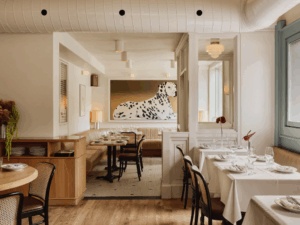
Mystic Halifax

Air Canada Announces its Best New Restaurants for 2025

The airline has officially revealed its 2025 Best New Restaurants Top 10 list, highlighting the country’s most memorable new dining experiences.

Restaurant Le Violon Montreal
Le Violon (photo: Alex Lesage)
Maven Toronto
Maven (photo: Johnny C.Y. Lam)

Air Canada has just released its Top 10 Best New Restaurants for 2025, offering a snapshot of the openings that made an impression across the country this past year. If you’re curious about where Canadian dining is heading — or looking for ideas for your next food-focused trip — this list gives a clear sense of the restaurants worth having on your radar right now.

From intimate omakase counters to coastal tasting menus and modern neighbourhood rooms, the Top 10 reflects a range of perspectives and regional stories. Here’s a look at this year’s selections.

Canada’s Best New Restaurants: Top 10 for 2025

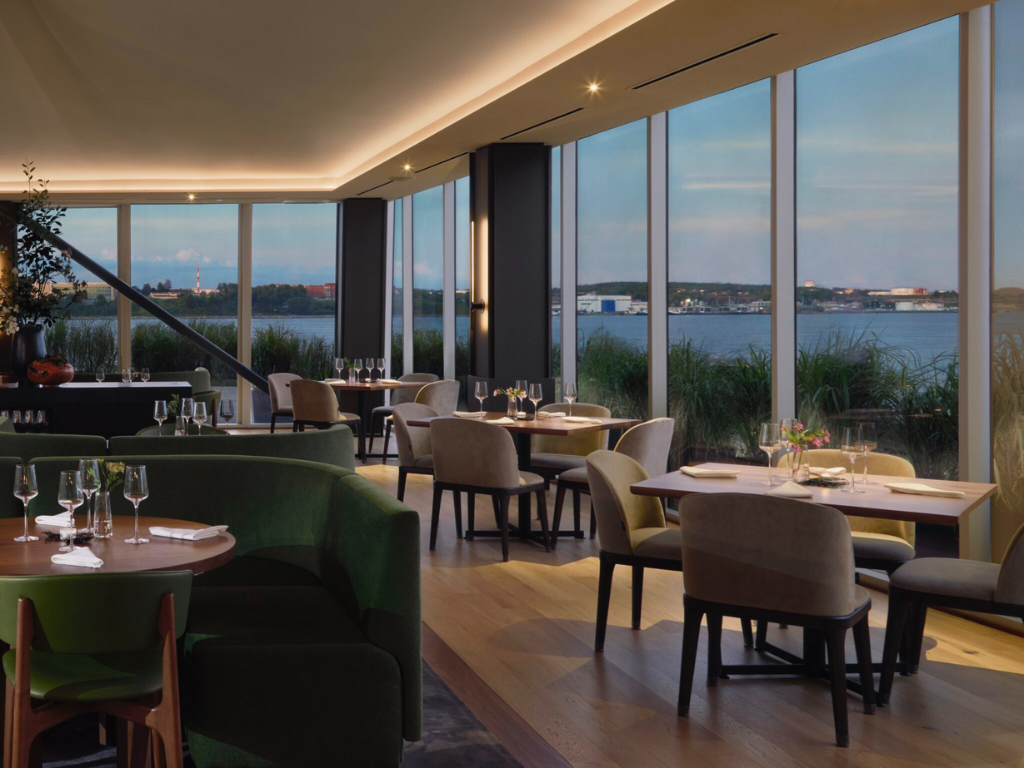
1. Mystic — Halifax, NS
A maritime tasting-menu restaurant anchored in East Coast ingredients and coastal flavours.

2. Le Violon — Montréal, QC
A refined, seasonal dining room informed by French technique and Québec’s culinary traditions (and yes — the one where Justin Trudeau and Katy Perry were famously spotted at dinner).

3. aKin — Toronto, ON
A globally influenced restaurant reflecting the city’s multicultural food culture.

4. Sushi Hyun Omakase — Vancouver, BC
An intimate omakase experience built around precision, craft and West Coast seafood.

5. Maven — Toronto, ON
Modern neighbourhood cooking inspired by Eastern-European and Jewish culinary roots.

6. Nero Tondo — Vancouver, BC
Contemporary Italian dining with a focus on handmade pastas and bold, expressive sauces.

7. Yan Dining Room — Toronto, ON
Chef Eva Chin’s set menu exploring neo-Chinese cooking through local, seasonal ingredients.

8. Sumibiyaki Arashi — Vancouver, BC
A small charcoal-grill restaurant serving seasonal fish and vegetables prepared over binchotan.

9. Pasta Pooks — Montréal, QC
Casual, youth-driven pasta with strong technique and creative flavour combinations.

10. Niwa — Vancouver, BC
A calm, nature-inspired dining room where Pacific Northwest ingredients meet Asian influences.

Martinique

Martinique’s Homegrown Flavours

From rainforest cacao to beachfront rum tastings, Martinique’s culinary identity is inseparable from the land that feeds it.

By Jessica Huras

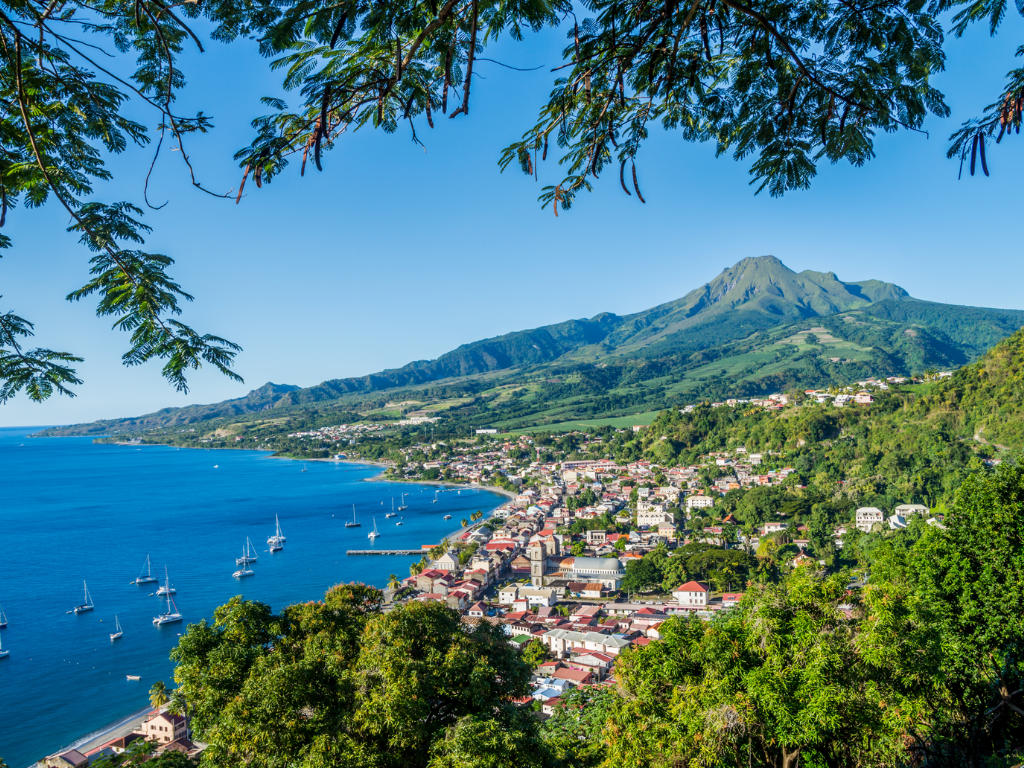
Miles from Martinique’s sandy beaches and sun-splashed coastlines, I find myself deep in the island’s northern rainforest, following a path tangled with hibiscus, heliconia and wild cilantro at Habitation Céron.

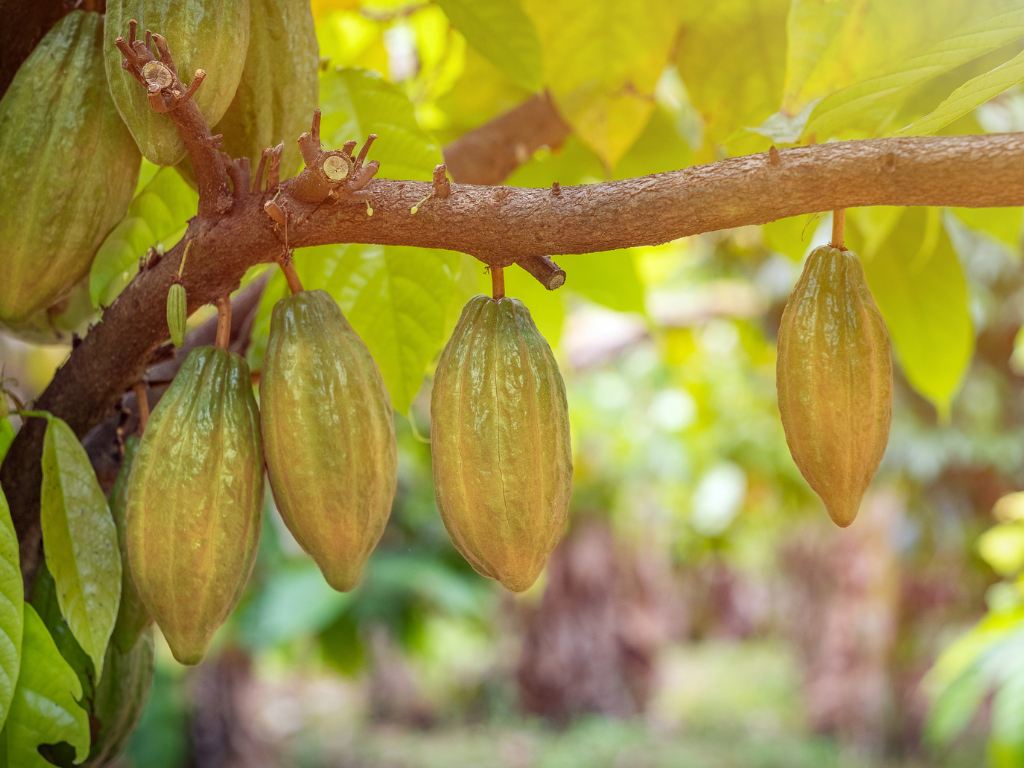
Founded in 1658 as a sugar plantation, the 75-hectare estate is now an eco-sanctuary, home to fruit trees, lush gardens and more than 2,000 cacao trees.

Here, chocolatier Julie Marraud des Grottes—whose family stewards the property—cracks open a golden-hued cacao pod and invites us to pluck out its seeds. Slick with pearly white pulp, each one tastes almost like mango, sweet and tart all at once.

Later, she passes around squares of her 70 per cent single-origin chocolate. Marraud des Grottes’ approach to chocolate-making is designed to coax out the cacao’s wild, shifting character. Her bars are made with just two ingredients: cacao harvested on site and locally sourced sugarcane. The flavour shifts. One month it carries hints of banana, the next, notes of red fruit. “I only have one recipe for chocolate,” says Marraud des Grottes. “But the chocolate will taste different depending on when the cacao is harvested.”

It’s a reminder that in Martinique, sense of place isn’t just something you see—it’s something you taste. Across the island, chefs, producers and distillers treat the landscape as both pantry and muse. Their pride in homegrown ingredients is present in every bite, every pour and every decision to let the land’s character take the lead.

Distillerie Depaz
Distillerie Depaz
Cacao pods

The same cane that sweetens Marraud des Grottes’ chocolate also stars in Martinique’s signature spirit: rhum agricole. I see this up close later that day at Distillerie Depaz. Château Depaz—an early 20th-century manor built in the shadow of Mount Pelée—anchors rolling fields of blue cane. In the breezy dining room, we look out windows framing green hills while we taste through Depaz’s range.

Martinique’s rhum agricole is the only style of rum in the world with France’s coveted AOC designation, typically reserved for wine and cheese. Unlike most rums made from molasses, it starts with fresh-pressed sugarcane juice, a method that preserves the plant’s grassy, earthy brightness as a key note.

At Depaz, high elevation and volcanic soil shape the cane’s bold, distinctive profile. A 48-hour fermentation and old-school steam-powered mills keep the spirit rooted in tradition and place. Each glass is like a liquid map of where it’s made.

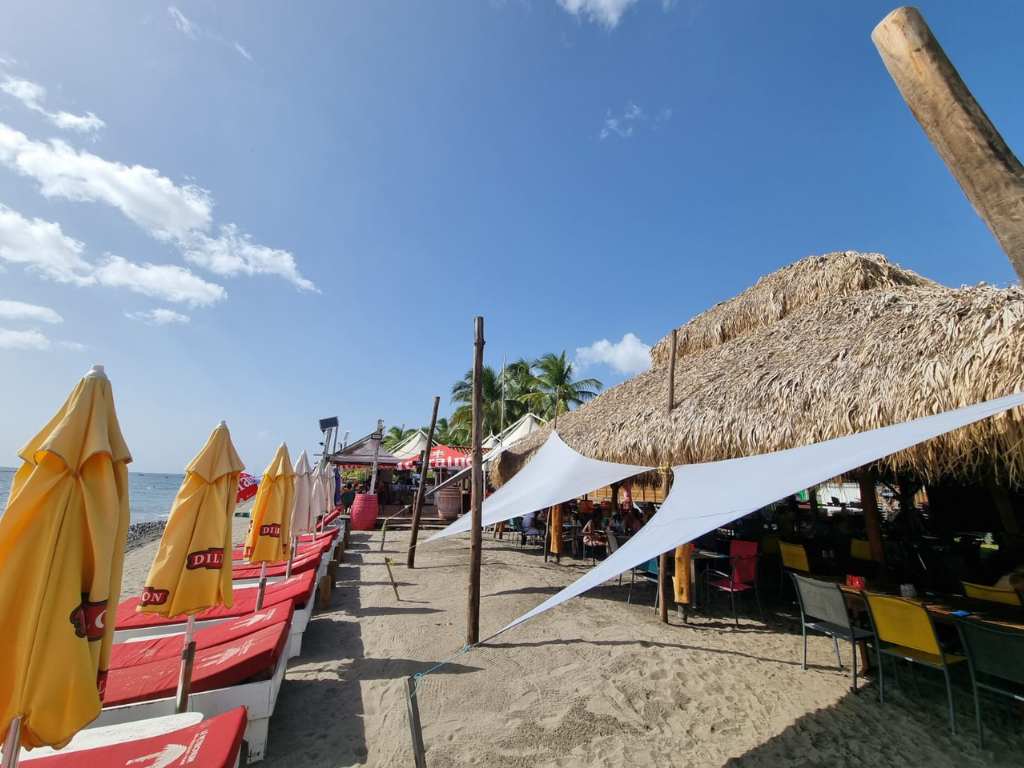
Le Petibonum Martinique
Le Petibonum
Fresh Seafood

On our final night in Martinique, the road leads us back to the sea—specifically to Le Petibonum, a beachfront restaurant that’s been championing local ingredients for decades. “My grandfather is a farmer here, so I’ve always understood the ingredients of Martinique,” says chef-owner Guy Ferdinand. “When visitors come here, they want to taste what grows on the island. That’s how they learn about our culture.”

Dinner unfolds under a thatched roof on La Plage du Coin, the sky deepening to indigo, our toes buried in the sand. Bottles from Martinique’s storied distilleries, Depaz among them, are laid out across a self-serve tasting table. “After drinking some rum, you’re open to discovering more flavours of Martinique,” Ferdinand says with a grin.

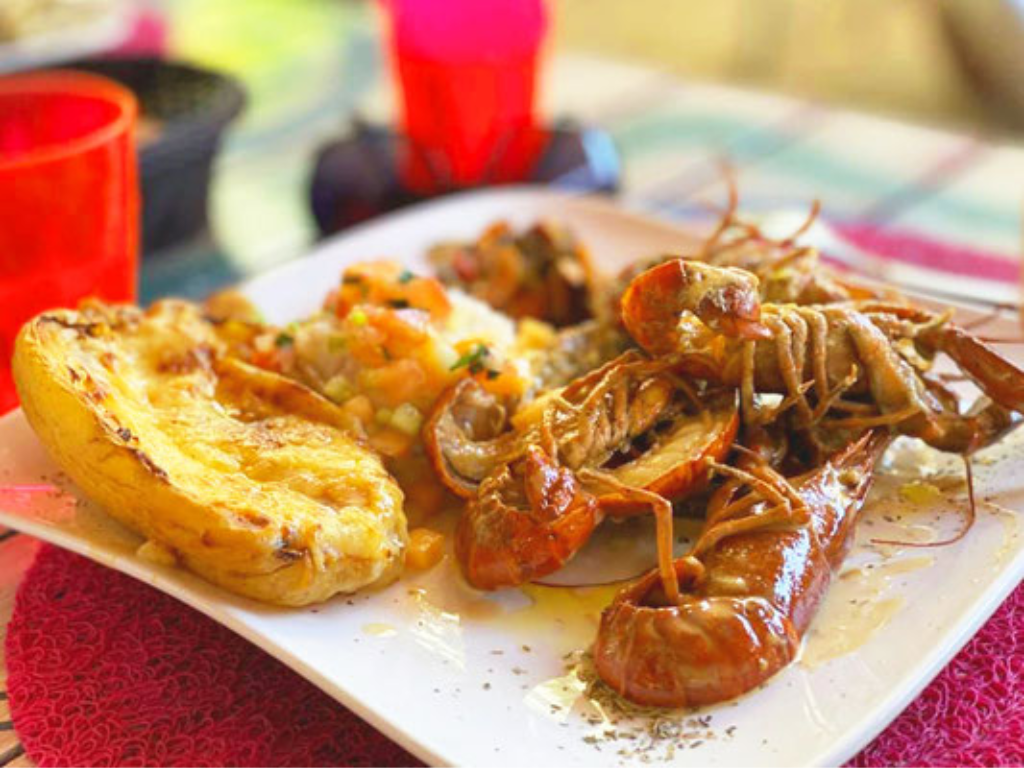
The fish—tuna, dorade, marlin—comes directly from fishermen who dock nearby. Fresh pineapple, in season during our visit, is sliced and served simply.

Between courses, Ferdinand tosses more bay rum branches onto the open grill, then lays fresh fillets over the heat as the smoke curls up around them.

If Martinique’s identity is rooted in what the land grows and gives, there may be no more vivid way to taste it than here: a meal where every element, from fragrant grill smoke to the rhum agricole in my glass, comes directly from the island itself. I leave with sand on my feet, rum on my tongue and Martinique’s flavours still lingering.

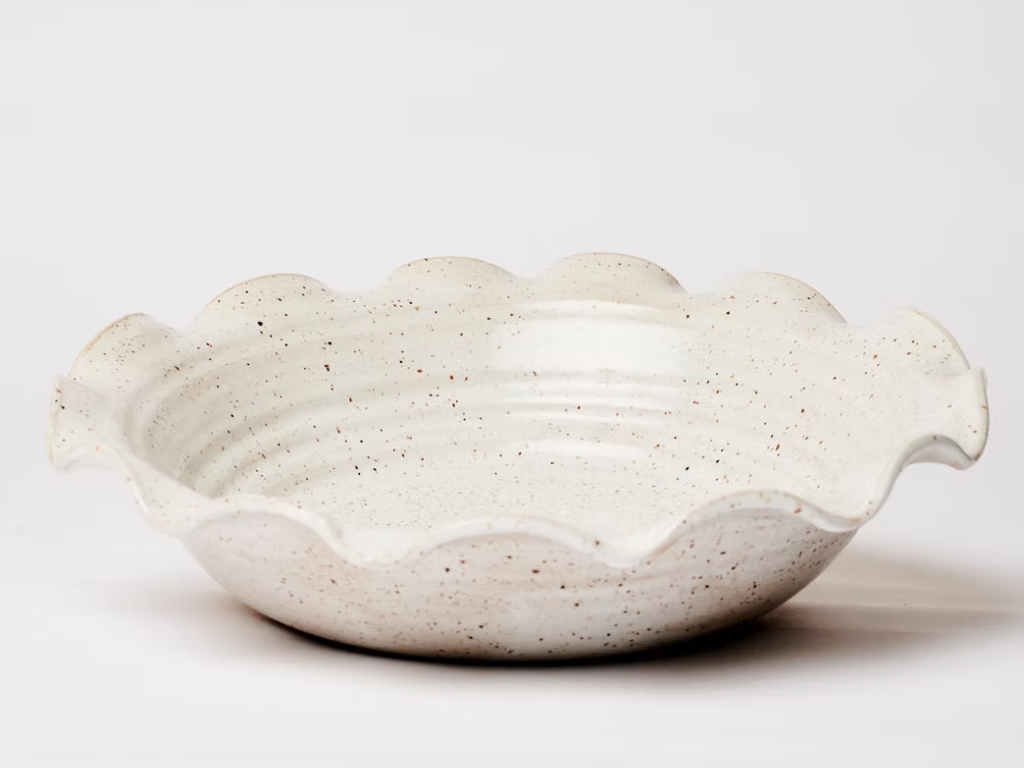
Ye11ow studio pie plate

Canadian-Made Finds for a Festive Table

Host in style with pieces that spark conversation and celebrate Canadian craftsmanship.

Dompierre Serving Bowl
Monokiini Hand Shaped Mugs

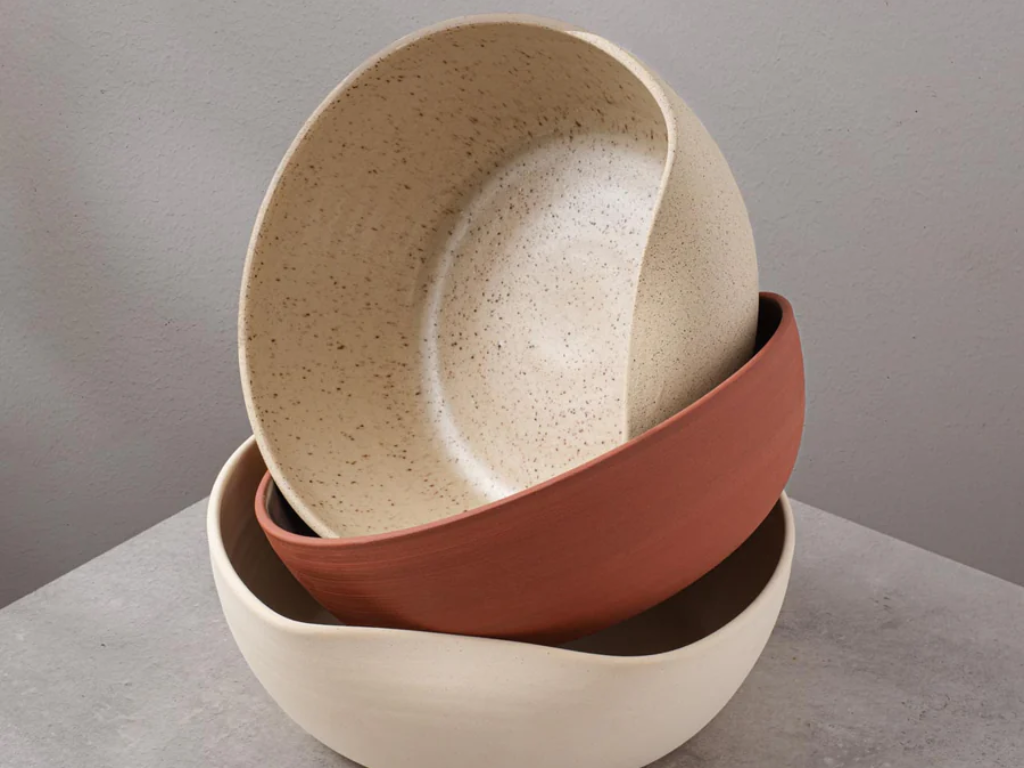
Dompierre Mineral Stoneware Salad Bowl — Montreal, Quebec
With its clean lines and earthy textures, this hand-thrown bowl by ceramicist Marie-Ève Dompierre adds both warmth and elegance to your holiday spread.
$120 

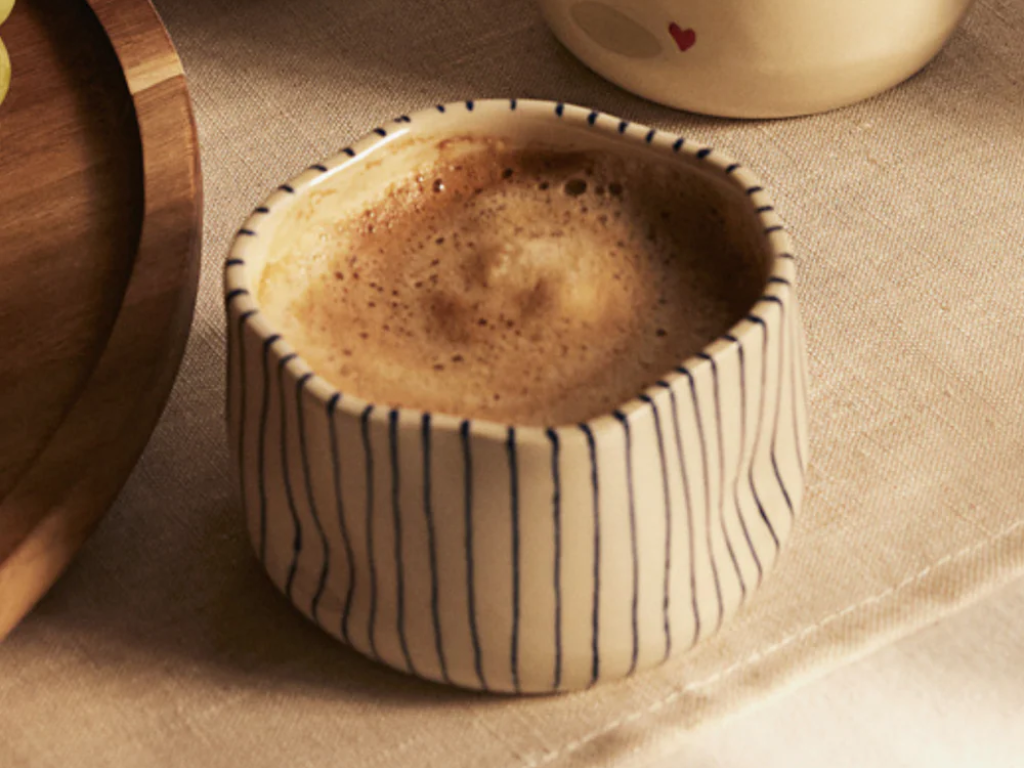
Monokiini Hand-Shaped Cappuccino Tumblers (Set of 2) — Montreal, Quebec
These playful tumblers, shaped like hands, are made for cradling warm drinks. They bring a cozy, design-forward touch to after-dinner coffee or hot chocolate.
$70

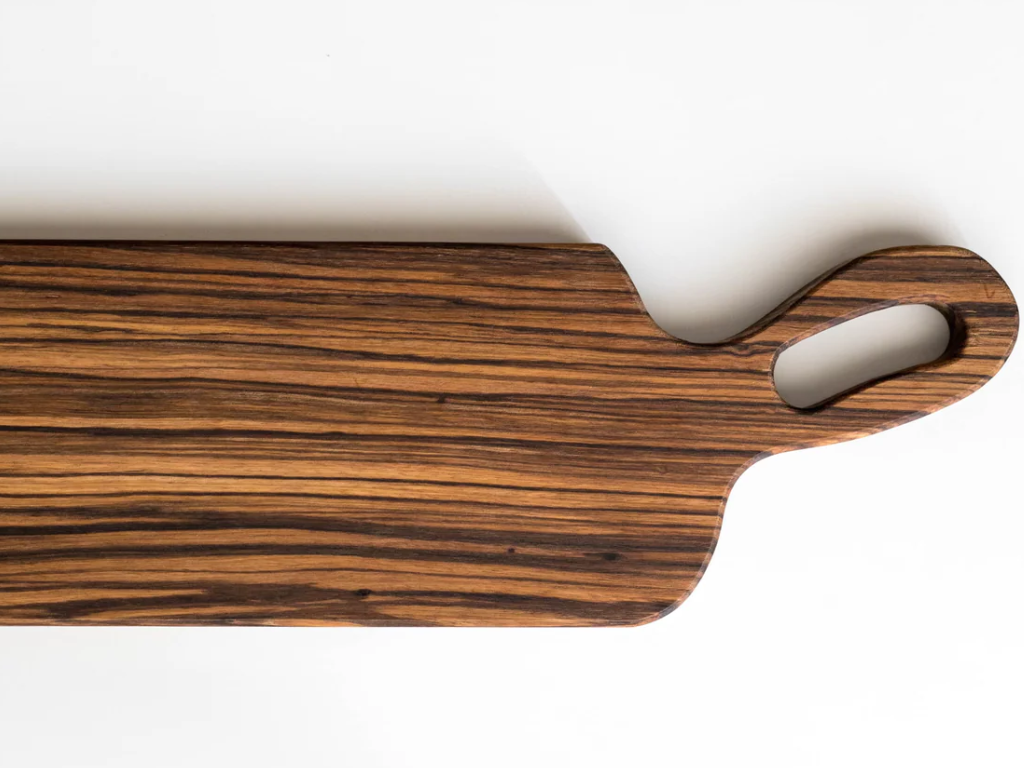
Kuypers Zebrawood Charcuterie Board
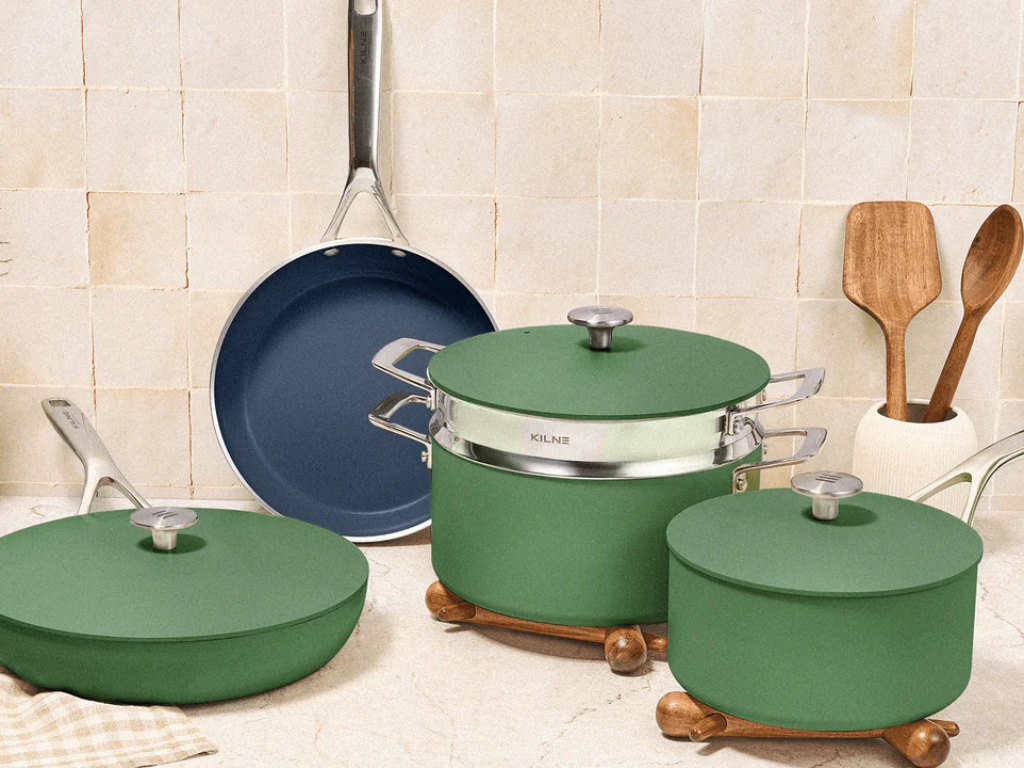
Kilne Cookware Set
Kilne Cookware Set

Kuypers Zebrawood Charcuterie Board — Victoria, British Columbia
Handmade from sustainably sourced wood on Vancouver Island, this board is a striking stage for appetizers. It also makes a timeless host gift that will be used long after the holidays.
$109

Kilne Cookware Set — Toronto, Ontario
Beautiful enough to serve at the table, this 10-piece set is designed in Toronto and made in Italy with a non-toxic, non-stick ceramic coating. Oven-safe and induction-ready, it’s built for everything from weeknight meals to holiday feasts.
$555

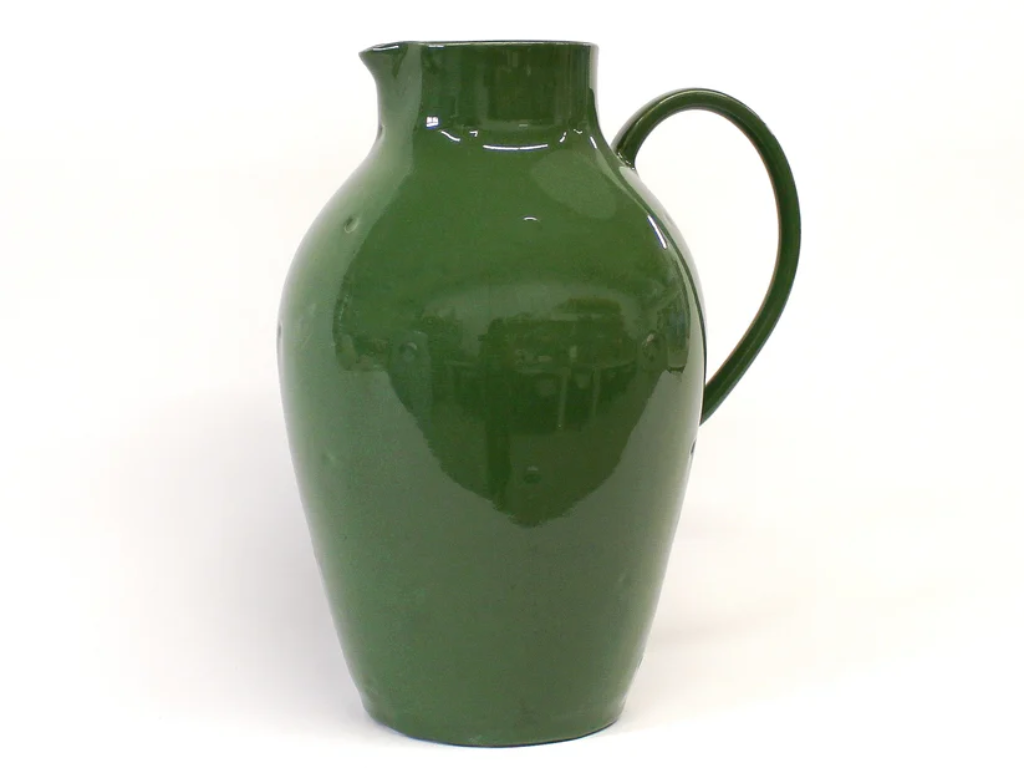
Mima Ceramics Green Pitcher
Mima Ceramics Pitcher
Ye11ow Studios Speckled Pie Plate

Mima Ceramics Bright Green Pitcher — Toronto, Ontario
Bold and joyful, this handmade ceramic pitcher brings personality and colour to any gathering. Functional and decorative in equal measure, it shines whether pouring water, cider, or festive punch.
$220 

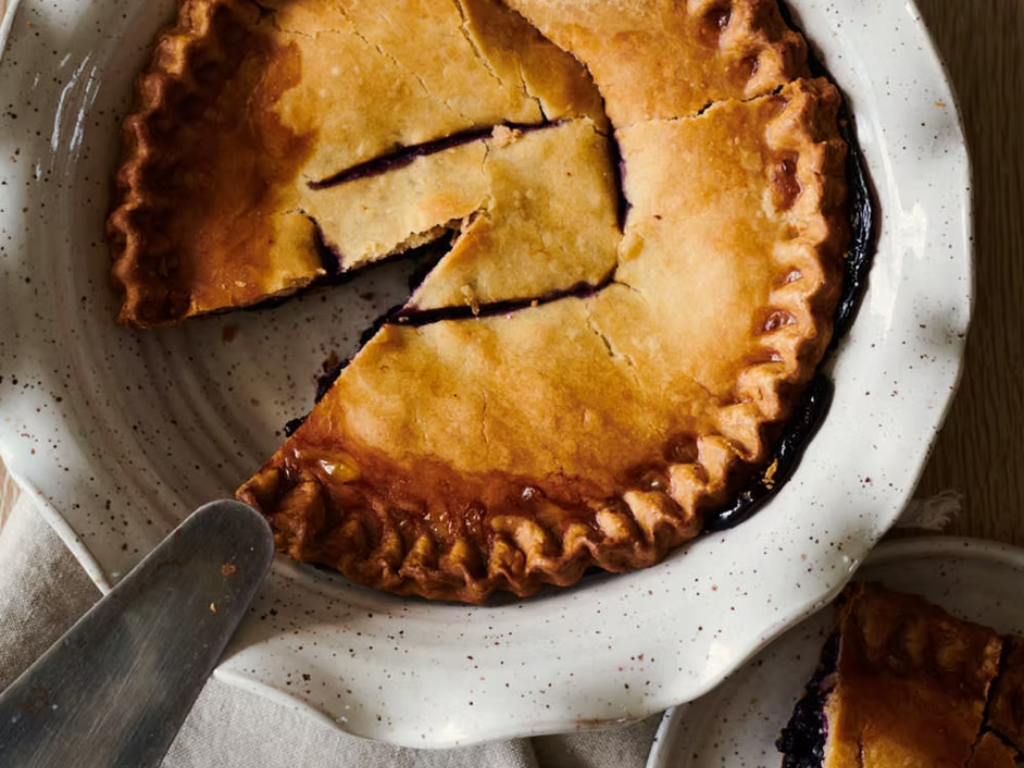
Ye11ow Studios Speckled Pie Plate — Picton, Ontario
Handmade in Prince Edward County, this pie plate features a speckled glaze and scalloped edge that make any dessert feel extra special. Playful in form but polished in finish, it’s sure to stand out when dessert is served.
$145

Three Spooky Cocktails to Shake up This Halloween

Try these sinister sips straight from the Black Lagoon pop-up.

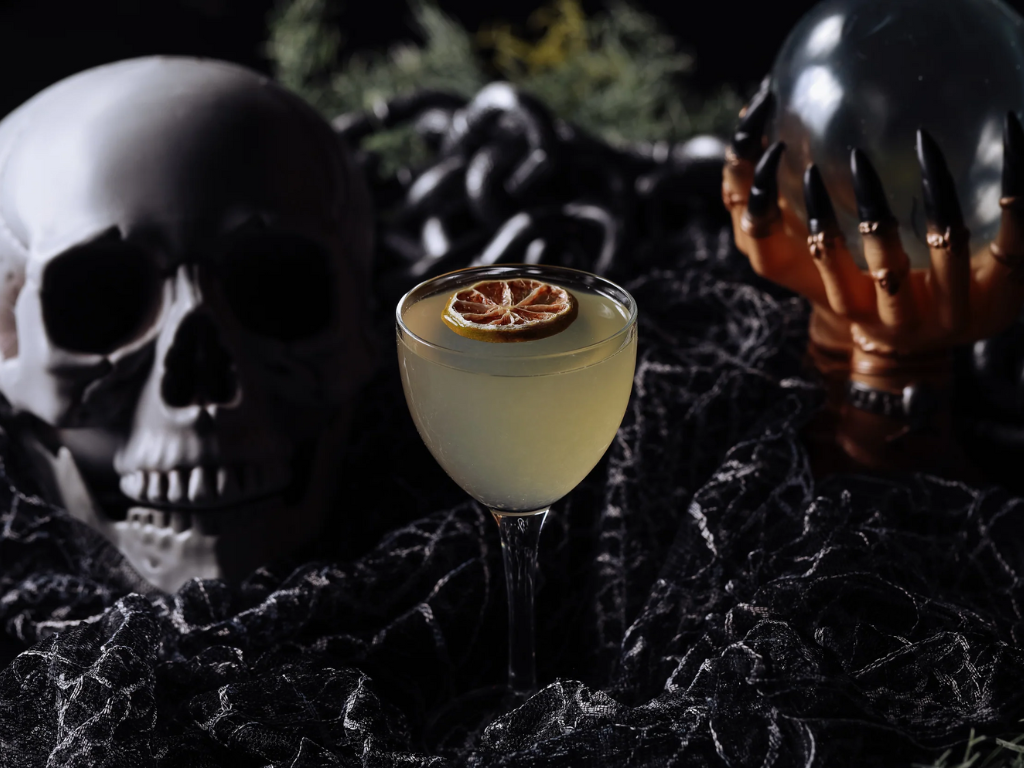
This Halloween season, the Black Lagoon Pop-Up is taking over bars across Canada — transforming them into gothic, candlelit lairs complete with eerie décor, haunting playlists, and theatrically dark cocktails. Running until October 31, the immersive event invites guests to toast the spooky season in style.

If you can’t make it to the bar before it vanishes back into the depths, recreate the magic at home with three of the Black Lagoon’s signature cocktails below. We’ve listed the ingredients — and linked to their how-to videos on social media so you can mix up your own Halloween spirits.

Creature’s Curse

A smoky-sweet elixir where rye, rum, and sherry conjure fall flavours.
 

Ingredients:

  • 1.5 oz Lot 40 Rye

  • 0.5 oz Kraken Gold Rum

  • 0.125 oz Lustau Amontillado Sherry

  • 0.25 oz sweet potato syrup

  • 1 dash Bitter Queens Figgy Bitters

Learn how to make it here.


Hellraiser

A devilishly smooth mix of tequila, spiced rum, banana, and oat orgeat — tropical heat with a hint of mischief.
 

Ingredients:

  • 1.5 oz blanco tequila

  • 0.5 oz spiced rum

  • 0.25 oz triple sec

  • 0.25 oz Amontillado sherry

  • 0.25 oz Giffard Banane

  • 0.75 oz spiced oat orgeat

  • 0.75 oz lime juice

  • 2 dashes aromatic bitters

Learn how to make it here.


Nocturna Colada

A sultry, after-dark riff on the classic colada — where coffee, coconut, and passionfruit meet in moonlit harmony.
 

Ingredients:

  • 1.5 oz Kraken Black Rum

  • 0.5 oz Kraken Gold Rum

  • 0.5 oz Mr Black Coffee Liqueur

  • 0.75 oz passionfruit

  • 0.75 oz coconut

  • 1 oz pineapple juice

  • 1 dash Bitter Queens Coffee Cardamom Bitters

Learn how to make it here.

Holland America Line Unveils Caribbean-Inspired Menus and Cocktails

New island-themed dishes and drinks debut across the cruise fleet this winter.

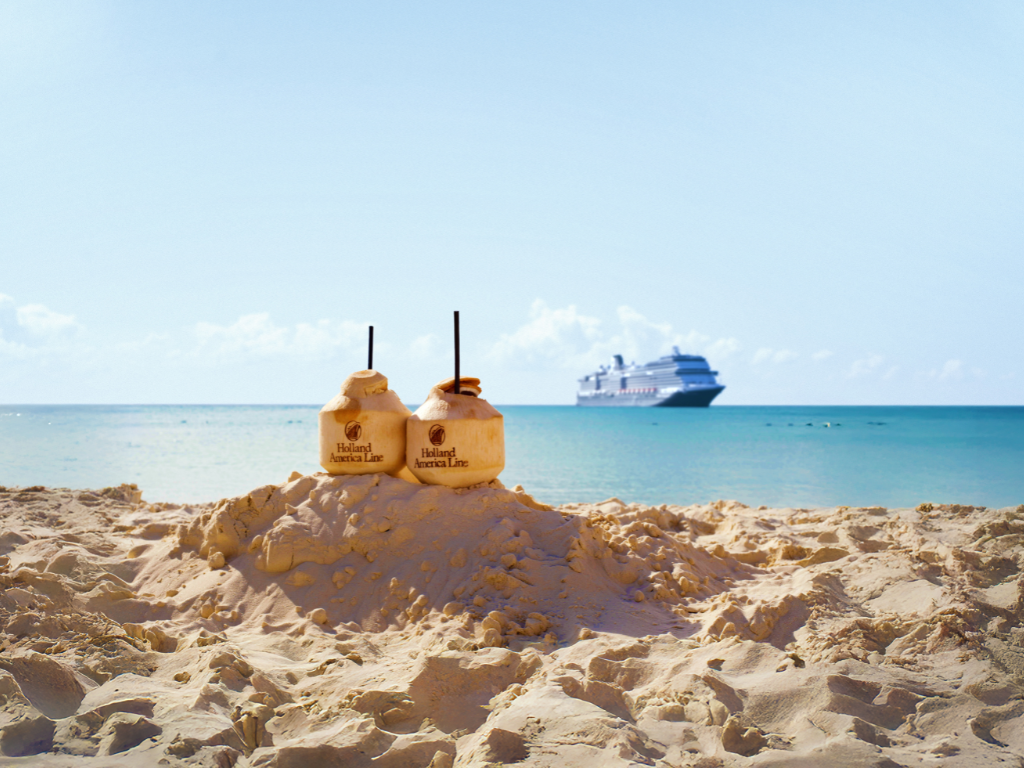
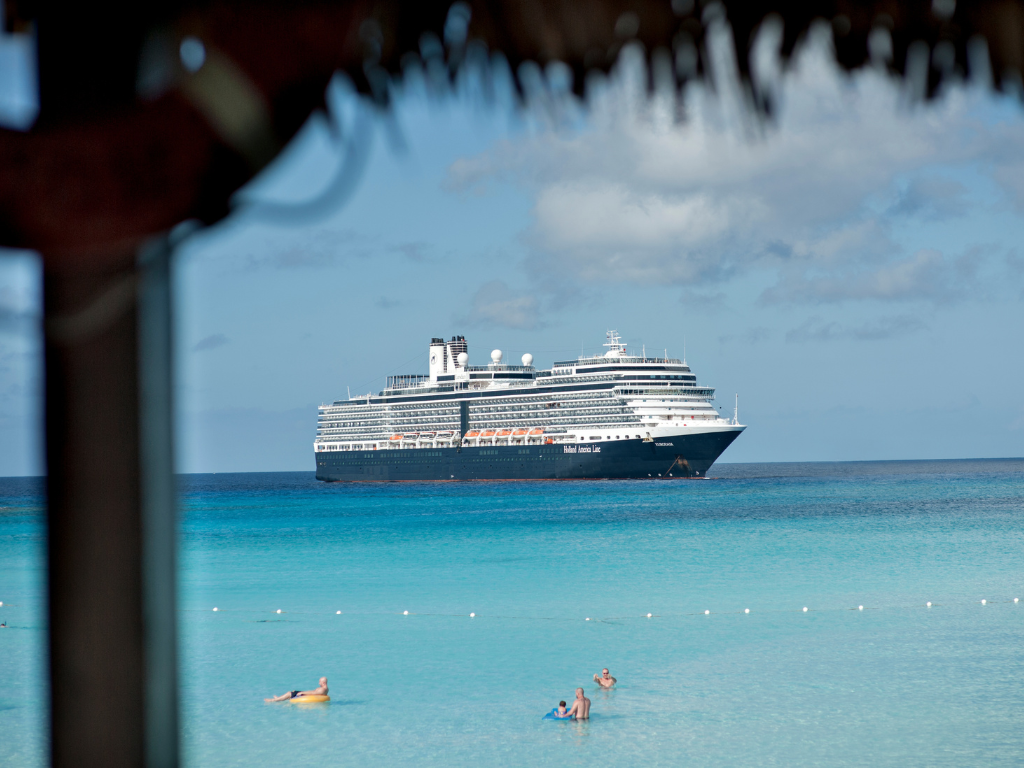
This winter, Holland America Line is transforming its Caribbean sailings into full-fledged culinary journeys. From October 2025 through April 2026, six ships will feature new regionally inspired menus and cocktails celebrating the vibrant flavours of the Caribbean — all crafted with the cruise line’s hallmark focus on fine dining at sea.

Guests can expect fresh, locally sourced ingredients and authentic island flavours through port-to-plate dishes, themed cocktails, and special dining experiences, many created by Holland America’s renowned Culinary Ambassadors — chefs David Burke, Masaharu Morimoto, Ethan Stowell, and Jacques Torres.

Menu highlights include:

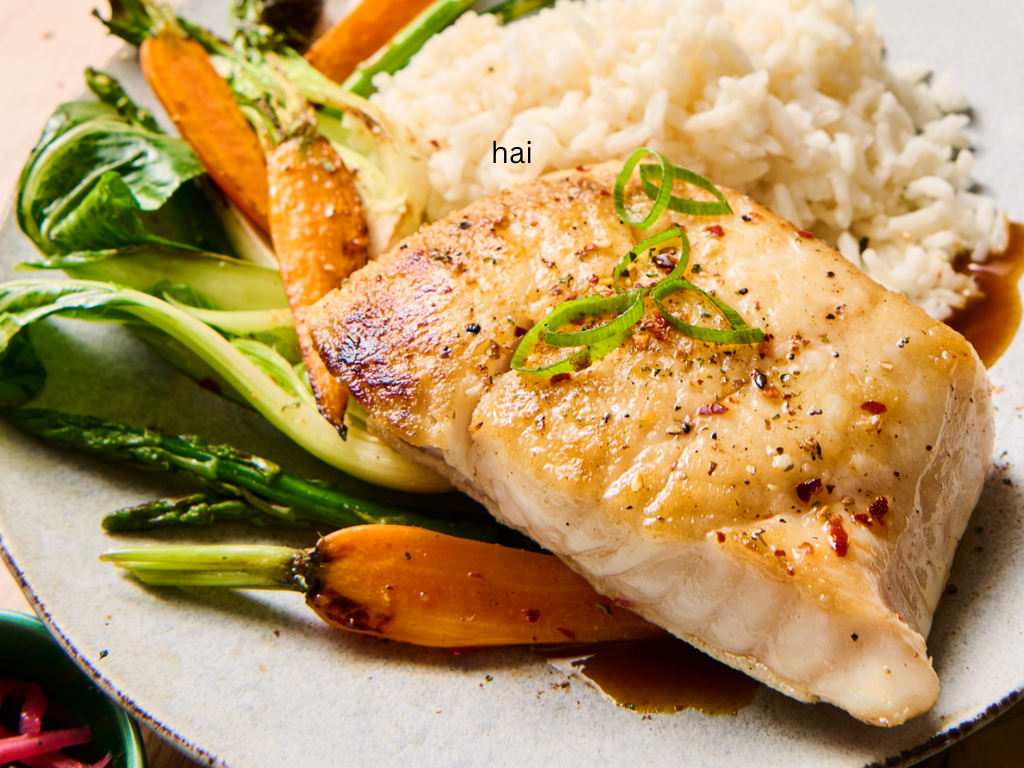
  • Chef Masaharu Morimoto’s trio of island-inspired dishes: Crispy Fried Market Whole Fish, Yuzu Butter Grilled Lobster Tails, and Fresh Catch Grouper with Braised Baby Bok Choy.

  • Chef David Burke’s 15-ounce Boneless Rib Eye and Chef Ethan Stowell’s Spaghetti with Confit Lobster.

  • Chef Jacques Torres’s signature Chocolate-Dipped Cheesecake.

  • New Caribbean Seafood Boil in Lido Market (for a $35 supplement) featuring local shellfish, lobster, and rum cake for dessert.

  • Poolside dinners spotlighting regional favourites paired with tropical cocktails crafted from island spirits like rum, ginger, pineapple and chili.

Beyond the plate, the line is also adding new shore-excursion cooking classes, rum-pairing workshops, and guided tastings, giving guests a hands-on connection to Caribbean culinary traditions.

“Every bite and sip is designed to transport guests to the heart of the Caribbean,” says Michael Stendebach, Holland America Line’s vice-president of food, beverage and rooms. “Beyond the plate, we aim to create moments that celebrate the region’s lively culture and make each journey unforgettable.”

The expanded menus and experiences are part of Holland America Line’s ongoing commitment to showcasing local ingredients and authentic regional cuisine on board and ashore.

Condé Nast Traveller Has Named the Best Food Destinations in the World

From Bangkok’s street markets to Rome’s trattorias, these culinary capitals are worth travelling for.

The 2025 Readers’ Choice Awards from Condé Nast Traveller have revealed the world’s most delicious destinations — ranked by thousands of travellers who know their way around a plate. If you’re looking for your next food-focused destination, take notes.

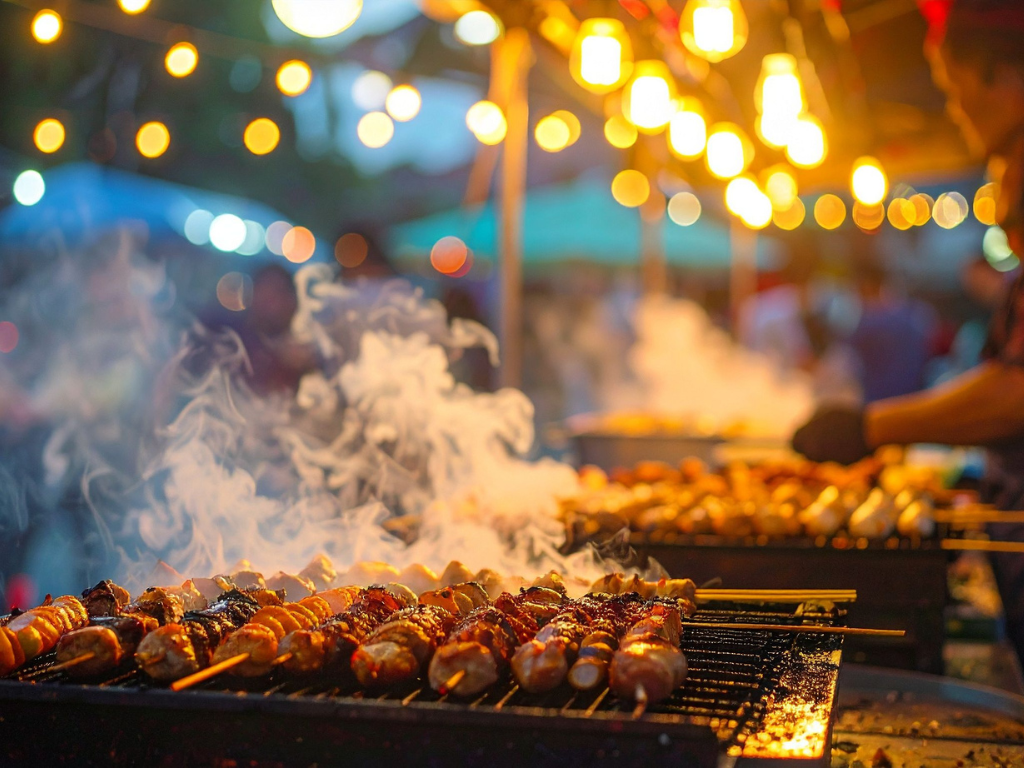
At the very top? Thailand, with a score of 98.33%. Spicy-sweet, beautifully balanced, endlessly inventive — from Bangkok’s night markets to the north’s regional specialities, Thailand delivers on every taste front.

Vietnam
Italy

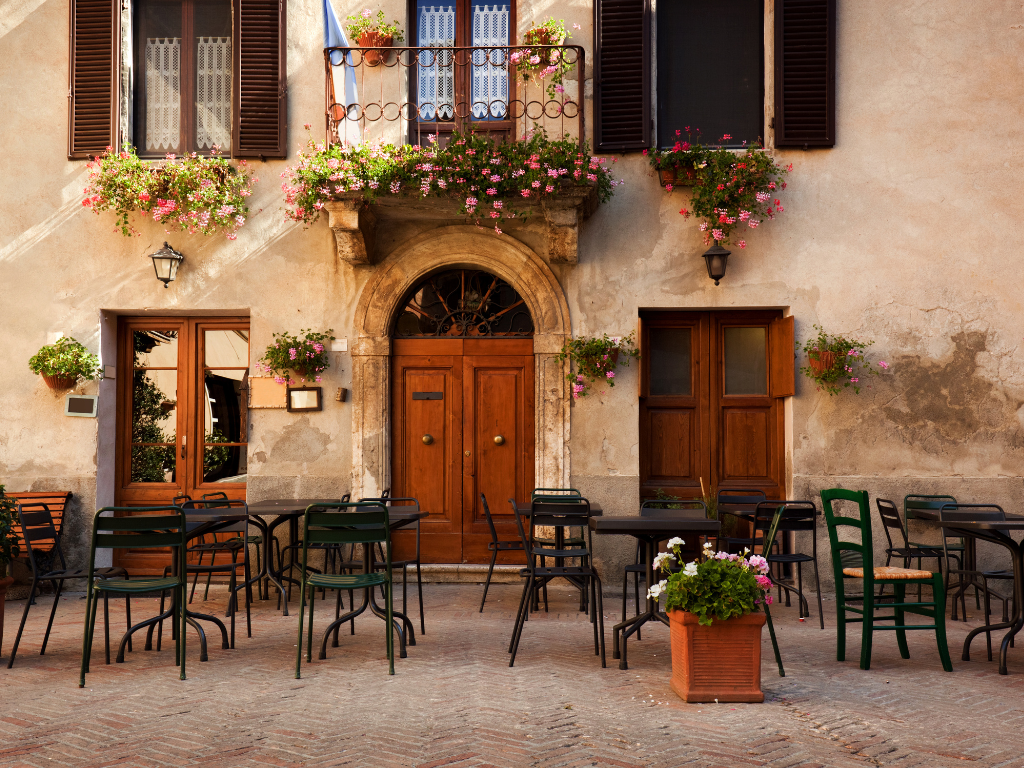
Close behind: Italy (96.92%) and Japan (96.77%), both long-time favourites but each still redefining what a “food destination” can mean.

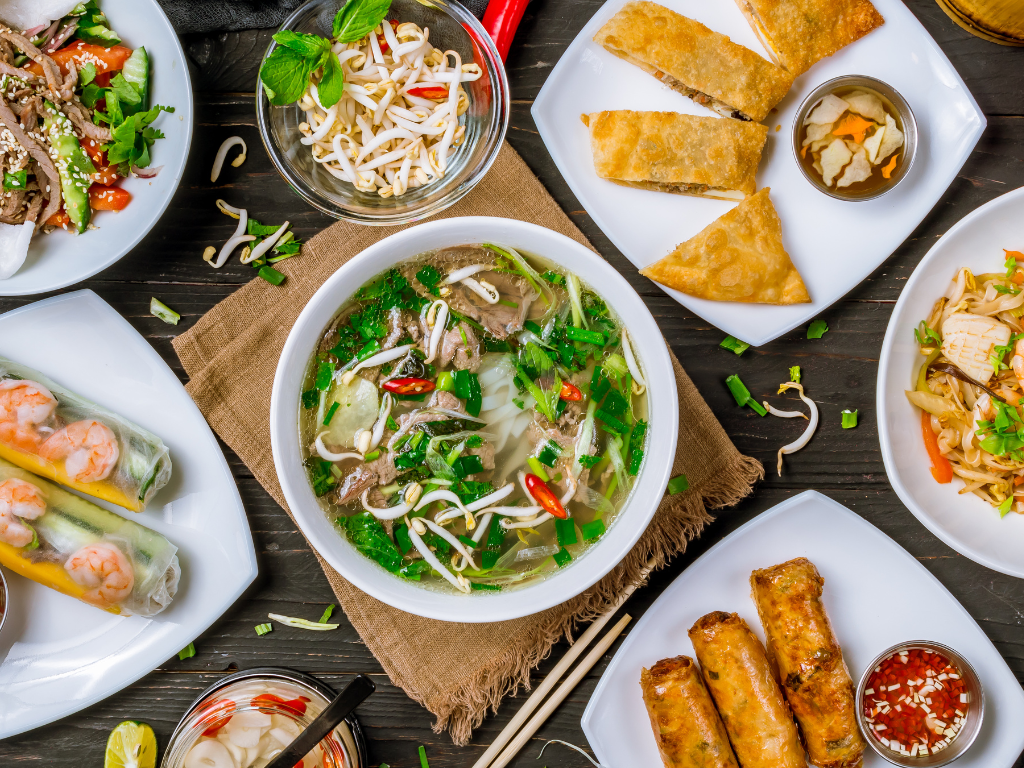
Further down the list, you’ll find places like Vietnam (96.67%) and Spain (95.91%), where fresh ingredients, street-food culture and serious chefs create distinctive culinary identities.

Whether you’re craving noodle bowls under neon lights or rustic farmhouse fare in Italy’s countryside, these countries prove that food is as much destination as scenery.

See the full “Best Countries for Food in the World 2025” list.

Japan’s Most Polarizing Superfood

By Matthew Owens

With its sticky texture and bold aroma, nattō can be an acquired taste—but for millions in Japan, it’s a superfood tied to health, culture and home.

Nattō (pronounced nah-tow) may be an unusual-looking word—and if you’ve never heard of it, you’re not alone. Unlike its more illustrious culinary cousins (think tempura, ramen and sushi), nattō hasn’t yet crossed the Pacific into the everyday lexicon of Japanese food abroad.

Its obscurity stems from its most infamous properties: a pungent odour and slimy, mucous-like texture. But don’t let that put you off. Beneath the shock factor lies a complex, fermented powerhouse of flavour that many believe could become the next “it” superfood.

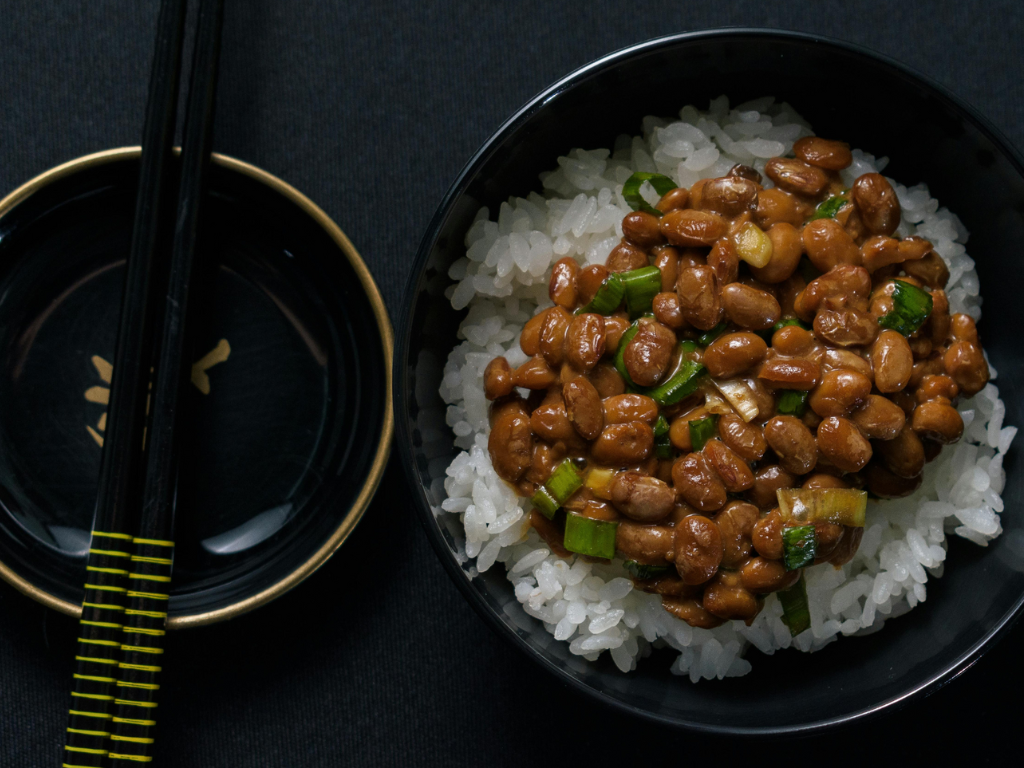
So, what exactly is nattō? Traditionally, soybeans are boiled, wrapped in straw and left to ferment with naturally occurring bacteria. Within days, the beans appear largely unchanged, but a pale, mould-like film clings to them. Stirred with chopsticks, this film stretches into sticky threads that bind the beans together, creating nattō’s signature stringy texture. The process also releases a distinctly earthy, blue cheese–like aroma.

For many, that first impression is where it ends. Yet, much like strong cheeses or kimchi, nattō’s taste belies its appearance. The flavour is subtle yet rich, with an earthy tang and an intensely savoury aftertaste—especially when mixed with the traditional condiments of sweet soy sauce and mustard.

Beloved in Japan, nattō is prized as a high-protein food (over 15 per cent) packed with gut-friendly bacteria and vitamins. It’s also remarkably affordable: a 45-gram tub can cost as little as 30 cents and is available fresh across the country. “If I only eat rice at breakfast, I won’t feel full. I think it’s because of how much protein there is,” says Yuka Megumi, a 29-year-old nursery school teacher. “I eat it every day, and if I don’t have it for breakfast, I’ll have it as a side with dinner.” She adds that variety is part of the appeal: “We always have three kinds in the fridge—chopped for my dad, soft for me and standard for my sister. There’s something for everyone.”

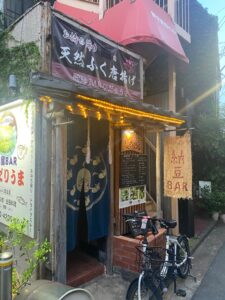
Hidariuma Tokyo (photo by Matthew Owens)

While mass-produced nattō remains the norm, some chefs are elevating it to new heights. At Hidariuma, a five-seat bar in Tokyo, owner Shōjirō Murakami serves a nattō-themed set menu in a rustic space decorated with homemade straw ornaments. Fascinated by fermentation, Murakami took a course on natural straw-fermented nattō and now produces his own on site, teaching the process to others along the way.

“I’m one of only a few restaurants that still use organic rice straw for my nattō,” he explains with pride. “If it’s touching something people will eat, I don’t want any chemicals.” His creations include whipping nattō into a paste for a hummus-like dip served with roast potatoes, stirring it into a thick sauce for mackerel and even blending it into a surprisingly refreshing smoothie.

“If I wanted to make a lot of money, I’d go back to polka,” Murakami jokes, flashing a toothy grin. But for him, the joy is in innovation, not profit.

For devotees, nattō is more than a curiosity. It’s a nutritional staple, rich in culture and character. And while its bold flavour and texture may challenge the uninitiated, it remains one of Japan’s most enduring—and intriguing—superfoods.

Star Chefs Set Sail on Oceania’s Allura

Six Food & Wine Best New Chefs christen Oceania’s newest ship, bringing serious culinary prestige to the high seas.

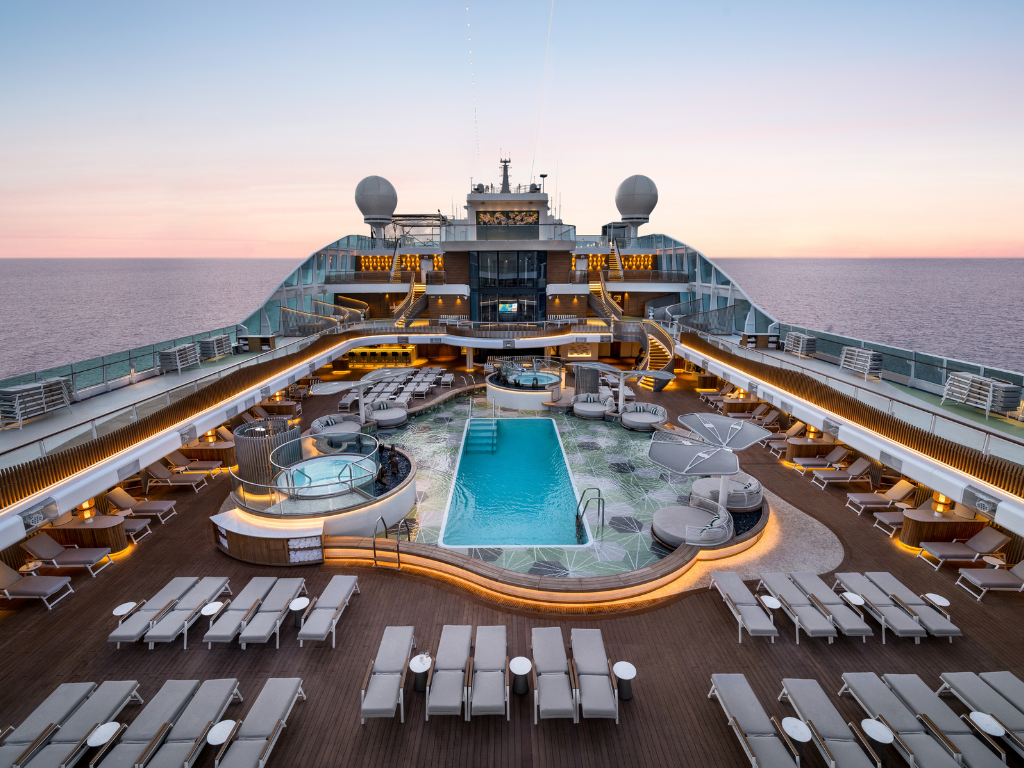
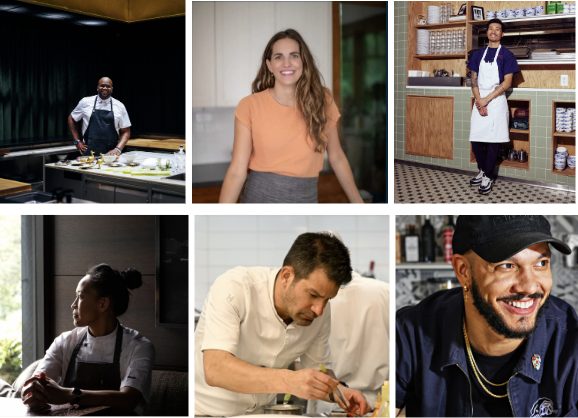
When Oceania Cruises says it’s a food-forward cruise line, they mean it. The brand’s newest ship, Oceania Allura, is setting sail in July 2025 — and will be officially christened this November in Miami by none other than six acclaimed Food & Wine Best New Chefs alumni: Tavel Bristol-Joseph, Katie Button, Calvin Eng, Aisha Ibrahim, George Mendes, and Lawrence “LT” Smith.

Each of these chefs brings a distinctive perspective to the table — from Austin’s Caribbean-inflected sweets to Lisbon’s refined seafood traditions — representing the global, exploratory spirit that defines Oceania’s culinary identity. It’s the first time Food & Wine’s celebrated “Best New Chefs” title has ever been tied to a cruise ship, underscoring how far Oceania has gone to elevate dining at sea.

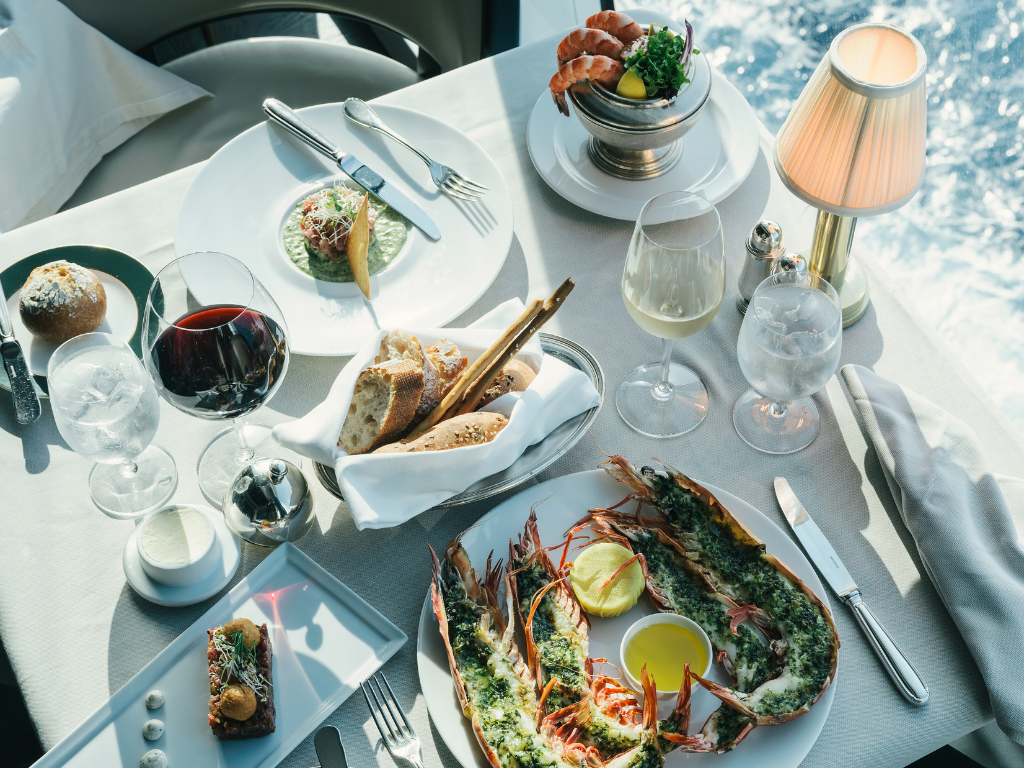
According to Oceania Cruises President Jason Montague, Allura embodies the brand’s “commitment to culinary excellence, creativity, and discovery.” That dedication shines through across the ship’s 11 restaurants and bars, including a return of the signature French venue Jacques (named after Jacques Pépin), as well as new Mediterranean and Pan-Asian concepts, immersive Chef’s Studio experiences, and hands-on cooking classes at the onboard Culinary Centre.

For food-minded travellers, Allura promises more than just great meals — it’s a floating celebration of flavour, artistry, and innovation. In true Oceania style, guests can expect a voyage where the journey tastes just as good as the destination.

“Comfort Is the New Luxury”: Marriott Forecasts Asia-Pacific’s Next Food Trends

Forget white tablecloths — Asia-Pacific’s hotel kitchens are trading formality for feel-good flavours.

Marriott International has just released its Future of Food 2026 report for the Asia-Pacific region, and the takeaway is clear: travellers want dining that feels good as much as it tastes good. Drawing insights from chefs, mixologists, and food-and-beverage directors across more than 270 hotels in 20 markets, the report charts a shift toward warmth, familiarity, and storytelling.

Gone are the days when fine dining meant hushed tones and starched linens. Today, “comfort is the new luxury,” says the report, as hotels across Asia-Pacific reimagine indulgence through approachable yet elevated experiences. Think truffle-infused noodles instead of foie gras, or caviar-topped fried chicken in place of a ten-course tasting menu. Diners crave dishes that surprise without intimidating — a sign that culinary confidence now comes from authenticity, not extravagance.

Another headline trend: immersion. Nearly half of Marriott’s F&B teams say guests are seeking interactive dining moments — the kind where you meet the chef, watch something sizzle tableside, or take part in the plating yourself. The report also highlights a strong pull toward local and indigenous ingredients, with 85% of hotel restaurants incorporating them as a defining element of their menus rather than a token garnish.

Technology is also quietly joining the kitchen brigade. AI-driven menu design and real-time guest feedback are helping chefs fine-tune dishes while keeping the personal touch front and centre. And geographically, expect to see Indonesia, Vietnam, and the Philippines emerge as the next culinary powerhouses, where a new generation of chefs is blending deep tradition with bold creativity.

The message? Asia-Pacific’s hotel dining scene is having a renaissance — one rooted in comfort, connection, and a sense of place. Because in 2026, the most memorable meals won’t just be the fanciest. They’ll be the ones that make you feel at home, wherever you are.