
Chipotle and BÉIS Just Dropped the Collab We Didn’t Know We Needed
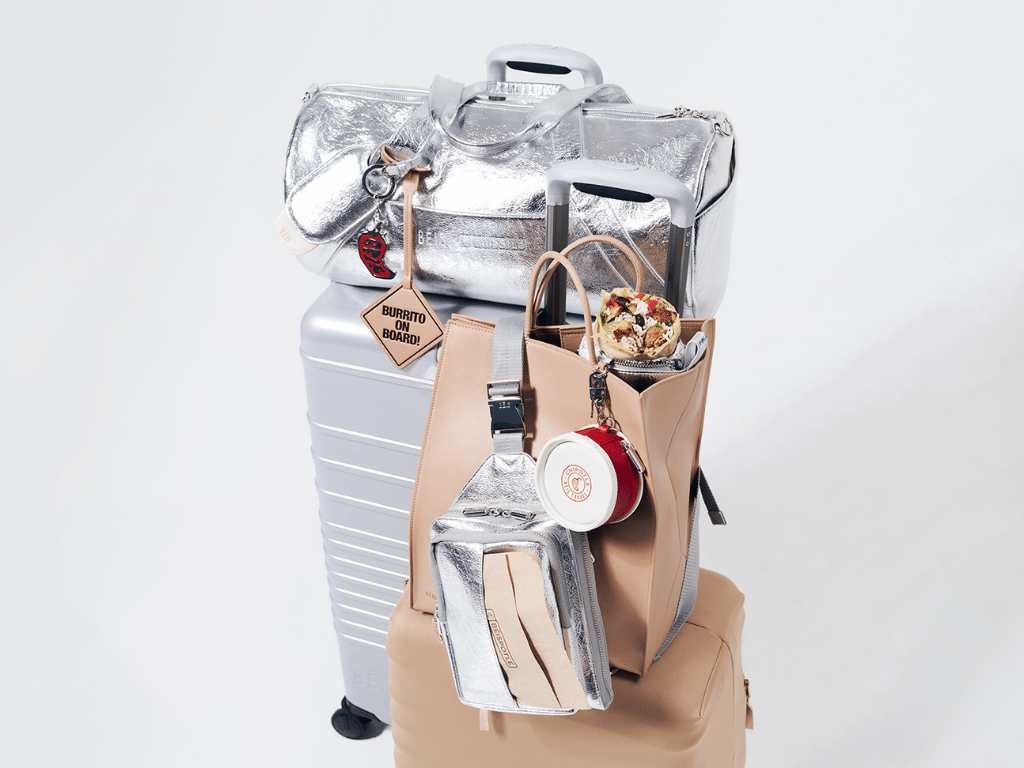

When a destination-bound luggage brand and a cult-favourite Tex-Mex chain partner on a travel collection, the result is bound to turn heads. Yesterday, Chipotle and BÉIS unveiled The To Go Collection, an 11-piece capsule that blends fashion, function and a hint of humour. The assortment includes everything from insulated slings and duffels to luggage, charms and a cleverly sized “To Go” bag made to fit a Chipotle bowl.
Co-created with BÉIS founder Shay Mitchell, the line features smart, insulated construction, cleverly sized pockets and a Chipotle-inspired colour palette (beige like tortillas, silver like foil). It’s surprisingly refined for a concept rooted in takeout.
Fans in the U.S. and Canada can shop the collection through the BÉIS app and on beistravel.com. Early birds take note: the first 5,000 orders will receive a free Chipotle entrée code — a perk that’s sure to spark enthusiasm among loyal customers.
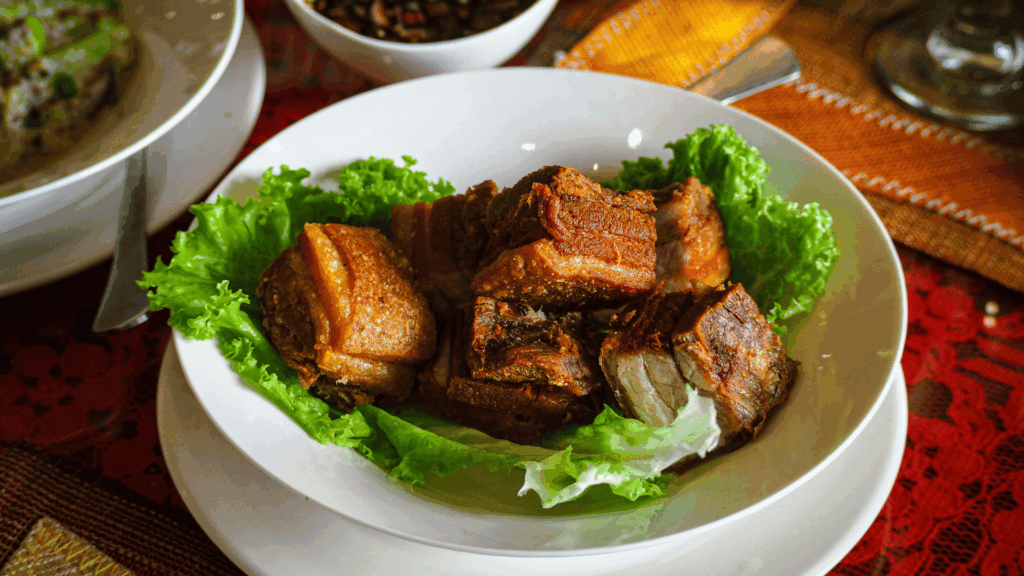
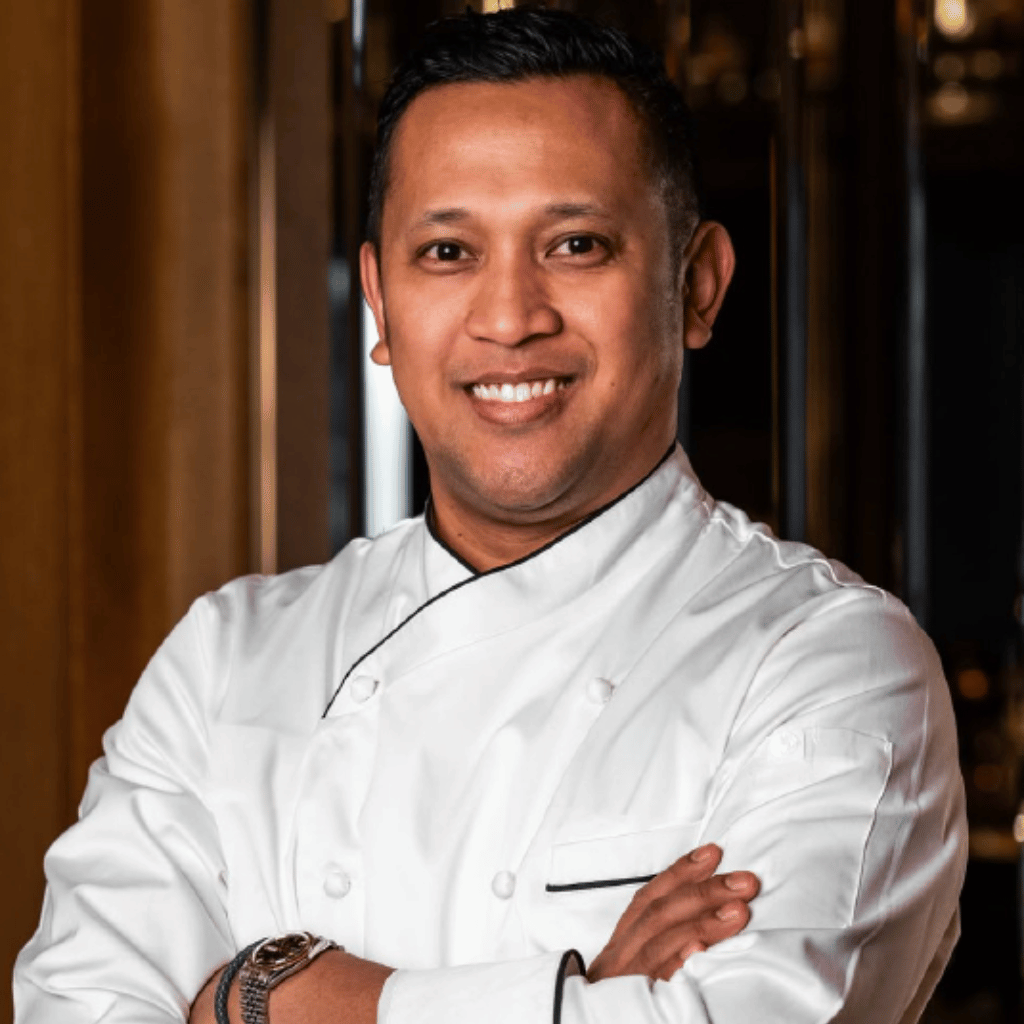
At the W Toronto, executive chef Luigi de Guzman infuses the city’s multicultural energy into bold, expressive menus. At home during the holidays, he turns to a dish from his Filipino heritage: lechon.
“Food has always been at the heart of Filipino celebrations, and with a biracial family, sharing that tradition with my kids matters deeply to me,” he says. “One that always feels special is lechon, a beloved roasted pork dish. Of course, I’ve had to adapt the classic recipe for our home kitchen; we can’t exactly roast a whole pig outside in the middle of winter. My version is a lechon belly, which is similar to Italian porchetta but with a crispier crackling and unmistakable flavours of Filipino spices.”
Holiday traditions for de Guzman are steeped in sweet memories. “As the oldest, it was my job on Christmas Eve to help my Lola [grandmother] mix the sweet sticky rice, stirring nonstop until she finally gave me the nod to rest. It was very tiring, but the reward was always worth it: a pot of rich hot cocoa simmering on the stove. It was the one day my sister and I were allowed to drink as much as we wanted. Now, as a father of two toddlers, my wife and I keep that cocoa tradition alive.”
That simple ritual informs how he hosts today. “The holidays should always have a thread of comfort woven through them,” he says. “It doesn’t have to be about perfection. It’s about creating a moment where food and family connect.”
By Chef Luigi de Guzman
Serves 6 to 8
Ingredients
Method
Prick pork belly skin all over with a fork or paring knife. Rub 2 tsp salt onto the skin. Place uncovered in the fridge for 24 hours to dry.
Mix remaining 2 tsp salt with pepper, garlic powder, onion powder and star anise. Rub over the meat side of the pork belly.
Lay lemongrass and green onions along the centre. Roll belly tightly and secure with kitchen twine at 1-inch intervals. Pat skin dry.
Preheat oven to 300°F. Place pork seam side down on a rack in a roasting pan. Add water beneath rack to steam. Cover with foil and roast for 2 hours.
Raise oven temperature to 350°F. Remove foil. Roast 2 more hours, basting halfway through.
Increase oven to 450°F. Roast for 20 to 30 minutes, until skin is golden and crispy.
Rest 20 minutes before slicing. Serve with soy-vinegar dip with chillies and diced red onion.
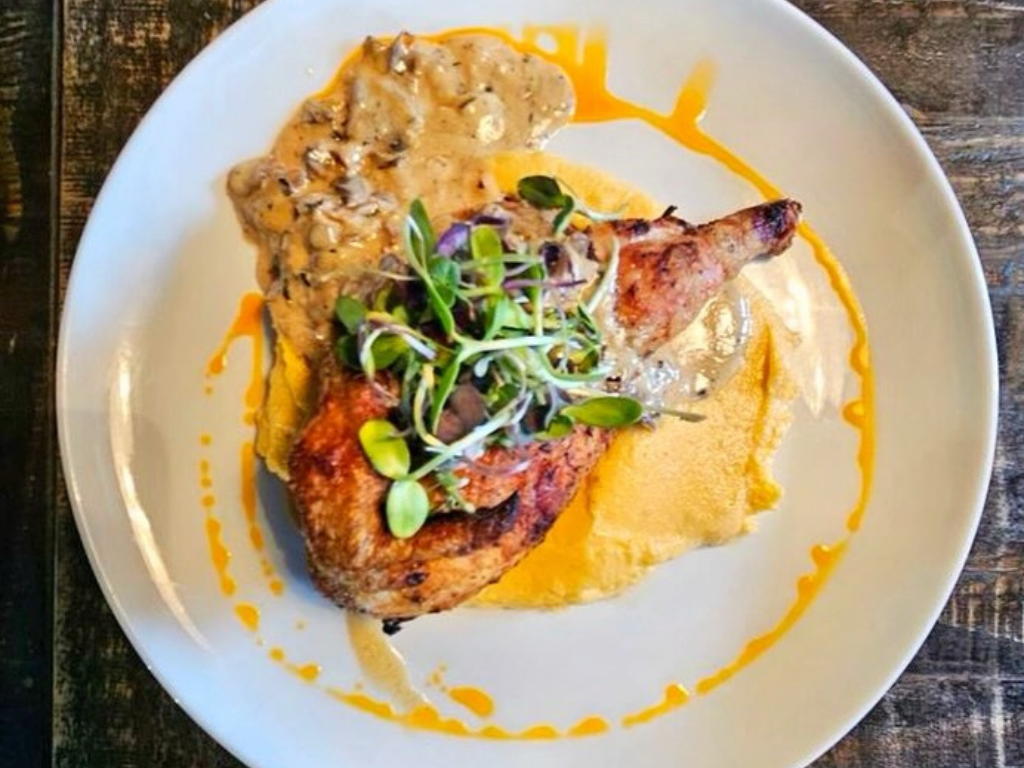
Southwestern Saskatchewan is all blue sky and cumulus clouds over rolling hills and endless grasslands. Across its small towns, a new guard of chefs is reimagining the province’s bounty with menus rooted in prairie flavour.
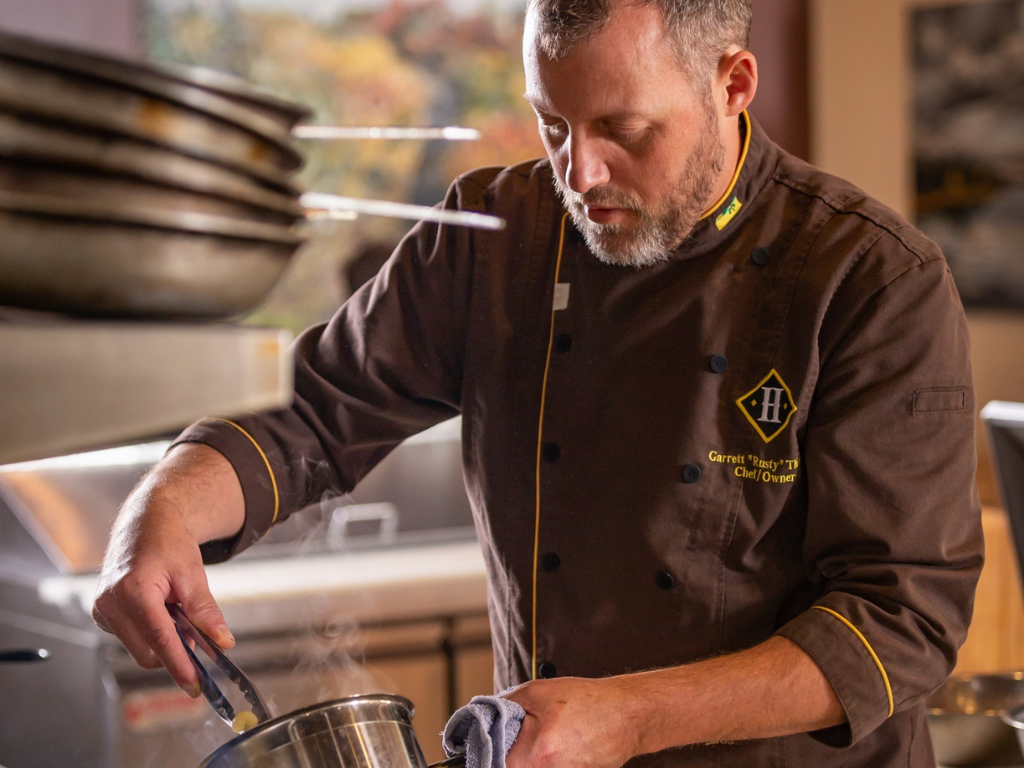
After cooking in renowned restaurants in Alberta and B.C., Garrett “Rusty” Thienes returned home to Shaunavon to raise a family and now creates a stir as chef and co-owner, with his wife Kristy, of Harvest Eatery, an award-winning steakhouse between Grasslands National Park and the Cypress Hills.
“I had this idea for a chill yet high-calibre restaurant that makes top-notch food you could eat in jeans and a T-shirt,” says Thienes, wielding a grinder over sizzling steak in the theatre kitchen beneath a faux tin ceiling.
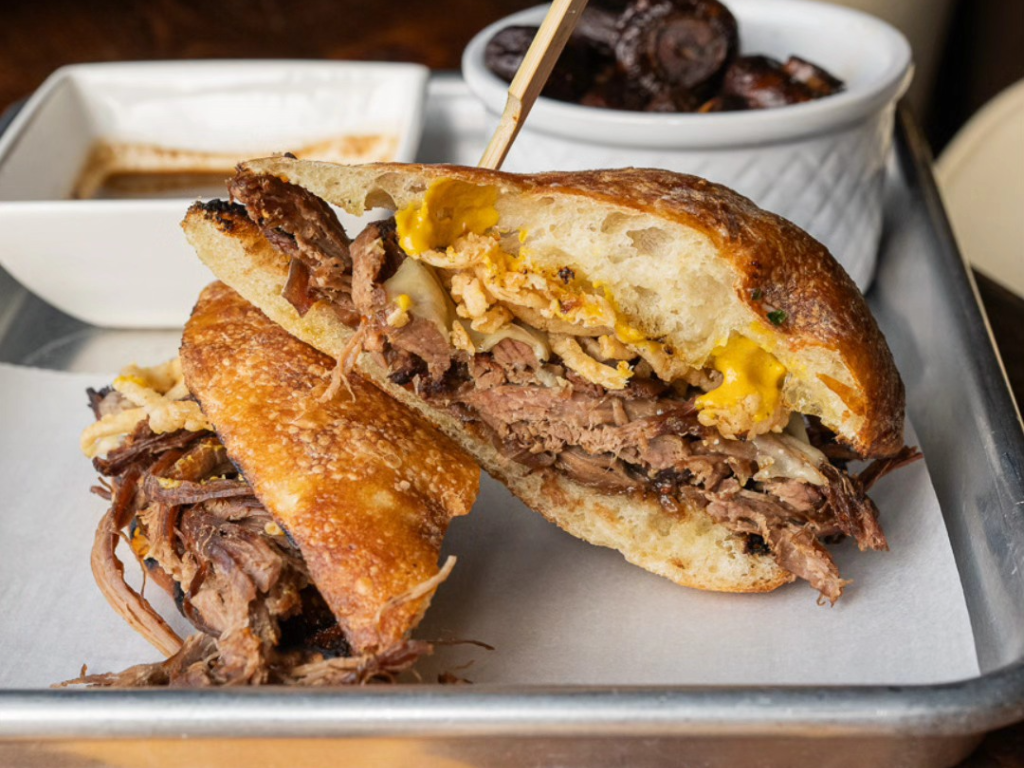
With 99 per cent of its supplies sourced within 60 kilometres, Harvest Eatery has plenty to play with, from Speckled Park beef—“best beef in the world”—to bison from Wigness Farms, wild boar, rabbit, chicken, pork, durum wheat, mustard, chickpeas, lentils, mushrooms and both farmed and wild fish. “Some of the best experiences are outside urban centres, with a few exceptions. We’re a bit more fearless and inventive,” Thienes adds. “Creative chefs want to tell Saskatchewan’s food story alongside producers who are growing and raising incredible ingredients.”
According to Thienes, foodies who give Saskatchewan a chance will be “amazed as much by the hospitality as the food.” He proves it with one of the best tenderloins in the province, served in a dining room decorated with local art that hums with the buzz of regulars.
In Regina, chef and entrepreneur Aimee Schulhauser echoes this theme of warm hospitality. “Saskatchewan’s cuisine is rooted in place, full of heartfelt hospitality,” she says.
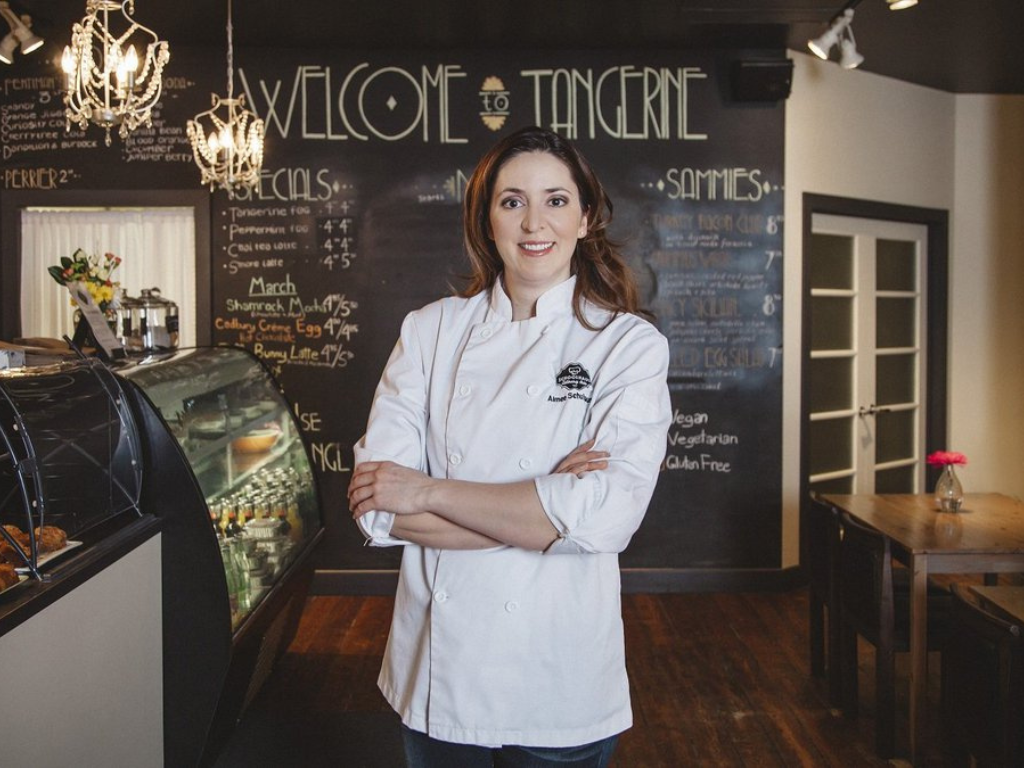
A graduate of Calgary’s SAIT, Schulhauser now runs a catering business, Tangerine, as well as Schoolhaus Culinary Arts. The school offers a fun night out where friends learn to cook together and then eat their creations. “Non-foodies enjoy the hands-on, interactive experience, and foodies love learning new techniques,” she says. (I mastered the butane torch while caramelizing mini parfaits.)
She has witnessed Saskatchewan’s culinary scene evolve over two decades. “When I first entered the industry 20 years ago, the ‘meat and potatoes’ stereotype was just starting to be challenged. Now, we have chef-driven restaurants, farm-to-table experiences and unapologetically prairie flavours.”
At Free Bird in Lumsden, avocado toast is elevated with pico de gallo, red grape tomatoes, herbs and chili oil on buttery sourdough, served with a soft egg on the side. It’s a playful take on what chef JP Vives calls “common food done uncommonly well.”
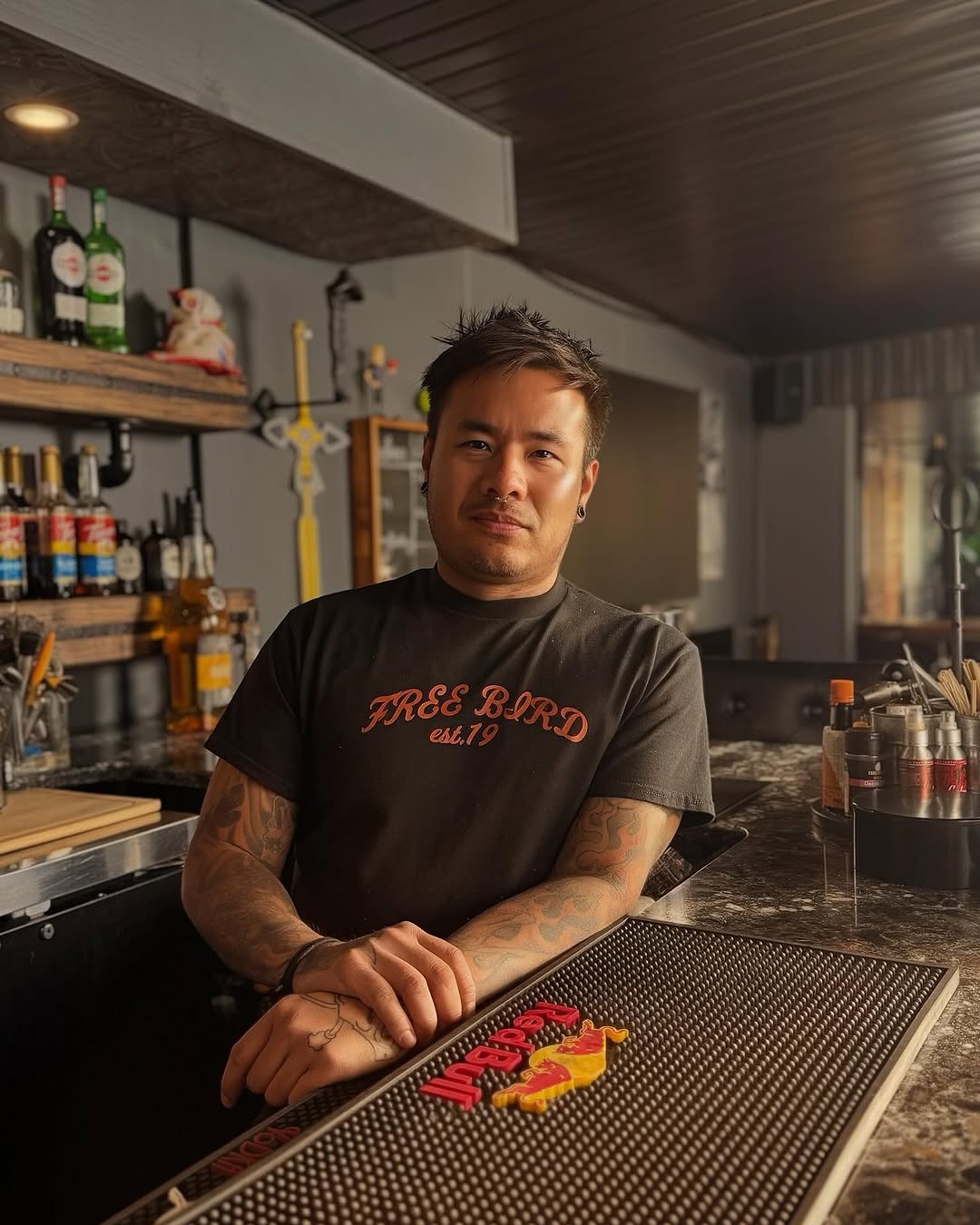
Vives opened Free Bird in 2019 after training and working in B.C. and Saskatoon. For him, culinary trends grow out of close chef-producer relationships. His tie to Babco Meats, which started across the street from the restaurant, brings organic beef, pork and chicken directly into his kitchen. “I often buy from Lincoln Gardens, too. I’m just taking these amazing local ingredients and adding my own twist to make simple, good food,” he says.
Adam Henwood, owner-chef of Trigo, exemplifies Saskatchewan’s do-it-your-own-way spirit. After 17 years as a lawyer, he left big-city Alberta for Lafleche (population: 373) and reinvented himself in the kitchen. Today, he serves multi-course tasting menus that spotlight a different country every five months.
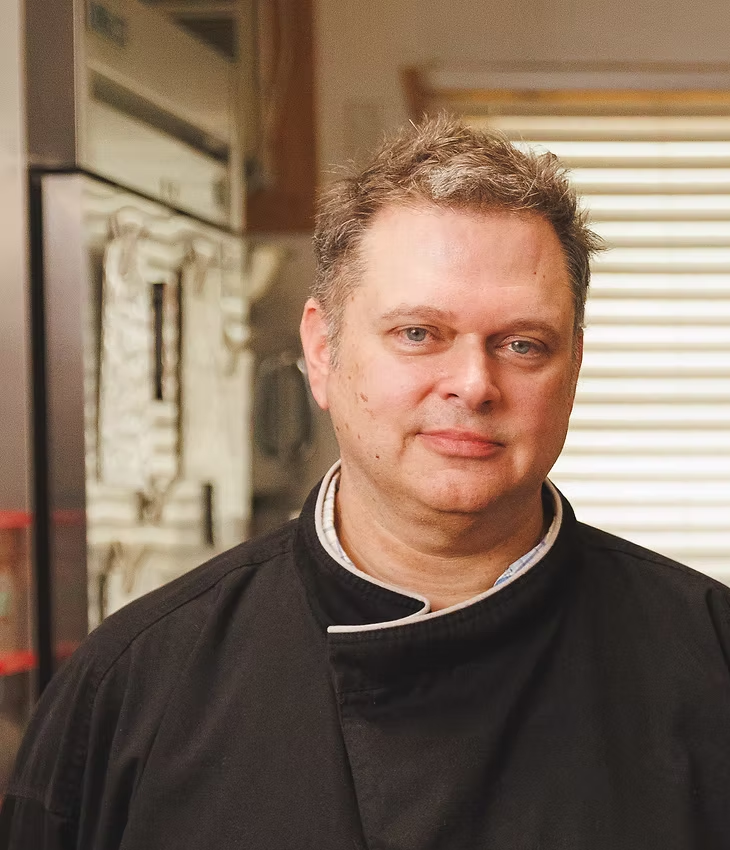
“Trigo is doing something completely unique, offering a dining experience using local fare yet authentic to a featured country,” he says.
When I visited, the theme was Georgia. Henwood orchestrated a supra, a traditional Georgian feast, pairing marigold-petal sauces with beetroot and spinach pâtés, serving cheese bread with Georgian wine and encouraging diners to slurp juice from steaming dumplings. In a room barely big enough for a dozen tables, the air filled with Georgian music as mains of beef kharcho were paired with red wine from the birthplace of viticulture.

Between courses, I dash down the town’s deserted main street to catch the setting sun tinting the grassy coulees—a moment only possible when fine dining unfolds in the middle of Saskatchewan’s Wild West.

Just 25 kilometres off the southern coast of Newfoundland sits the archipelago of Saint-Pierre-et-Miquelon, a collectivity of France since 1985 and the last remaining vestige of New France. It’s a quintessential French experience without setting foot in mainland France—only a short flight or ferry ride from Fortune in Newfoundland and Labrador.
French Connections
The French are known for their mastery of bread, wine and cheese—and on Saint-Pierre-et-Miquelon those traditions thrive, adapted to the islands’ windswept North Atlantic setting. Fishing was once the cornerstone of life here, and the remnants of that heritage can still be experienced on Île aux Marins, or Sailors Island, where weathered houses tell stories of a community tied to the sea.
Back in Saint-Pierre, with its brightly painted houses and European flair, restaurants celebrate this blend of old-world culture and island terroir. At café and boutique L’Essentiel, chef-owner Nathalie Goupilliere sources raw milk cheeses, charcuteries and wines from small producers and local businesses. Nearby, Ligne Verte, a hydroponic farm, produces vegetables and herbs year-round, supplying the region’s vendors and restaurants with a steady supply of fresh greens.
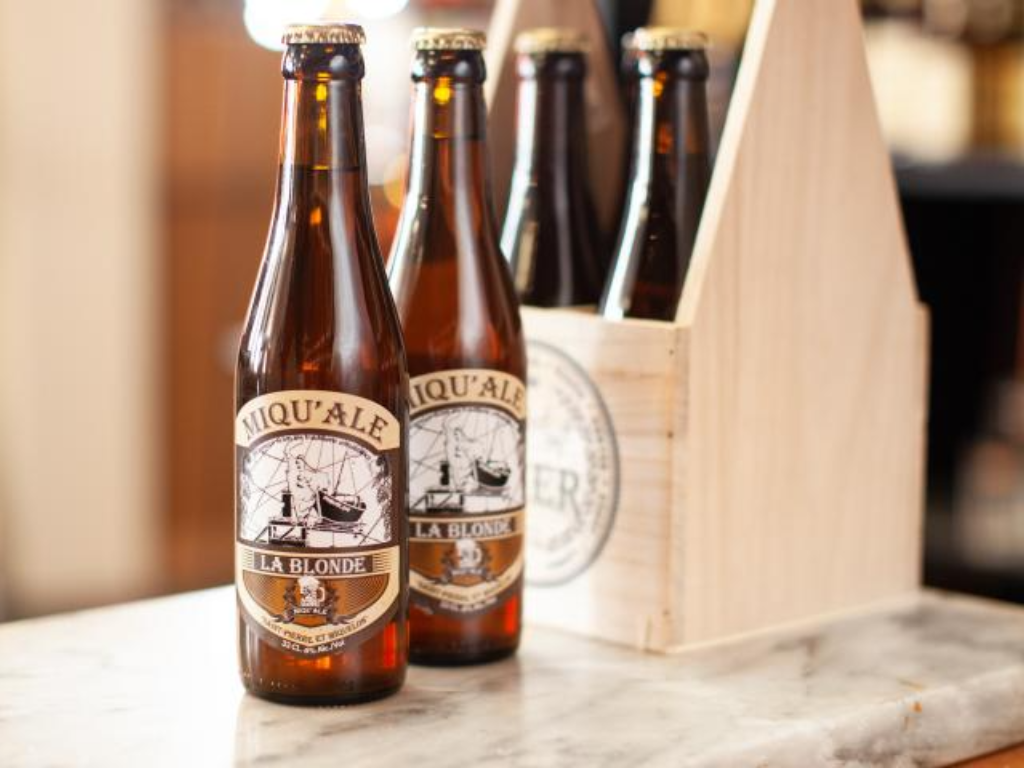
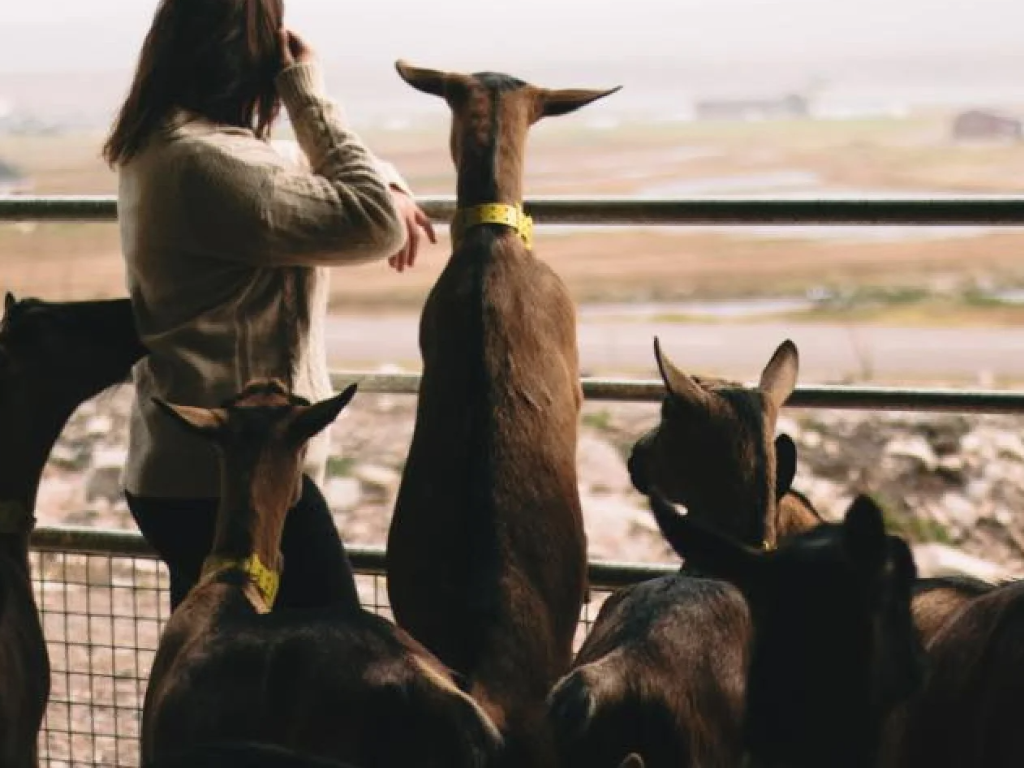
On neighbouring Miquelon, agriculture has flourished since the 19th century, with farming, livestock and coastal fishing shaping the island’s food identity. A gourmet tour might include a visit to Saveurs Fermières goat farm to sample artisanal cheese while learning about the surrounding landscape. It’s also where visitors can discover La Brasserie Artisanale de l’Anse, the archipelago’s only brewery. Founded by Laura and Gwenaël, the microbrewery produces Miqu’Ale, a beer brewed with local ingredients. Their collaborations extend across the water—like a partnership with Newfoundland’s Port Rexton Brewing Company—creating unique beers that bridge French and Canadian shores.
Canadian Roots
Across the water in Newfoundland and Labrador, chefs are similarly committed to land and sea, with a focus on foraging, preservation and zero waste. Here, culinary traditions are rooted in perseverance—making the most of what nature provides, often against the odds.
Less than an hour from St. John’s, in the coastal town of Cape Broyle, chef Alex Shaw leads immersive experiences that highlight this philosophy. As culinary director of the soon-to-open Cape Retreat Culinary Program and through her Alder Cottage Cookery School, Shaw brings guests on foraging walks, cooking classes and dining experiences that tell the story of Newfoundland’s resourceful foodways. The retreat itself will feature six sleek, modern cabins and a glass-fronted culinary hub, all designed to showcase sweeping views of the rugged coastline and North Atlantic.

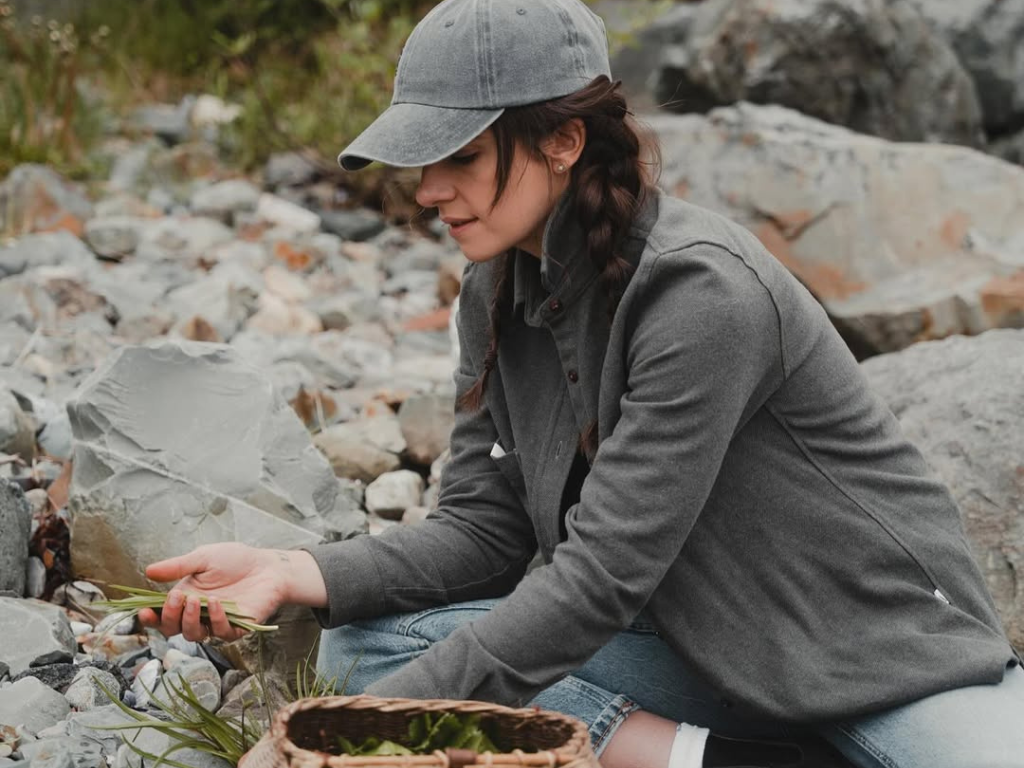
She works like an artist whose palette is the forest and the shore, treating every ingredient with respect. Scraps become broth, stems transform into pickles, peels turn into powders. Where others see waste, she sees preservation—making sure each element is honoured to its fullest potential. Her approach reflects the province’s culinary culture: fresh, local and deeply tied to both resilience and creativity.
Together, Saint-Pierre-et-Miquelon and Newfoundland form a culinary dialogue across the North Atlantic—rooted in resilience, tradition and a shared respect for land and sea. For travellers, it’s a chance to taste two cultures at once, linked by history and sustained by place.
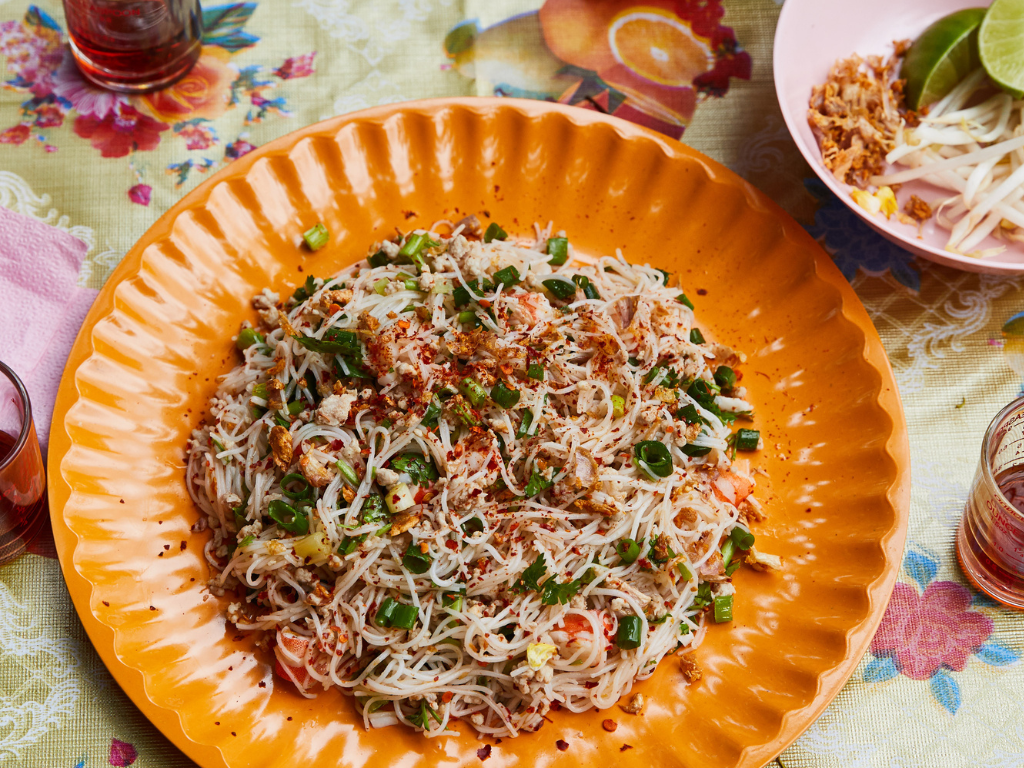
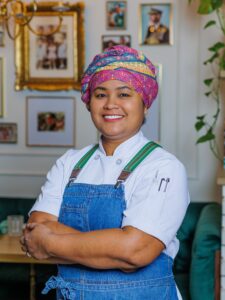
Toronto-based chef Nuit Regular, the force behind restaurants like Kiin and Pai, is known for bringing the heart of northern Thai cooking to Canadian tables. For the holidays, she leans into that heritage while making entertaining easy and joyful.
“I love to make Yum Kanom Jeen for the holidays, which is a Thai noodle salad,” she says. “I prepare everything in advance and just assemble the day of. It’s an easy dish to make for gatherings while showcasing my Thai heritage at the same time.”
Regular explains that holiday cooking for her is about connecting to her roots while creating a relaxed space for friends and family.
“We have a tradition every Christmas of getting together with my husband Jeff’s high school friends. They were so warm and welcoming when I came to Canada. We do a potluck, deciding in advance who will bring what. Because everyone is so busy, it’s wonderful to meet once a year to catch up. It’s all about enjoying each other’s company and great food.”
Hosting Tip: “Prep as much as you can in advance. On the day of, you’ll be busy and want to spend time with your family or guests. I love just reheating and assembling before the gathering. Braised meats or curries are perfect—they taste even better the next day!”
By Chef Nuit Regular
Serves 4
Ingredients
Method
Cook noodles according to package directions. Drain and set aside.
In a saucepan over high heat, bring water and salt to a boil. Add ground pork and cook, stirring, until no longer pink. Drain and set aside.
In a skillet over medium heat, heat sunflower oil. Add garlic and cook, stirring constantly, until golden, about 1 minute. Remove from heat.
Stir in fish sauce and sugar until dissolved. Add lime juice and chilli powder, mix well.
Add noodles and pork, toss to combine. Top with cilantro and green onions. Serve immediately.
Excerpted from Kiin by Nuit Regular. Copyright © 2020 by Nuit Regular. Photography copyright © 2020 by Michael Graydon and Nikole Herriott. Published by Penguin Canada, a division of Penguin Random House Canada Limited. Reproduced by arrangement with the Publisher. All rights reserved.
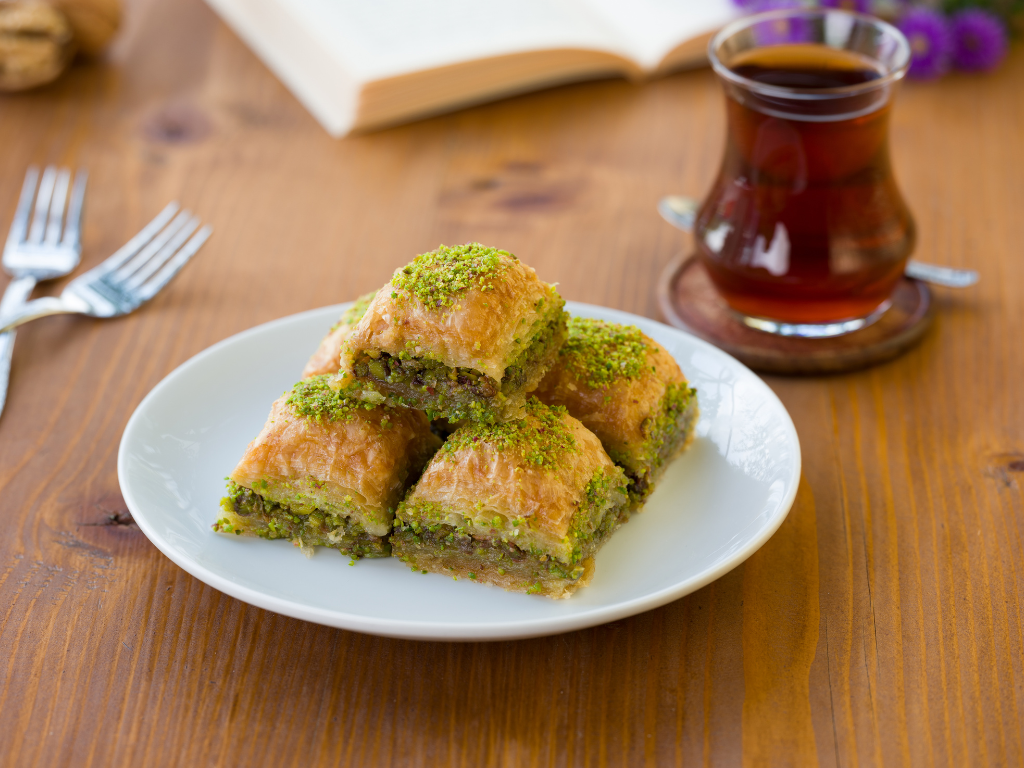
Few desserts capture a sense of place the way baklava does. In Türkiye, this golden, flaky pastry is more than something sweet to finish a meal — it’s a symbol of craftsmanship, celebration and centuries of culinary heritage. Across the country, baklava is offered to guests as a gesture of hospitality, shared during family gatherings, enjoyed with strong tea or Turkish coffee and lovingly passed from one generation to the next.
While baklava’s exact origins are layered in history, one enduring version traces back to the kitchens of the Ottoman Empire, where master bakers perfected the technique of rolling dough so thin it becomes almost translucent. Today, this cherished dessert is protected as part of Türkiye’s Intangible Cultural Heritage by UNESCO, underscoring its cultural significance and meticulous preparation.
There are countless regional variations: havuc dilimi (carrot-slice baklava), midye baklava (mussel-shaped baklava), bülbül yuvası (nightingale’s nest), and many more. Some are made with walnuts, others with pistachios, and some enriched with cream or shaped into coils and swirls. But one thing remains constant: great baklava is the product of patience, precision and a generous pour of warm syrup to bring the layers to life.
The recipe below comes courtesy of the Turkish Tourism Board, adapted from the southeastern province of Gaziantep, a culinary capital known for producing some of Türkiye’s most exquisite baklava.
Serves: 10
Syrup
600 g sugar
500 ml water
10 ml lemon juice
Dough
500 g all-purpose flour
2 eggs
80 ml water
15 ml olive oil
10 ml lemon juice
1–4 tsp salt
80 g starch (for rolling)
220 g Antep pistachios or walnuts, coarsely crushed
500 g butter or clarified butter (ghee)
Prepare the syrup:
Mix sugar and water in a small saucepan and heat gently until dissolved. Increase heat and boil for 5 minutes. Add lemon juice and boil for another minute. Remove from heat and set aside.
Make the dough:
Sift the flour into a large mixing bowl. Make a well in the centre and add the eggs, water, olive oil, lemon juice and salt. Knead until you have a firm dough. Divide into 20 equal pieces, shape into balls and dust with starch. Cover with a cloth so they don’t dry out.
Roll the dough:
Roll each ball into a thin sheet, sprinkling starch often to keep it from sticking. Continue rolling until the sheets become paper-thin.
Start building the layers:
Stack the first 10 sheets of dough one by one in a greased baking tray (38–40 cm round). Brush each layer generously with melted butter. Trim any dough hanging over the edges.
Add the filling:
Evenly distribute the crushed pistachios or walnuts over the 10 buttered layers. Cut off any excess dough around the pan.
Finish layering:
Add the remaining 10 sheets of dough, brushing butter between each layer. With a sharp knife, cut the baklava into diamond or square pieces.
Bake:
Melt the butter and pour it evenly over the baklava. Place in a preheated 400°F oven and bake for 40–45 minutes, or until golden.
Syrup and serve:
Remove from the oven and immediately pour the cooled syrup over the hot baklava. Allow it to soak slowly. Let cool before serving.
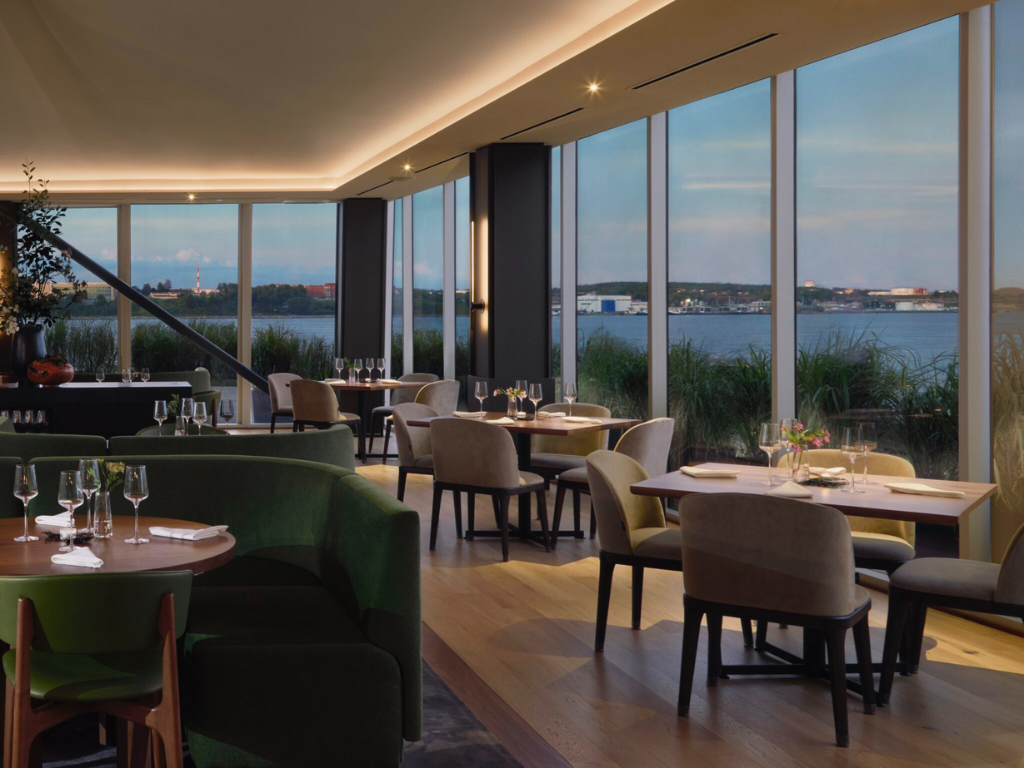
Air Canada has just released its Top 10 Best New Restaurants for 2025, offering a snapshot of the openings that made an impression across the country this past year. If you’re curious about where Canadian dining is heading — or looking for ideas for your next food-focused trip — this list gives a clear sense of the restaurants worth having on your radar right now.
From intimate omakase counters to coastal tasting menus and modern neighbourhood rooms, the Top 10 reflects a range of perspectives and regional stories. Here’s a look at this year’s selections.
1. Mystic — Halifax, NS
A maritime tasting-menu restaurant anchored in East Coast ingredients and coastal flavours.
2. Le Violon — Montréal, QC
A refined, seasonal dining room informed by French technique and Québec’s culinary traditions (and yes — the one where Justin Trudeau and Katy Perry were famously spotted at dinner).
3. aKin — Toronto, ON
A globally influenced restaurant reflecting the city’s multicultural food culture.
4. Sushi Hyun Omakase — Vancouver, BC
An intimate omakase experience built around precision, craft and West Coast seafood.
5. Maven — Toronto, ON
Modern neighbourhood cooking inspired by Eastern-European and Jewish culinary roots.
6. Nero Tondo — Vancouver, BC
Contemporary Italian dining with a focus on handmade pastas and bold, expressive sauces.
7. Yan Dining Room — Toronto, ON
Chef Eva Chin’s set menu exploring neo-Chinese cooking through local, seasonal ingredients.
8. Sumibiyaki Arashi — Vancouver, BC
A small charcoal-grill restaurant serving seasonal fish and vegetables prepared over binchotan.
9. Pasta Pooks — Montréal, QC
Casual, youth-driven pasta with strong technique and creative flavour combinations.
10. Niwa — Vancouver, BC
A calm, nature-inspired dining room where Pacific Northwest ingredients meet Asian influences.
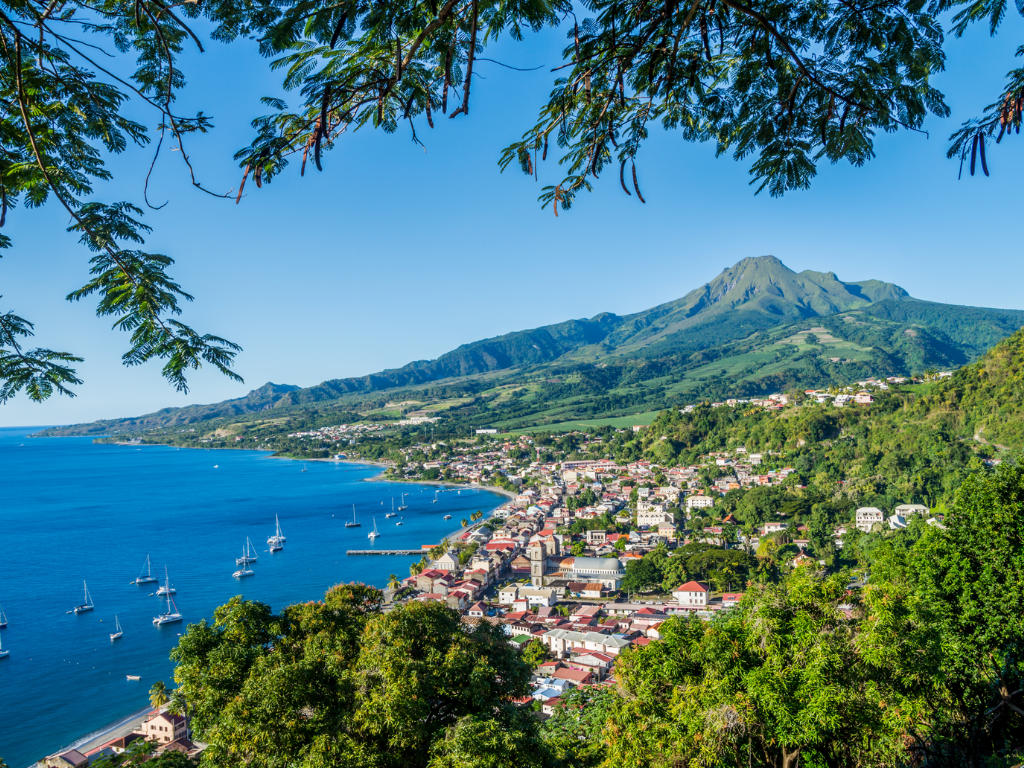
Miles from Martinique’s sandy beaches and sun-splashed coastlines, I find myself deep in the island’s northern rainforest, following a path tangled with hibiscus, heliconia and wild cilantro at Habitation Céron.
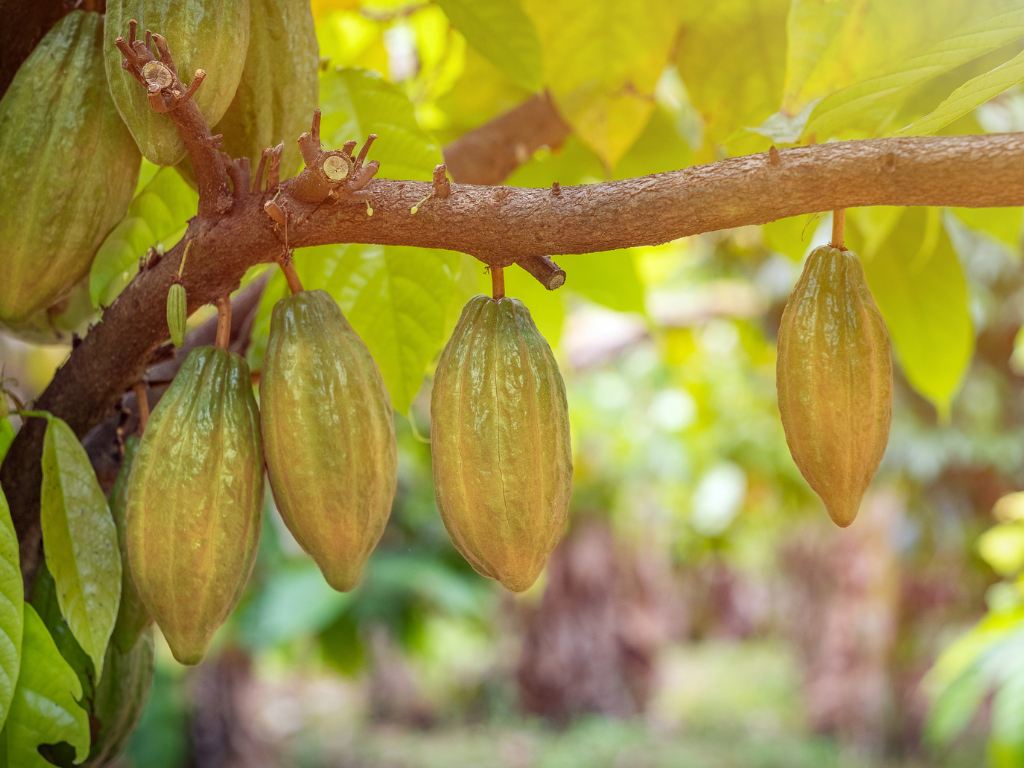
Founded in 1658 as a sugar plantation, the 75-hectare estate is now an eco-sanctuary, home to fruit trees, lush gardens and more than 2,000 cacao trees.
Here, chocolatier Julie Marraud des Grottes—whose family stewards the property—cracks open a golden-hued cacao pod and invites us to pluck out its seeds. Slick with pearly white pulp, each one tastes almost like mango, sweet and tart all at once.
Later, she passes around squares of her 70 per cent single-origin chocolate. Marraud des Grottes’ approach to chocolate-making is designed to coax out the cacao’s wild, shifting character. Her bars are made with just two ingredients: cacao harvested on site and locally sourced sugarcane. The flavour shifts. One month it carries hints of banana, the next, notes of red fruit. “I only have one recipe for chocolate,” says Marraud des Grottes. “But the chocolate will taste different depending on when the cacao is harvested.”
It’s a reminder that in Martinique, sense of place isn’t just something you see—it’s something you taste. Across the island, chefs, producers and distillers treat the landscape as both pantry and muse. Their pride in homegrown ingredients is present in every bite, every pour and every decision to let the land’s character take the lead.
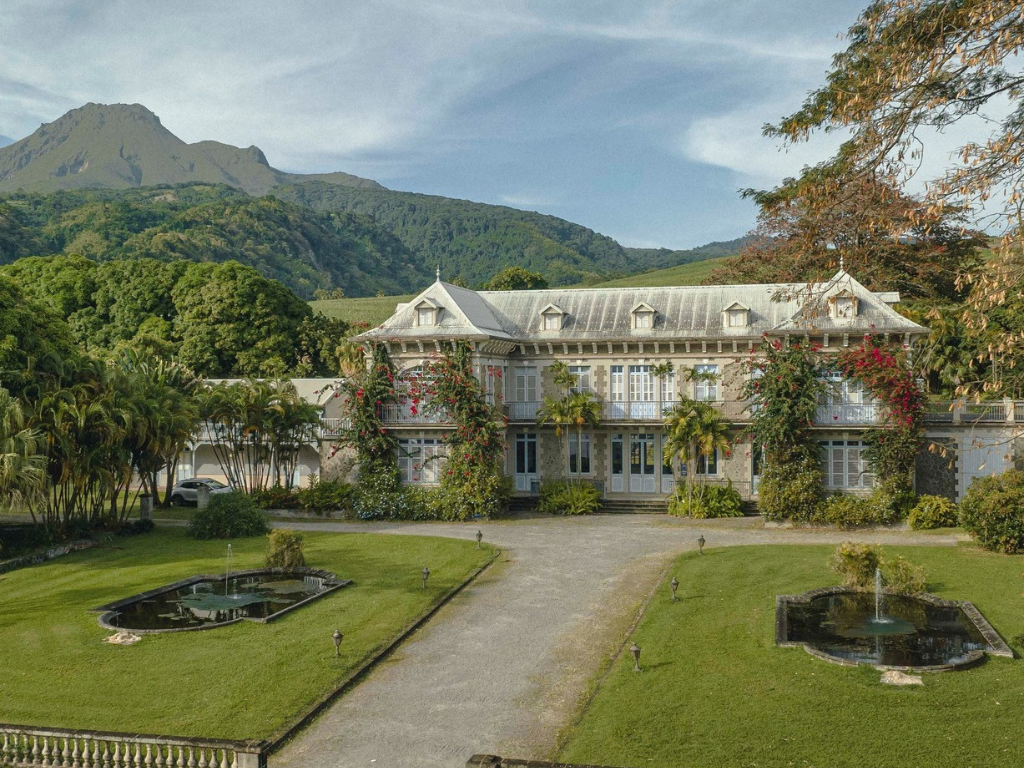
The same cane that sweetens Marraud des Grottes’ chocolate also stars in Martinique’s signature spirit: rhum agricole. I see this up close later that day at Distillerie Depaz. Château Depaz—an early 20th-century manor built in the shadow of Mount Pelée—anchors rolling fields of blue cane. In the breezy dining room, we look out windows framing green hills while we taste through Depaz’s range.
Martinique’s rhum agricole is the only style of rum in the world with France’s coveted AOC designation, typically reserved for wine and cheese. Unlike most rums made from molasses, it starts with fresh-pressed sugarcane juice, a method that preserves the plant’s grassy, earthy brightness as a key note.
At Depaz, high elevation and volcanic soil shape the cane’s bold, distinctive profile. A 48-hour fermentation and old-school steam-powered mills keep the spirit rooted in tradition and place. Each glass is like a liquid map of where it’s made.
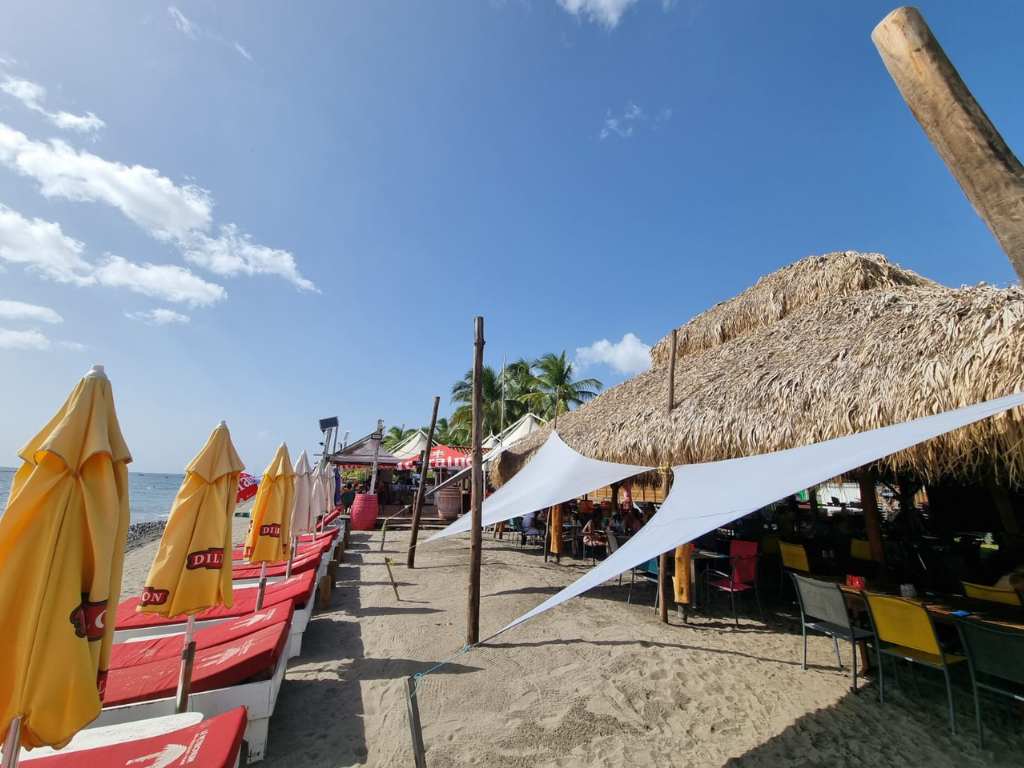
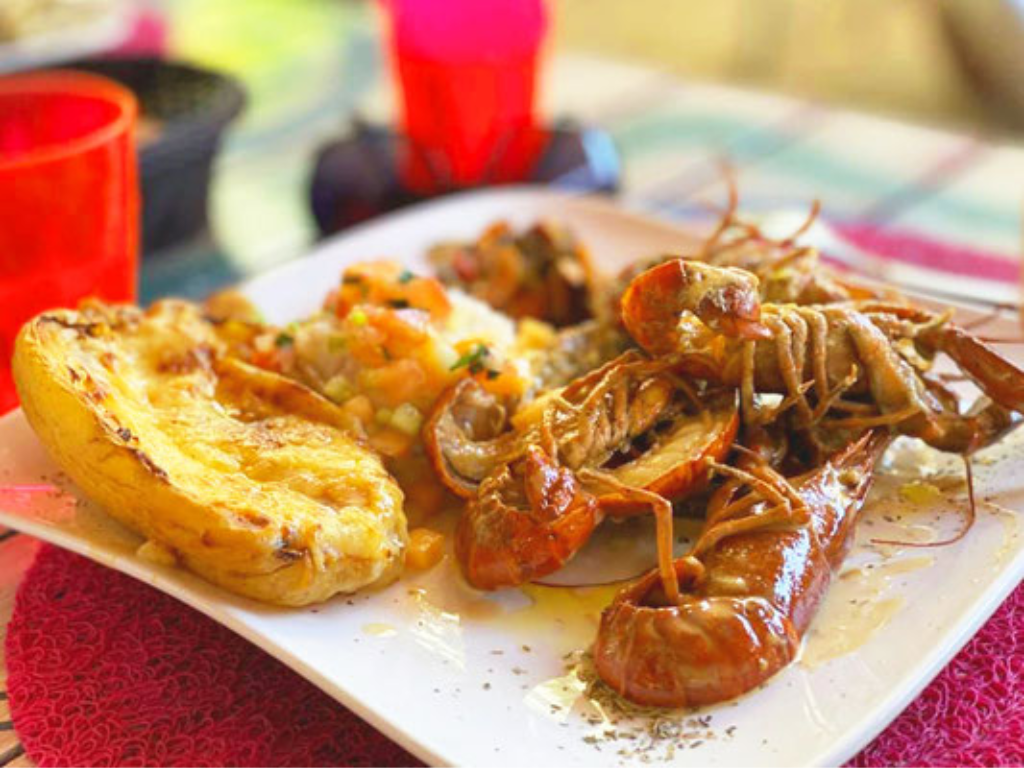
On our final night in Martinique, the road leads us back to the sea—specifically to Le Petibonum, a beachfront restaurant that’s been championing local ingredients for decades. “My grandfather is a farmer here, so I’ve always understood the ingredients of Martinique,” says chef-owner Guy Ferdinand. “When visitors come here, they want to taste what grows on the island. That’s how they learn about our culture.”
Dinner unfolds under a thatched roof on La Plage du Coin, the sky deepening to indigo, our toes buried in the sand. Bottles from Martinique’s storied distilleries, Depaz among them, are laid out across a self-serve tasting table. “After drinking some rum, you’re open to discovering more flavours of Martinique,” Ferdinand says with a grin.
The fish—tuna, dorade, marlin—comes directly from fishermen who dock nearby. Fresh pineapple, in season during our visit, is sliced and served simply.
Between courses, Ferdinand tosses more bay rum branches onto the open grill, then lays fresh fillets over the heat as the smoke curls up around them.
If Martinique’s identity is rooted in what the land grows and gives, there may be no more vivid way to taste it than here: a meal where every element, from fragrant grill smoke to the rhum agricole in my glass, comes directly from the island itself. I leave with sand on my feet, rum on my tongue and Martinique’s flavours still lingering.
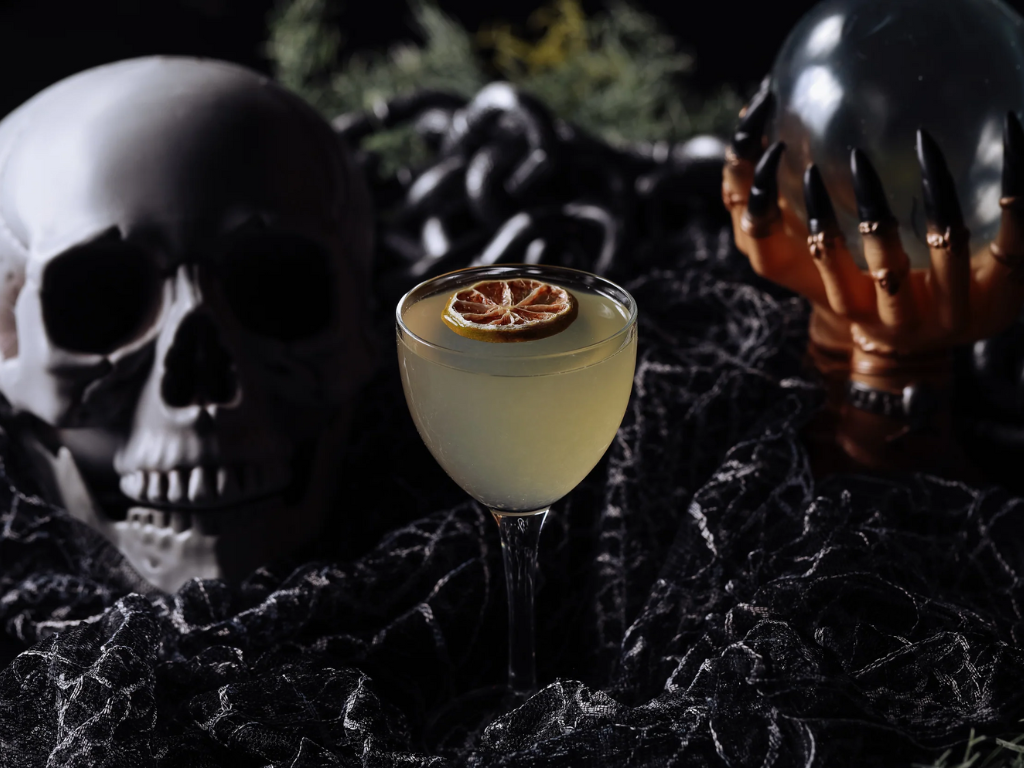
This Halloween season, the Black Lagoon Pop-Up is taking over bars across Canada — transforming them into gothic, candlelit lairs complete with eerie décor, haunting playlists, and theatrically dark cocktails. Running until October 31, the immersive event invites guests to toast the spooky season in style.
If you can’t make it to the bar before it vanishes back into the depths, recreate the magic at home with three of the Black Lagoon’s signature cocktails below. We’ve listed the ingredients — and linked to their how-to videos on social media so you can mix up your own Halloween spirits.
Ingredients:
1.5 oz Lot 40 Rye
0.5 oz Kraken Gold Rum
0.125 oz Lustau Amontillado Sherry
0.25 oz sweet potato syrup
1 dash Bitter Queens Figgy Bitters
Ingredients:
1.5 oz blanco tequila
0.5 oz spiced rum
0.25 oz triple sec
0.25 oz Amontillado sherry
0.25 oz Giffard Banane
0.75 oz spiced oat orgeat
0.75 oz lime juice
2 dashes aromatic bitters
Ingredients:
1.5 oz Kraken Black Rum
0.5 oz Kraken Gold Rum
0.5 oz Mr Black Coffee Liqueur
0.75 oz passionfruit
0.75 oz coconut
1 oz pineapple juice
1 dash Bitter Queens Coffee Cardamom Bitters
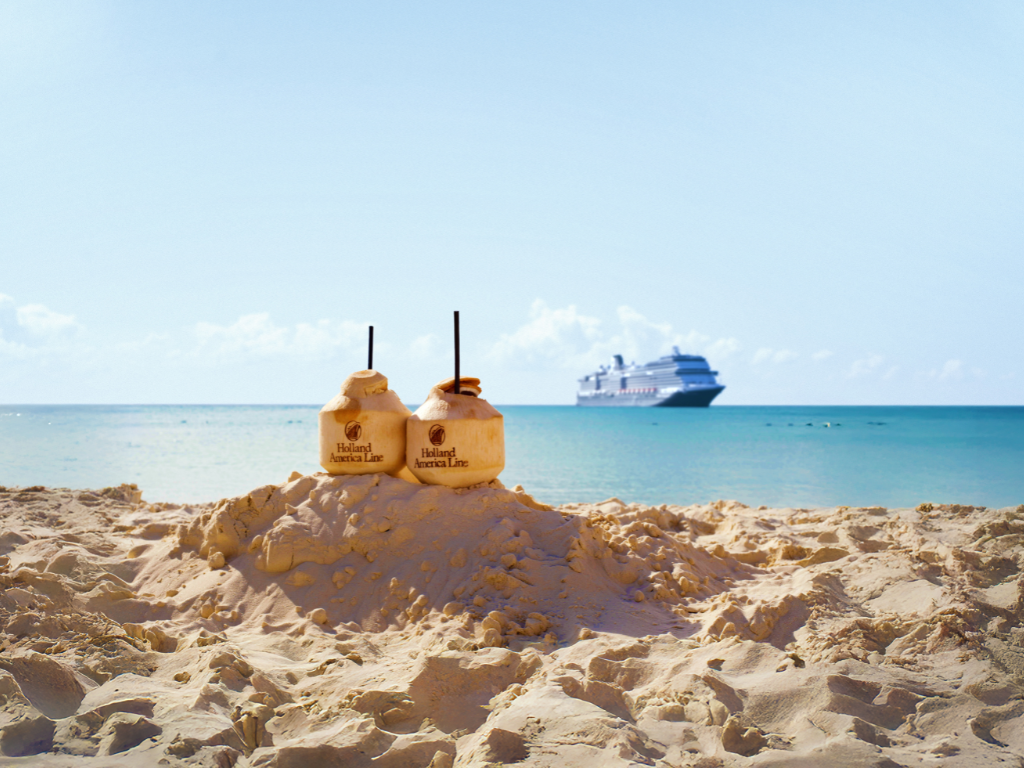
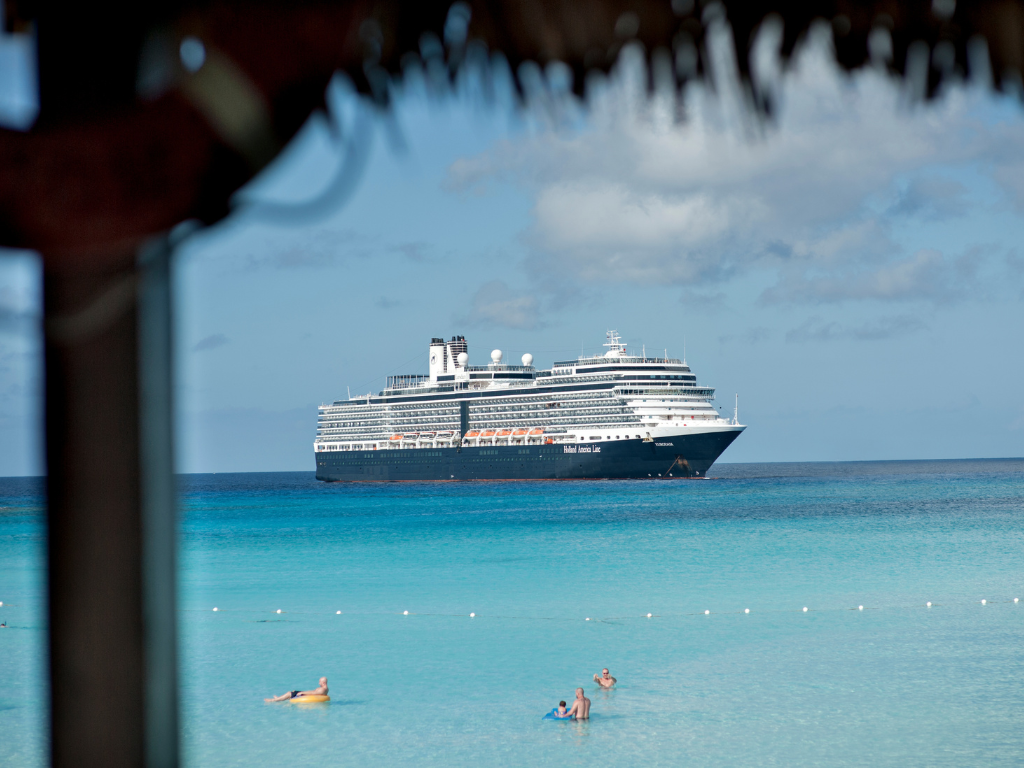
This winter, Holland America Line is transforming its Caribbean sailings into full-fledged culinary journeys. From October 2025 through April 2026, six ships will feature new regionally inspired menus and cocktails celebrating the vibrant flavours of the Caribbean — all crafted with the cruise line’s hallmark focus on fine dining at sea.
Guests can expect fresh, locally sourced ingredients and authentic island flavours through port-to-plate dishes, themed cocktails, and special dining experiences, many created by Holland America’s renowned Culinary Ambassadors — chefs David Burke, Masaharu Morimoto, Ethan Stowell, and Jacques Torres.
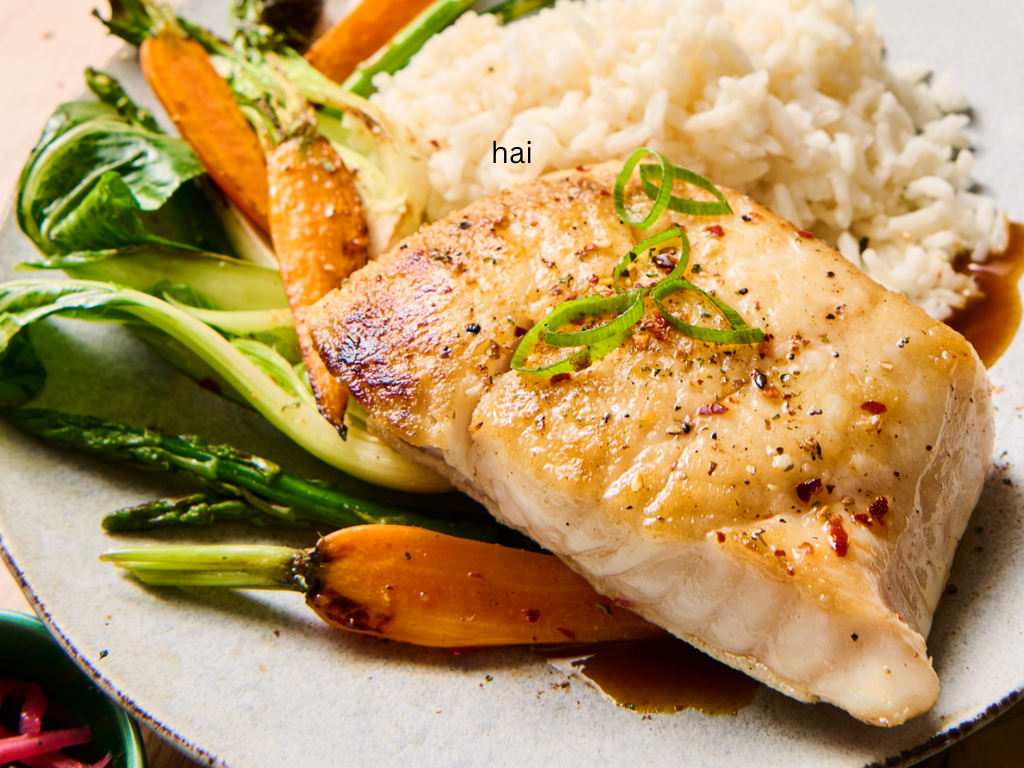
Menu highlights include:
Chef Masaharu Morimoto’s trio of island-inspired dishes: Crispy Fried Market Whole Fish, Yuzu Butter Grilled Lobster Tails, and Fresh Catch Grouper with Braised Baby Bok Choy.
Chef David Burke’s 15-ounce Boneless Rib Eye and Chef Ethan Stowell’s Spaghetti with Confit Lobster.
Chef Jacques Torres’s signature Chocolate-Dipped Cheesecake.
New Caribbean Seafood Boil in Lido Market (for a $35 supplement) featuring local shellfish, lobster, and rum cake for dessert.
Poolside dinners spotlighting regional favourites paired with tropical cocktails crafted from island spirits like rum, ginger, pineapple and chili.
Beyond the plate, the line is also adding new shore-excursion cooking classes, rum-pairing workshops, and guided tastings, giving guests a hands-on connection to Caribbean culinary traditions.
“Every bite and sip is designed to transport guests to the heart of the Caribbean,” says Michael Stendebach, Holland America Line’s vice-president of food, beverage and rooms. “Beyond the plate, we aim to create moments that celebrate the region’s lively culture and make each journey unforgettable.”
The expanded menus and experiences are part of Holland America Line’s ongoing commitment to showcasing local ingredients and authentic regional cuisine on board and ashore.