Hotels

Newfoundland’s Stylish New Food-Focused Retreat

Opening this spring, The Cape Retreat will be shaped by food, seasonality, and shared meals.

On Newfoundland’s Avalon Peninsula, The Cape Retreat is introducing a culinary retreat grounded in place rather than performance. Located in the small coastal community of Cape Broyle, the retreat brings together dining and accommodation in a way that feels immersive and intentional, but refreshingly unforced.

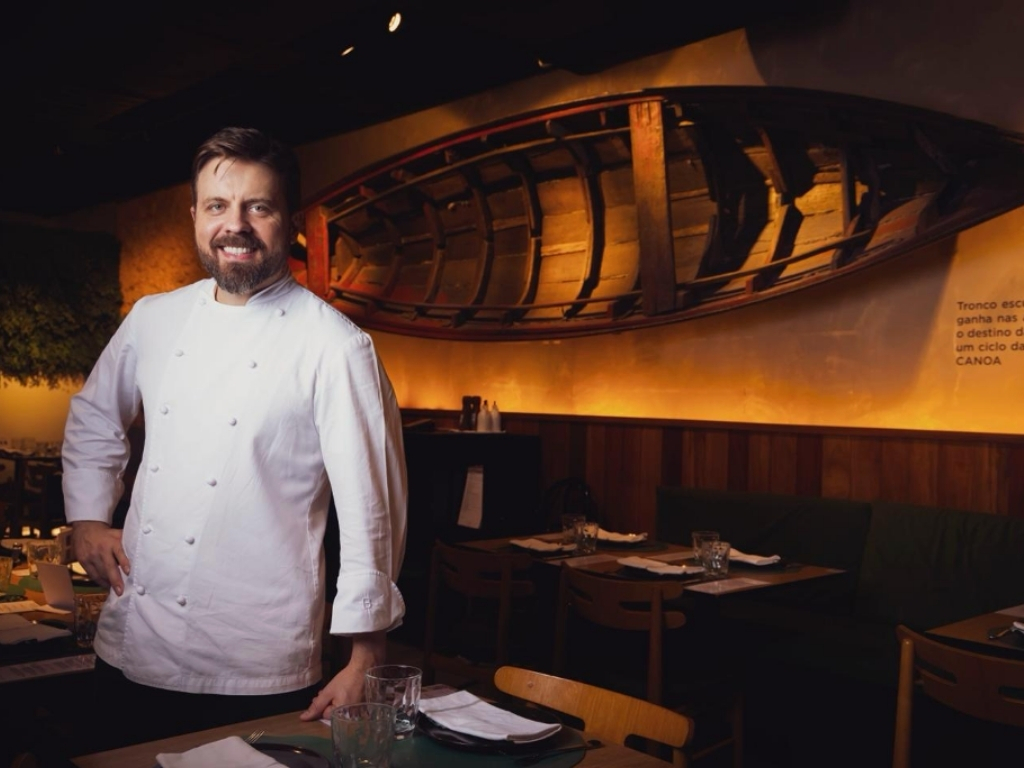
Culinary director Alex Blagdon brings experience from professional kitchens alongside hands-on work with farmers and producers. Her cooking reflects the realities of Newfoundland’s food landscape, where seasonality is not a trend but a reality. Menus will shift frequently, shaped by what can be sourced locally at any given moment.

Culinary Director Alex Blagdon
The Cape Retreat Newfoundland

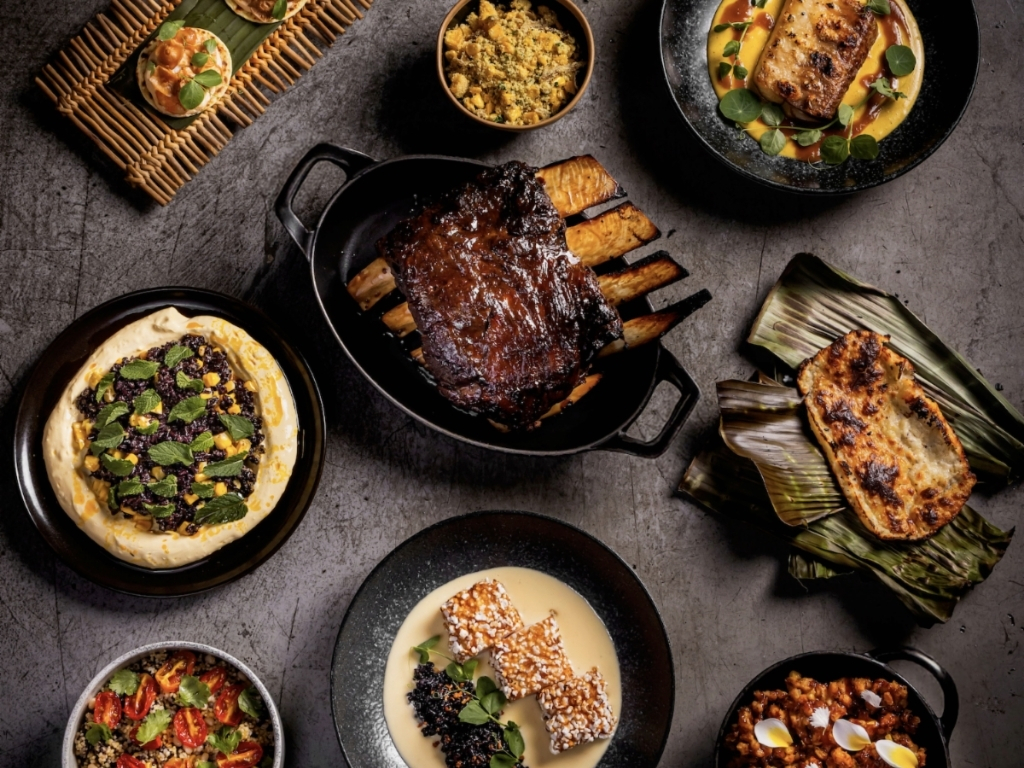
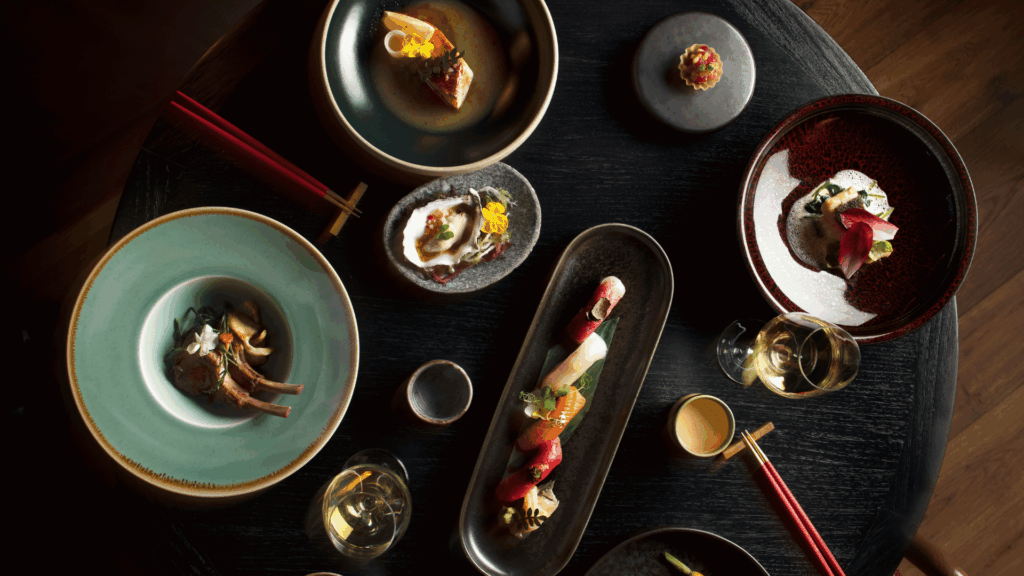
The seven-course Land to Sea experience will draw from coastal waters, nearby forests, and small regional suppliers, with preservation techniques playing a visible role, particularly outside peak growing months. Courses will move between wild and cultivated ingredients, with pairings selected to support rather than dominate the food and sourced from producers whose practices align with the retreat’s philosophy. The dinner takes place at a long table at The Greene’s House, an onsite communal space designed for gathering. Service is intended to be informal and conversational, with guests seated close enough to the kitchen to follow what’s happening and engage as the evening unfolds, setting a tone that’s more casual than ceremonial.

Beyond dinner, The Cape will offer hands-on cookery classes focused on skills such as pasta- and pastry-making. These intimate sessions with Chef Alex will centre on technique, ingredients, and a deeper understanding of process.

Accommodations at The Cape Retreat are designed for a slower rhythm, with six cabins thoughtfully placed around the property. Visit The Cape’s website to sign up for the newsletter and stay informed about when bookings open.

Five Culinary Hotel Packages to Book This Winter

Need a reason to book a winter getaway? These hotel dining experiences prove that the most memorable meals of the season often come with a room key.

Six Senses Crans-Montana

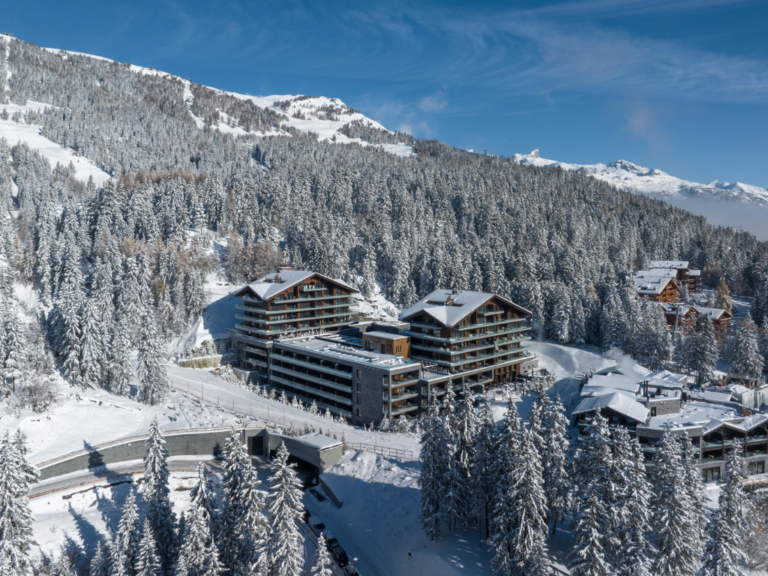
High above the Rhône Valley, Six Senses Crans-Montana has quietly reworked its winter dining programme to reflect alpine life authentically. For Winter 2025, the hotel has introduced a series of reimagined culinary experiences that move away from ski-resort clichés and toward something more elemental: chef-led tasting menus built around Swiss mountain produce, thoughtful wine pairings from Valais vineyards clinging to steep south-facing slopes, and a clear emphasis on preservation, fermentation, and seasonality. 

Rosewood Castiglion del Bosco

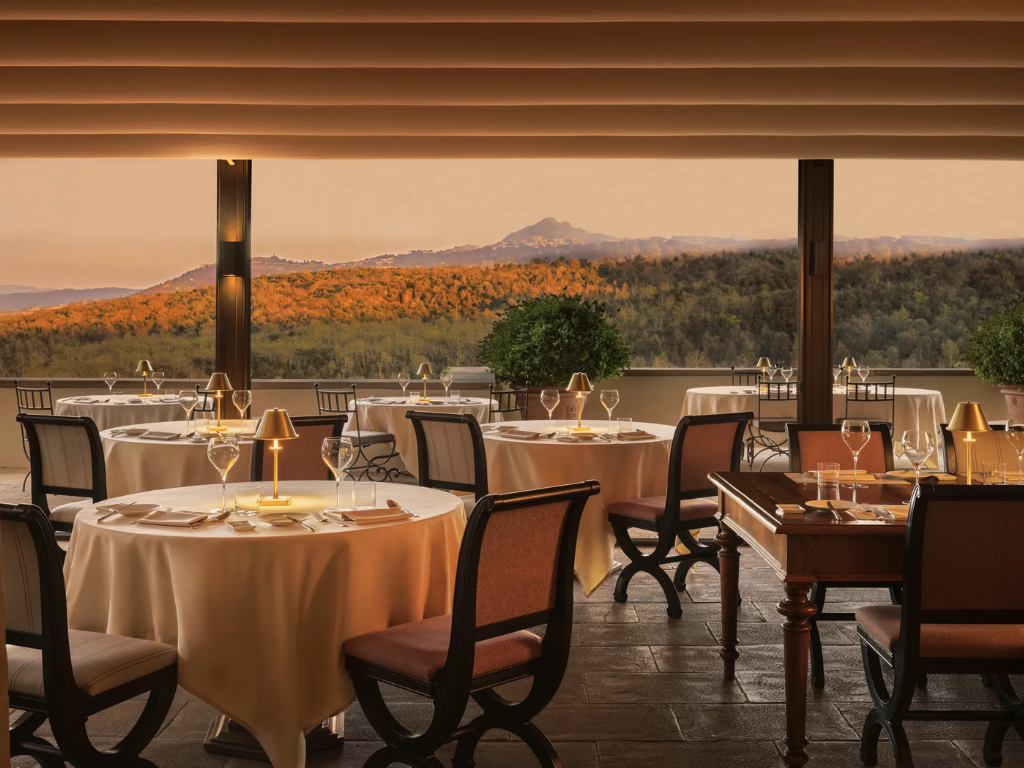
Winter truffle season is short and precise, and Castiglion del Bosco treats it accordingly. Set among vineyards outside Montalcino, the Rosewood estate centres its seasonal culinary programming on white and black truffles sourced locally, with guests invited to join truffle hunters and their dogs before returning to the kitchen. In the restaurant, truffles are used sparingly — shaved over hand-cut pasta or eggs, never overwhelmed — and paired with Brunello di Montalcino, whose structure feels especially suited to winter dining. 

Manoir Hovey

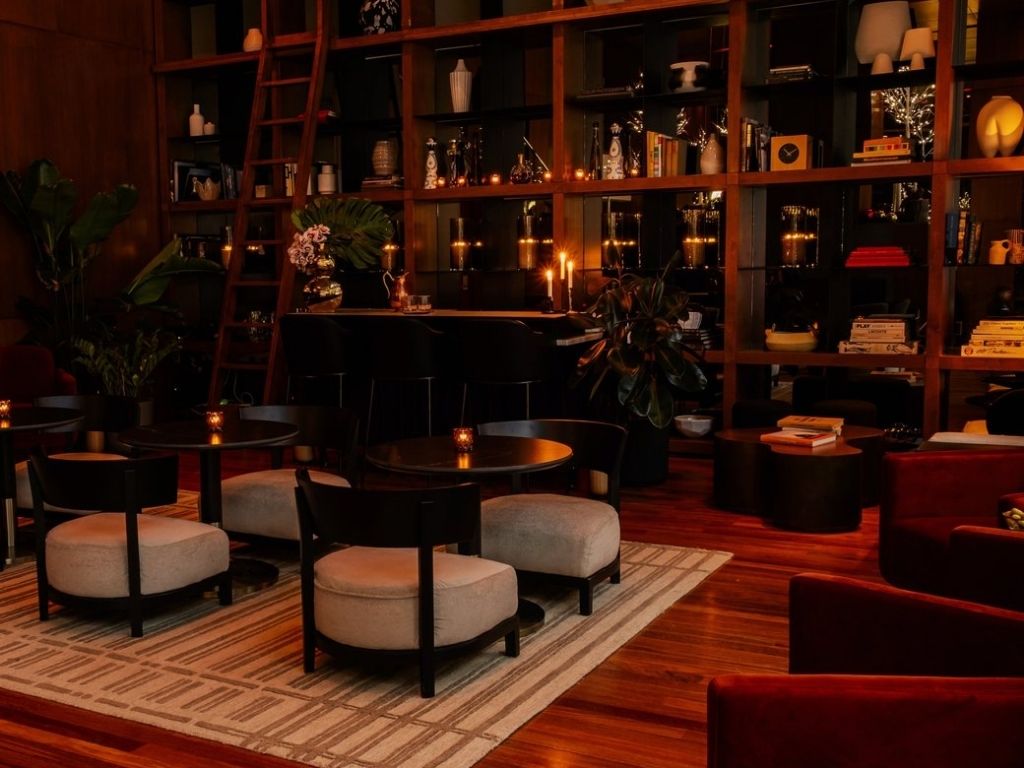
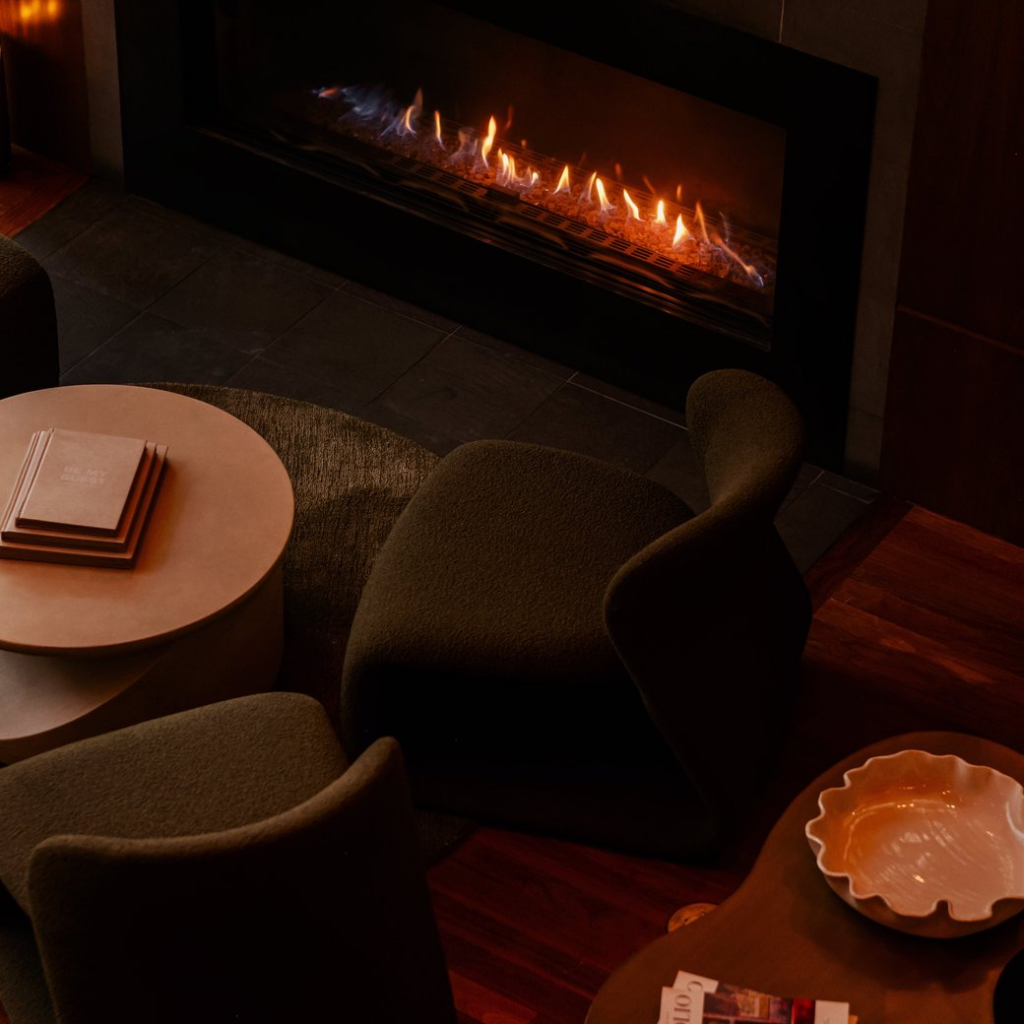
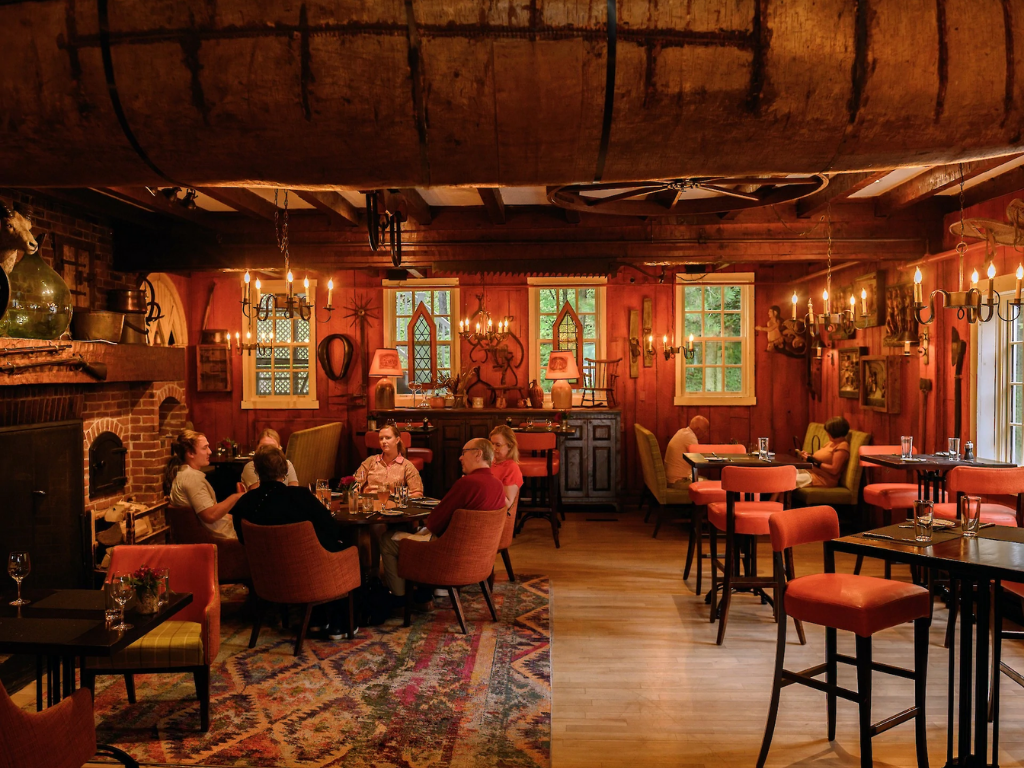
When the Eastern Townships settle into winter, Manoir Hovey feels made for it. The lakeside manor — all wood-panelled rooms, crackling fireplaces and deep armchairs positioned for lingering — provides a natural backdrop for the hotel’s quietly serious approach to food. Winter culinary stays centred on farm-driven table d’hôte menus built from Québécois producers skilled in cold-season cooking: preserved fruits, winter-hardy vegetables, local cheeses and carefully sourced meats. Meals unfold at an unhurried pace, often followed by informal tastings of cider, ice wine or local spirits, reinforcing the sense that winter here is something to sink into rather than rush through.

Hotel Jerome

Throughout ski season, Aspen’s Hotel Jerome hosts a rotating calendar of chef-led dinners and collaborative tasting menus tied to visiting chefs and regional food events, with menus that lean into mountain cooking traditions — game, hearty grains, winter vegetables — interpreted through a contemporary lens. These are social, convivial evenings rather than splashy pop-ups, shaped as much by the hotel’s long history as by what’s coming out of the kitchen.

The Muse New York

Winter in New York doesn’t usually include outdoor dining, which is what makes The Muse’s Cozy by the Hudson Experience feel so unique. The package pairs a one-night stay with a private, heated igloo picnic for two along the Hudson River Greenway, designed by PikNYC and styled to feel intimate and well considered. Inside, guests settle in with a luxury picnic setup before returning to the hotel for a round of seasonal cocktails at Little Opus, its recently opened bar and restaurant. 

The Best All-Inclusive Resorts for Food Lovers

All-inclusive beach resorts have levelled up — and their culinary programs are stealing the spotlight.

Beach vacations and good food haven’t always gone hand in hand (we’re looking at you, 24/7 buffet). But that’s changing: a new wave of luxury all-inclusive resorts is investing in culinary talent, regionally rooted menus and elevated dining experiences that rival the best urban restaurants.


UNICO 20°87° Hotel Riviera Maya, Mexico

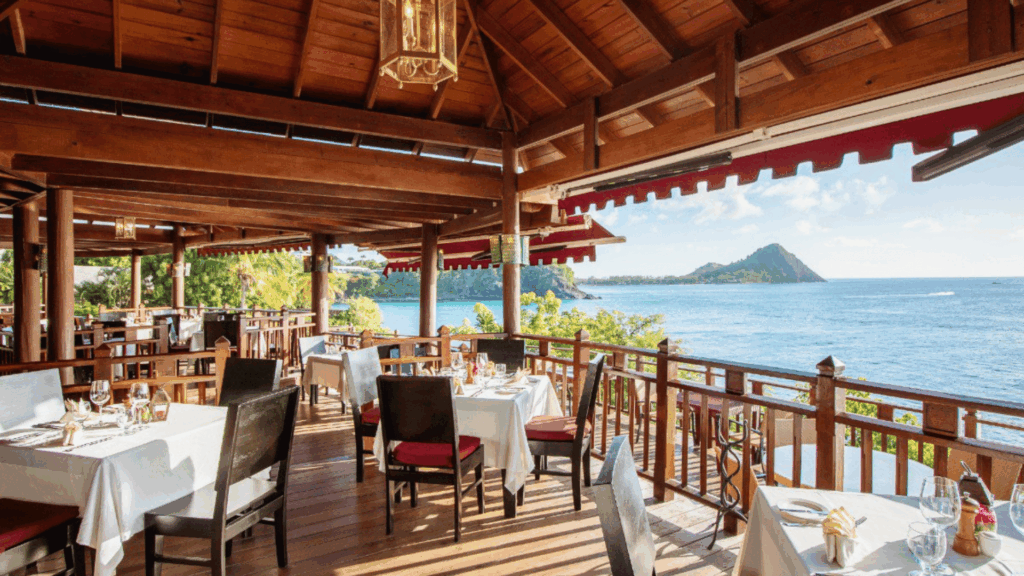
UNICO 20°87° has redefined what “all-inclusive” can mean by putting culinary creativity front and centre. The resort’s Chef-in-Residence program invites Mexico’s top chefs to take complete control of Cueva Siete, its flagship restaurant. The latest resident, Gerardo Vázquez Lugo — celebrated for his mastery of traditional Mexican cuisine — brings a deeply regional Yucatecan menu that highlights local ingredients like jicama, plantain, purslane and achiote. This is destination dining inside an all-inclusive resort, and it’s one of the most ambitious food programs in the Caribbean.

Cocina de Autor Los Cabos

Grand Velas Los Cabos, Baja California Sur, Mexico

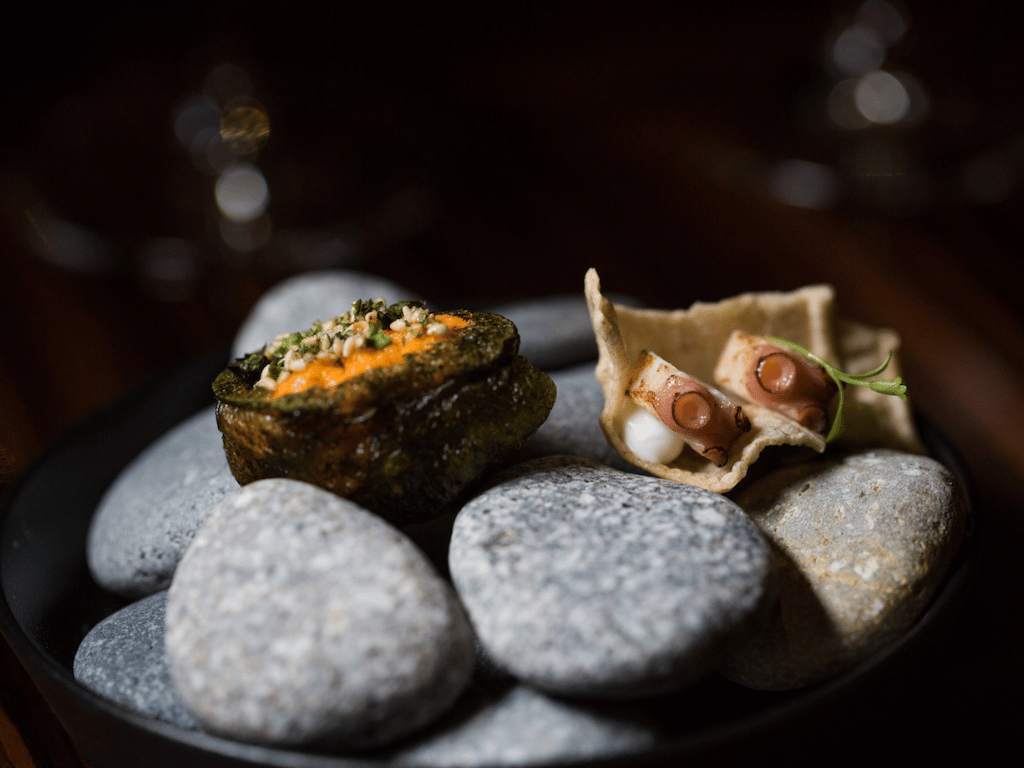
Grand Velas has long been the gold standard for luxury all-inclusive dining, and Los Cabos is its crown jewel. Here, guests can experience Cocina de Autor, one of the world’s only Michelin-starred restaurants located within an all-inclusive resort. The tasting menu is a sophisticated, technique-driven journey through Baja flavours, complemented by a global wine list that spotlights Mexican vintners. Across the property’s seven restaurants — from French fine dining to addictive beachfront ceviches — the culinary bar is set impressively high.

Spice Island Beach Resort, Grenada

This family-owned Relais & Châteaux property on Grand Anse Beach champions “elevated Caribbean cuisine” long before it became a trend. At Oliver’s, guests enjoy dishes highlighting local catch, island spices and fresh herbs grown onsite. The fine-dining atmosphere doesn’t feel the least bit stuffy — just warm, polished and deeply rooted in Grenadian hospitality. The fact that it’s all-inclusive only sweetens the experience.
Minitas at Casa de Campo

Casa de Campo Resort & Villas, Dominican Republic

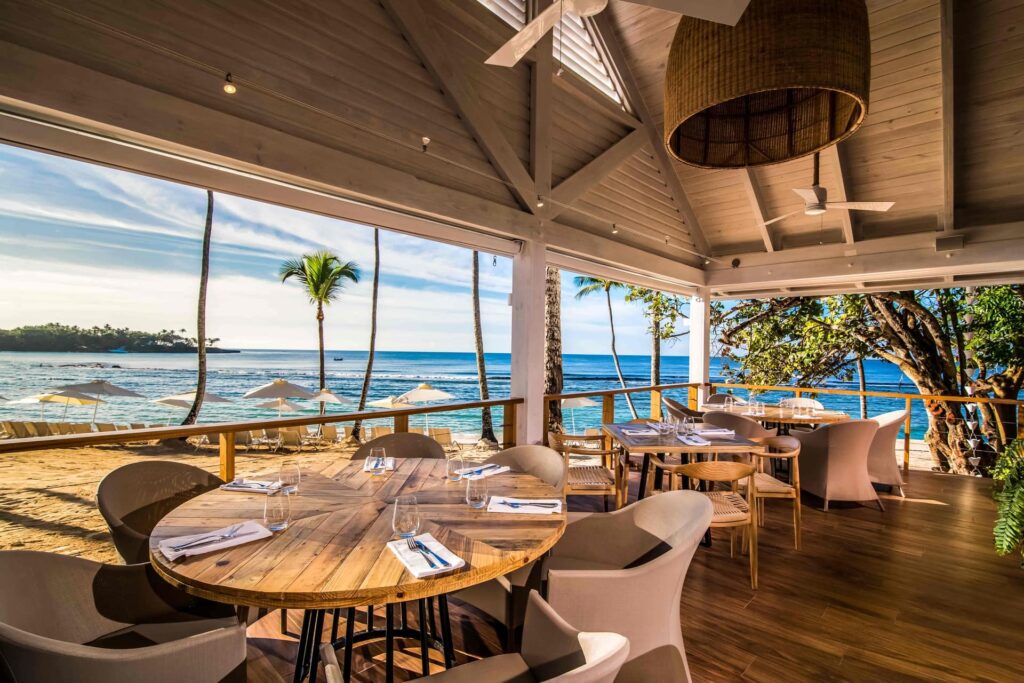
Casa de Campo feels like a culinary destination unto itself. With a collection of eight restaurants plus bars and food trucks, the resort offers impressive variety without compromising quality. La Caña serves refined Mediterranean-Dominican dishes, while Chilango Taqueria, La Piazzetta and the stylish Minitas Beach Club deliver everything from handmade pasta to wood-fired seafood. For travellers craving breadth and flavour in equal measure, this is one of the Caribbean’s richest gastronomic playgrounds.

TRS Ibiza Hotel, Spain

On the sunset coast of Ibiza, TRS brings a chic, adults-only twist to all-inclusive dining. Highlights include El Gaucho for premium cuts of grilled meat, Helios for Mediterranean plates overlooking the water and Gravity, a rooftop bar known for sushi, cocktails and nightly DJ sets. The food scene borrows from Ibiza’s upscale beach-club culture — stylish, flavourful and meant to be lingered over.
The Cliff at Cap

Cap Maison, St. Lucia

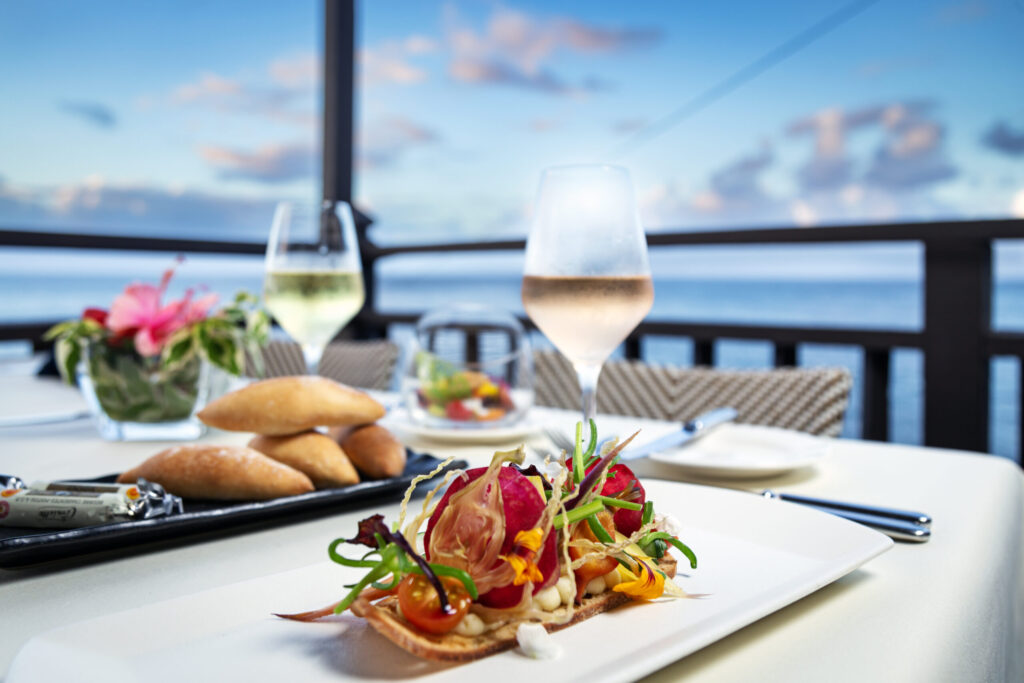
Cap Maison’s cliffside setting is stunning, but its culinary reputation is what sets it apart. The Cliff at Cap is widely regarded as one of St. Lucia’s top restaurants, known for French-Caribbean dishes crafted with local produce and fresh-caught seafood. The resort’s Cap It All all-inclusive option covers à la carte dining and a generous selection of wines and beverages, making it ideal for travellers who want boutique-hotel cuisine alongside resort convenience.

Secrets Papagayo, Costa Rica

Set on the Papagayo Peninsula, this adults-only Hyatt Inclusive Collection resort embraces fresh, tropical flavours. À la carte dining spans wood-fired Italian at Portofino, Pan-Asian favourites at Himitsu and grilled specialties at Seaside Grill. Aqua, the resort’s light and health-minded restaurant, offers fresh dishes that still feel indulgent. With national parks and Costa Rica’s wildlife-rich coastline nearby, it pairs thoughtful dining with effortless beach relaxation.
The Lobster House

Excellence Oyster Bay, Jamaica

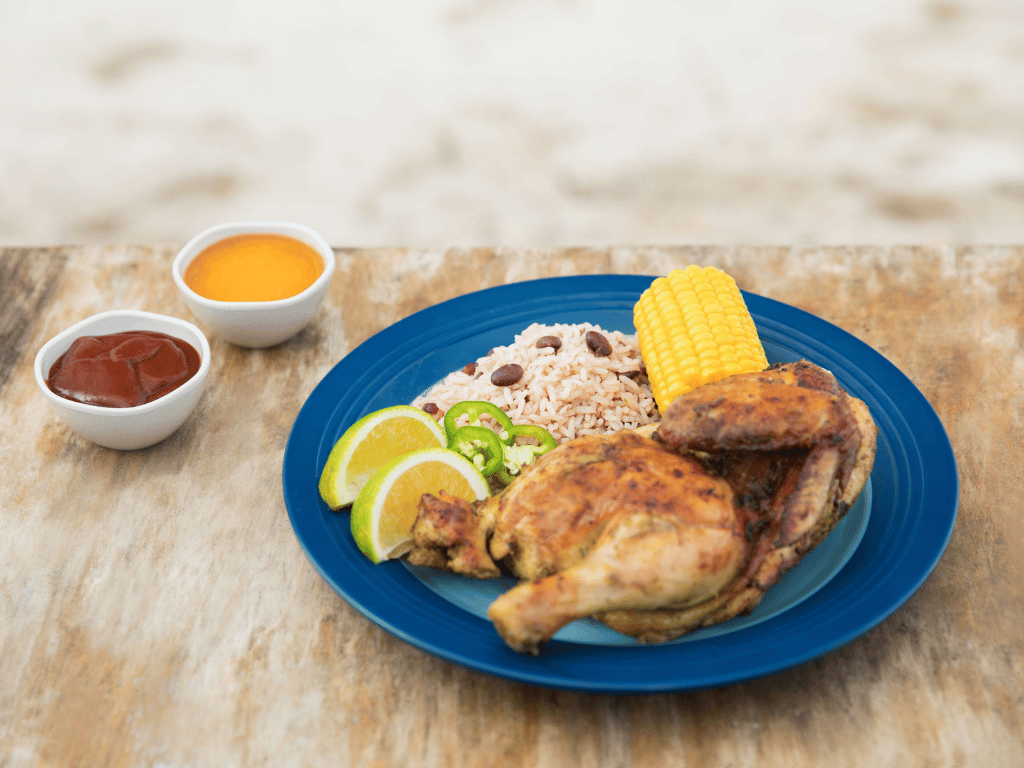
Perched on its own private peninsula near Falmouth, Excellence Oyster Bay layers Jamaican influences into its wide-ranging dining program. The resort’s romantic French restaurant, Chez Isabelle, is a guest favourite, while The Lobster House serves beach-casual seafood with ocean views. Expect jerk-spiced dishes, tropical cocktails and a mix of gourmet and toes-in-the-sand experiences. Food lovers who want both abundance and quality will be more than satisfied here.
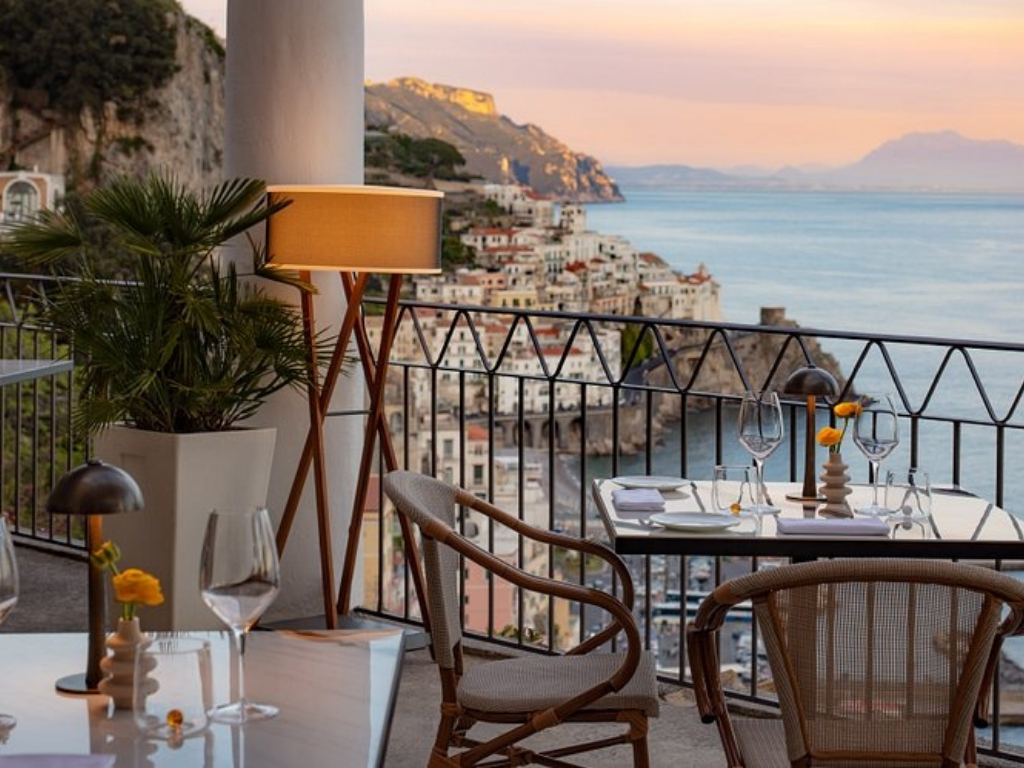
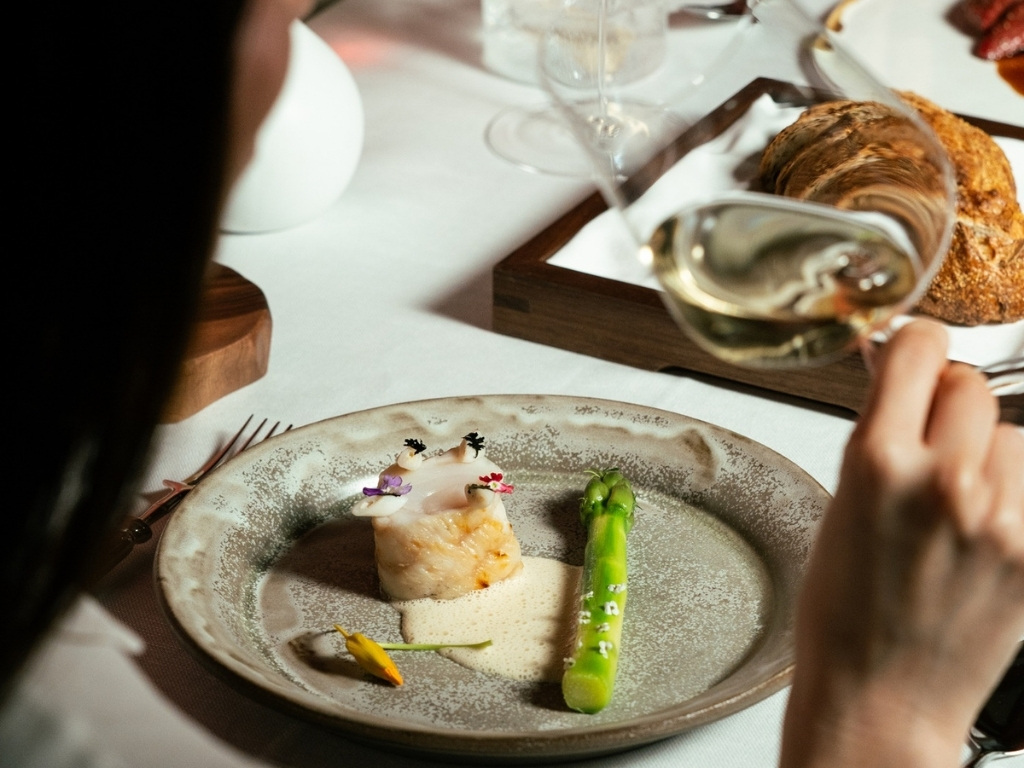
Stanley Restaurant Montreal

Make It a Hockey Night in Montreal at Stanley Restaurant

Game-night energy meets gourmet at Le Centre Sheraton, just steps from the rink.

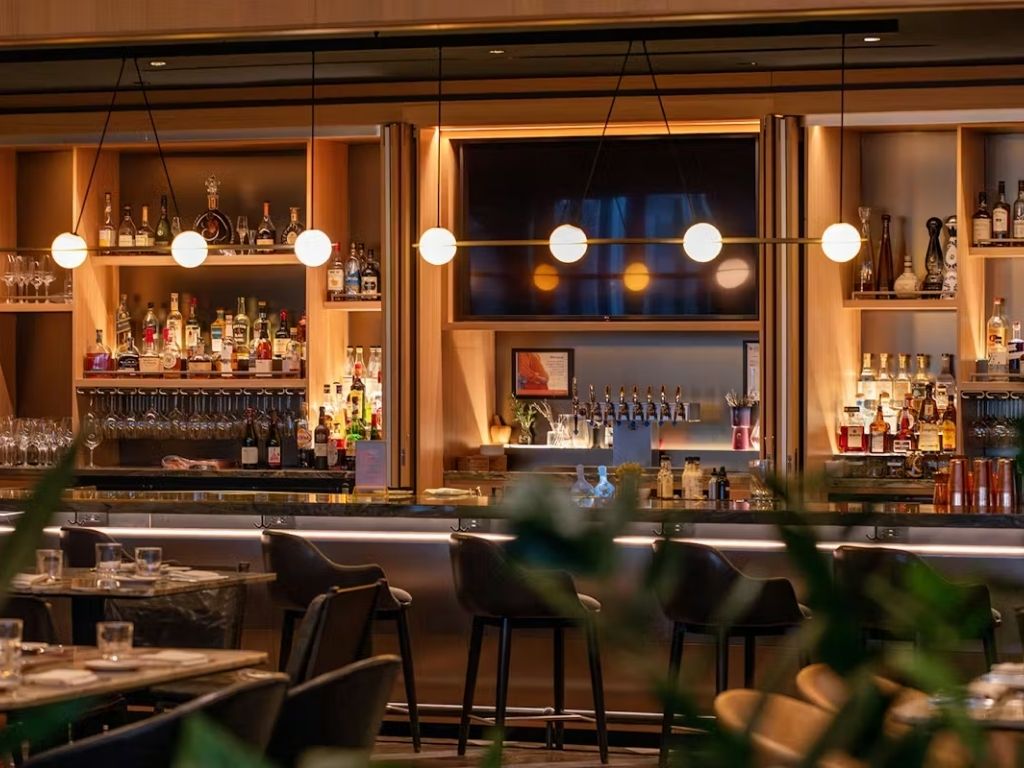
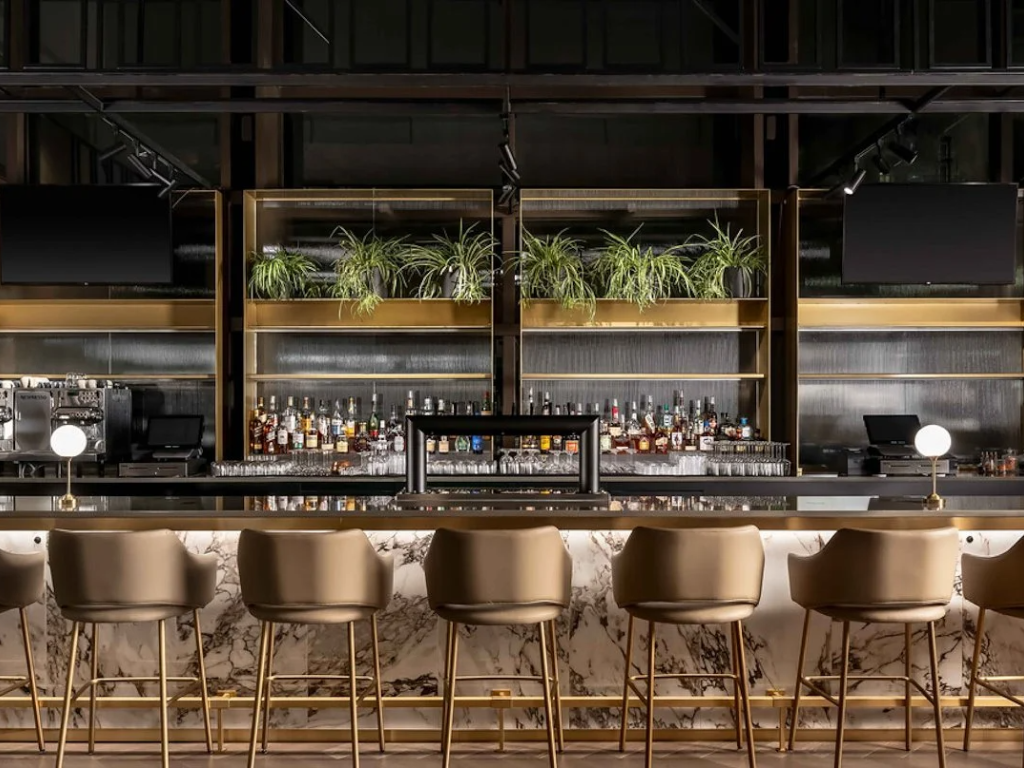
Stanley Restaurant Montreal bar
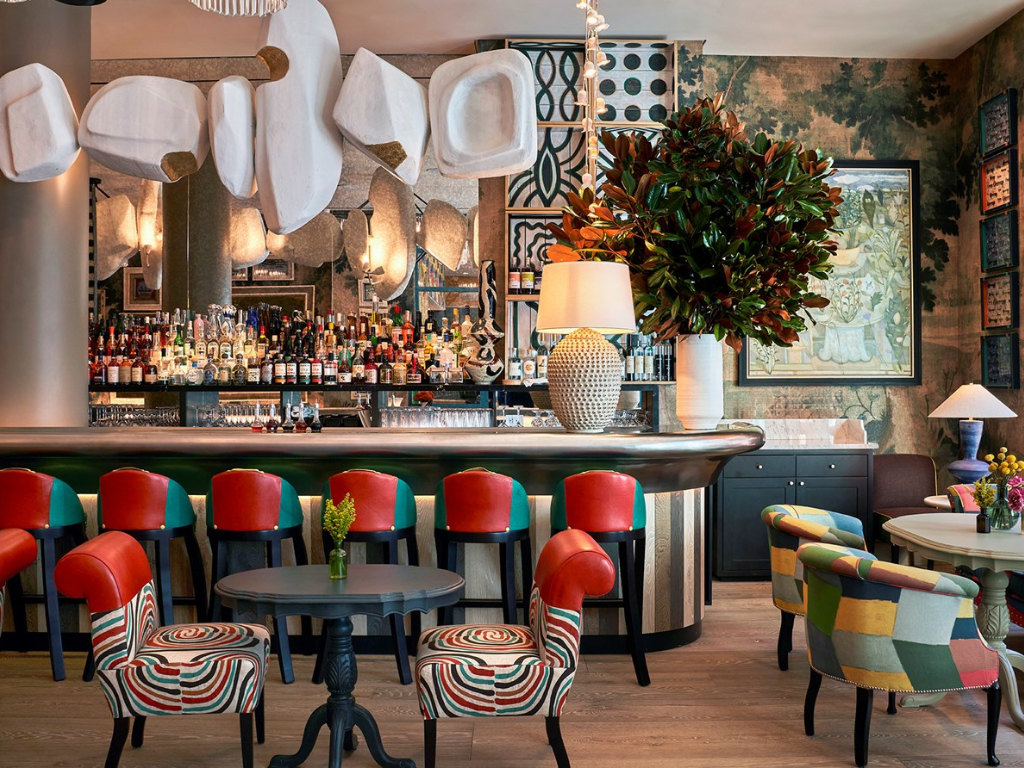
Stanley Restaurant Bar

Nestled in the heart of downtown at Le Centre Sheraton Montréal Hôtel—just steps from the Bell Centre—Stanley brings together the thrill of a hockey night out with a culinary twist. Opened last year, the restaurant occupies the hotel’s revamped lobby, offering visitors and locals alike a seamless blend of elevated hospitality, game-night buzz, and urban ease.

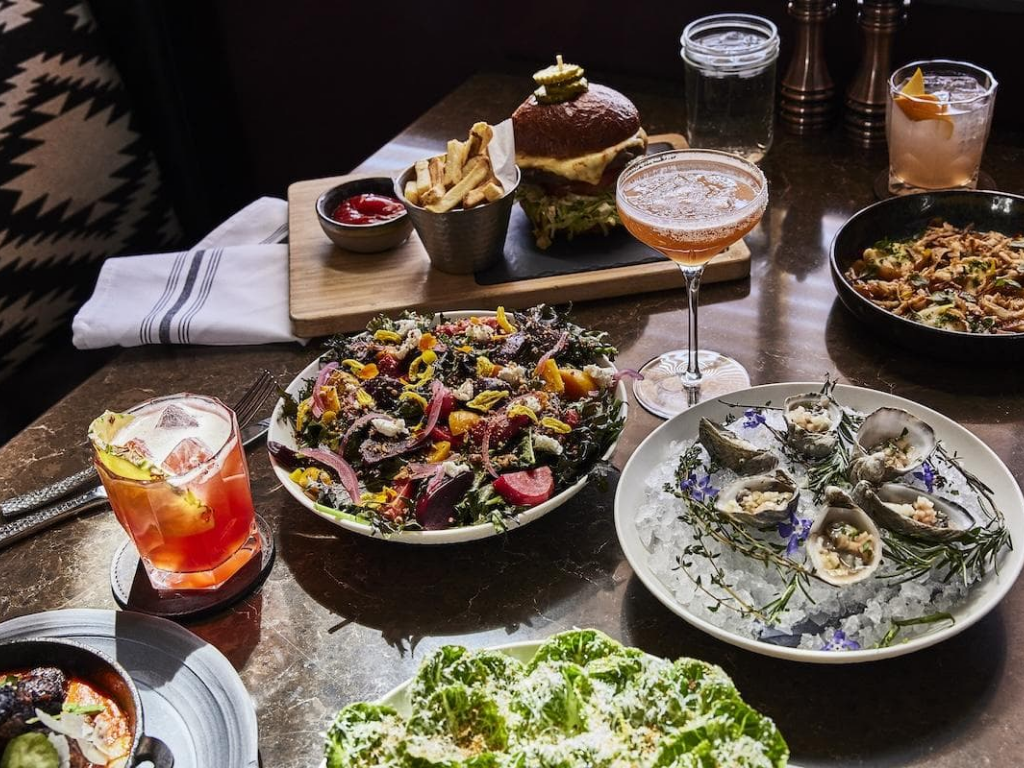
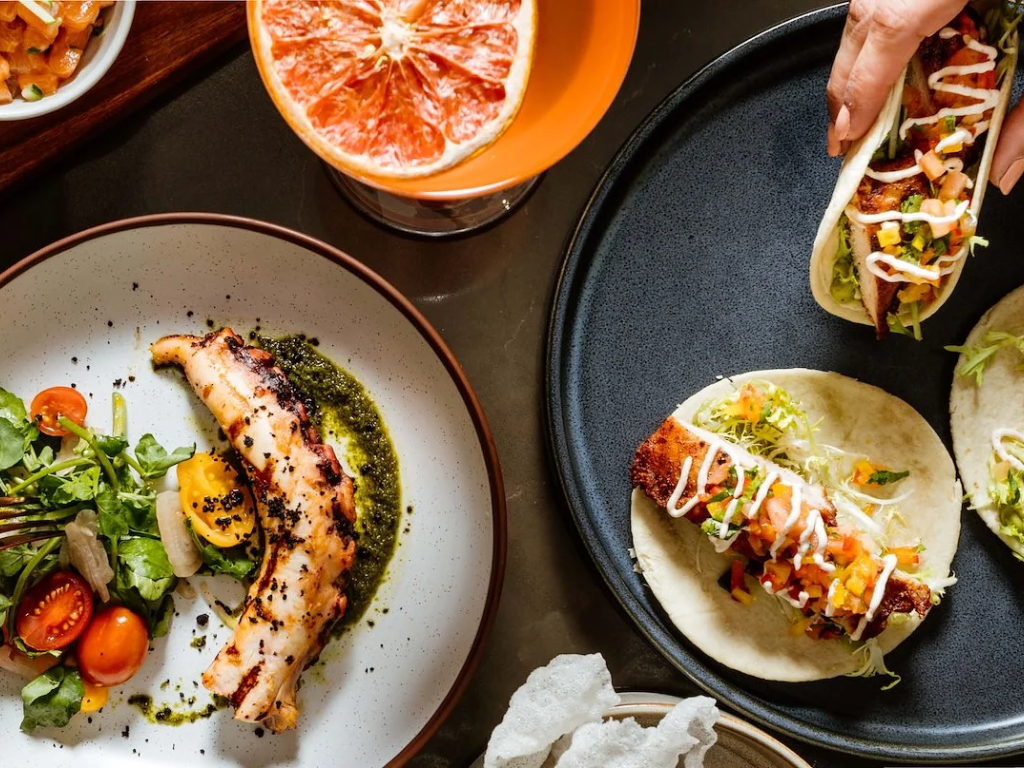
Share a plate of heirloom tomatoes carpaccio layered with stracciatella and tomatillo salsa verde, or the vibrant Mahi-Mahi ceviche dressed with coconut milk, lemongrass oil, and plantain chips. There’s also a top-rated grilled octopus with orange-honey glaze.

For mains, choose from a hearty beef burger with candied garlic aioli, a bright tuna and scallop poke Bowl, or flame-kissed Piri-Piri chicken. The plates are hearty yet refined, and the setting feels more lounge than sports bar.

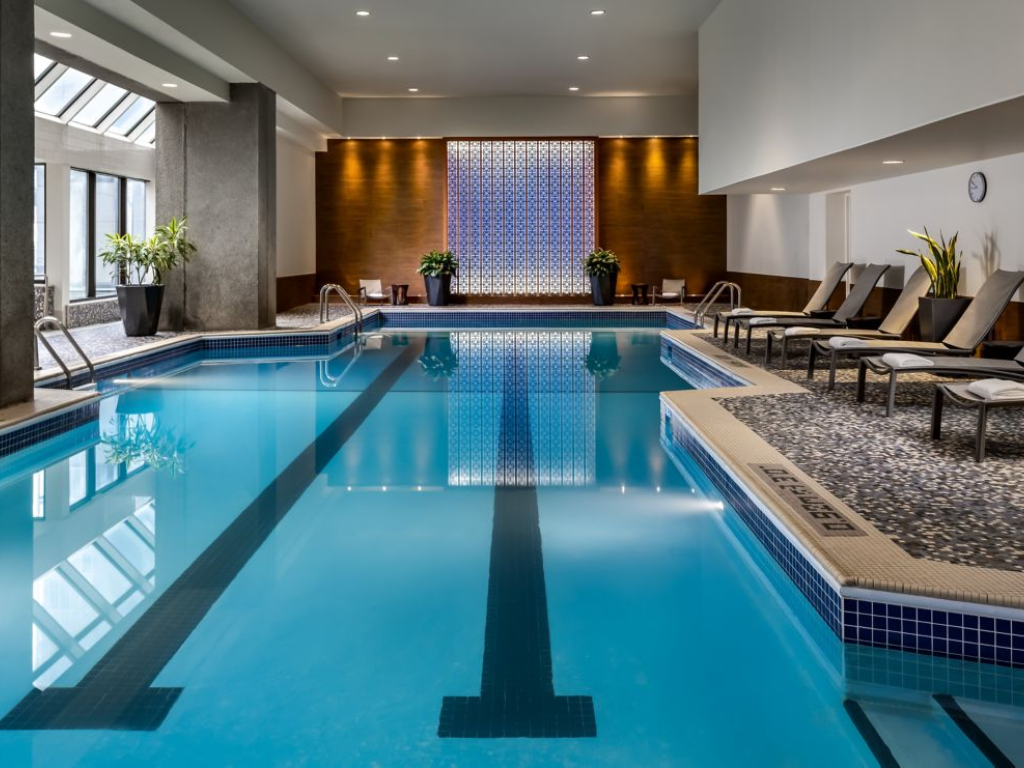
Centre Sheraton Montreal Pool
Centre Sheraton Montreal Suite

After dinner, guests can keep the evening moving: a short stroll to the Bell Centre, or a return to a plush suite upstairs. Overnight visitors can take advantage of the hotel’s expansive pool and gym—perfect for working off those appetizer rounds.

Whether you’re in town for the puck drop or simply after a stylish downtown stay that eats well, a night at Stanley and Le Centre Sheraton is a win.

“Comfort Is the New Luxury”: Marriott Forecasts Asia-Pacific’s Next Food Trends

Forget white tablecloths — Asia-Pacific’s hotel kitchens are trading formality for feel-good flavours.

Marriott International has just released its Future of Food 2026 report for the Asia-Pacific region, and the takeaway is clear: travellers want dining that feels good as much as it tastes good. Drawing insights from chefs, mixologists, and food-and-beverage directors across more than 270 hotels in 20 markets, the report charts a shift toward warmth, familiarity, and storytelling.

Gone are the days when fine dining meant hushed tones and starched linens. Today, “comfort is the new luxury,” says the report, as hotels across Asia-Pacific reimagine indulgence through approachable yet elevated experiences. Think truffle-infused noodles instead of foie gras, or caviar-topped fried chicken in place of a ten-course tasting menu. Diners crave dishes that surprise without intimidating — a sign that culinary confidence now comes from authenticity, not extravagance.

Another headline trend: immersion. Nearly half of Marriott’s F&B teams say guests are seeking interactive dining moments — the kind where you meet the chef, watch something sizzle tableside, or take part in the plating yourself. The report also highlights a strong pull toward local and indigenous ingredients, with 85% of hotel restaurants incorporating them as a defining element of their menus rather than a token garnish.

Technology is also quietly joining the kitchen brigade. AI-driven menu design and real-time guest feedback are helping chefs fine-tune dishes while keeping the personal touch front and centre. And geographically, expect to see Indonesia, Vietnam, and the Philippines emerge as the next culinary powerhouses, where a new generation of chefs is blending deep tradition with bold creativity.

The message? Asia-Pacific’s hotel dining scene is having a renaissance — one rooted in comfort, connection, and a sense of place. Because in 2026, the most memorable meals won’t just be the fanciest. They’ll be the ones that make you feel at home, wherever you are.

MICHELIN Unveils Its Key Standard for Hospitality

The latest distinction celebrates hotels that pair culinary soul with inspired design and sense of place.

For over a century, the MICHELIN Guide has defined the pinnacle of dining — those coveted stars signalling where to find the most extraordinary meals on earth. Now, the brand synonymous with culinary excellence is turning its discerning eye toward hospitality with the introduction of the MICHELIN Keys, a new global standard for hotels that deliver not just comfort, but character.

This year’s rollout recognizes 2,457 hotels across more than 120 countries, each evaluated with the same meticulous approach that made the guide a byword for quality. The aim is simple yet ambitious: to help travellers navigate an increasingly crowded world of boutique hotels, eco-lodges, and design-driven stays — and to spotlight the properties that transform a night away into an experience worth crossing the world for.

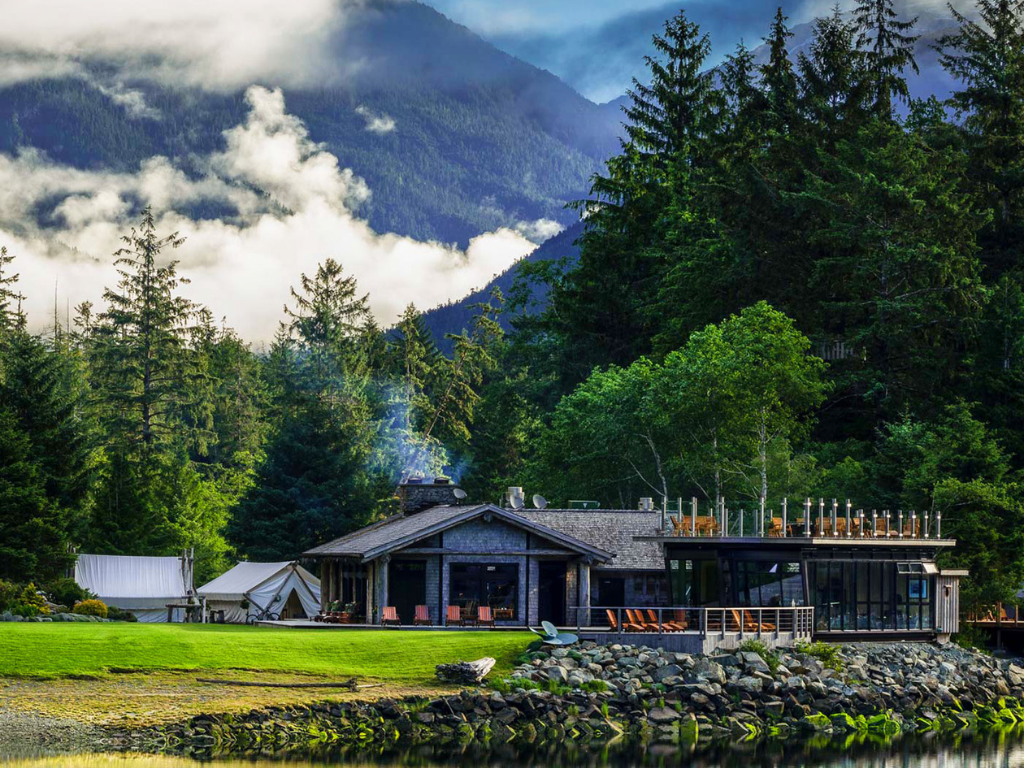
Much like MICHELIN’s restaurant stars, the new system awards One, Two, or Three Keys, reflecting a property’s mastery of atmosphere, design, and service. A single Key signals a hotel with distinctive personality or flair; Two Keys mark a destination where every detail works in harmony; Three Keys are reserved for the rare few that feel transcendent — where everything from the linens to the lighting tells a story. (Vancouver Island’s Clayoquot Wilderness Lodge, pictured above, is among them.)

Wakax Hacienda
Warren Street Hotel

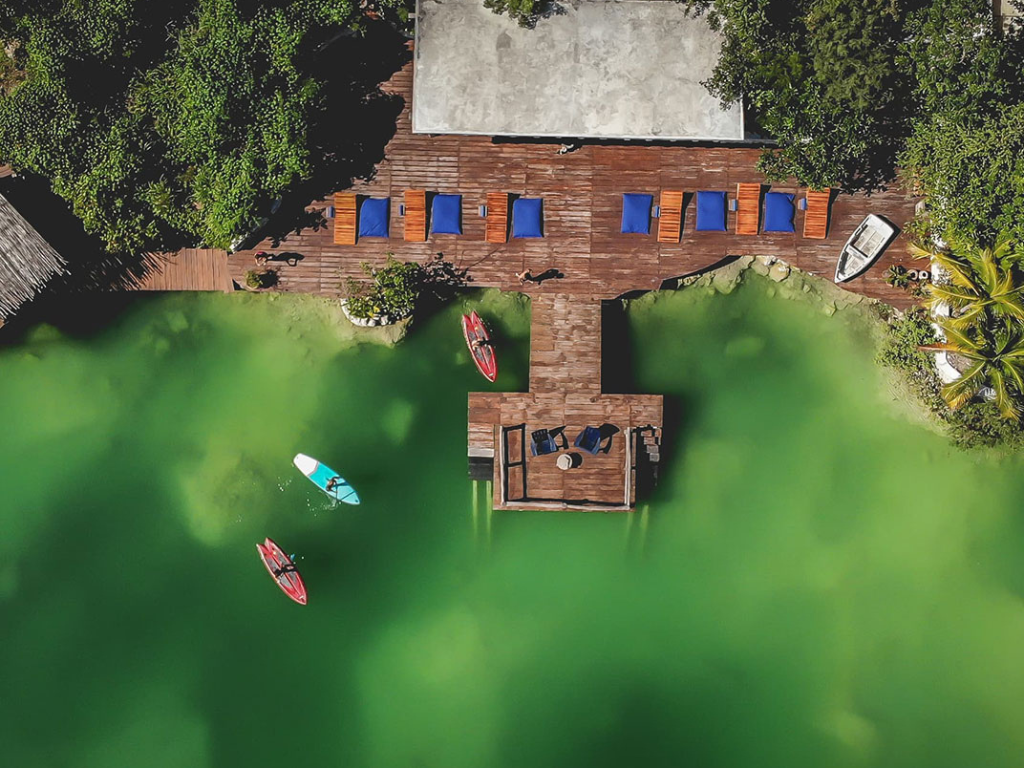
In North and Central America, fifty hotels earned upgrades this year, including Wakax Hacienda – Cenote & Boutique Hotel in Tulum and New York’s Warren Street Hotel, both elevated from One to Two Keys. Across Asia, Europe, and Oceania, new designations highlight a diverse mix of modern icons and quietly luxurious retreats — proof that excellence takes many forms, from mountain lodges to urban hideaways.

The message is clear: hospitality now stands shoulder to shoulder with gastronomy in the MICHELIN universe. For travellers, the Keys offer something increasingly rare — a trusted benchmark in an era of endless choice. For hotels, they’re an invitation to join a new generation of luxury defined not by opulence, but by authenticity, artistry, and heart.

Appellation Healdsburg: A New Kind of Wine Country Stay

In Sonoma’s newest stay, the tasting menu never ends — from house-milled pasta at Folia to honey cocktails under the stars.

If you’ve been considering a fall visit to Sonoma, here’s your sign to book your flight. Appellation Healdsburg, the newly-opened hotel from chef Charlie Palmer and hospitality veteran Christopher Hunsberger, has officially opened its doors, inviting guests to experience wine country through a culinary lens.

Spread across eight and a half acres on the edge of downtown Healdsburg, the property unfolds like a modern-day village: gardens, outdoor lounges, and winding paths connecting a mix of suites, studios, and communal spaces. It’s the kind of setting that feels as if it’s been quietly growing here for years — natural, welcoming, and unmistakably rooted in Sonoma’s agricultural rhythm.

But make no mistake: this is a chef’s hotel. Every detail, from the scent of firewood drifting from the open kitchen to the house-milled flour for handmade pasta, is a nod to food as both craft and connection. The hotel’s signature restaurant, Folia Bar & Kitchen, is led by Reed Palmer (Charlie’s son), whose menu leans into elemental cooking — think smoked duck breast, ember-grilled rockfish, and wood-fired vegetables that taste like they’ve been kissed by the surrounding hills.

Upstairs, Andy’s Beeline Rooftop offers a lighter, livelier take on the region’s flavours, pairing vineyard views with inventive small plates and cocktails infused with honey, herbs, and local citrus. It’s as much a social space as it is a dining one — a place where the sun lingers, the glasses clink, and the line between bar and terrace blurs beautifully.

Beyond the restaurants, food weaves through every part of the guest experience. Welcome bites replace front-desk formality. Culinary workshops and garden tastings invite guests into the creative process. Even the on-site spa embraces the region’s bounty, with treatments inspired by botanicals and wine-country harvests.

In a landscape already rich with luxury retreats, Appellation Healdsburg stands out for its sense of purpose. It’s a property built not around opulence, but around a love of flavour — proof that in Sonoma, the true essence of hospitality still begins at the table.

Pack Your Appetite: Taste of Shangri-La is Back

From Paris to Phuket, the luxury hotel group’s annual Taste of Shangri-La celebration returns this October with more than 100 hotels showcasing exclusive dishes, signature menus and immersive dining events.

Shangri-La Hotels & Resorts is inviting travellers to savour the flavours of the world with its much-anticipated Taste of Shangri-La culinary festival, running throughout October 2025. The month-long event spans the brand’s legendary portfolio of hotels and resorts across Europe, Asia, the Middle East, India and the Americas, each presenting multi-course menus and signature creations that reflect local traditions and global influences.

Highlights include foie gras dumplings with fruit chutney in Paris, Bánh Xèo with chicken quang noodles in Ho Chi Minh City, and hand-dived scallops with miso butter in London. In Dubai, Shang Palace will showcase Cantonese flavours with dishes such as King Oyster Mushrooms with Charcoal-Steamed Buns, while in Abu Dhabi, Bord Eau will serve French gastronomy with dishes like Rose de Saumon paired with green apple and miso gel. Guests can also expect curated wine pairings, immersive dining events and exclusive menus designed by Shangri-La’s award-winning chefs.

More than 28 signature restaurants and 14 hotels will participate in this year’s edition, giving travellers the chance to discover new flavours while celebrating Shangri-La’s rich culinary heritage. 

Learn more on the Shangri-La website.

Grand Hyatt is Unveiling Bold New Culinary Experiences Across Asia Pacific

When people think of hotel dining, they often picture breakfast buffets or copy-paste menus. Grand Hyatt wants to change that. Across Asia Pacific, the brand has rolled out a series of initiatives that put food — innovative, sustainable, conversation-starting food — at the centre of the guest experience.

At the Grand Hyatt Singapore, the kitchen is leading the charge with menus designed not just by chefs but also by nutritionists. The result? Meals that are indulgent without being heavy, celebratory yet balanced. What diners won’t necessarily see is the hotel’s closed-loop aquaponics system working behind the scenes: kitchen scraps are transformed into compost that nourishes herbs and vegetables, while tilapia raised in the system find their way to the table. It’s sustainability and flavor working in tandem.

Grand Hyatt Singapore

In China, the brand recently staged one of its most ambitious collaborations yet: the “10-hands Black Pearl Signature Dishes Experience.” Ten chefs from across the Hyatt portfolio came together to design a single wedding banquet, turning what might have been a standard reception meal into a once-in-a-lifetime culinary spectacle. Guests weren’t just fed; they were treated to a narrative of regional Chinese cuisines woven into a celebratory feast.

Sustainability is becoming a defining thread in Hyatt’s approach to food. In Taipei, the Cha Lounge at Grand Hyatt became the first restaurant in Taiwan to earn a three-star rating from the Sustainable Restaurant Association. That accolade signals serious commitments: sourcing local and responsible ingredients, minimizing waste, and building transparency into operations. For a global brand, it’s a powerful example of how scale and sustainability can go hand in hand.

The message is clear: Grand Hyatt doesn’t want its food and beverage programs to be an afterthought. Weddings, conferences, and social gatherings are being reimagined as opportunities for culinary creativity — whether through hyper-local sourcing, blockbuster chef collaborations, or operational systems that quietly but effectively reshape the footprint of the kitchen.

The Breakwater Inn Reopens with Maine’s Ultimate Foodie Escape

Fresh off a top-to-bottom renovation, The Breakwater Inn in Kennebunkport is welcoming guests back with a splash — and a feast. One of Maine’s oldest inns, originally a boarding house for sailors, the storied 35-room property has been reimagined by Maine-based First Serve Hospitality. The result: a seamless blend of preserved historic architecture and contemporary coastal sophistication.

Perched on the Kennebunk River just 90 minutes from Boston, the Breakwater has long drawn celebrity clientele — from Martha Stewart to Patrick Dempsey and Seth Rogen — who come for its waterfront charm, timeless hospitality, and proximity to some of Maine’s best seafood spots. Now, guests can experience it all in a new way with the Ultimate Maine Food Tour, a curated culinary journey launched to coincide with the inn’s reopening.

The two-night package unfolds like a greatest-hits menu of Maine’s coastal cuisine: lobster risotto and blueberry pie at Mabel’s Lobster Claw, golden fried clams at Bob’s Clam Hut, a surf-meets-turf burger and whoopie pie milkshake at Harbor Burger Shack, and clam chowder or beer-steamed steamers at The Maine Catch in Ogunquit. Back at the inn, the day ends with sunset cocktails on the lawn and a finale of baked stuffed lobster at Port Fish & Chop House. VIP treatment is guaranteed at every stop — think best waterfront tables, signature dishes and drinks, and car service throughout.

After a day of indulgence, guests retreat to redesigned harborside suites dressed in serene coastal décor, luxe linens, and balconies overlooking the Atlantic.

The Maine Food Tour Package (from $2,500 USD for two, available through October 12) includes two nights in an oceanview suite, all culinary experiences, and transport. Whether you come for the food, the history, or simply the view, the Breakwater’s next chapter is already making waves.