Uncategorized

Mercer Lounge Le Germain Toronto

A Classic Cocktail Bar Arrives at Le Germain Hotel Toronto

An intimate new lounge tucked just off the hotel lobby revives the glamour of the old-world speakeasy.

In the dead of winter, when the city feels more like something to endure than explore, it helps to have a reason to make plans. Mercer Lounge, the newest addition to Le Germain Hotel Toronto, offers exactly that. Now open (and just in time for Valentine’s Day plans), the intimate cocktail bar is designed as a quieter counterpoint to Toronto’s high-energy dining scene.

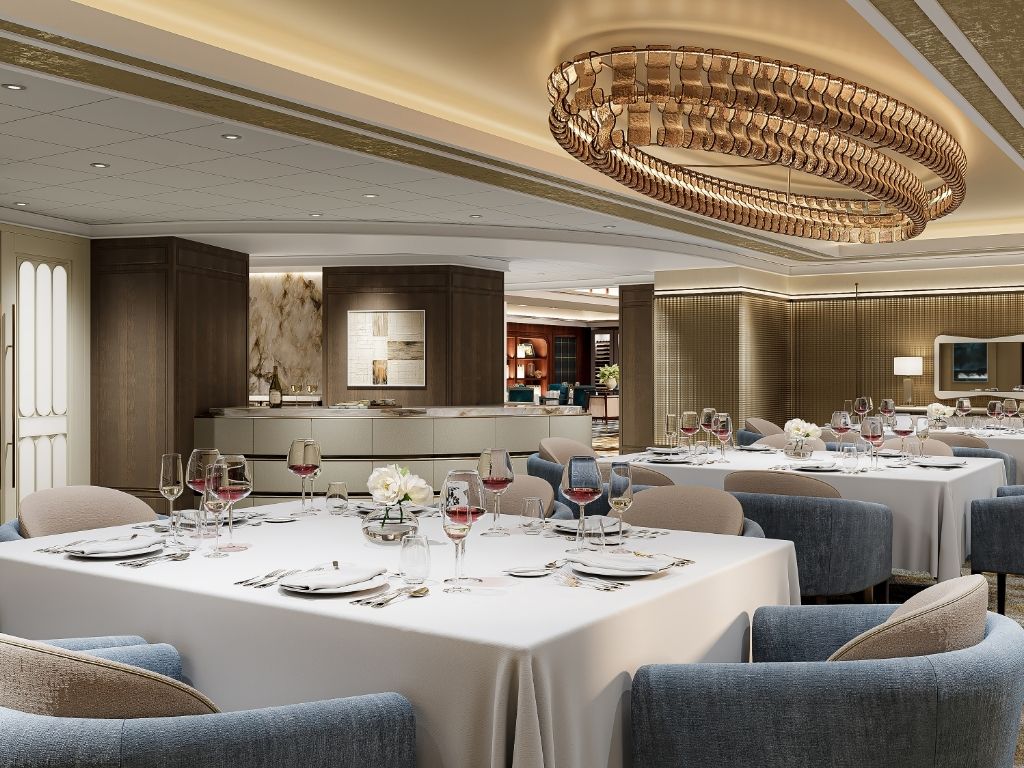
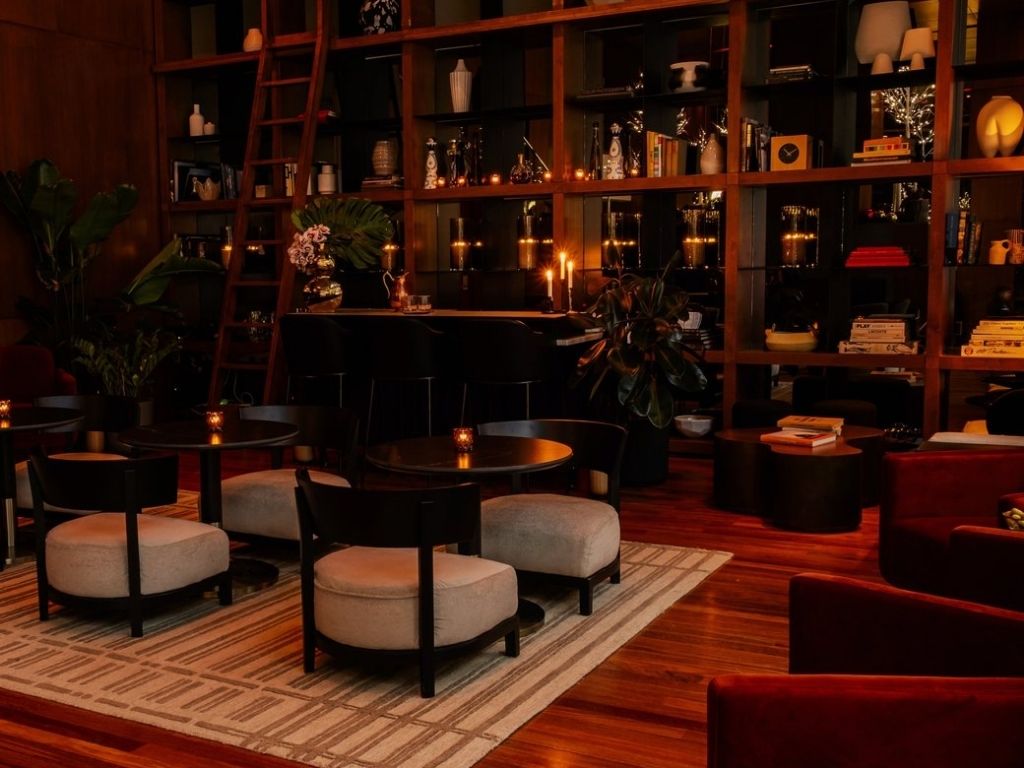
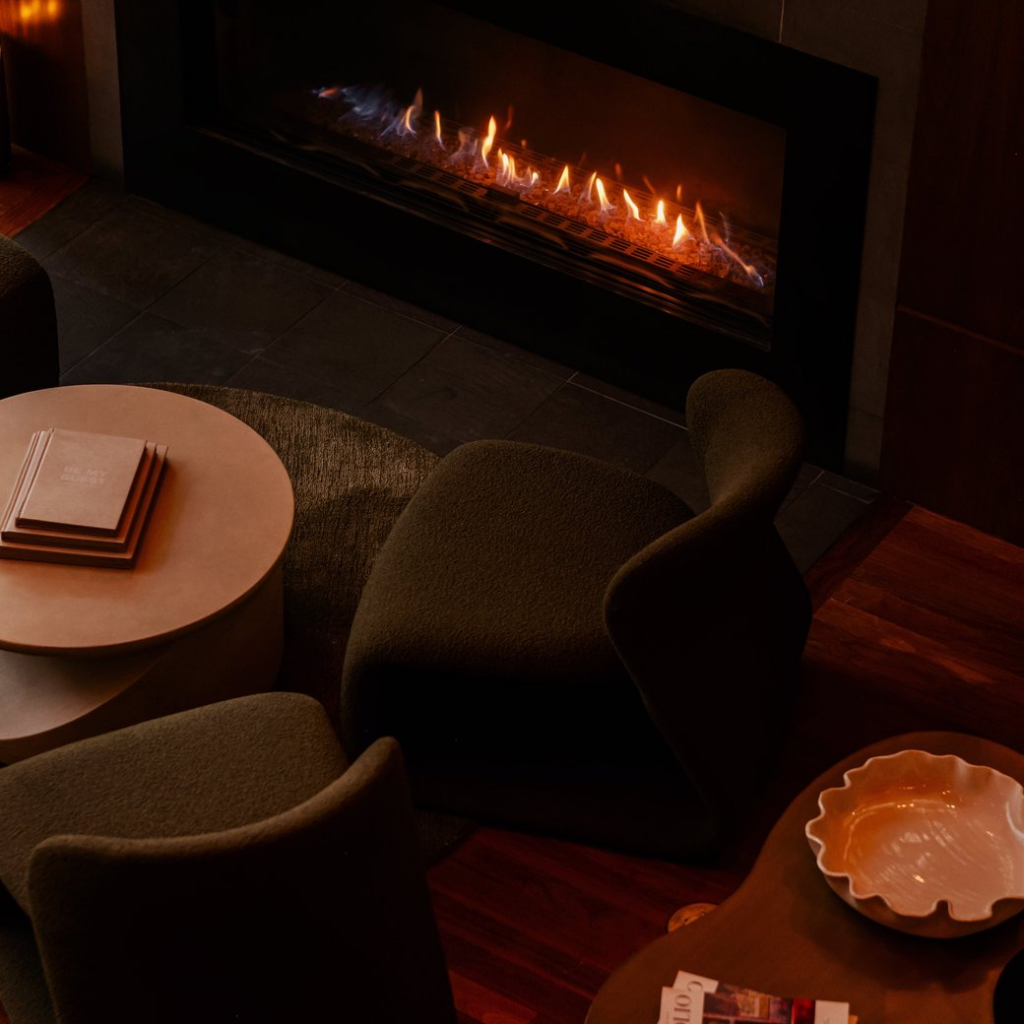
Located just off the hotel lobby, across from the bustling PUNCH restaurant, Mercer Lounge takes its cues from classic European hotel bars, where atmosphere matters as much as what’s in the glass. The space is anchored by a double-sided fireplace, with plush seating and warm lighting that set a relaxed, composed tone without feeling precious.

Mercer Lounge Toronto Le Germain Hotel

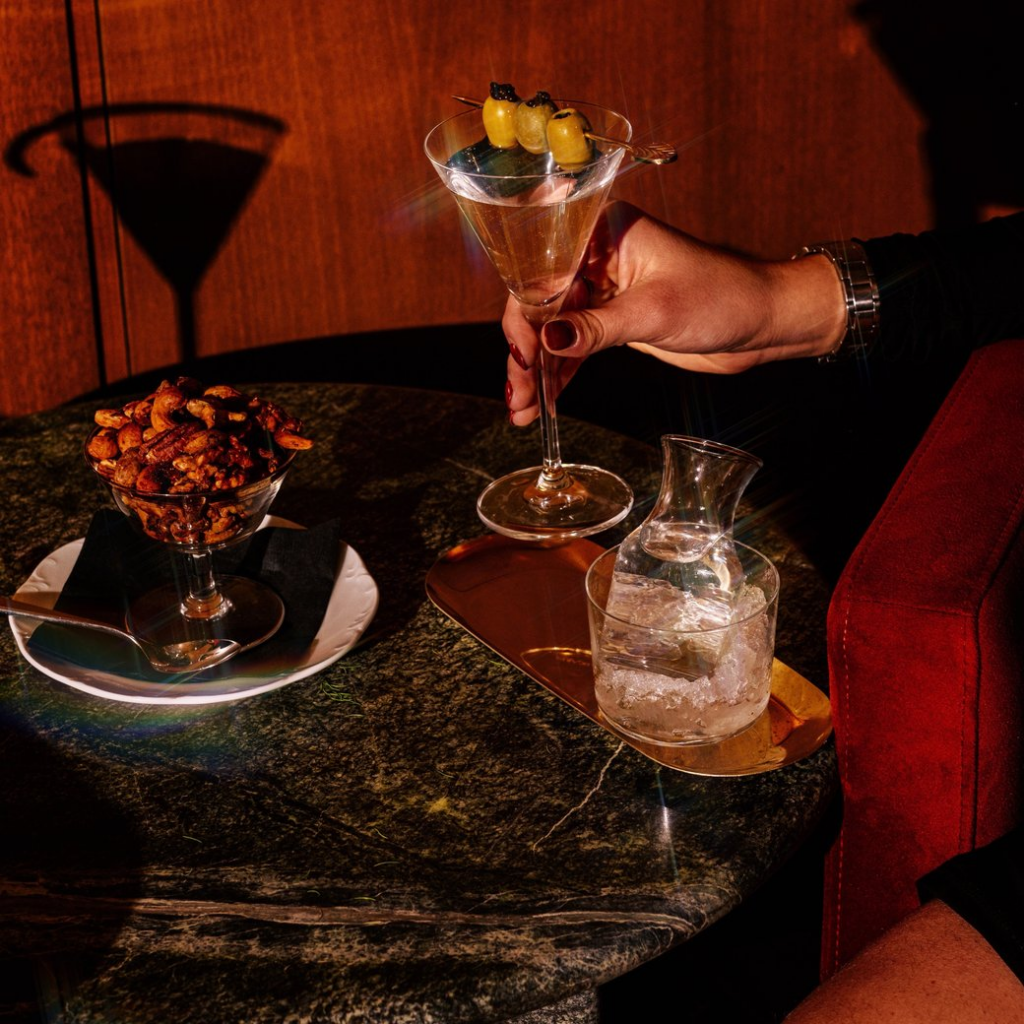
The cocktail program centres on the classics, with a particular focus on martinis. The signature Freezer Door Martini is stored at a precise temperature and poured tableside from artisan bottles, with variations ranging from classic gin or vodka to extra-dirty, Gibson, Vesper, Espresso, and Cosmopolitan styles. A concise list of classic cocktails, fine wines, and spirits rounds out the menu.

The menu of small plates incorporates subtle British-Indian accents — a quiet nod to PUNCH next door — with offerings such as fried mozzarella topped with caviar, gunpowder pâté with pork shoulder and kasundi, tuna tartare with guava-yuzu dressing, and North Indian–spiced chicken tenders served with yoghurt and chef’s sauce.

Adding to the atmosphere, Mercer Lounge hosts live vocalists on Wednesdays and Thursdays from 7 to 10 p.m., blending house remixes with original tracks for a laid-back, lounge-driven soundtrack.

Hotel lobby bars are often overlooked, but Mercer Lounge aims to be a destination in its own right. It’s a place for a pre-dinner drink, a late-night martini, or an easy winter evening out. Open Tuesday through Saturday from 5 p.m. until late, the lounge does not require reservations and offers valet parking.

Roast rack of pork with oven baked potatoes recipe

Super Bowl, But Make It Chic: 4 Crowd-Pleasing Recipes

If your idea of game-day hosting is a little more Martha Stewart than Tex-Mex layer dip, this menu is for you.

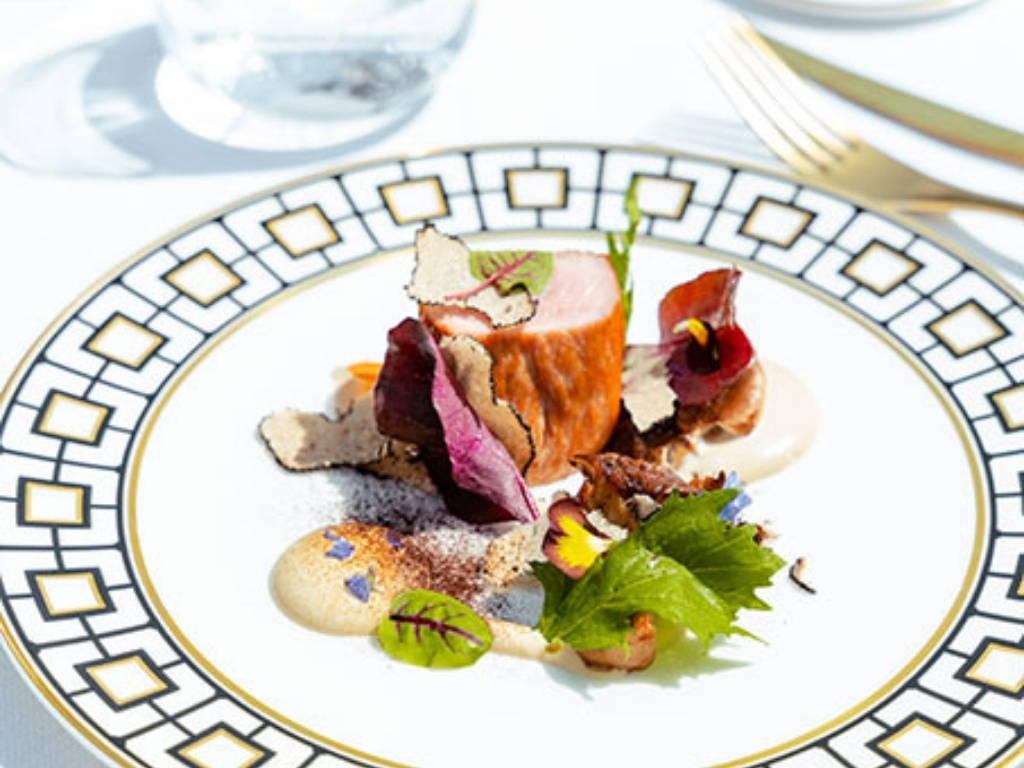
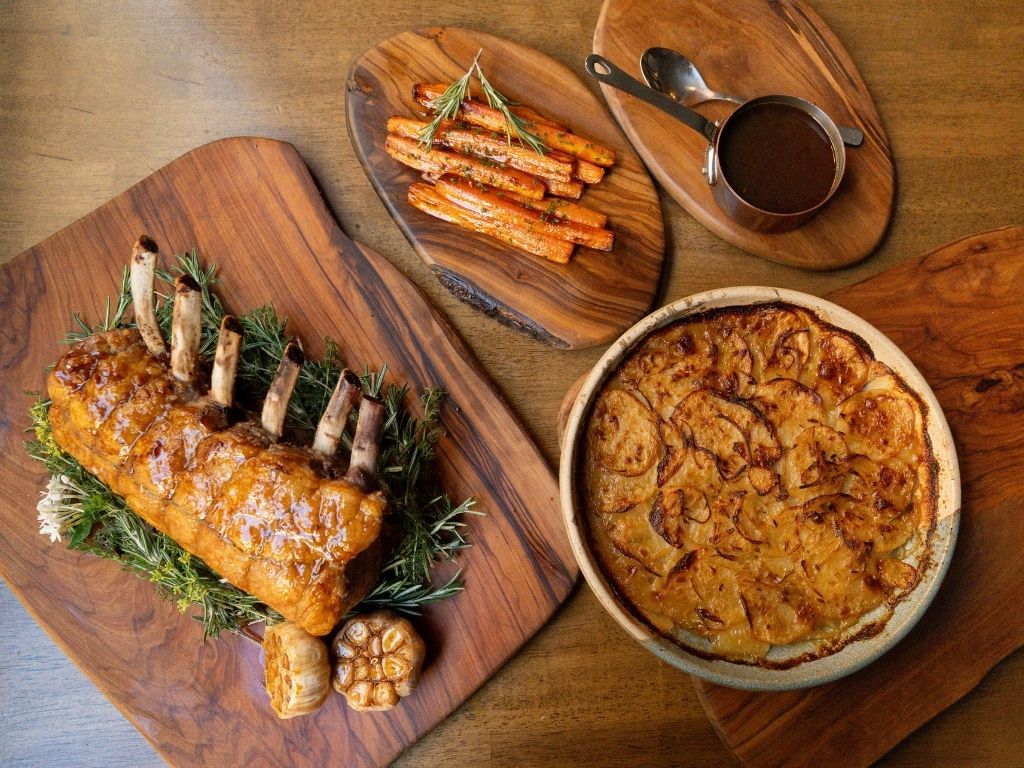
Roast Rack of Pork with Rosemary Gravy, Honey Glazes Carrots & Maltese Baked Potatoes 

Courtesy of Hiram Cassar, chef of Michelin-starred Fernandõ Gastrotheque in Malta. 

Roast Rack of Pork 

Ingredients 

– 1 rack of pork (2.5–3 kg, bone-in) 

– 2–3 tbsp olive oil 

– 4–5 garlic cloves, minced 

– 2 tbsp rosemary, chopped 

– 1 tbsp thyme leaves 

– 1 tbsp sea salt 

– 1 tsp black pepper 

– 300 ml white wine 

Method 

  1. Preheat oven to 220°C. 
  2. Pat pork dry, score fat, and rub with oil, garlic, herbs, salt, and pepper. 
  3. Roast for 20 min until browned. 
  4. Lower oven to 160°C, add wine to pan, and cook until pork reaches 55°C inside (about 18–20 min per 450 g). 
  5. Rest under foil for 15–20 min before carving. 

Rosemary Gravy 

Ingredients 

– Pan juices from pork 

– 1–2 tbsp flour (or cornstarch) 

– 250–300 ml chicken/pork stock 

– 1 tsp Dijon mustard (optional) 

– Salt & pepper 

Method 

  1. Skim fat from pan juices. 
  2. Heat roasting pan, stir in flour to make a paste. 
  3. Gradually whisk in juices + stock until smooth. 
  4. Add mustard if using, season, and strain before serving. 

Honey Glazed Carrots 

Ingredients 

– 750 g carrots, peeled & quartered lengthwise 

– 2 tbsp butter 

– 2 tbsp honey 

– 1 tbsp brown sugar 

– ½ tsp flaky salt 

– ¼ tsp black pepper 

– 2 tbsp chives, chopped 

Method 

  1. Boil carrots in salted water for 4–5 min, drain.
  2. Melt butter, stir in honey & sugar, add carrots. 
  3. Cook 5–7 min until glossy and caramelized. 
  4. Season and sprinkle with chives. 

Maltese Baked Potatoes (Patata l-Forn) 

Ingredients 

– 1.5 kg potatoes, sliced ½ cm 

– 2 onions, sliced 

– 3–4 garlic cloves, sliced 

– 3 tbsp olive oil 

– 1 tsp fennel seeds, crushed 

– 1 tsp oregano (optional) 

– 1 tsp salt, ½ tsp pepper 

– 250 ml stock (or stock + splash of white wine) 

Method 

  1. Preheat oven to 190°C. 
  2. Layer potatoes, onions, garlic, fennel, oregano, salt & pepper in a baking dish. 3. Pour over stock, drizzle with oil. 
  3. Cover with foil, bake 45 min. Remove foil and bake another 30–40 min until golden. 5. Rest 10 min before serving.

Dessert: Tarte aux pralines

pink praline pie

Hailing from Lyon, tarte aux pralines is immediately recognizable in any French pastry shop thanks to its striking bright pink colour. 

The tart features a buttery, flaky pastry crust filled with a luscious, creamy custard made from crushed pink pralines—sugar-coated almonds that add both sweetness and a slight crunch.

For the dough

  • 160 g flour
  • 50 ml water
  • 80 g cold butter, cubed
  • 1 tsp. sugar
  • ½ tsp. salt
  •  

Preheat oven to 350°F.  Combine all ingredients in a bowl and knead a dough ball. Cover with cling film and refrigerate for 30-60 minutes minimum. Roll out the pastry on a floured working surface to fit a 9-inch cake pan. Grease the pan and transfer pastry into pan, removing excess pastry with a knife, and pricking pastry with a fork for ventilation. Prebake for 20-25 minutes, until slightly golden. Leave to cool before adding the filling.

For the filling

  • 200 g crème fraîche
  • 100 g pink pralinés, crushed

Bring crème fraîche and almond chunks to boil, and allow to gently bubble over medium heat for about 10 minutes, stirring frequently, until mixture is thick, glossy and pink. For a brighter pink colour, opt to add a few drops of red food colouring. Let cool for several minutes before pouring into prebaked pastry shell. Allow to set for 1-2 hours in the refrigerator.

Atlantis Paradise Island Bespoke Sunset Dinners at the Cove

Atlantis Paradise Island is Elevating its Culinary Offerings

A slate of chef-driven openings, beachfront dinners and seasonal pop-ups positions the Bahamian icon as a serious culinary destination.

Atlantis Paradise Island has never been short on spectacle, and his winter, the sprawling Bahamian resort is making a statement through food. A wave of new restaurant openings, chef-led pop-ups and immersive dining experiences suggests a deliberate shift toward culinary credibility, positioning Atlantis not just as a place to eat well between activities, but as a destination where dining itself is part of the draw. 

Among the most approachable additions is Gong cha, the globally beloved Taiwanese tea brand, which has officially opened on property. Known for its freshly prepared premium teas, bubble teas and coffees, the casual outpost offers an easy, high-quality option for guests looking to grab something refreshing without committing to a full sit-down meal.

Ko Sa Wan at Atlantis Paradise Island

At the other end of the spectrum is the return of chef Ian Kittichai, whose Thai dinner pop-up, KŌ SÀ-WĂN, brings Bangkok-inspired flavours to The Cove’s Perch restaurant. Kittichai, a globally recognized culinary figure with appearances on Iron Chef USA and MasterChef Thailand, presents a menu rooted in his heritage, with dishes such as banana-leaf-steamed grouper and aromatic coconut-galangal chicken soup. 

After a successful summer run, Cocodrilo has transitioned from pop-up to permanent fixture, settling into the former Lagoon Bar & Grill space. By day, the cantina-style restaurant leans relaxed and sun-soaked, serving zesty ceviches, fire-kissed tacos and bright, citrus-forward flavours that feel tailor-made for the tropics. As evening falls, the energy shifts: cocktails get bolder, music turns up, and the space transforms into a lively beachfront hotspot.

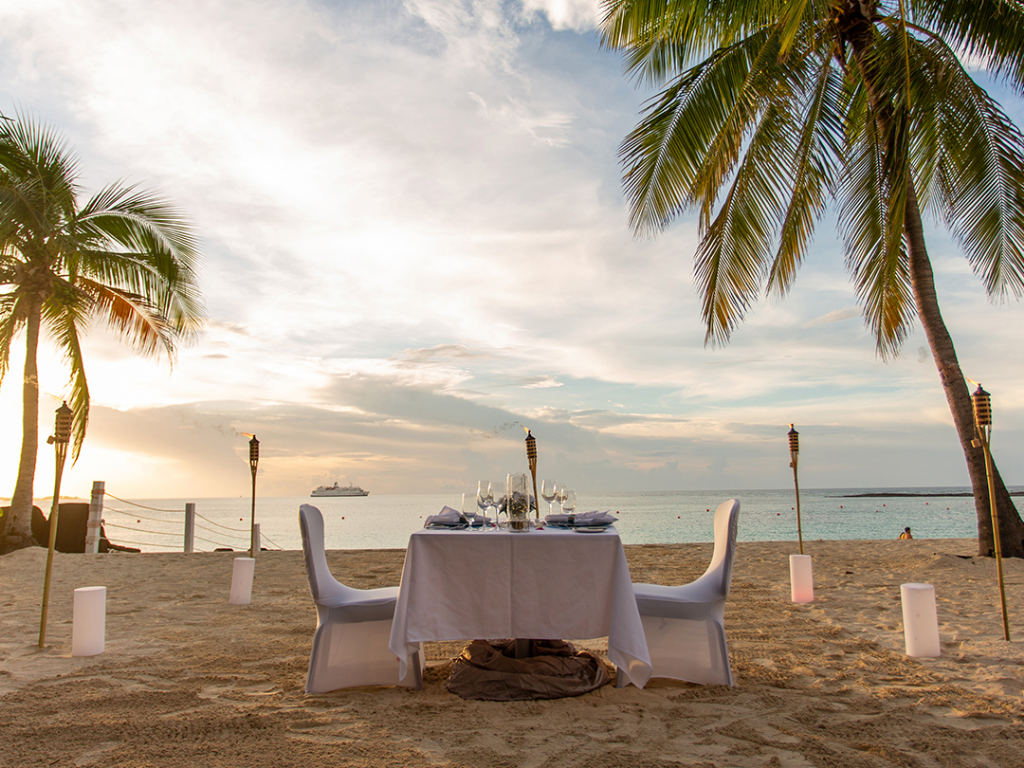
Experiential dining continues to play a central role, most notably through the return of Sunset Beach Dinners at The Cove. Set directly on the sand, the series offers an elevated barbecue-style menu paired with sommelier-selected wines, curated cocktails and live DJ entertainment. Timed to coincide with the Bahamian sunset, the evenings unfold communally, encouraging conversation and lingering rather than rushed courses.

Priced at $290-plus per person, the dinners are clearly positioned as a special-occasion experience — one that trades formality for atmosphere and lets the setting do much of the storytelling.

Seasonal wine dinners and festive culinary programming round out the calendar, reinforcing Atlantis’ growing focus onat food-led moments that feel intentional.

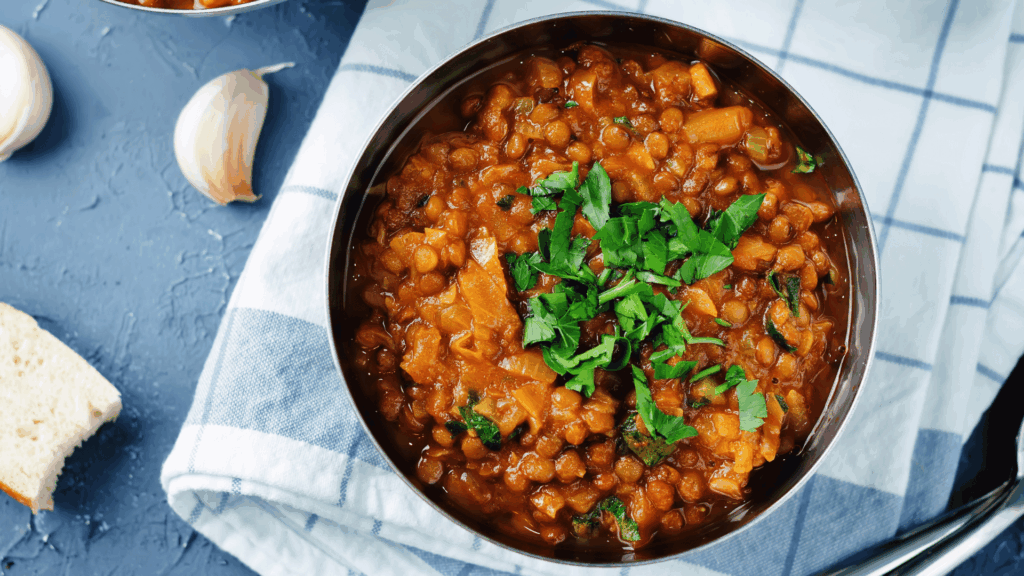
Our Favourite Recipe for Detox Lentil Stew

This cozy, nourishing stew feels like a reset after a few too many holiday feasts.

There’s a very specific moment this stew tends to enter our editor’s life: the week after the holidays, when the fridge is half full of odds and ends, the schedule snaps back into place, and the body is nagging that it needs a break from cheese boards and wine-fuelled late nights. If you’re anything like her, December was joyful, indulgent and delicious — and January calls for something a little quieter.

It’s a recipe that understands real life. It fits into busy weeks when there’s laundry to catch up on and inboxes to tame. It’s the meal you start earlier in the day and forget about — until the house starts to smell good and you remember that you already made dinner. It’s especially comforting in winter, when you want something hearty enough to satisfy but clean enough that you don’t feel groggy or bloated the next day.

This lentil stew is grounding without being heavy and generous without tipping into excess. Make a batch early in the week and return to it for easy lunches or low-effort dinners, delicious with nothing more than a slice of bread (sourdough is best).

The Detox crockpot lentil soup by Pinch of Yum has earned its place in our editor’s regular rotation for good reason. If you’re craving something that helps you feel a little more like yourself after a season of indulgence, we suggest bookmarking it and clicking through for the full recipe. Enjoy!


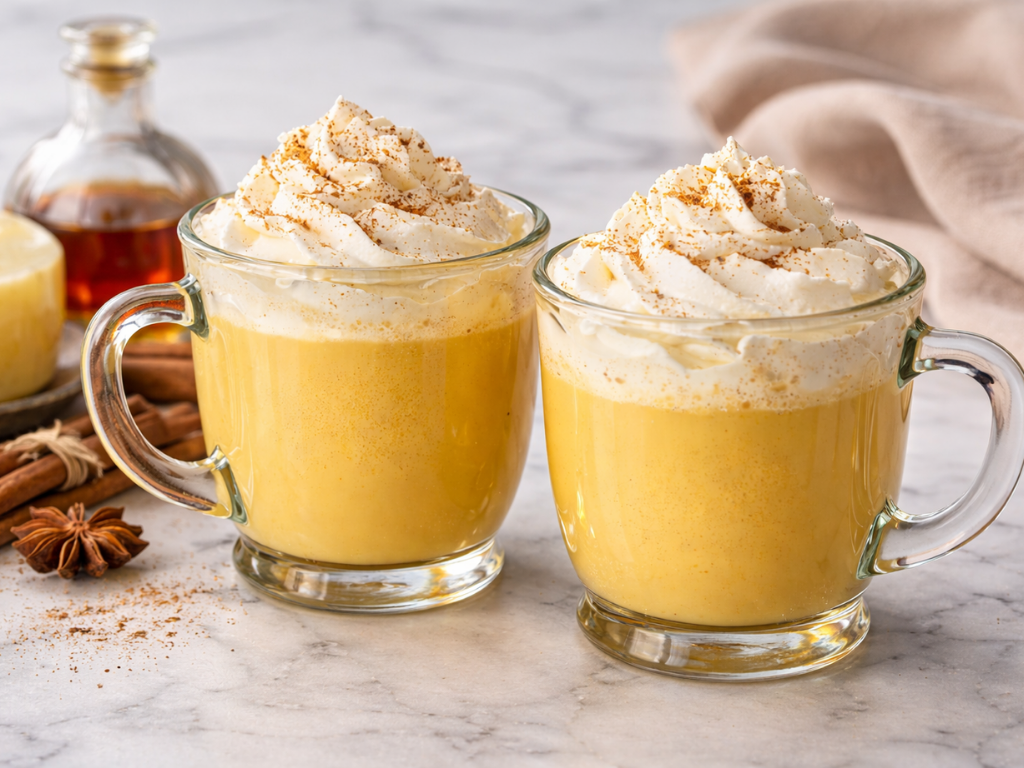
How to Make a Bombardino, Italy’s Cozy Après-Ski Cocktail

This warm winter drink tastes like dessert in a mug. Try it for yourself with this recipe by Tuscan Women Cooks.

There’s a certain kind of cold that calls for something richer than mulled wine — something creamy, comforting, and unapologetically indulgent. Enter Bombardino, Italy’s beloved Alpine winter drink, traditionally enjoyed après-ski in the Dolomites and northern mountain towns.

Part cocktail, part dessert, Bombardino was invented in the early 1970s to revive skiers after long days on the slopes. Its name, loosely translating to “little bomb”, hints at its warming power. While many bars rely on bottled liqueurs, this version from Tuscan Women Cook keeps things beautifully simple and homemade, using rich eggnog, brandy, and a cloud of whipped cream.

It’s the kind of drink you make slowly, savouring the ritual as much as the result — ideal for snowy evenings, holiday gatherings, or anytime you want to channel a little Italian mountain magic.


Recipe: Bombardino

Serves: 2

Ingredients

  • ½ cup eggnog

  • 3 ounces brandy (such as Vecchia Romagna, Etichetta Nera, or Gran Gala orange liqueur)

  • Whipped cream

  • Ground cinnamon

Instructions

  1. Gently heat the eggnog over medium heat until just barely simmering — do not boil.

  2. Divide the hot eggnog between two glass mugs.

  3. Add 1½ ounces of brandy to each mug.

  4. Top generously with whipped cream and finish with a light sprinkle of ground cinnamon.

  5. Serve immediately, preferably somewhere cozy.

Recipe reprinted with permission from Tuscan Women Cooks.

The Modern Holiday Recipe Series: Chef Luigi de Guzman’s Crispy Roasted Lechon

For this series, we asked four renowned chefs share their favourite hosting tips and the non-traditional recipes they cook for gatherings with their loved ones. Here, Toronto-based chef Luigi de Guzman shares his recipe for crispy roasted lechon belly.

w hotel toronto

At the W Toronto, executive chef Luigi de Guzman infuses the city’s multicultural energy into bold, expressive menus. At home during the holidays, he turns to a dish from his Filipino heritage: lechon.

“Food has always been at the heart of Filipino celebrations, and with a biracial family, sharing that tradition with my kids matters deeply to me,” he says. “One that always feels special is lechon, a beloved roasted pork dish. Of course, I’ve had to adapt the classic recipe for our home kitchen; we can’t exactly roast a whole pig outside in the middle of winter. My version is a lechon belly, which is similar to Italian porchetta but with a crispier crackling and unmistakable flavours of Filipino spices.”

Holiday traditions for de Guzman are steeped in sweet memories. “As the oldest, it was my job on Christmas Eve to help my Lola [grandmother] mix the sweet sticky rice, stirring nonstop until she finally gave me the nod to rest. It was very tiring, but the reward was always worth it: a pot of rich hot cocoa simmering on the stove. It was the one day my sister and I were allowed to drink as much as we wanted. Now, as a father of two toddlers, my wife and I keep that cocoa tradition alive.”

That simple ritual informs how he hosts today. “The holidays should always have a thread of comfort woven through them,” he says. “It doesn’t have to be about perfection. It’s about creating a moment where food and family connect.”

Recipe: Crispy Roasted Lechon Belly

By Chef Luigi de Guzman

Serves 6 to 8

Ingredients

  • 5½ lb (2.5 kg) pork belly, skin on
  • 4 tsp salt, divided
  • 1 tsp ground black pepper
  • 2 tsp garlic powder
  • 2 tsp onion powder
  • 1 tsp ground star anise
  • 5 stalks lemongrass, bruised
  • 1 bunch green onions

Method
Prick pork belly skin all over with a fork or paring knife. Rub 2 tsp salt onto the skin. Place uncovered in the fridge for 24 hours to dry.

Mix remaining 2 tsp salt with pepper, garlic powder, onion powder and star anise. Rub over the meat side of the pork belly.

Lay lemongrass and green onions along the centre. Roll belly tightly and secure with kitchen twine at 1-inch intervals. Pat skin dry.

Preheat oven to 300°F. Place pork seam side down on a rack in a roasting pan. Add water beneath rack to steam. Cover with foil and roast for 2 hours.

Raise oven temperature to 350°F. Remove foil. Roast 2 more hours, basting halfway through.

Increase oven to 450°F. Roast for 20 to 30 minutes, until skin is golden and crispy.

Rest 20 minutes before slicing. Serve with soy-vinegar dip with chillies and diced red onion.

Martinique

Martinique’s Homegrown Flavours

From rainforest cacao to beachfront rum tastings, Martinique’s culinary identity is inseparable from the land that feeds it.

By Jessica Huras

Miles from Martinique’s sandy beaches and sun-splashed coastlines, I find myself deep in the island’s northern rainforest, following a path tangled with hibiscus, heliconia and wild cilantro at Habitation Céron.

Founded in 1658 as a sugar plantation, the 75-hectare estate is now an eco-sanctuary, home to fruit trees, lush gardens and more than 2,000 cacao trees.

Here, chocolatier Julie Marraud des Grottes—whose family stewards the property—cracks open a golden-hued cacao pod and invites us to pluck out its seeds. Slick with pearly white pulp, each one tastes almost like mango, sweet and tart all at once.

Later, she passes around squares of her 70 per cent single-origin chocolate. Marraud des Grottes’ approach to chocolate-making is designed to coax out the cacao’s wild, shifting character. Her bars are made with just two ingredients: cacao harvested on site and locally sourced sugarcane. The flavour shifts. One month it carries hints of banana, the next, notes of red fruit. “I only have one recipe for chocolate,” says Marraud des Grottes. “But the chocolate will taste different depending on when the cacao is harvested.”

It’s a reminder that in Martinique, sense of place isn’t just something you see—it’s something you taste. Across the island, chefs, producers and distillers treat the landscape as both pantry and muse. Their pride in homegrown ingredients is present in every bite, every pour and every decision to let the land’s character take the lead.

Distillerie Depaz
Distillerie Depaz
Cacao pods

The same cane that sweetens Marraud des Grottes’ chocolate also stars in Martinique’s signature spirit: rhum agricole. I see this up close later that day at Distillerie Depaz. Château Depaz—an early 20th-century manor built in the shadow of Mount Pelée—anchors rolling fields of blue cane. In the breezy dining room, we look out windows framing green hills while we taste through Depaz’s range.

Martinique’s rhum agricole is the only style of rum in the world with France’s coveted AOC designation, typically reserved for wine and cheese. Unlike most rums made from molasses, it starts with fresh-pressed sugarcane juice, a method that preserves the plant’s grassy, earthy brightness as a key note.

At Depaz, high elevation and volcanic soil shape the cane’s bold, distinctive profile. A 48-hour fermentation and old-school steam-powered mills keep the spirit rooted in tradition and place. Each glass is like a liquid map of where it’s made.

Le Petibonum Martinique
Le Petibonum
Fresh Seafood

On our final night in Martinique, the road leads us back to the sea—specifically to Le Petibonum, a beachfront restaurant that’s been championing local ingredients for decades. “My grandfather is a farmer here, so I’ve always understood the ingredients of Martinique,” says chef-owner Guy Ferdinand. “When visitors come here, they want to taste what grows on the island. That’s how they learn about our culture.”

Dinner unfolds under a thatched roof on La Plage du Coin, the sky deepening to indigo, our toes buried in the sand. Bottles from Martinique’s storied distilleries, Depaz among them, are laid out across a self-serve tasting table. “After drinking some rum, you’re open to discovering more flavours of Martinique,” Ferdinand says with a grin.

The fish—tuna, dorade, marlin—comes directly from fishermen who dock nearby. Fresh pineapple, in season during our visit, is sliced and served simply.

Between courses, Ferdinand tosses more bay rum branches onto the open grill, then lays fresh fillets over the heat as the smoke curls up around them.

If Martinique’s identity is rooted in what the land grows and gives, there may be no more vivid way to taste it than here: a meal where every element, from fragrant grill smoke to the rhum agricole in my glass, comes directly from the island itself. I leave with sand on my feet, rum on my tongue and Martinique’s flavours still lingering.

Holland America Line Unveils Caribbean-Inspired Menus and Cocktails

New island-themed dishes and drinks debut across the cruise fleet this winter.

This winter, Holland America Line is transforming its Caribbean sailings into full-fledged culinary journeys. From October 2025 through April 2026, six ships will feature new regionally inspired menus and cocktails celebrating the vibrant flavours of the Caribbean — all crafted with the cruise line’s hallmark focus on fine dining at sea.

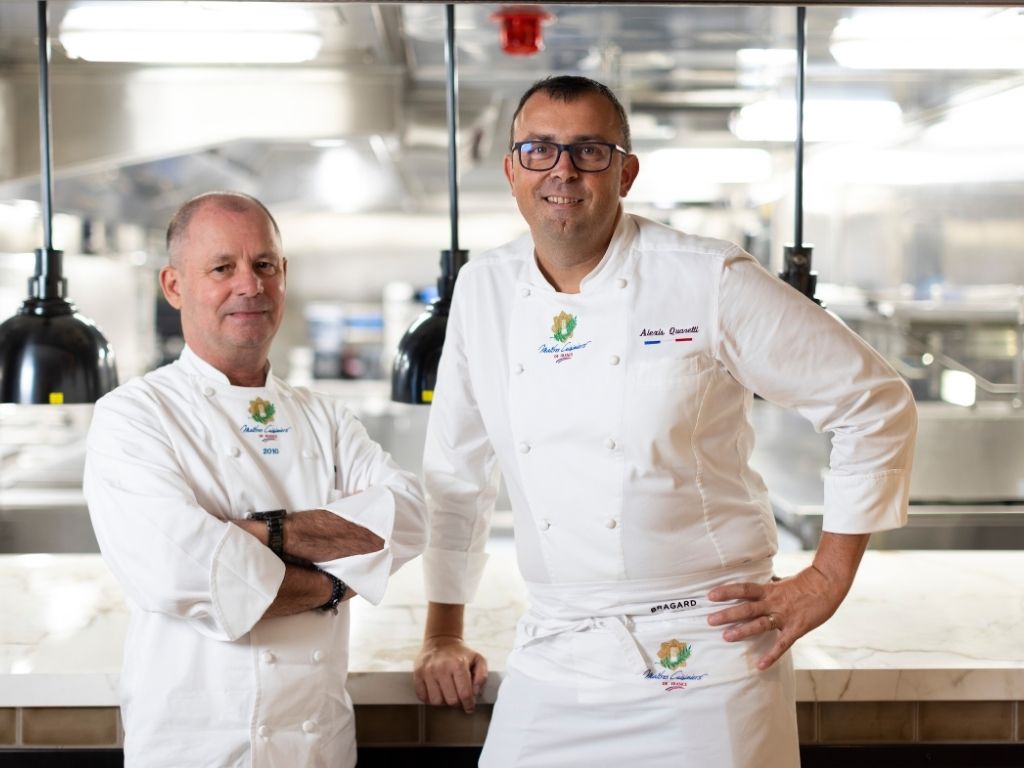
Guests can expect fresh, locally sourced ingredients and authentic island flavours through port-to-plate dishes, themed cocktails, and special dining experiences, many created by Holland America’s renowned Culinary Ambassadors — chefs David Burke, Masaharu Morimoto, Ethan Stowell, and Jacques Torres.

Menu highlights include:

  • Chef Masaharu Morimoto’s trio of island-inspired dishes: Crispy Fried Market Whole Fish, Yuzu Butter Grilled Lobster Tails, and Fresh Catch Grouper with Braised Baby Bok Choy.

  • Chef David Burke’s 15-ounce Boneless Rib Eye and Chef Ethan Stowell’s Spaghetti with Confit Lobster.

  • Chef Jacques Torres’s signature Chocolate-Dipped Cheesecake.

  • New Caribbean Seafood Boil in Lido Market (for a $35 supplement) featuring local shellfish, lobster, and rum cake for dessert.

  • Poolside dinners spotlighting regional favourites paired with tropical cocktails crafted from island spirits like rum, ginger, pineapple and chili.

Beyond the plate, the line is also adding new shore-excursion cooking classes, rum-pairing workshops, and guided tastings, giving guests a hands-on connection to Caribbean culinary traditions.

“Every bite and sip is designed to transport guests to the heart of the Caribbean,” says Michael Stendebach, Holland America Line’s vice-president of food, beverage and rooms. “Beyond the plate, we aim to create moments that celebrate the region’s lively culture and make each journey unforgettable.”

The expanded menus and experiences are part of Holland America Line’s ongoing commitment to showcasing local ingredients and authentic regional cuisine on board and ashore.

The North America’s 50 Best Restaurants 2025 List is Out

On September 25, 2025 at Wynn Las Vegas, the inaugural North America’s 50 Best Restaurants list debuted with Atomix (New York) crowned No. 1. Junghyun “JP” and Ellia Park’s intimate, design-driven counter marries Korean flavours with meticulous technique and hospitality, setting the tone for a ranking that celebrates both heritage and innovation across the continent.

Canada made a powerful showing — Mon Lapin (Montreal) landed at No. 2, Restaurant Pearl Morissette (Lincoln, ON) at No. 3 and Tanière3 (Québec City) at No. 5 — while the broader lineup highlights a vibrant mix of tasting-menu temples, neighbourhood gems and destination dining from the U.S. and the Caribbean. Pictured above? Le Violon in Montreal, No. 29 on the list, where Katy Perry and Justin Trudeau were spotted having dinner this past July.

Atomix (Photo by Evan Sung)

The List

  1. Atomix — New York

  2. Mon Lapin — Montréal

  3. Restaurant Pearl Morissette — Lincoln

  4. Smyth — Chicago

  5. Tanière3 — Québec City

  6. Dakar NOLA — New Orleans

  7. Kalaya — Philadelphia

  8. SingleThread — Healdsburg

  9. Le Bernardin — New York

  10. Le Veau d’Or — New York

  11. Quetzal — Toronto

  12. Baan Lao — Richmond (Steveston)

  13. Benu — San Francisco

  14. Californios — San Francisco

  15. The Four Horsemen — New York

  16. Friday Saturday Sunday — Philadelphia

  17. Moon Rabbit — Washington, DC

  18. Via Carota — New York

  19. Chubby Fish — Charleston

  20. Locust — Nashville

  21. Saison — San Francisco

  22. Montréal Plaza — Montréal

  23. Kono — New York

  24. Aska — New York

  25. Lazy Bear — San Francisco

  26. Kato — Los Angeles

  27. Kann — Portland

  28. Published on Main — Vancouver

  29. Le Violon — Montréal

  30. Emeril’s — New Orleans

  31. Kasama — Chicago

  32. Royal Sushi & Izakaya — Philadelphia

  33. Saga — New York

  34. Albi — Washington, DC

  35. Jungsik — New York

  36. Corima — New York

  37. Dōgon — Washington, DC

  38. César — New York

  39. Café Carmellini — New York

  40. Penny — New York

  41. Buzo Osteria Italiana — Bridgetown

  42. Holbox — Los Angeles

  43. Alma — Montréal

  44. Mhel — Toronto

  45. Alma Fonda Fina — Denver

  46. Atelier Crenn — San Francisco

  47. Providence — Los Angeles

  48. Quince — San Francisco

  49. Stush in the Bush — St. Ann

  50. Beba — Montréal

A Fall Classic: Homemade Apple Strudel

Apple-picking season is in full swing across Canada, which means baskets of crisp fruit just waiting to be transformed into something special. Enter apple strudel: layers of flaky pastry wrapped around tender apples, sweet raisins and a buttery crunch. It’s easier than you think with this recipe, which keeps things simple using store-bought puff pastry. 

Apple Strudel Recipe

Ingredients

  • 3 to 4 large apples, peeled, cored and thinly sliced

  • ½ cup raisins

  • ½ cup sugar

  • 1 tsp cinnamon

  • 1 tbsp lemon juice

  • 1 sheet frozen puff pastry (about 225 g), thawed

  • 2 tbsp butter, melted

  • ¼ cup bread crumbs

Method

  1. Preheat oven to 375°F (190°C). Line a baking sheet with parchment paper.

  2. In a large bowl, combine apples, raisins, sugar, cinnamon and lemon juice. Toss to coat.

  3. Roll out puff pastry on a lightly floured surface into a rectangle, about 12 x 14 inches.

  4. Brush pastry with melted butter, then sprinkle evenly with bread crumbs.

  5. Spoon the apple mixture along one long edge, leaving a 1-inch border. Carefully roll up the pastry over the filling, tucking in the sides as you go, to form a log. Place seam-side down on the prepared baking sheet.

  6. Brush the strudel with remaining melted butter.

  7. Bake for 35 to 40 minutes, or until golden brown and crisp.

  8. Let cool slightly before slicing. Serve warm, dusted with icing sugar, alongside whipped cream or vanilla ice cream.